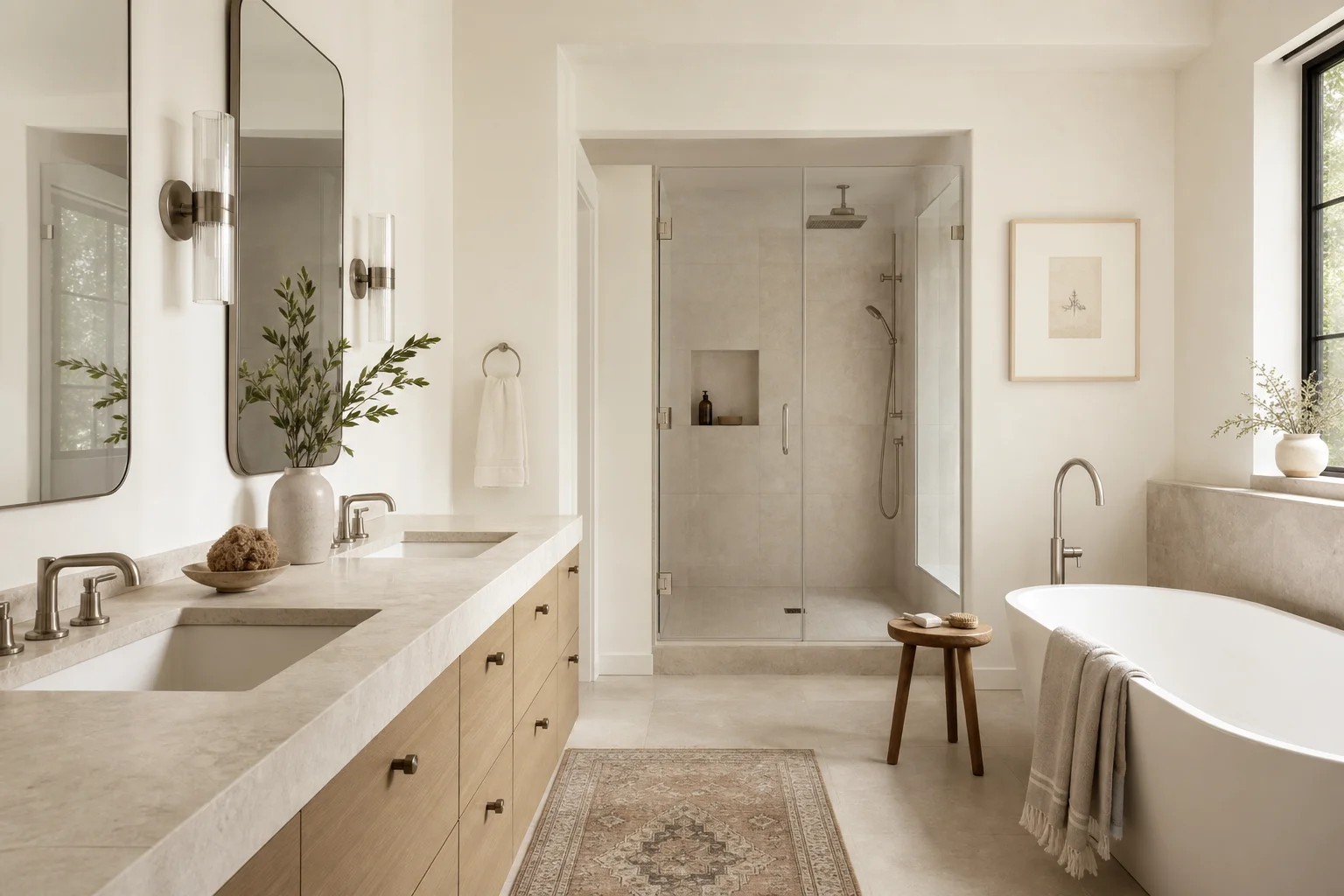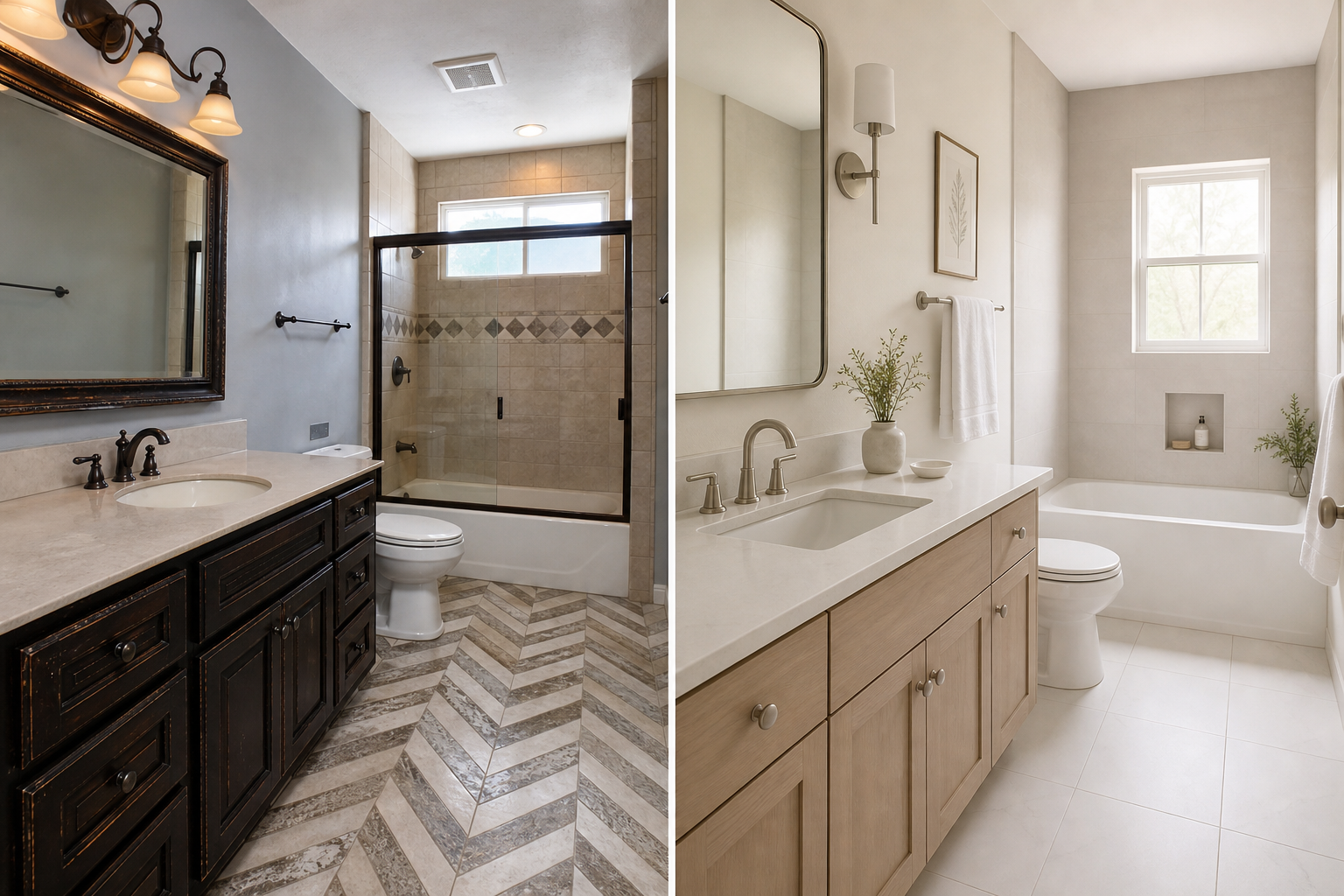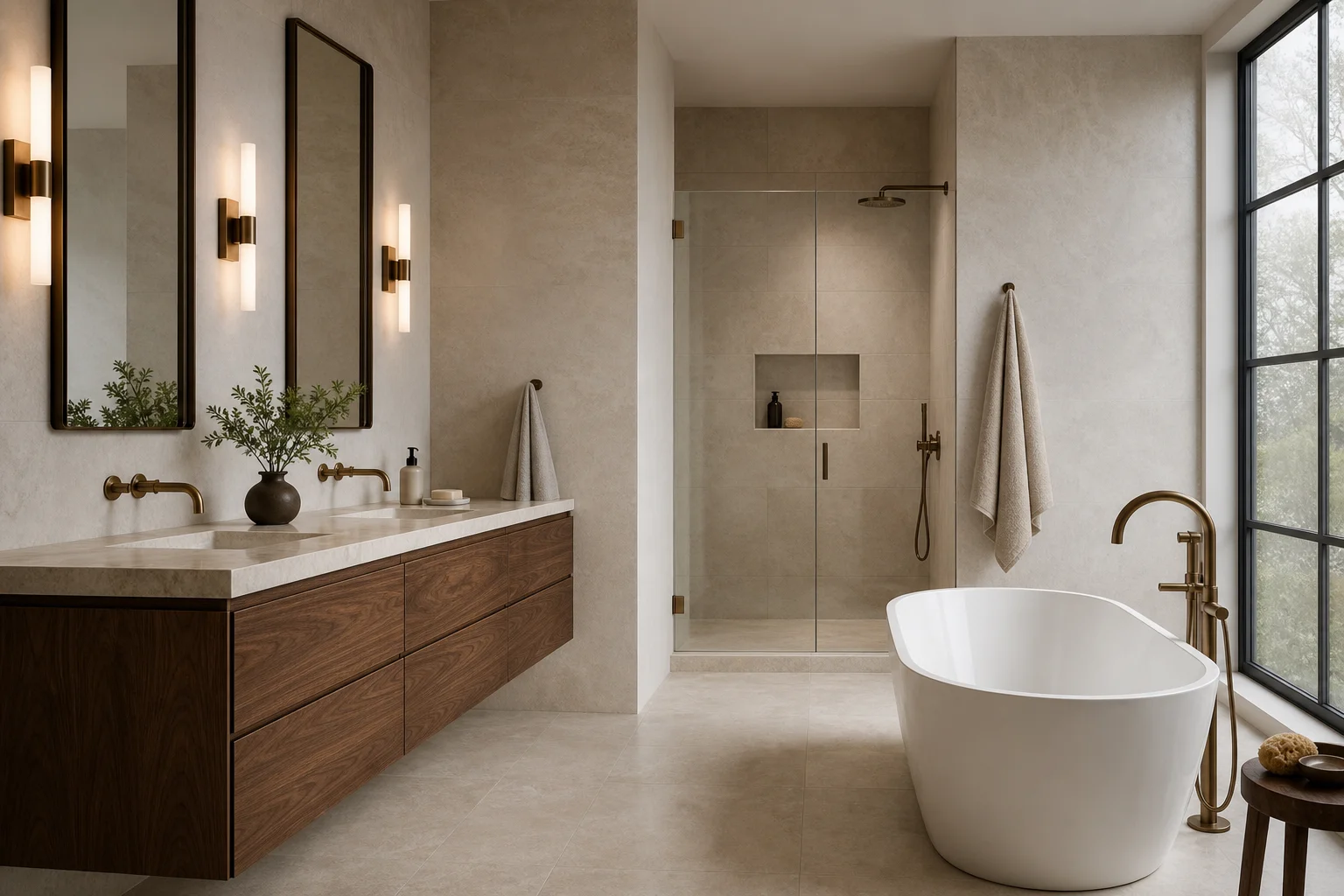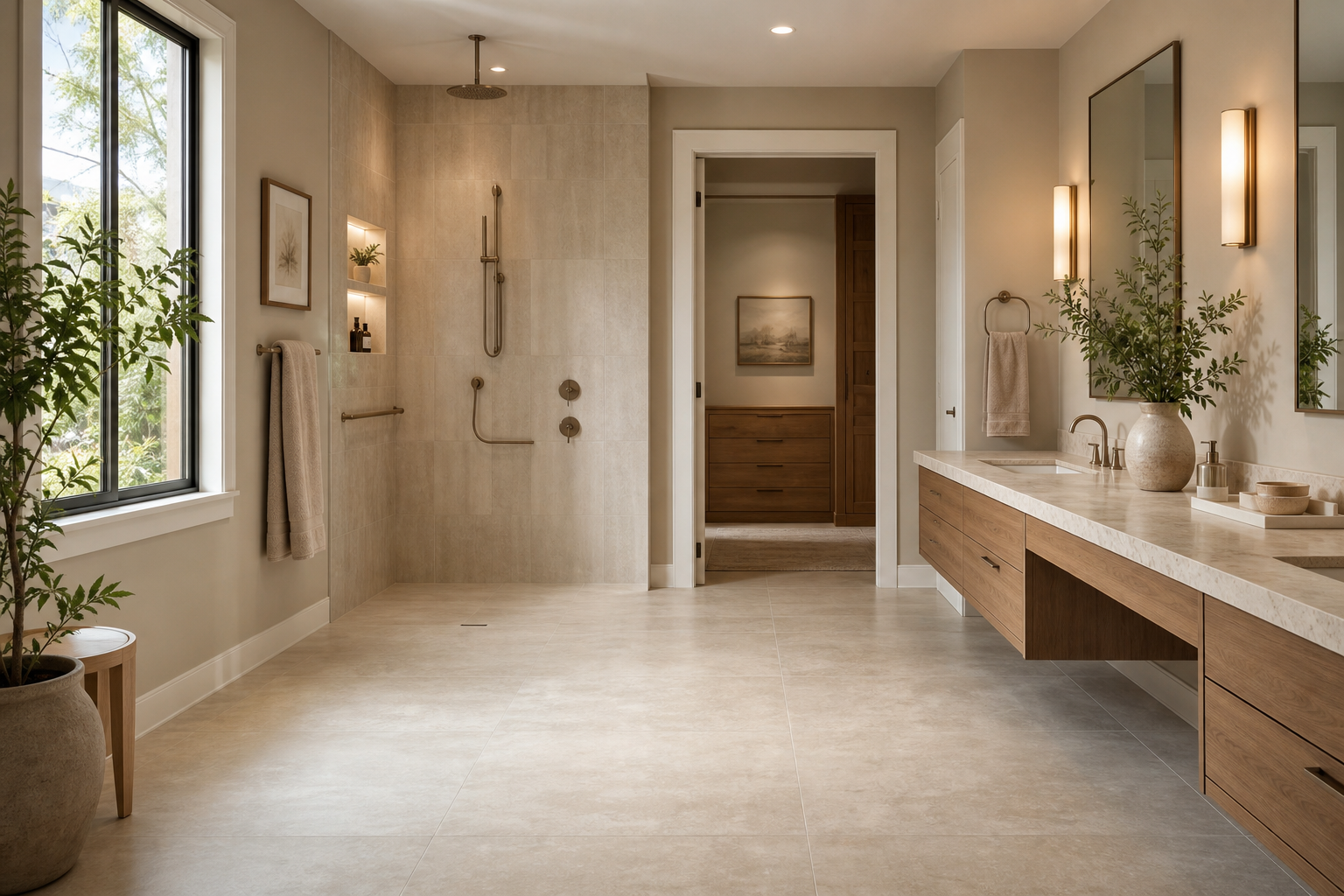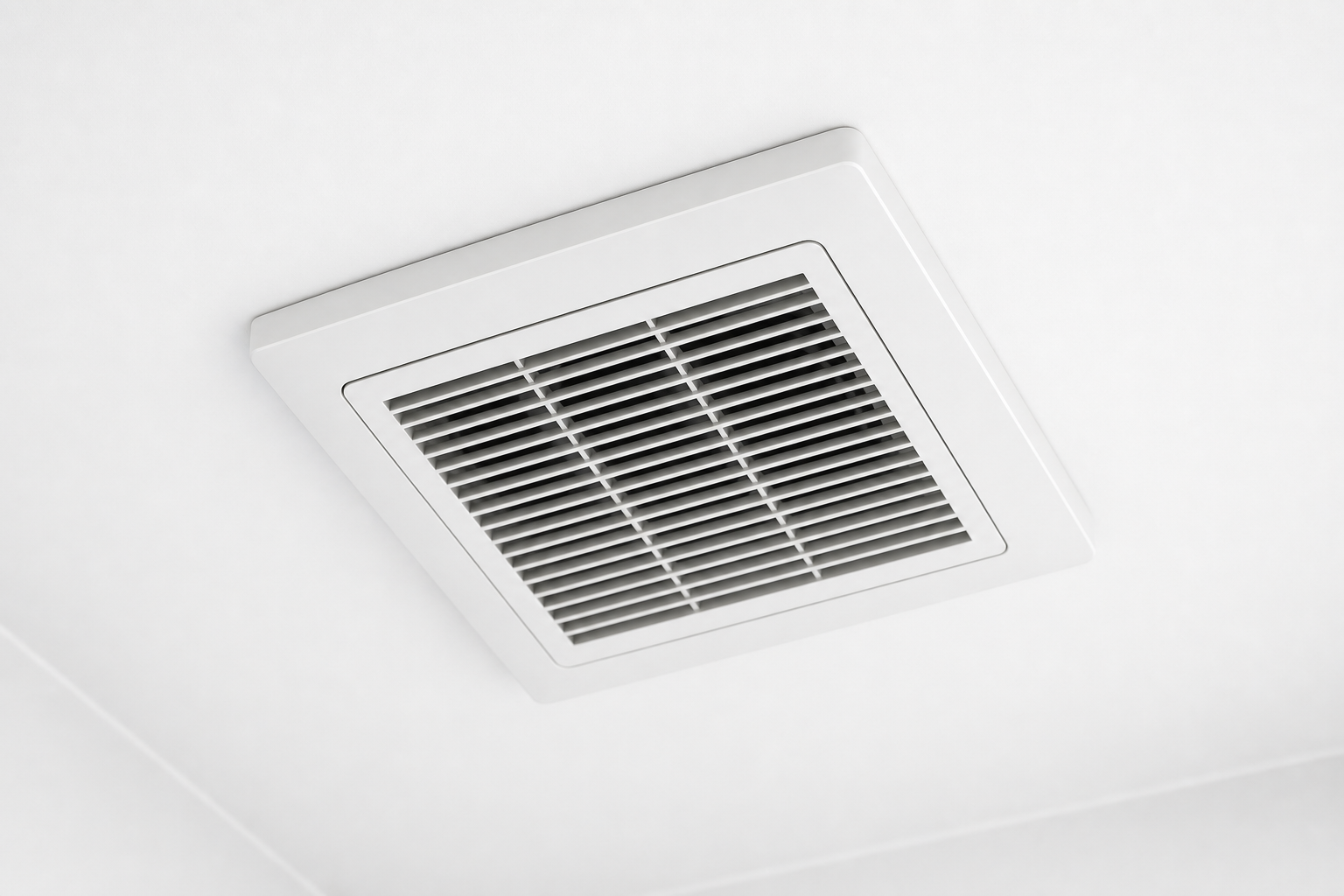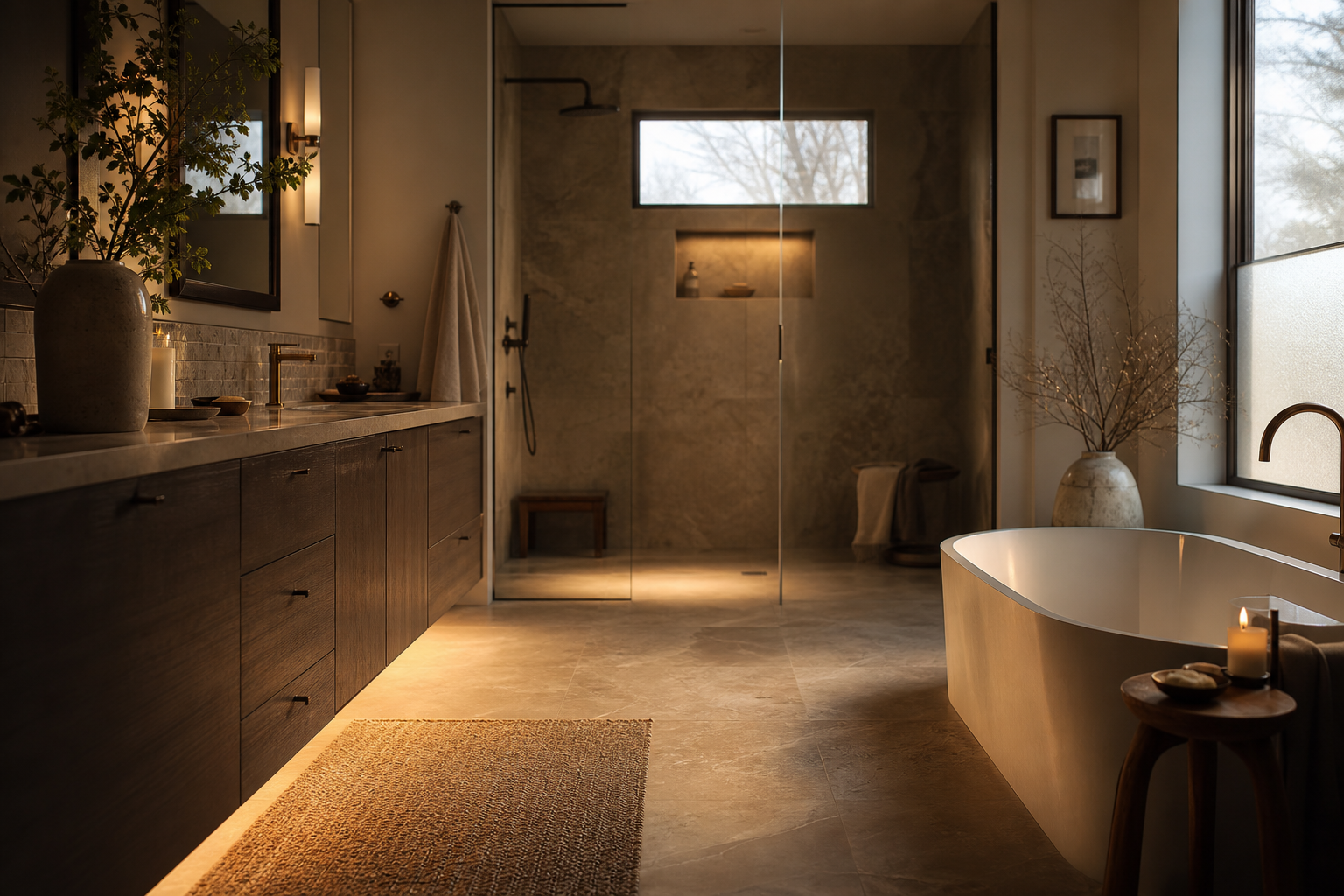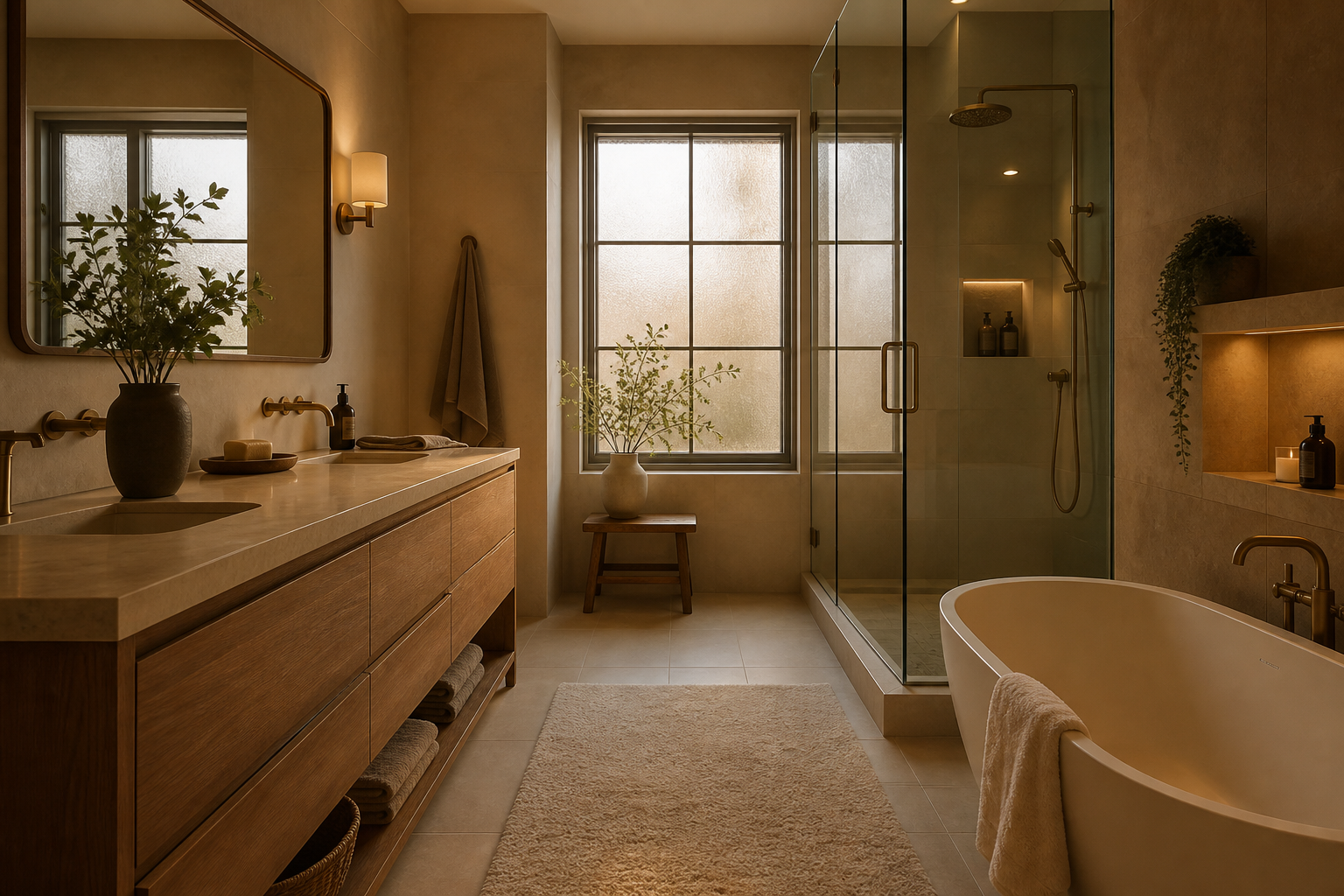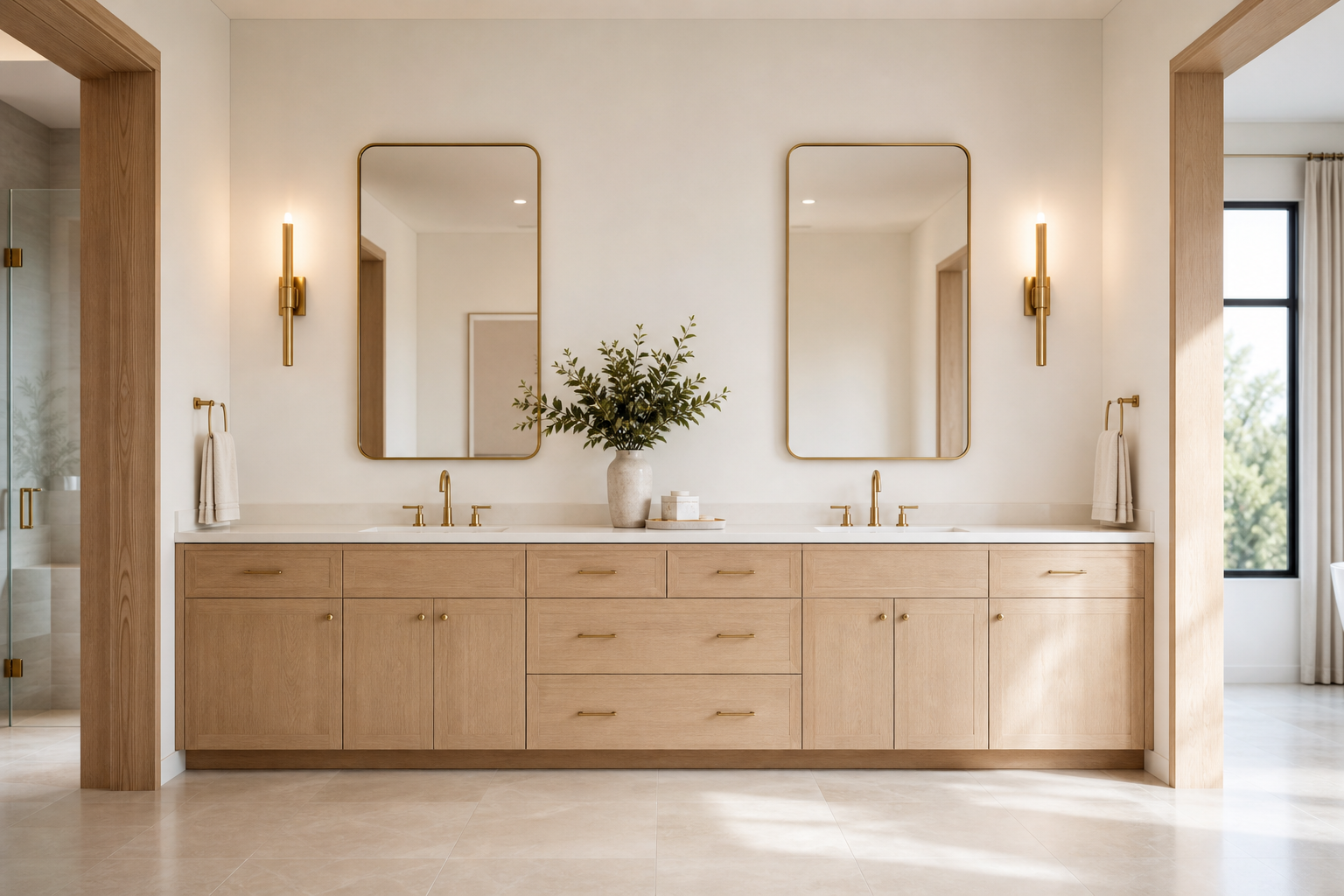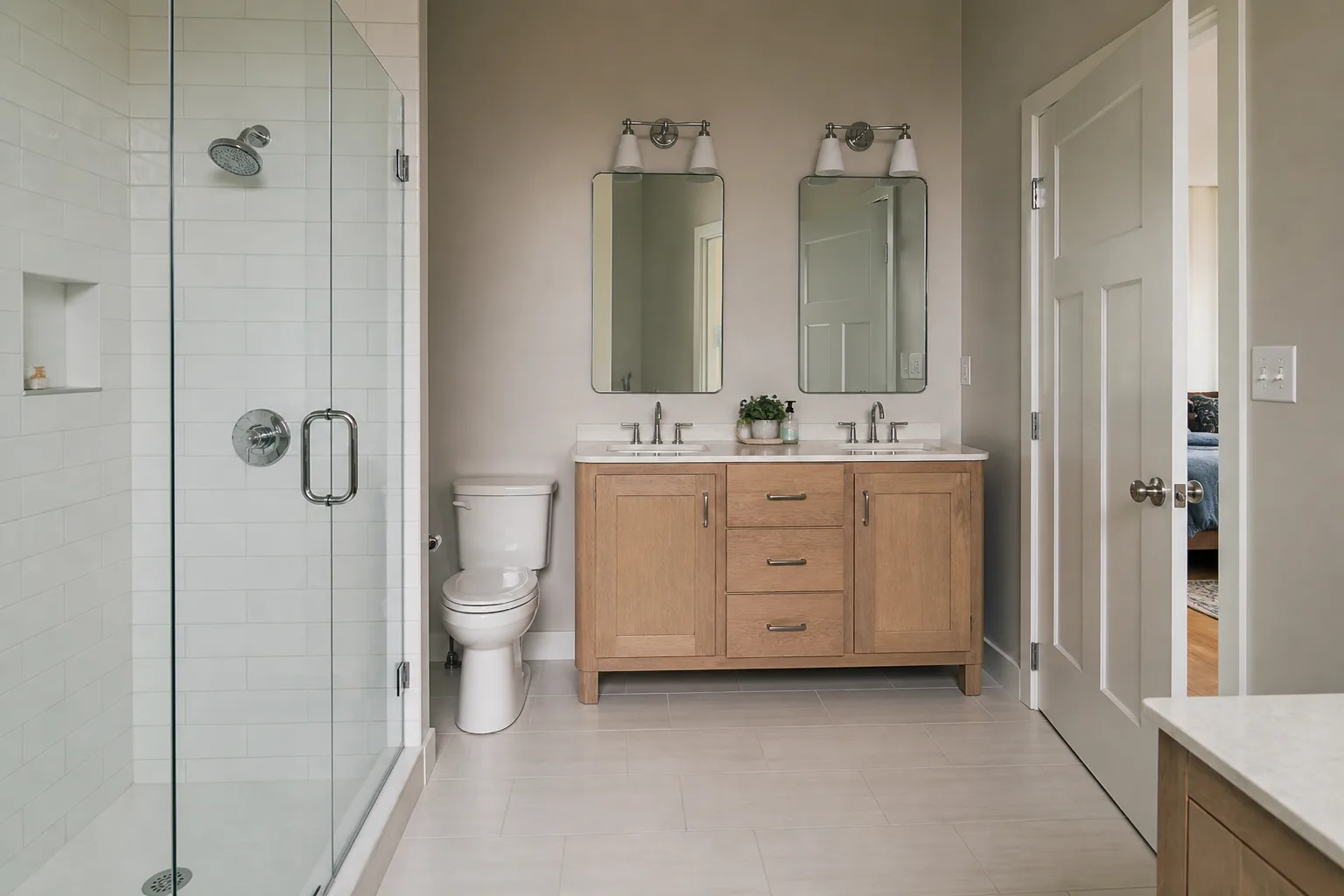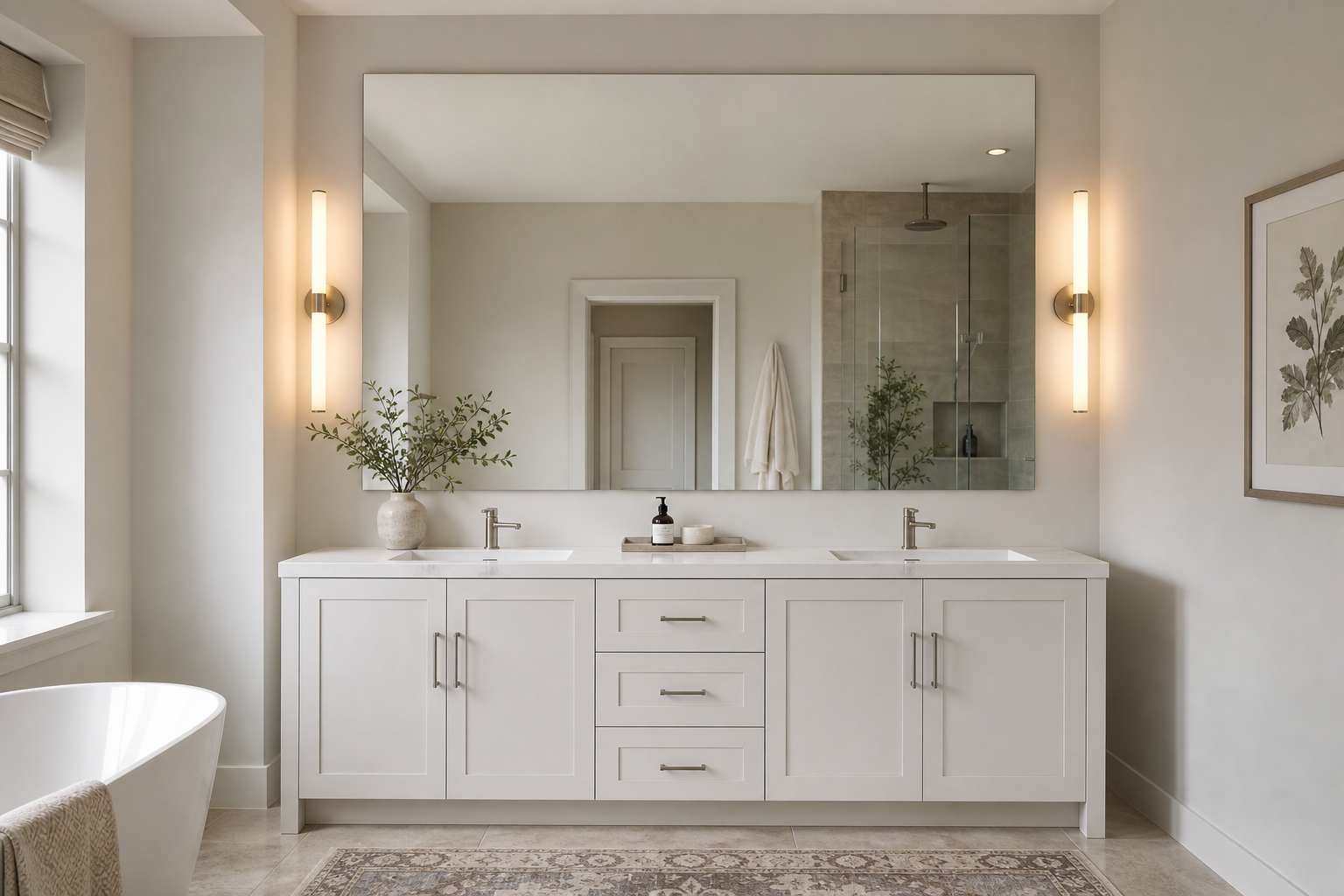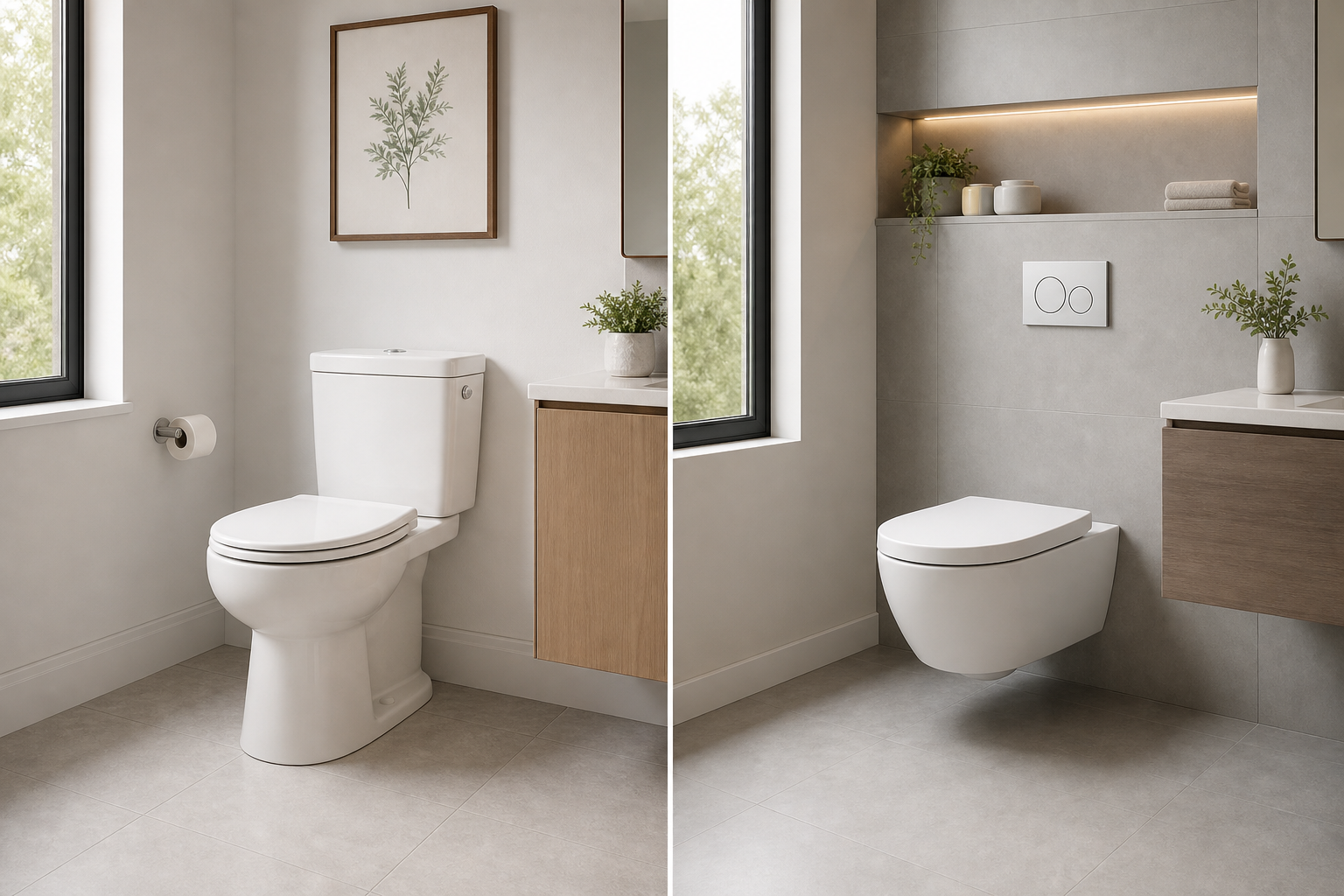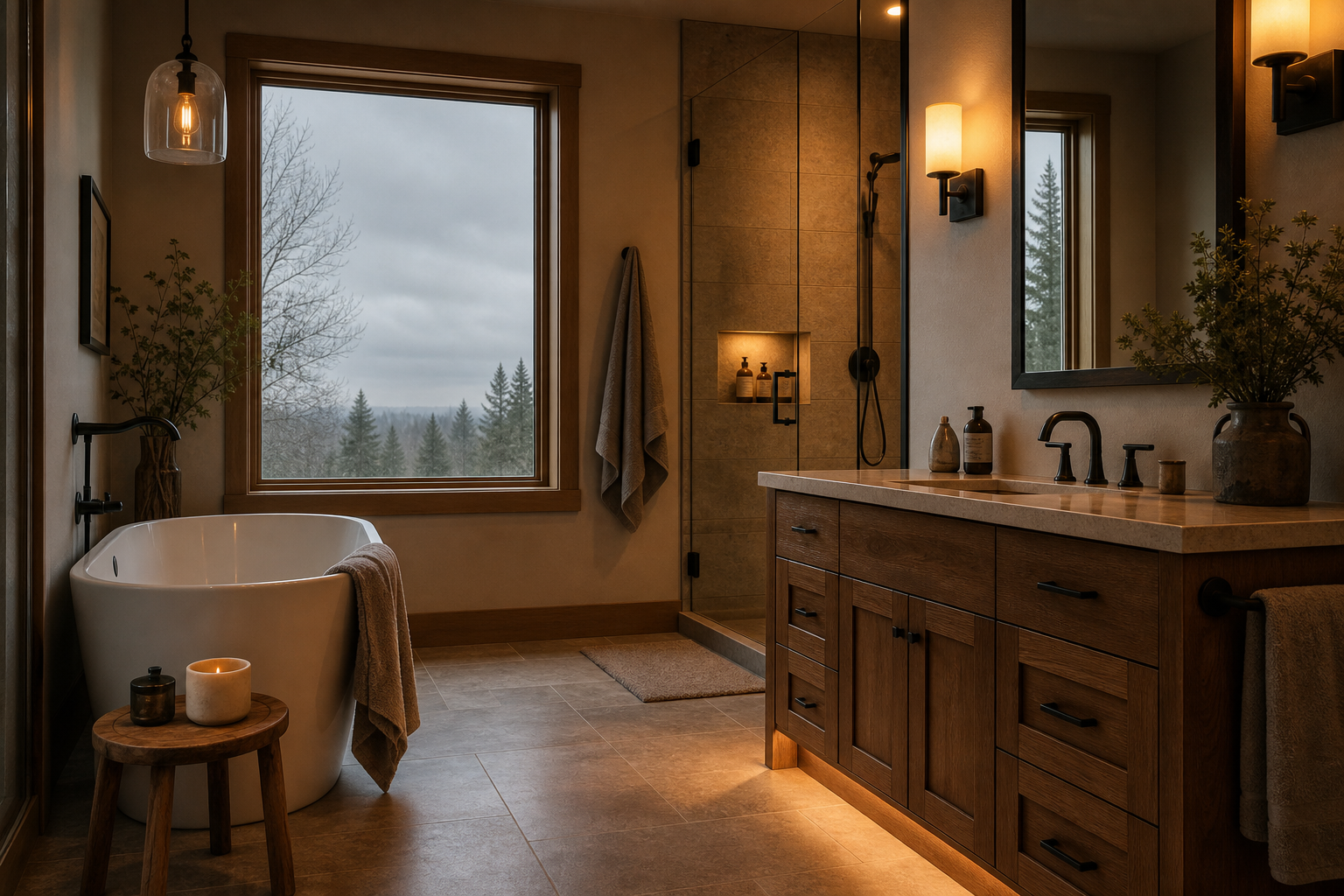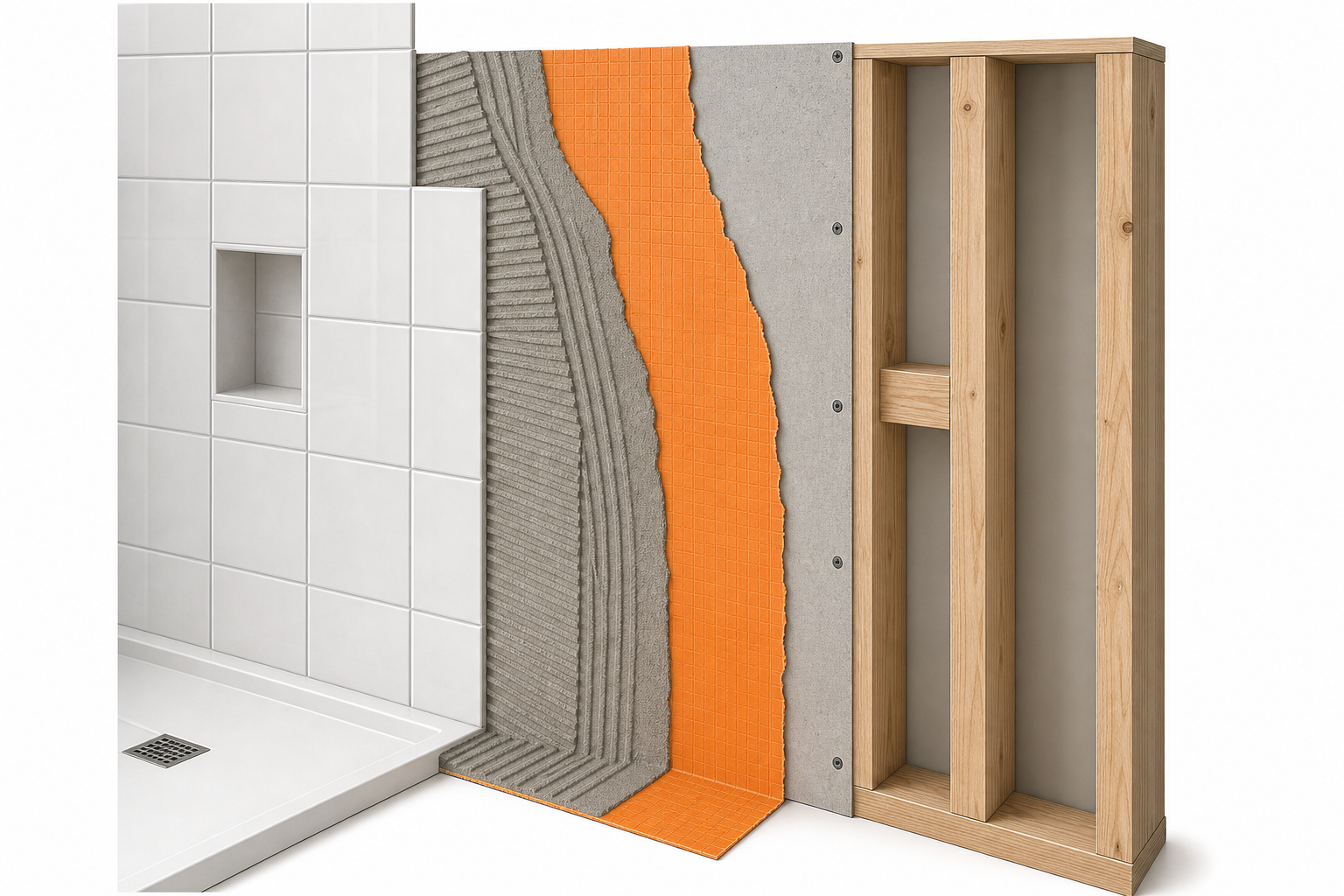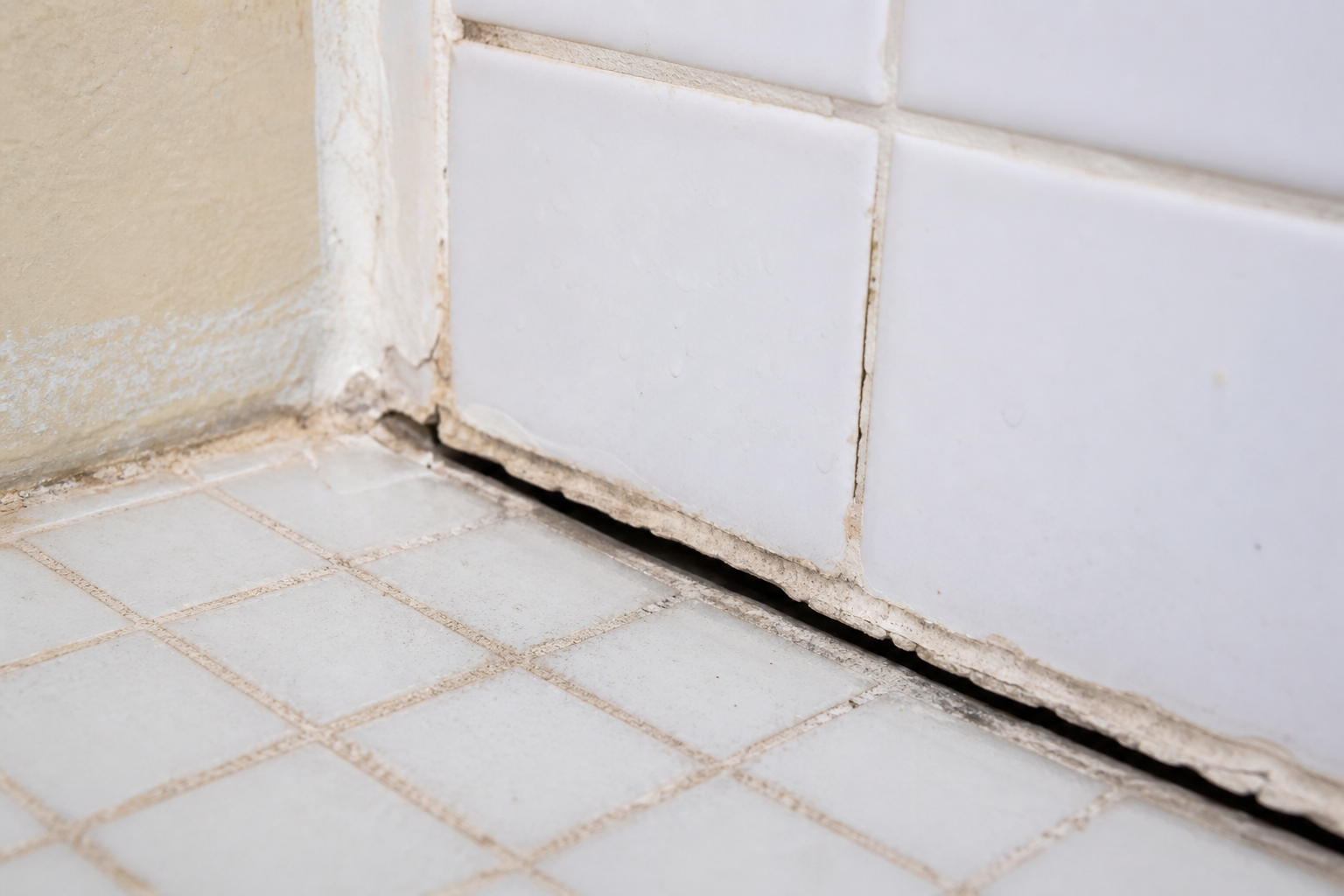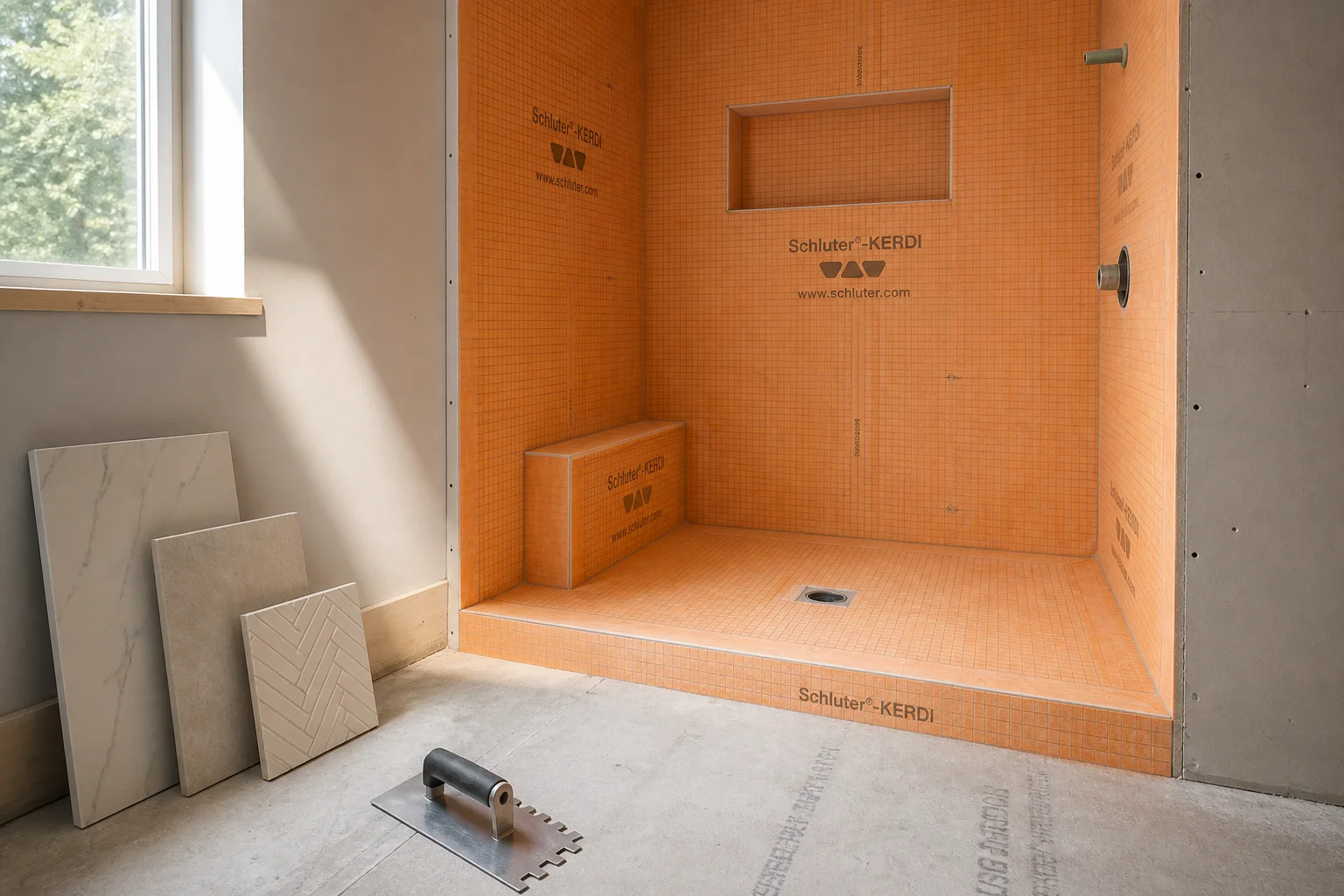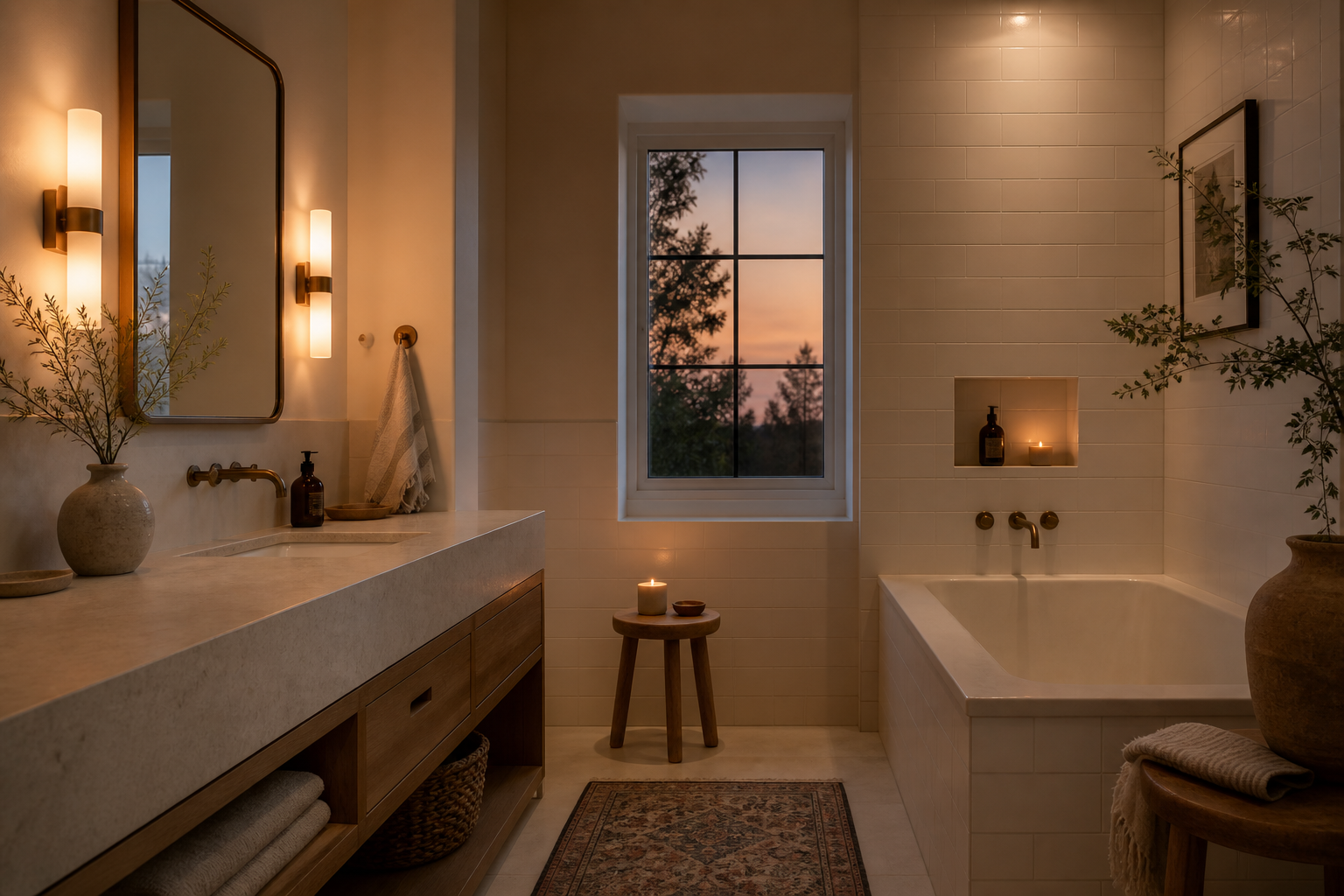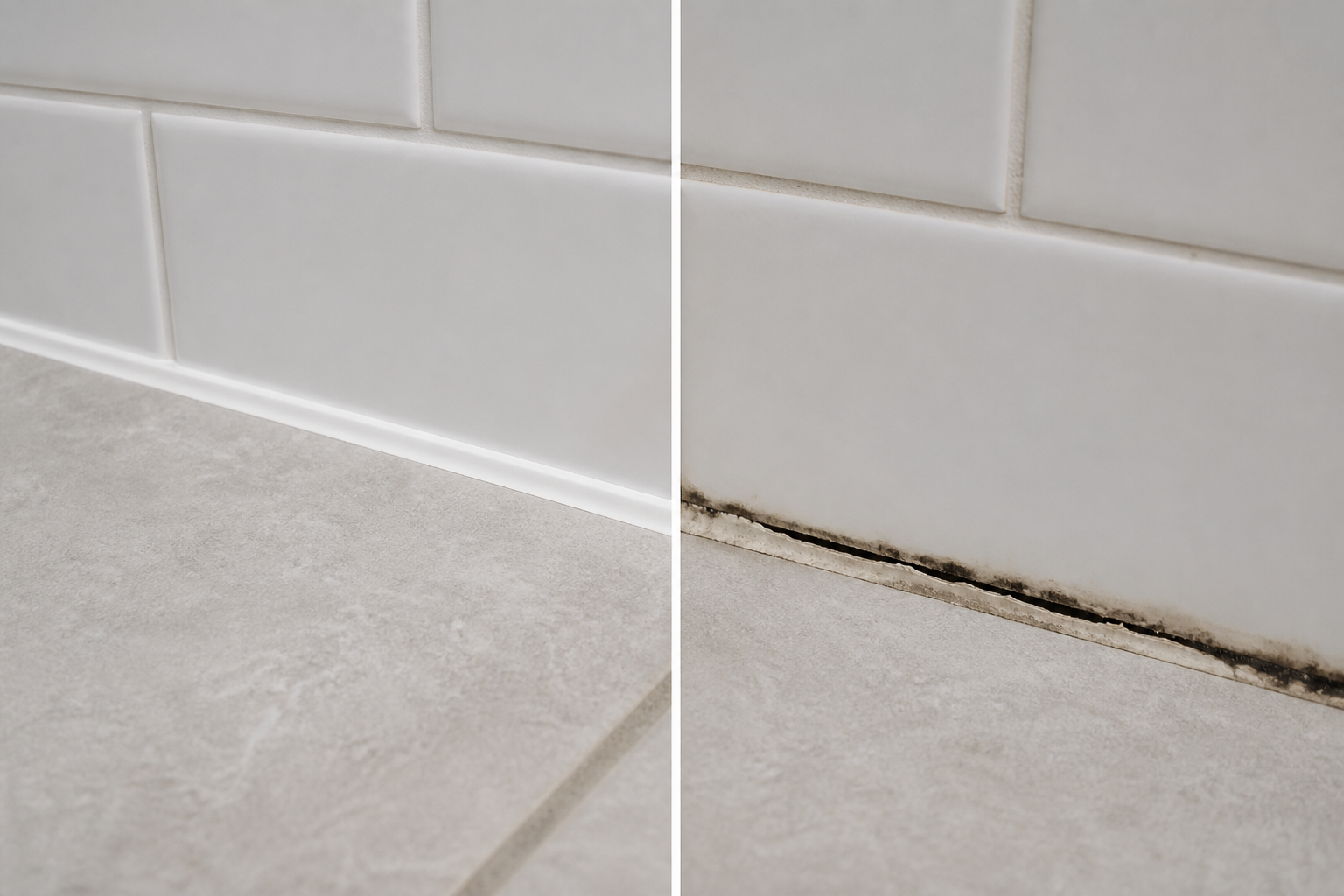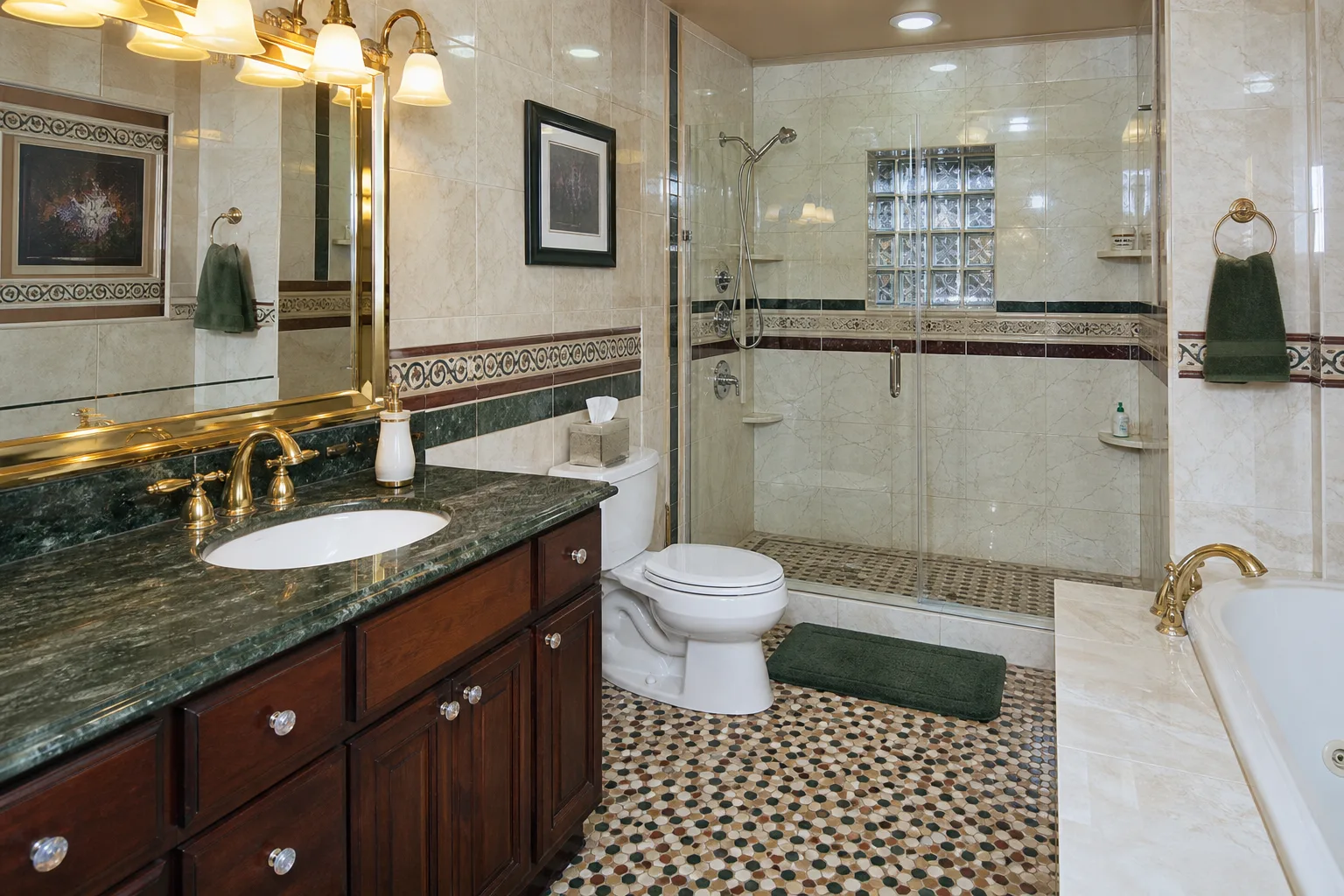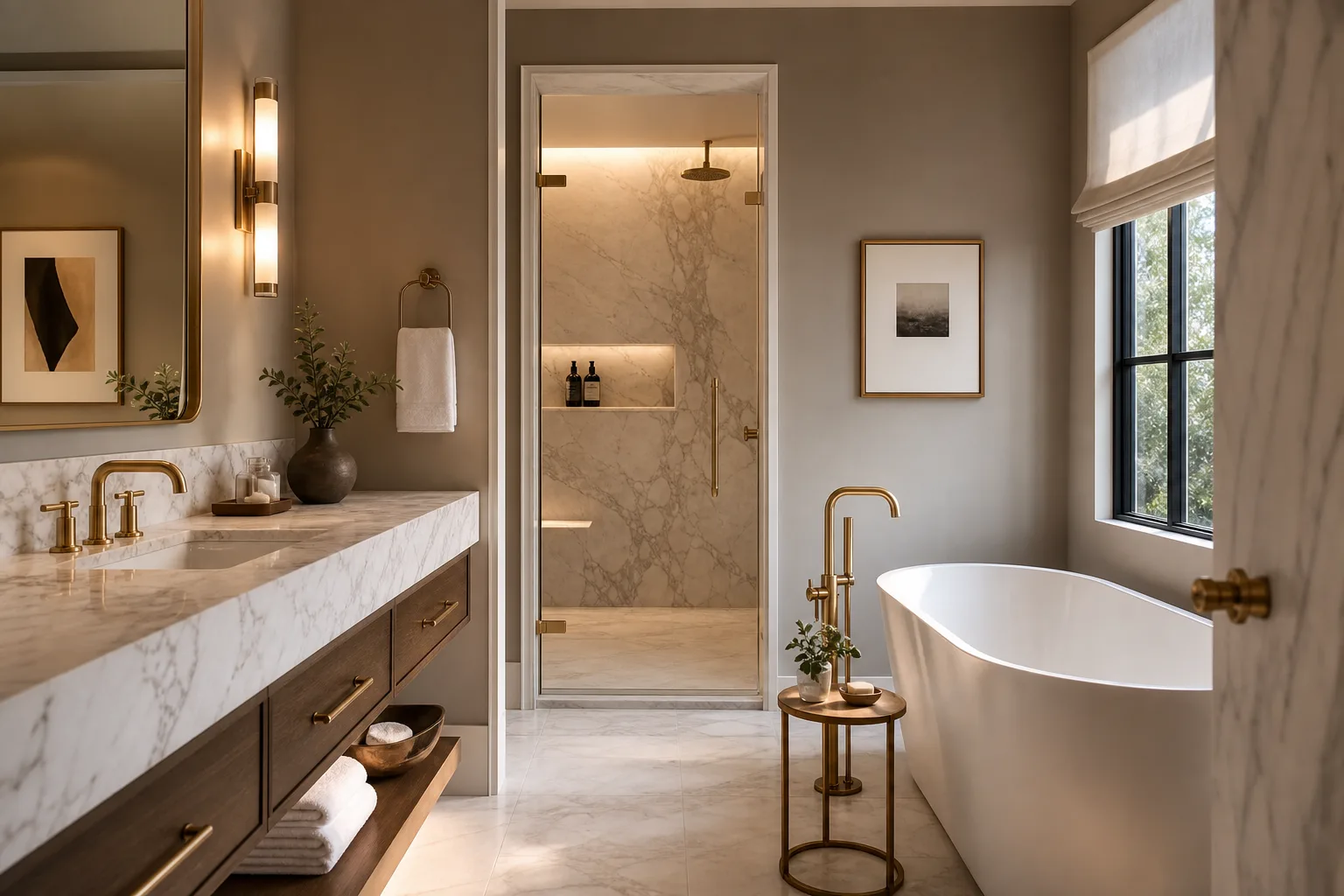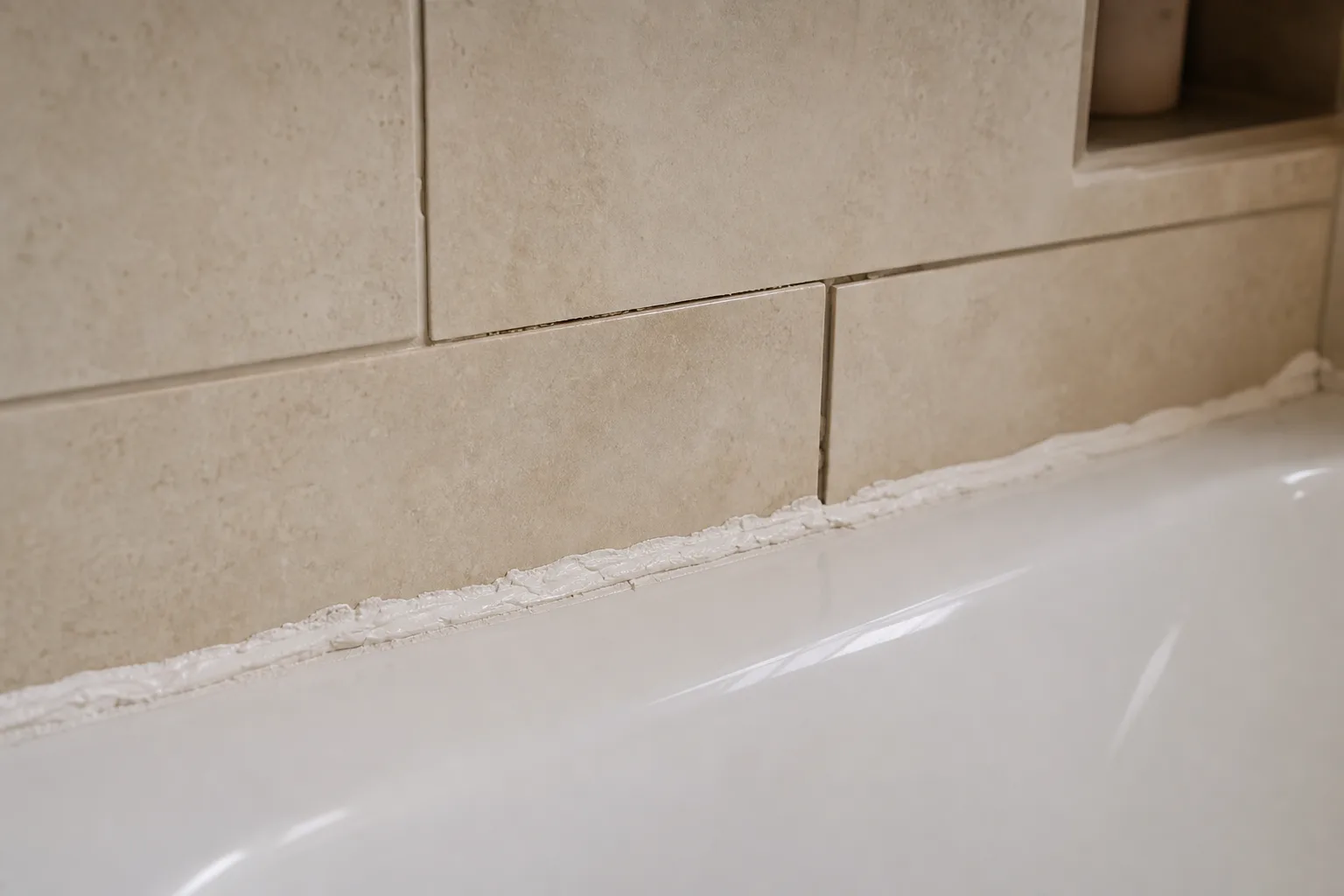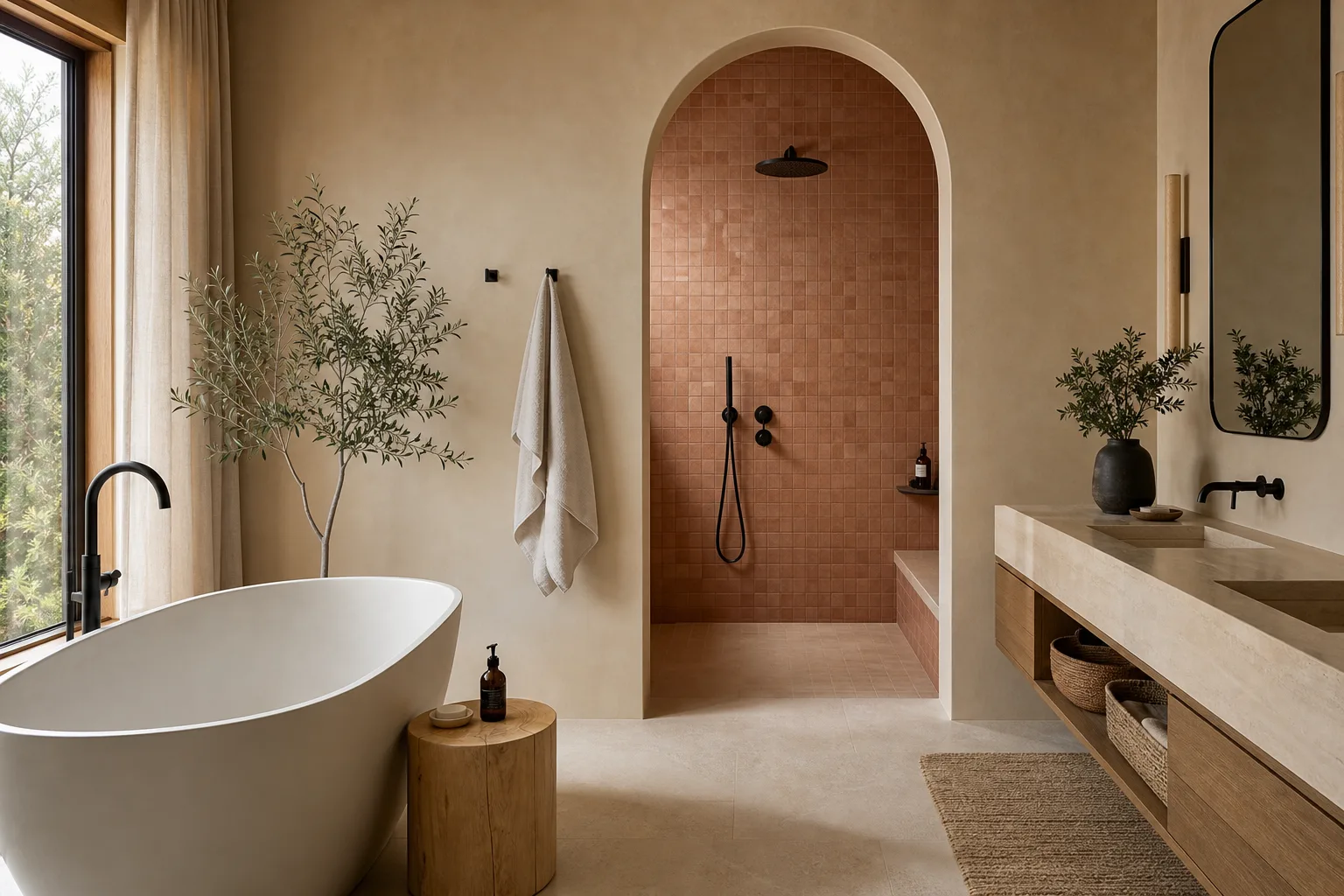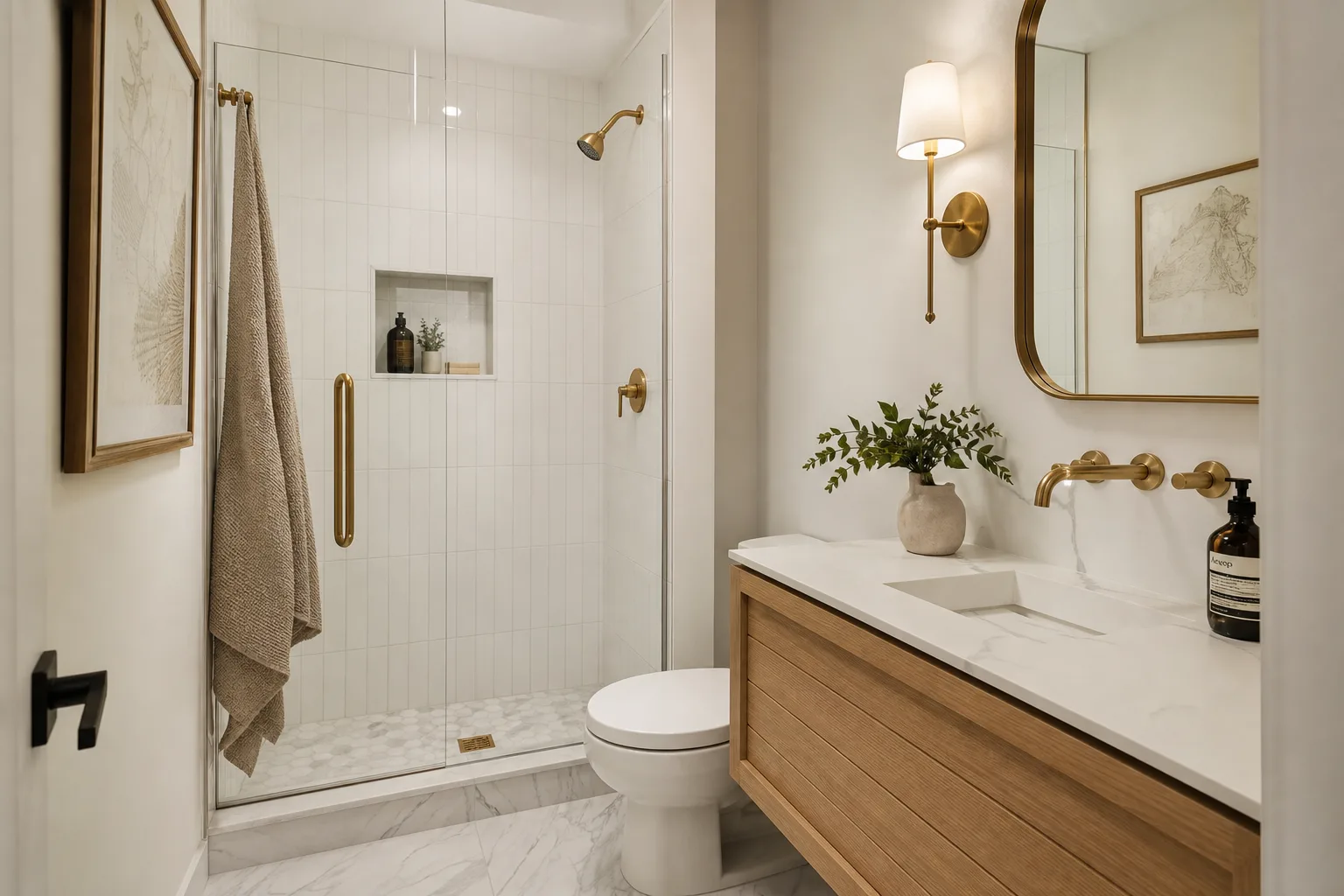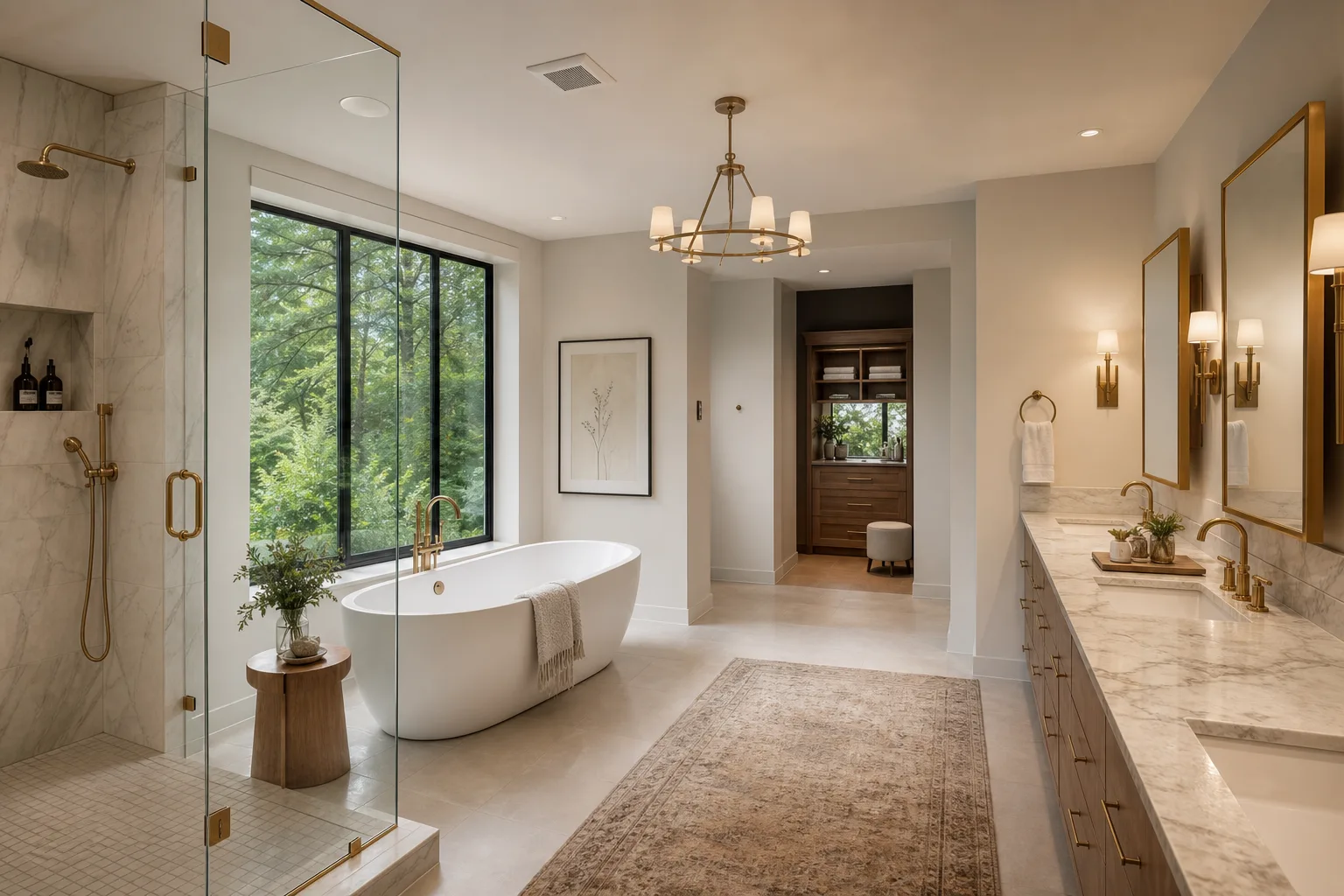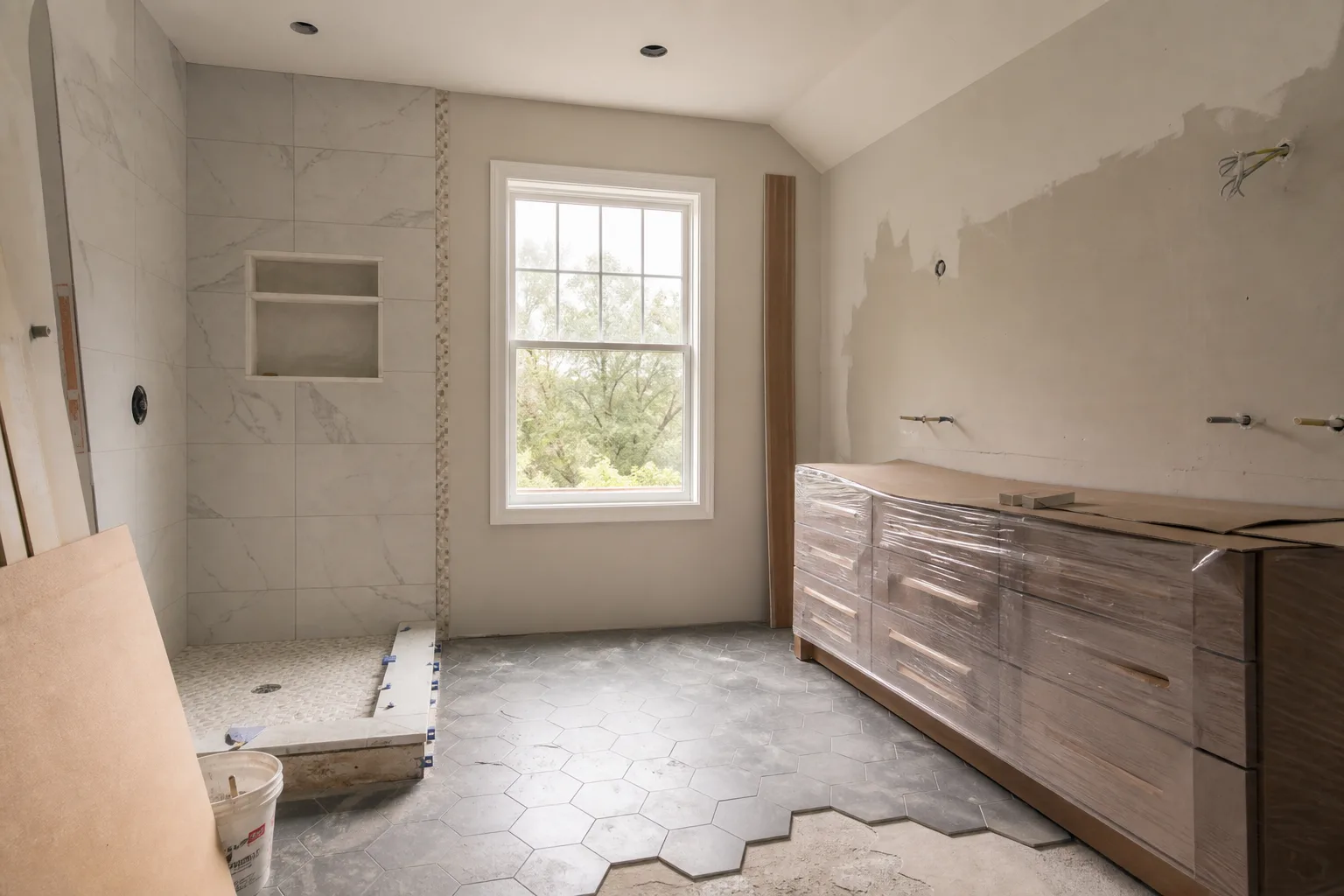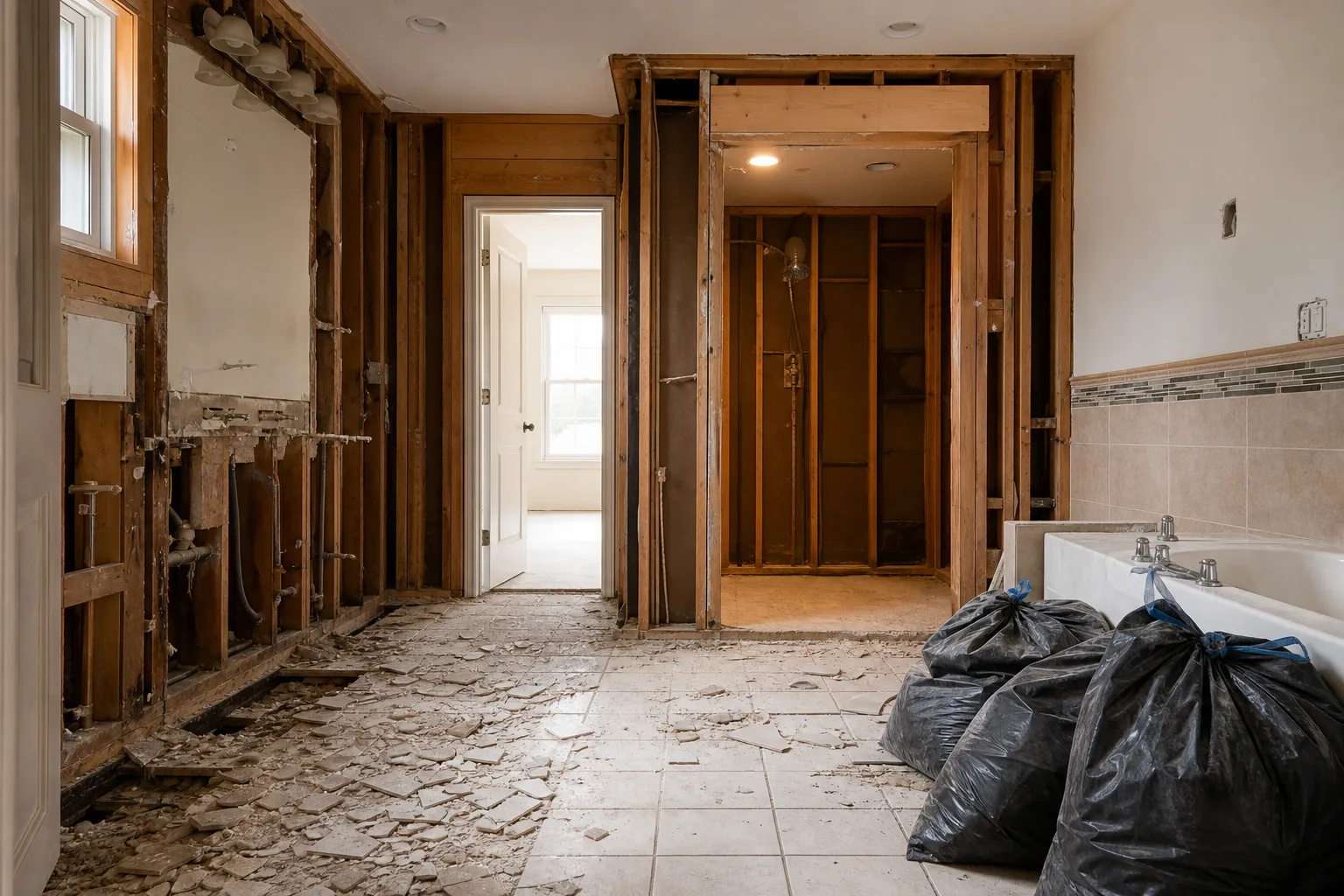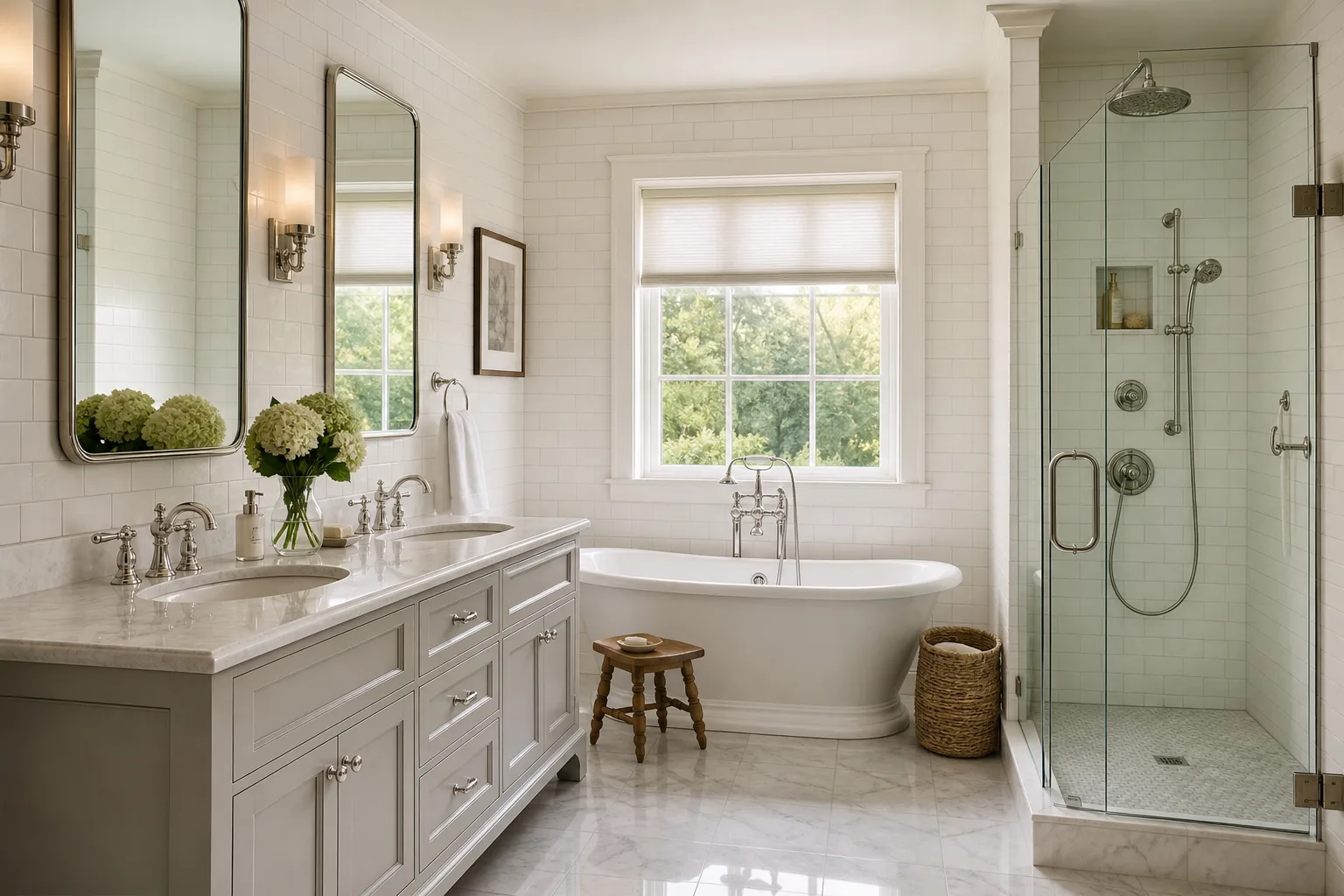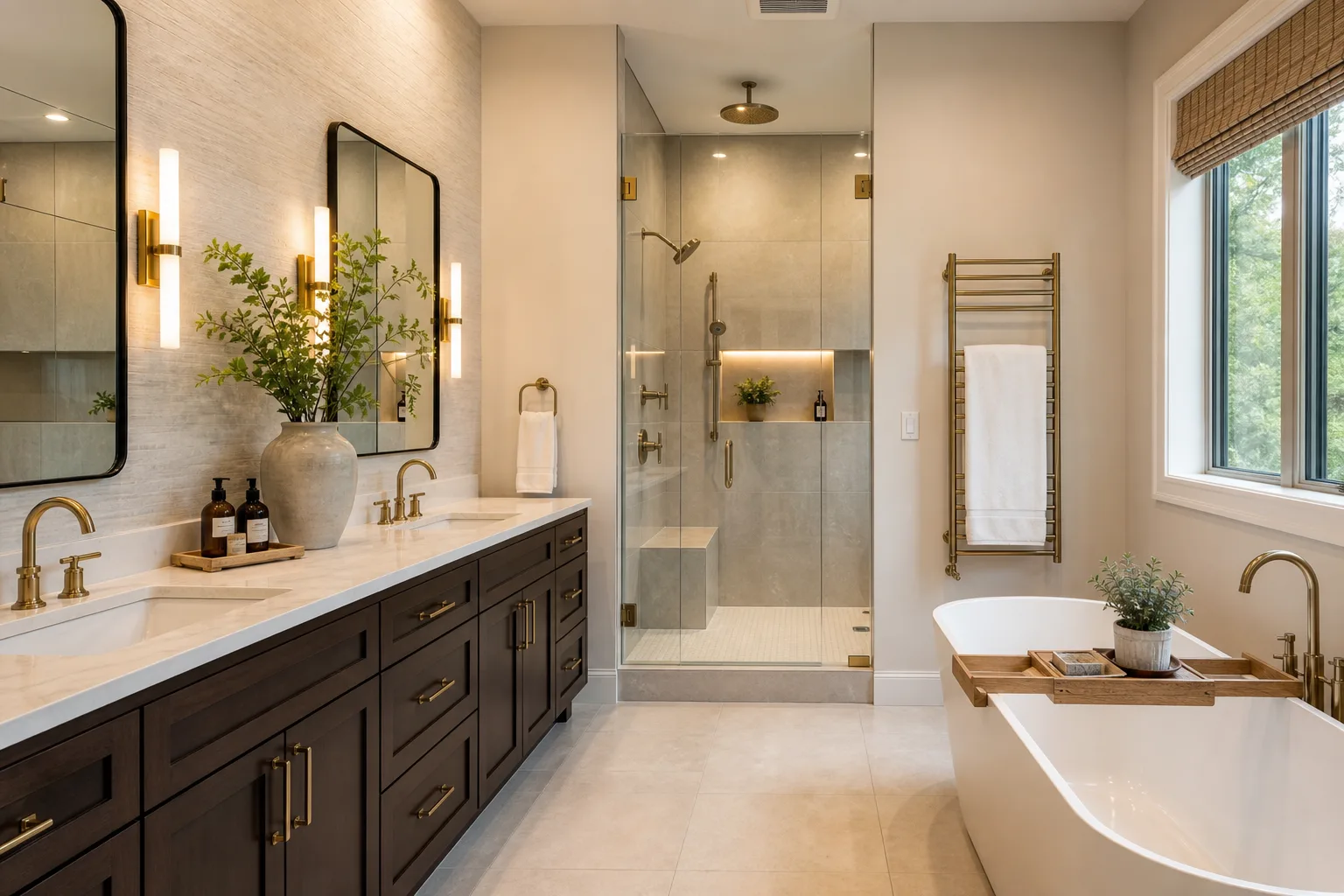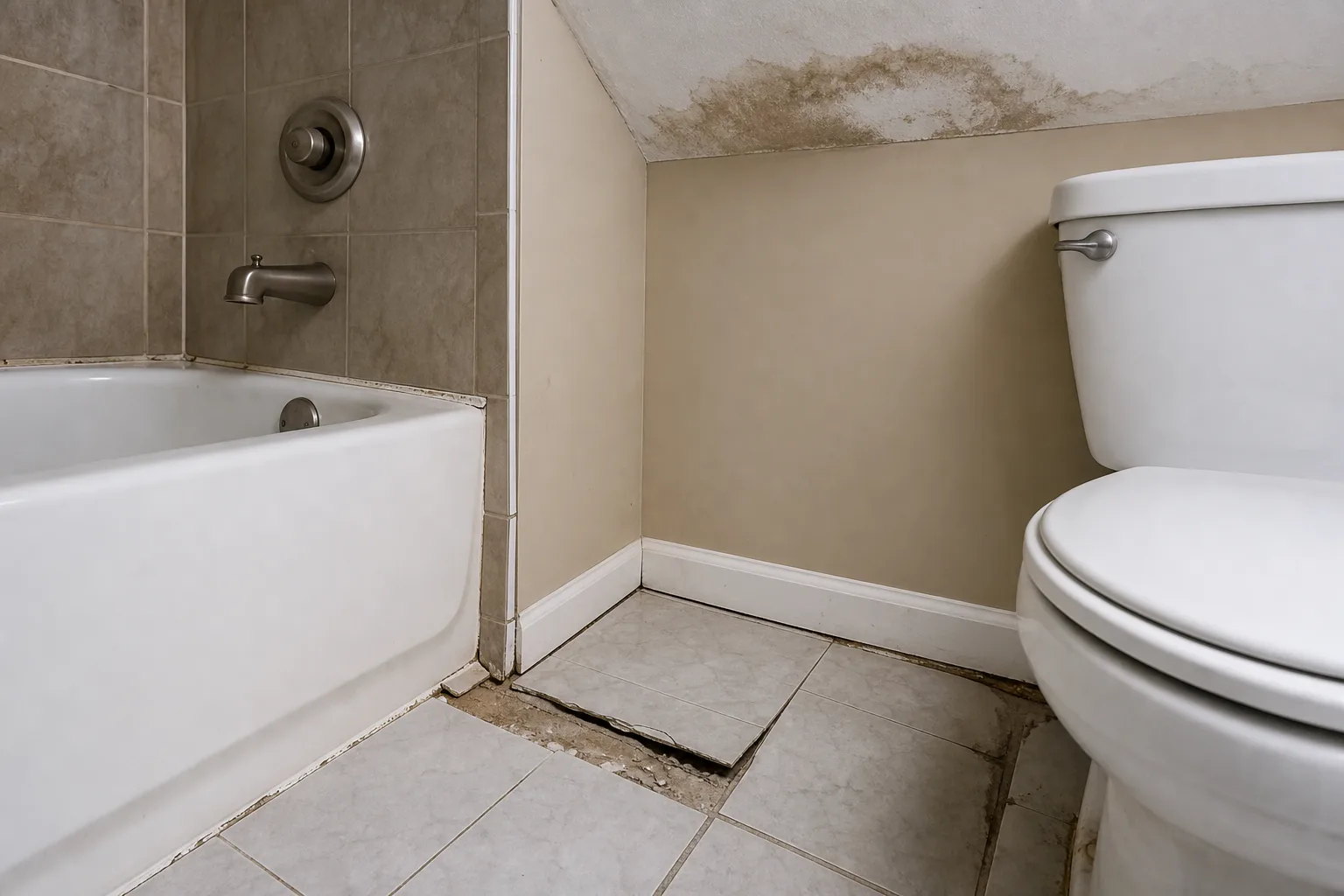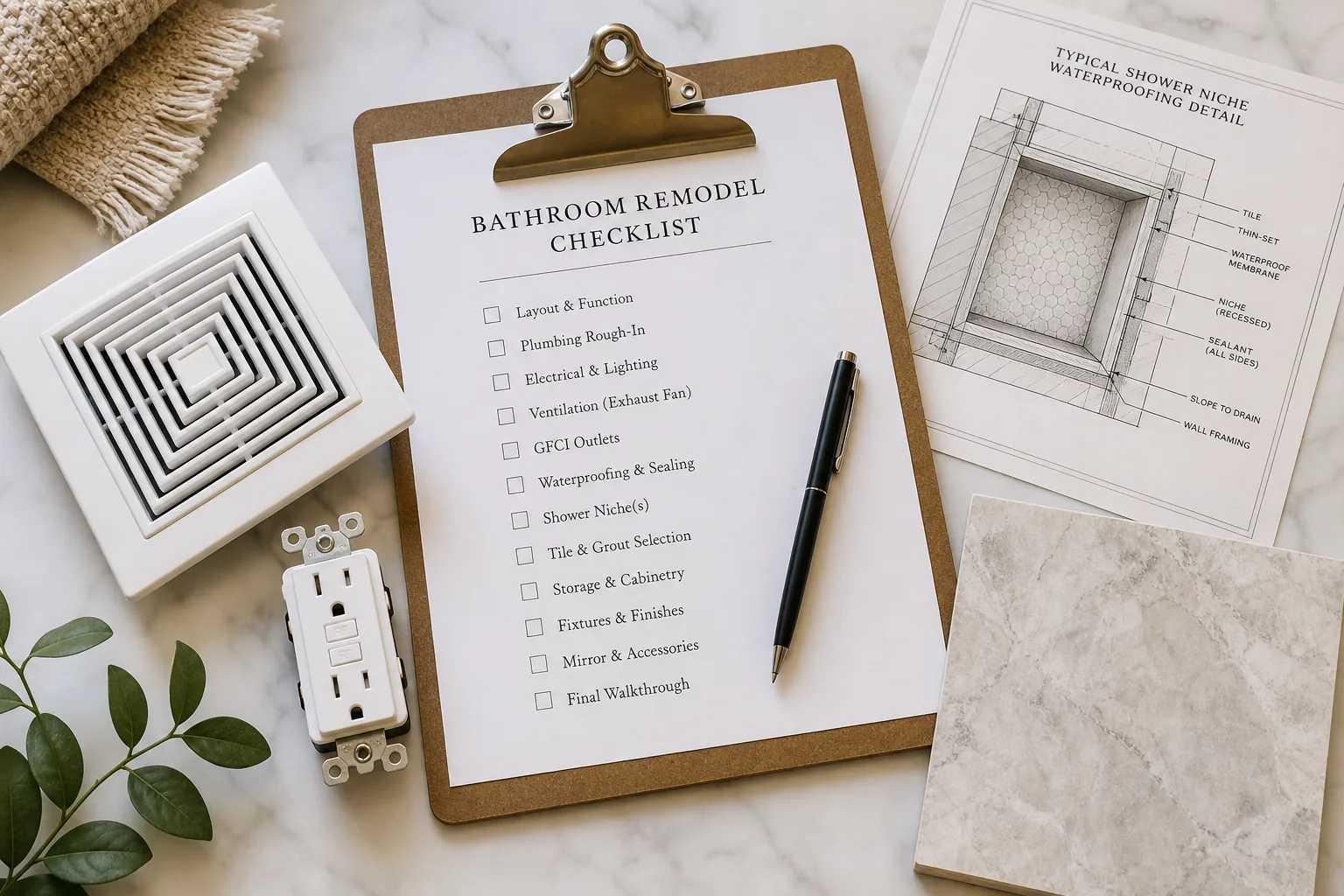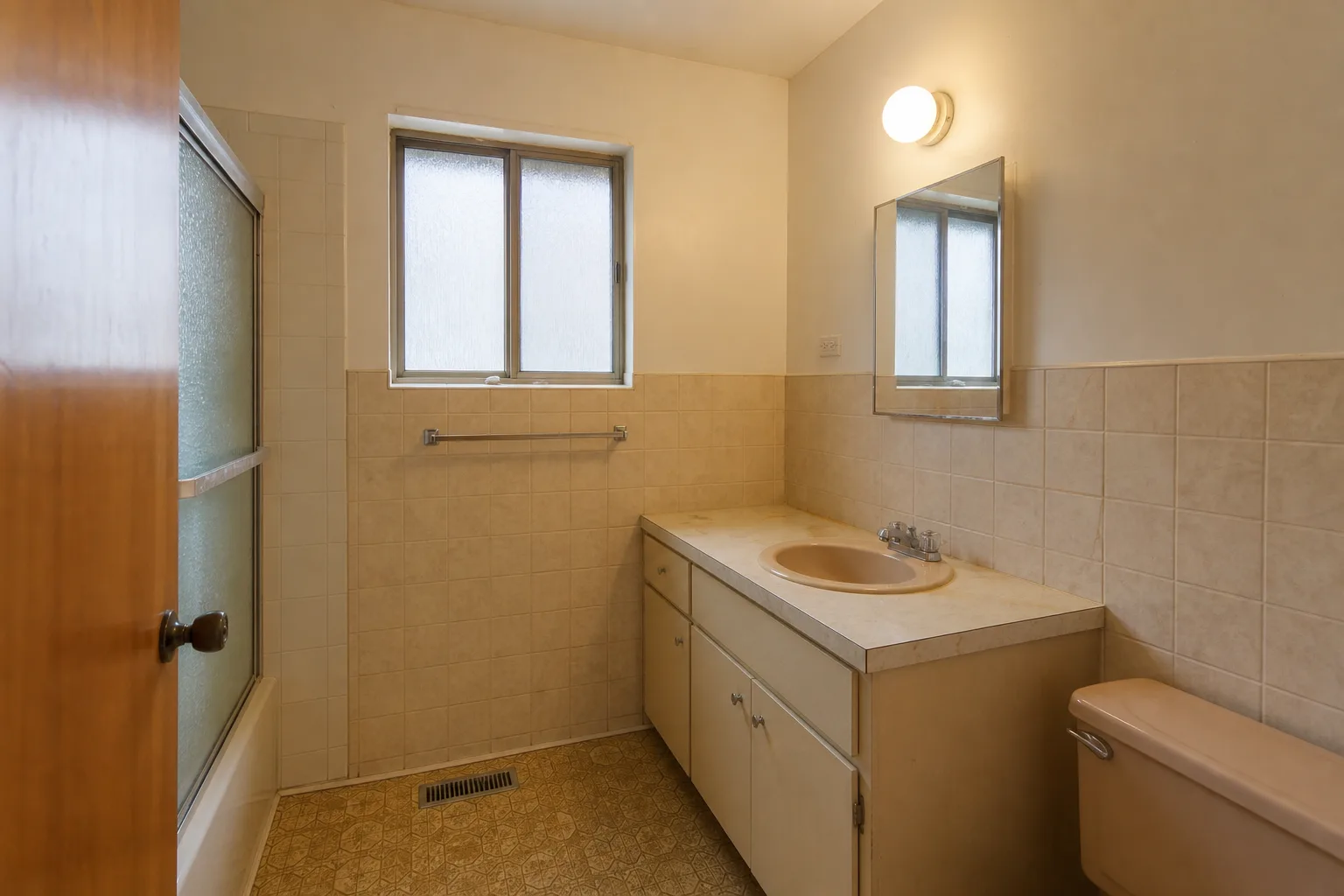
A bathroom that feels dated is usually not dirty, broken, or dysfunctional. It is a room that keeps announcing the year it was renovated. The announcement is not loud; it is a collection of small signals that accumulate into a feeling the room belongs to a different decade, even if you cannot name the specific source. One version of this feeling is nostalgia. The other is the one most homeowners are trying to escape.
Understanding the mechanism of visual aging matters more than knowing which specific finishes to avoid. Finishes change. The mechanism does not. Once you understand what makes a bathroom read as dated, you can evaluate new choices not by whether they feel current, but by whether they contain the conditions that produce that feeling again in ten years.
What "Dated" Is Actually Perceiving
When a room feels dated, it is not usually because any single element is wrong. It is because the room's design signals accumulate around a recognizable set of cultural references from a specific period. These signals appear in repeated patterns: the same finish on every piece of hardware, the same tile proportion everywhere, the same color logic applied throughout. When those patterns are read together, they triangulate to a moment in time.
The reason this matters for planning a renovation is that the response to a dated room is almost always cosmetic: replace the floor, update the hardware, change the vanity. These updates sometimes work. More often, they produce a room with a new surface and the same underlying structure, and the room continues to feel slightly off even after significant investment.
The correct response to a dated bathroom is to understand what created the dating signal in the first place, and to address that rather than redecorating on top of it. In most cases, the source is one of three things: fixture and finish choices driven by a trend at the time of installation; a lighting arrangement that produces a visual quality associated with a past era; or a layout and proportion that was standard in one decade but has since been superseded.
The Three Main Sources of Visual Aging
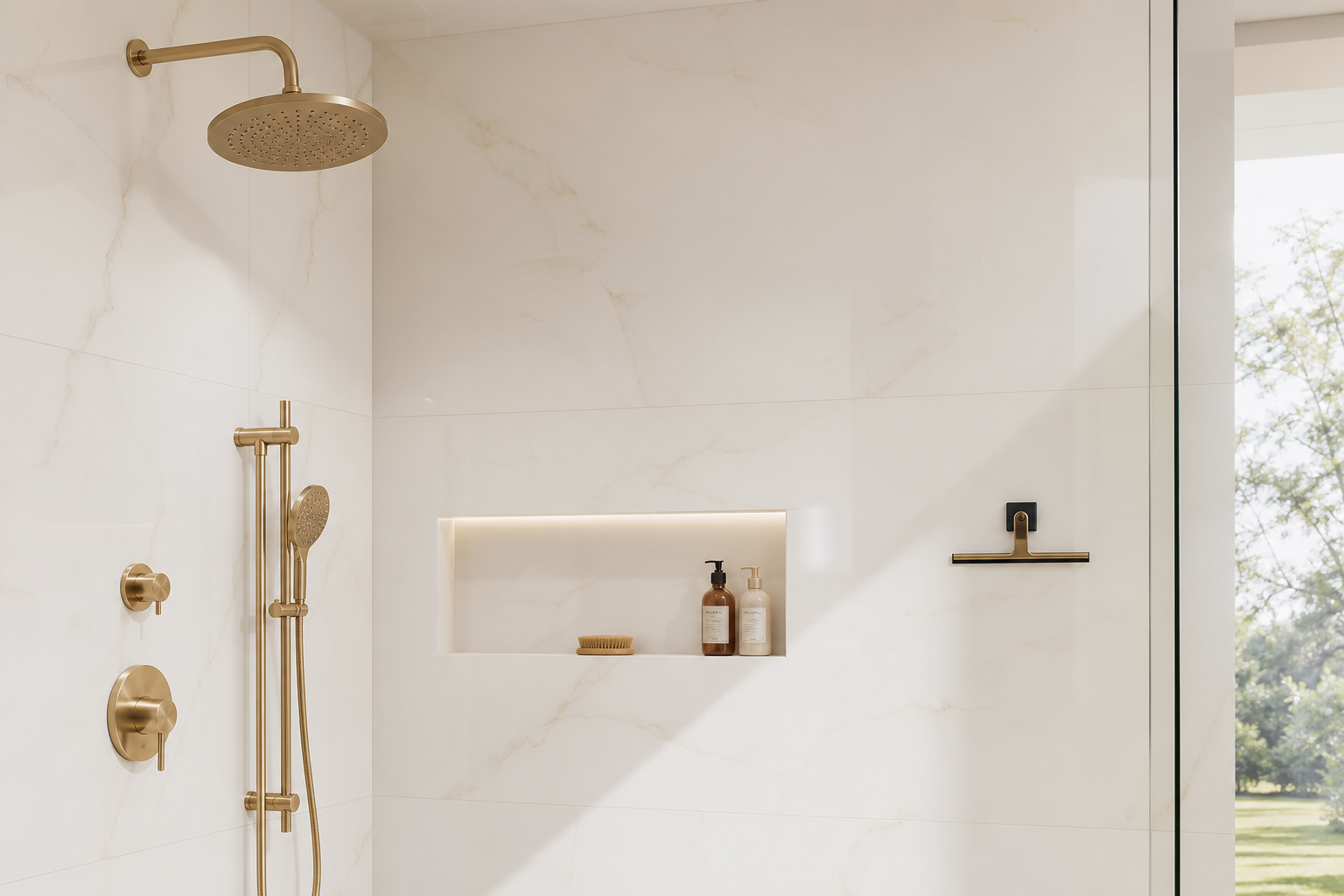
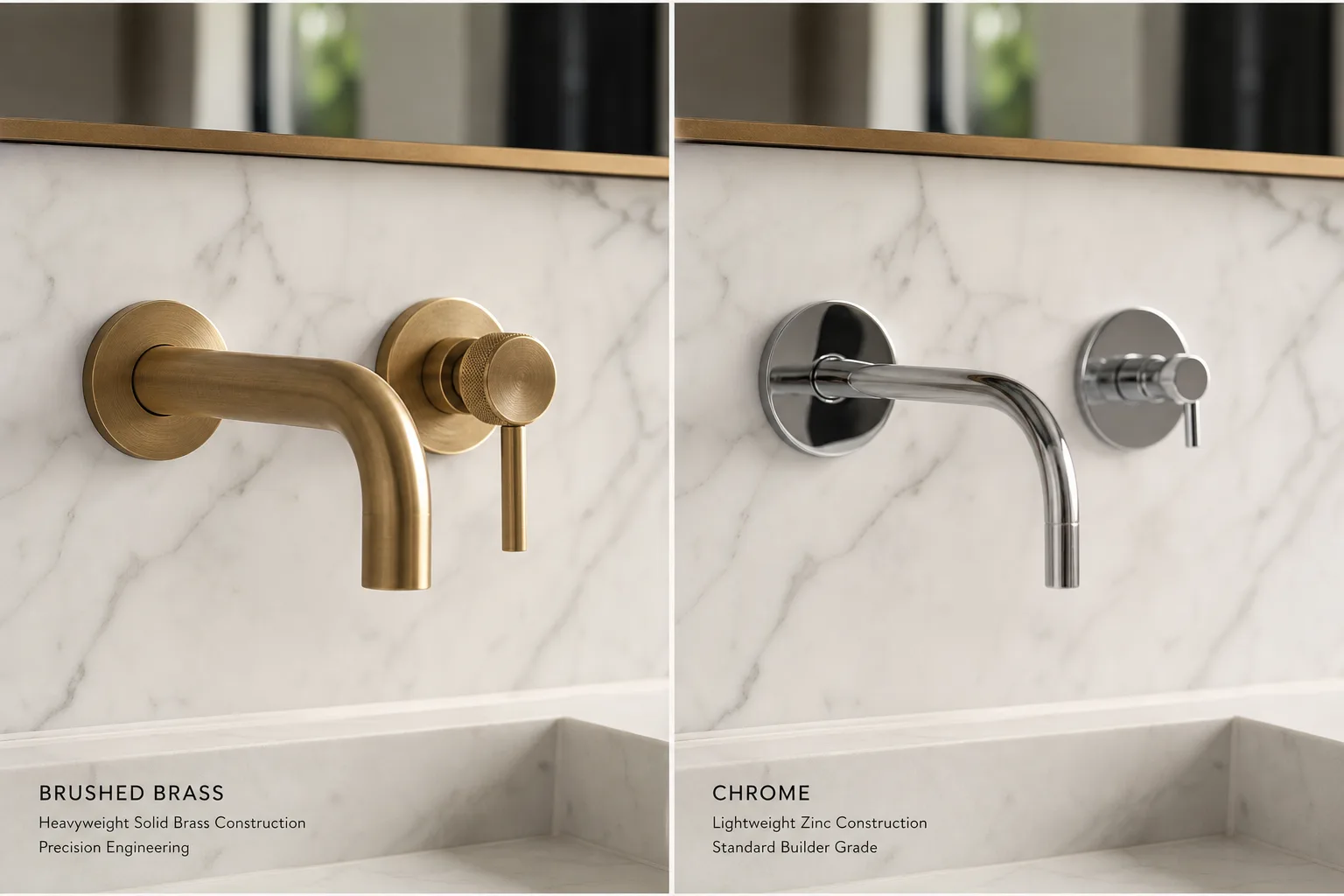
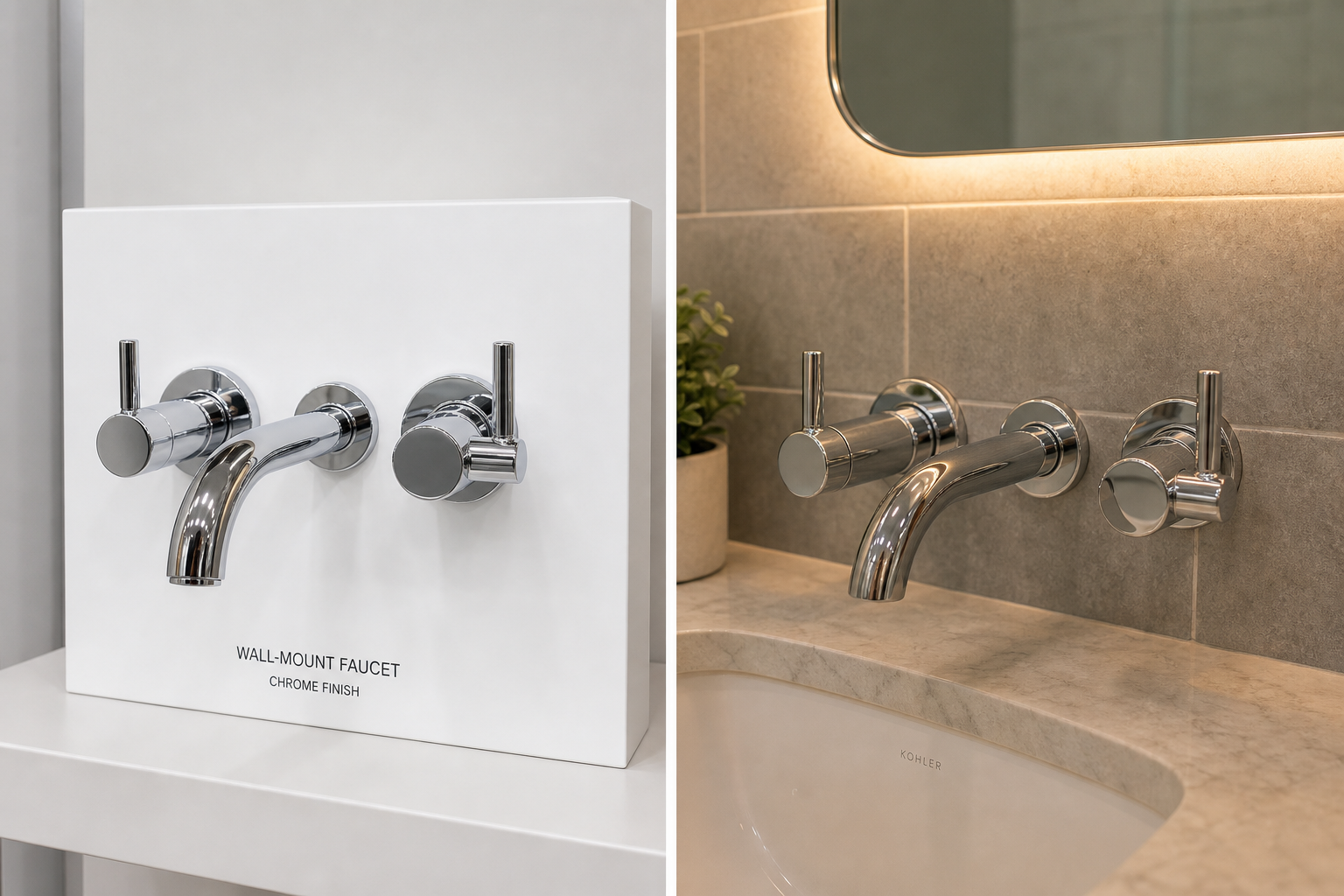
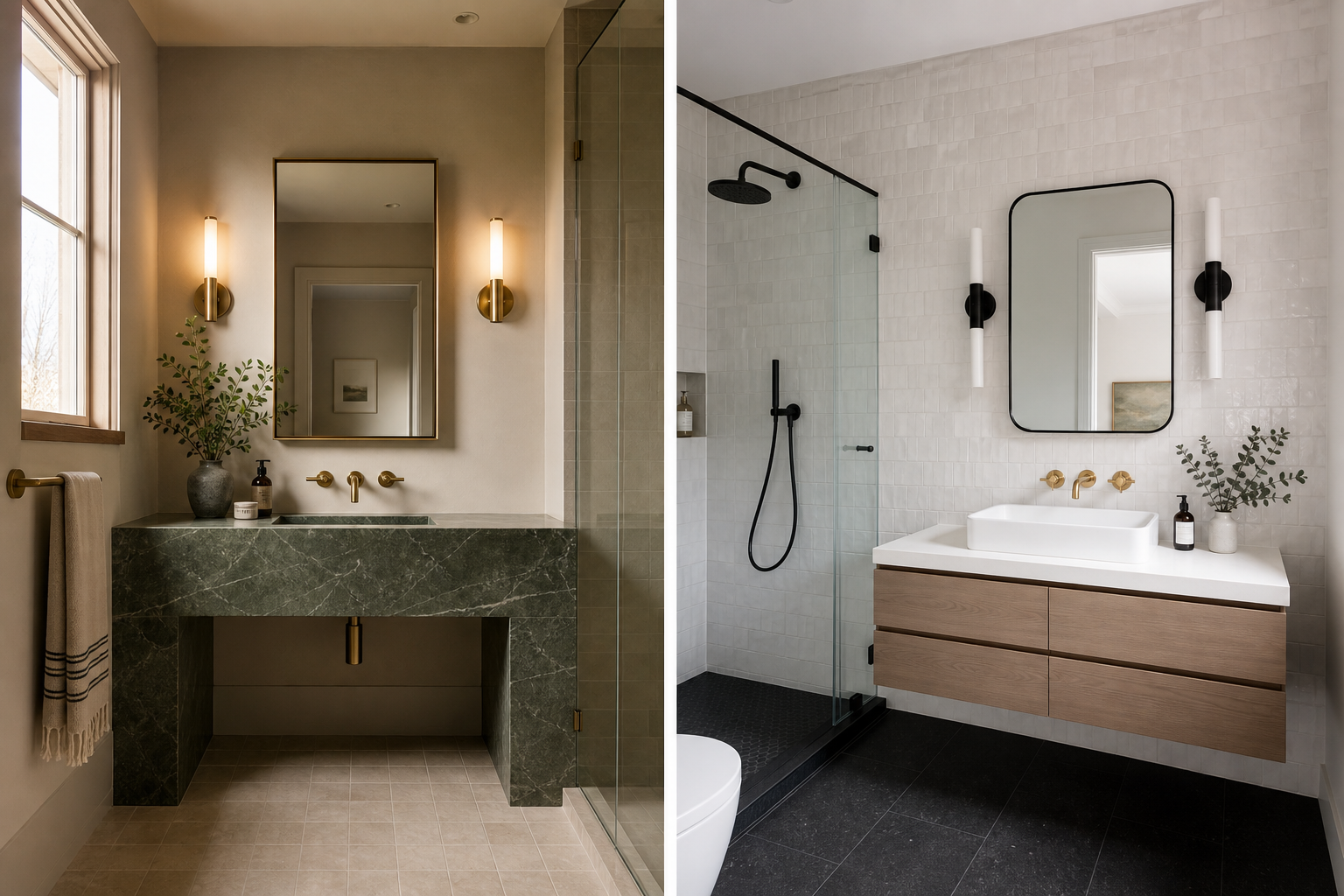
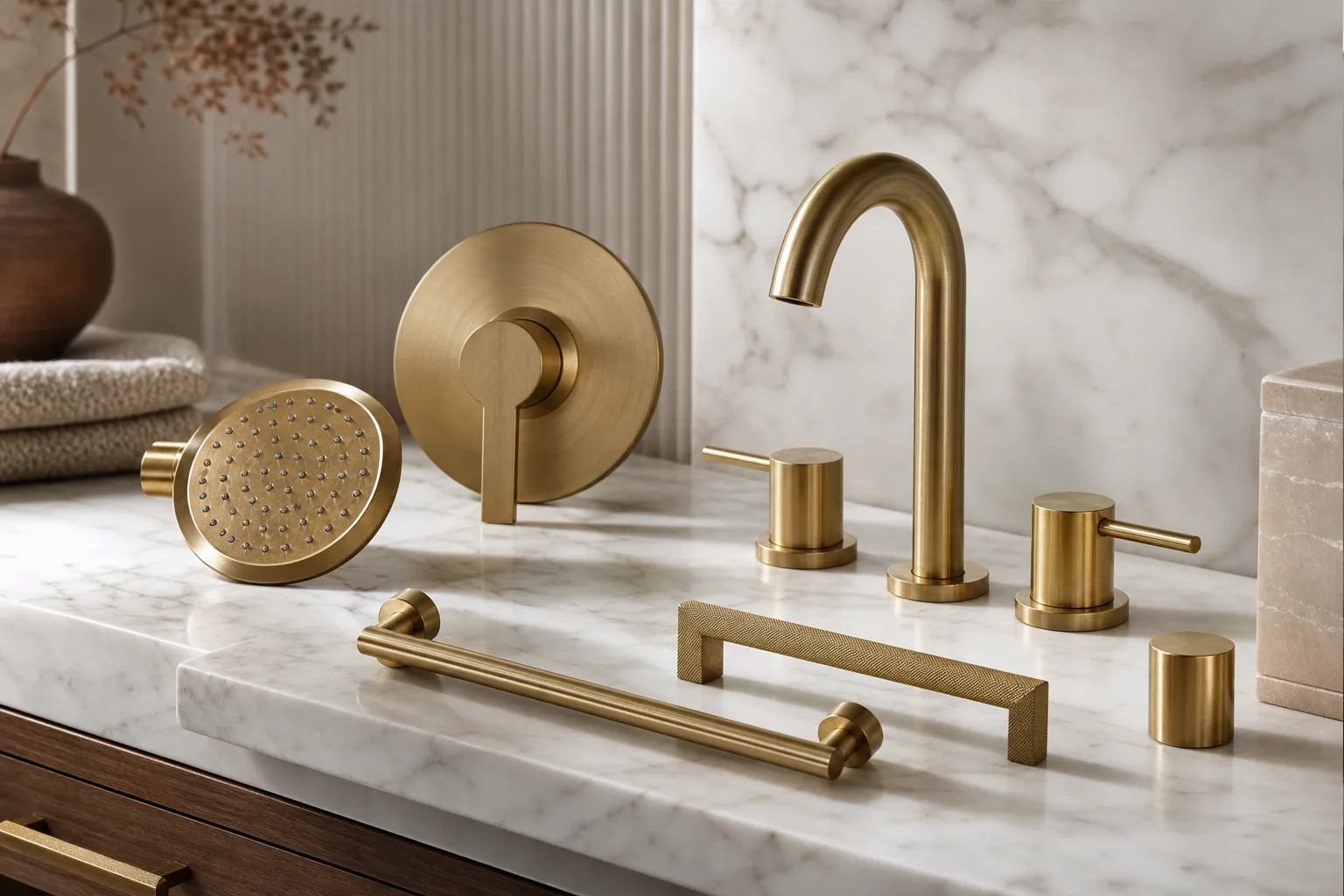
Finish choices that peaked and faded. The clearest version of this is a finish that was distinctive when it was installed and has since appeared in enough homes to become recognizable rather than fresh. Glossy brass in the 1980s. Oil-rubbed bronze in the early 2000s. Flat, matte black in the mid-2010s. Each of these reads now as an indicator of its decade, not because the finish itself is wrong but because it was chosen for its novelty at a specific cultural moment, and novelty has a shelf life.
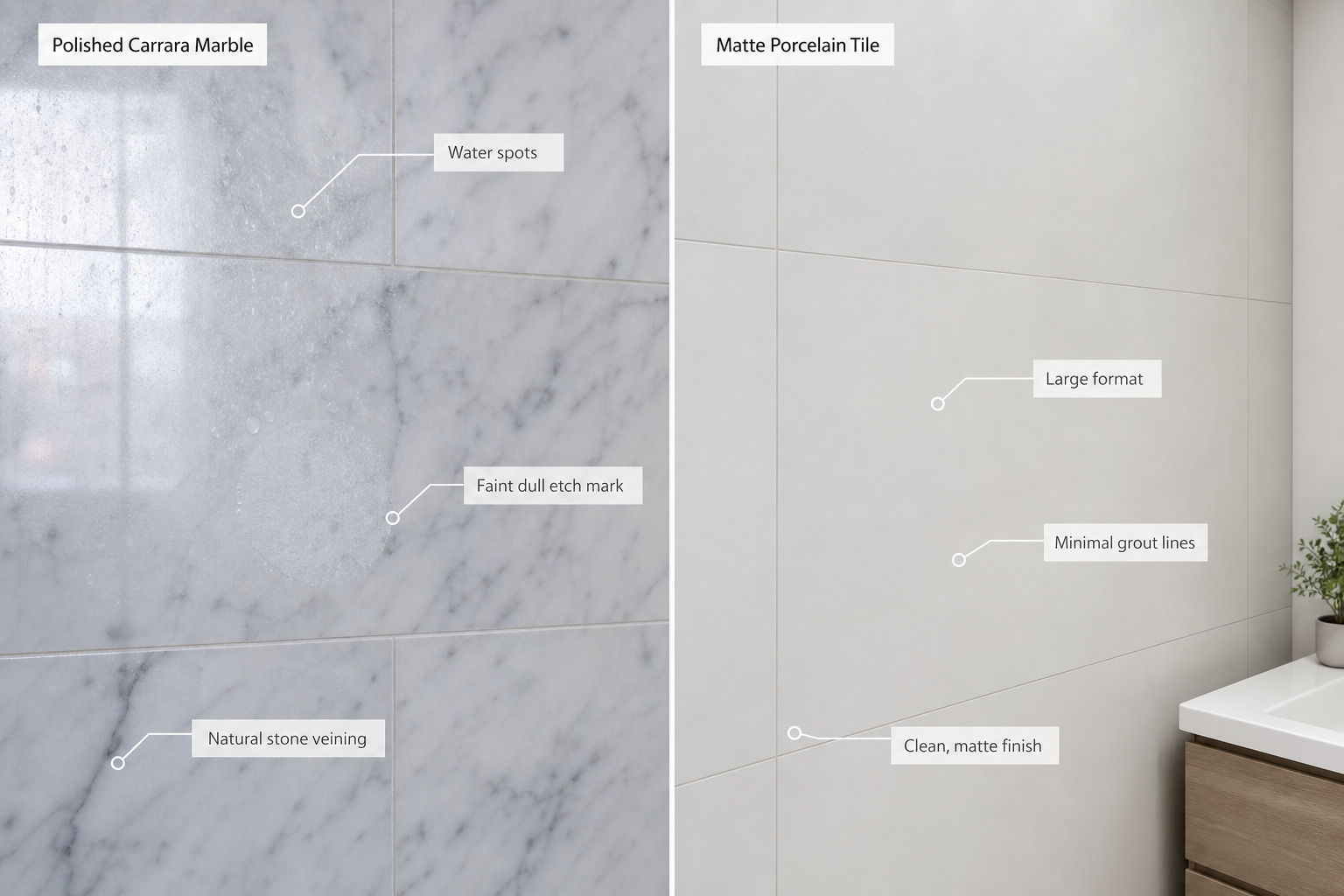
This is not an argument against distinctive finishes. It is an argument for understanding why you are choosing one. A finish chosen because it reduces water spots in a hard-water area has a functional justification that survives the style cycle. A finish chosen because it appears in every shelter magazine that year is at the beginning of a countdown.
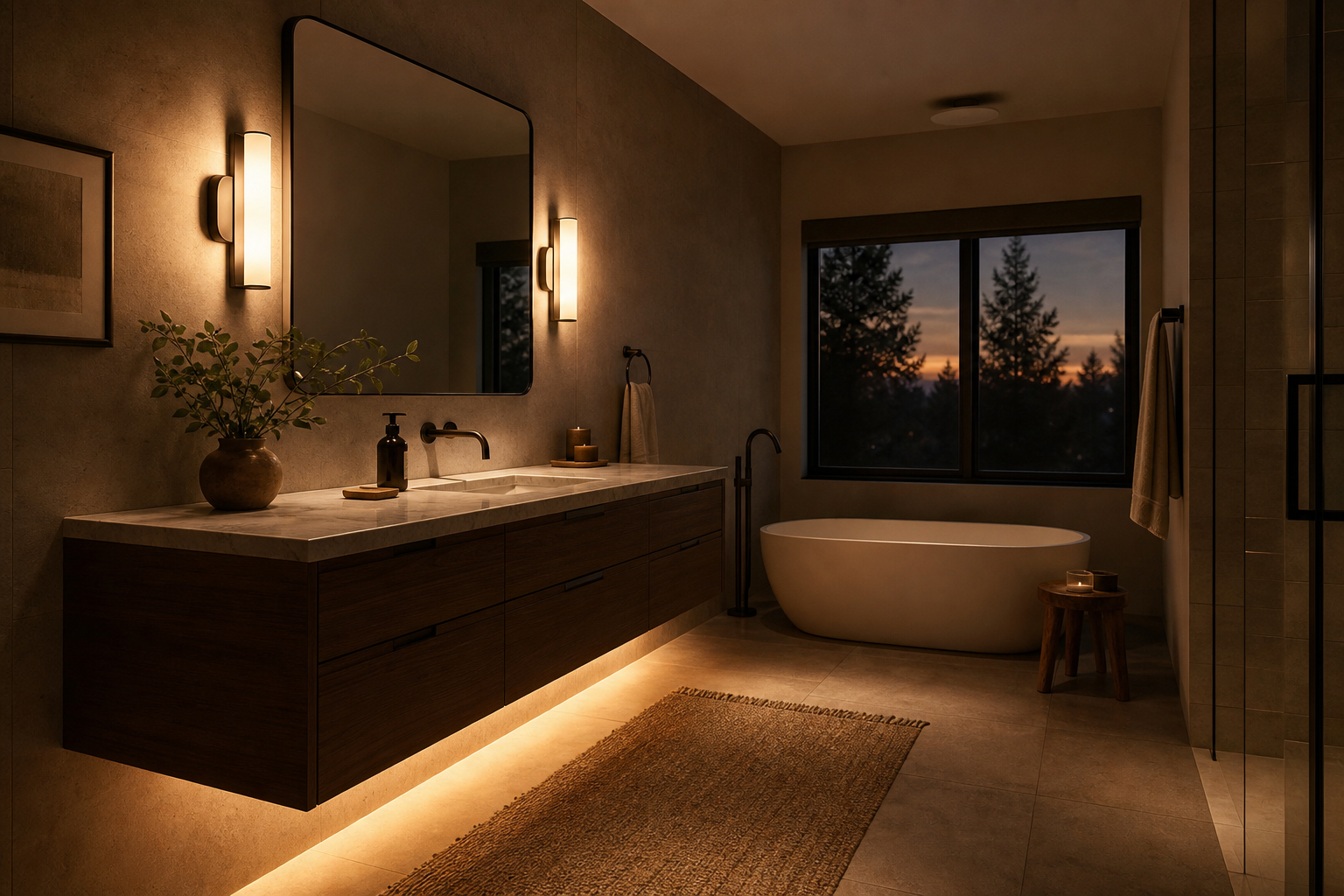
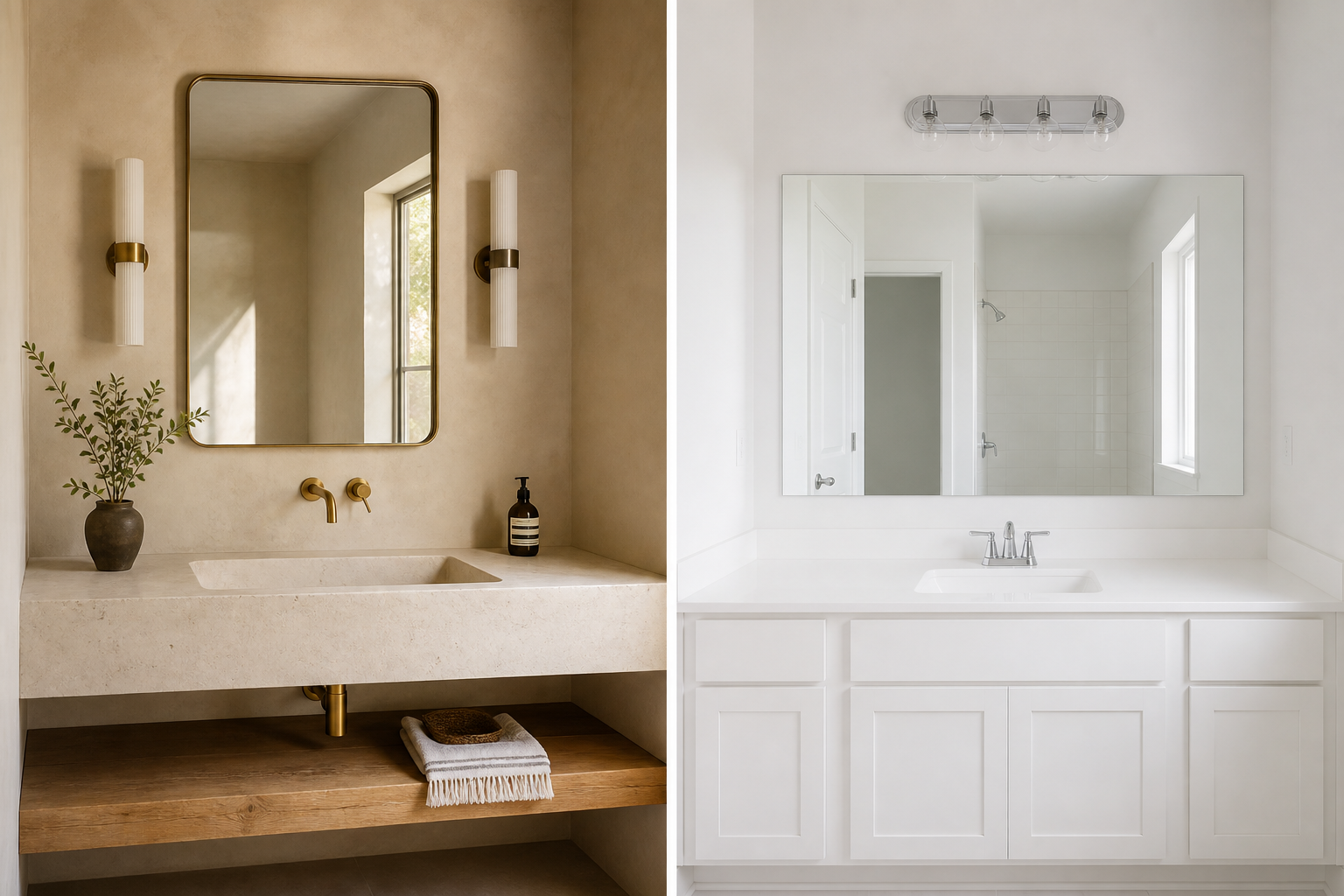
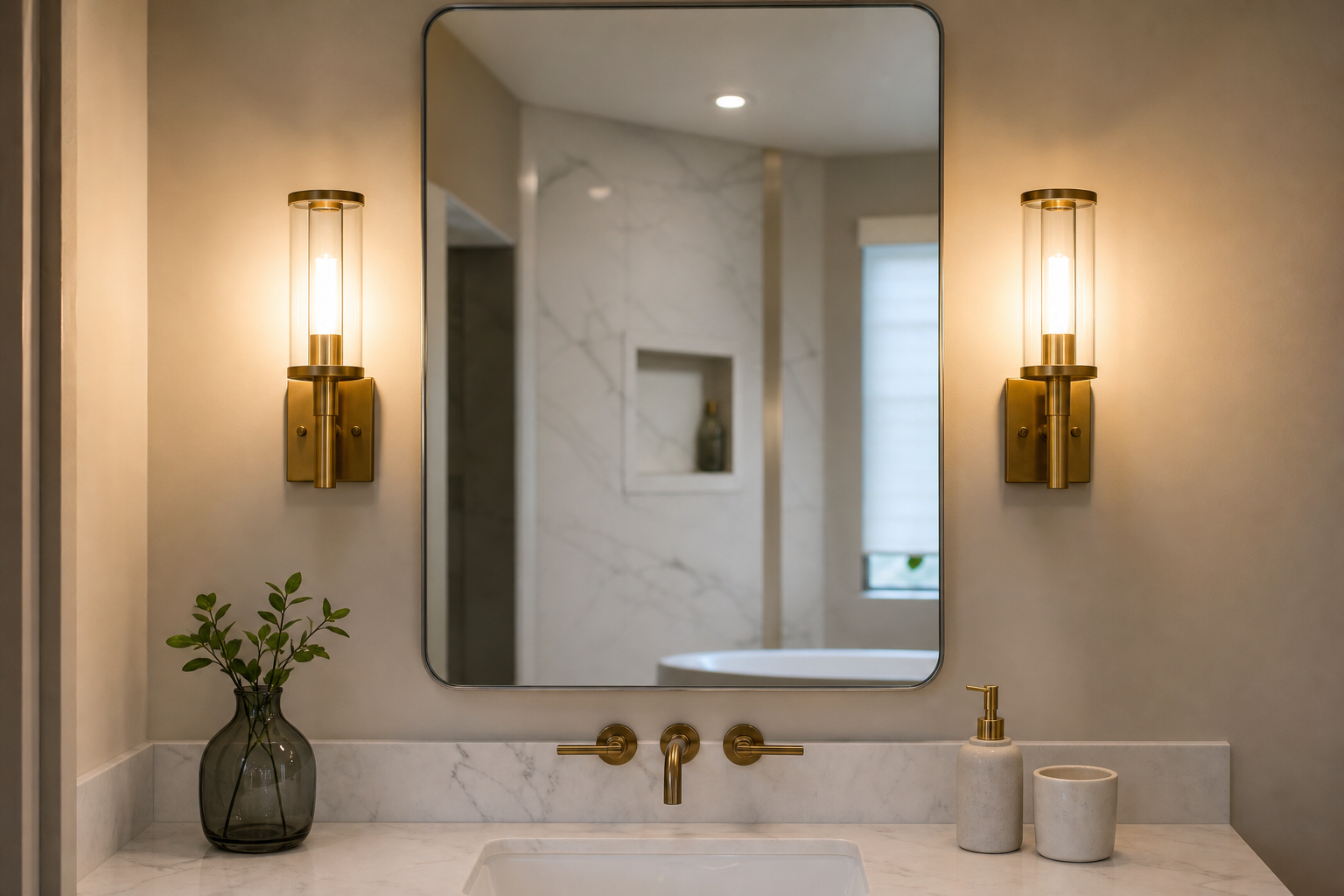
Lighting that reads as its decade. Single globe fixtures. Bathroom bars with exposed bulbs in an exposed-bulb era. Recessed lights arranged as a grid across the ceiling. Dramatic LED strip lighting in an LED-strip era. Lighting fixture styles are among the most identifiable time-markers in any interior because lighting was frequently used as a statement element rather than a functional one. A fixture chosen for its visual presence tends to become visually dated; a fixture chosen for what it does to a face, or how it behaves at different times of day, tends to recede into usefulness.
The more fundamental issue is the quality of light the room produces, not the style of the fixture producing it. A bathroom lit with a single overhead source looks dated partly because the aesthetic is old and partly because it makes people look bad, and both of those conditions reinforce each other.
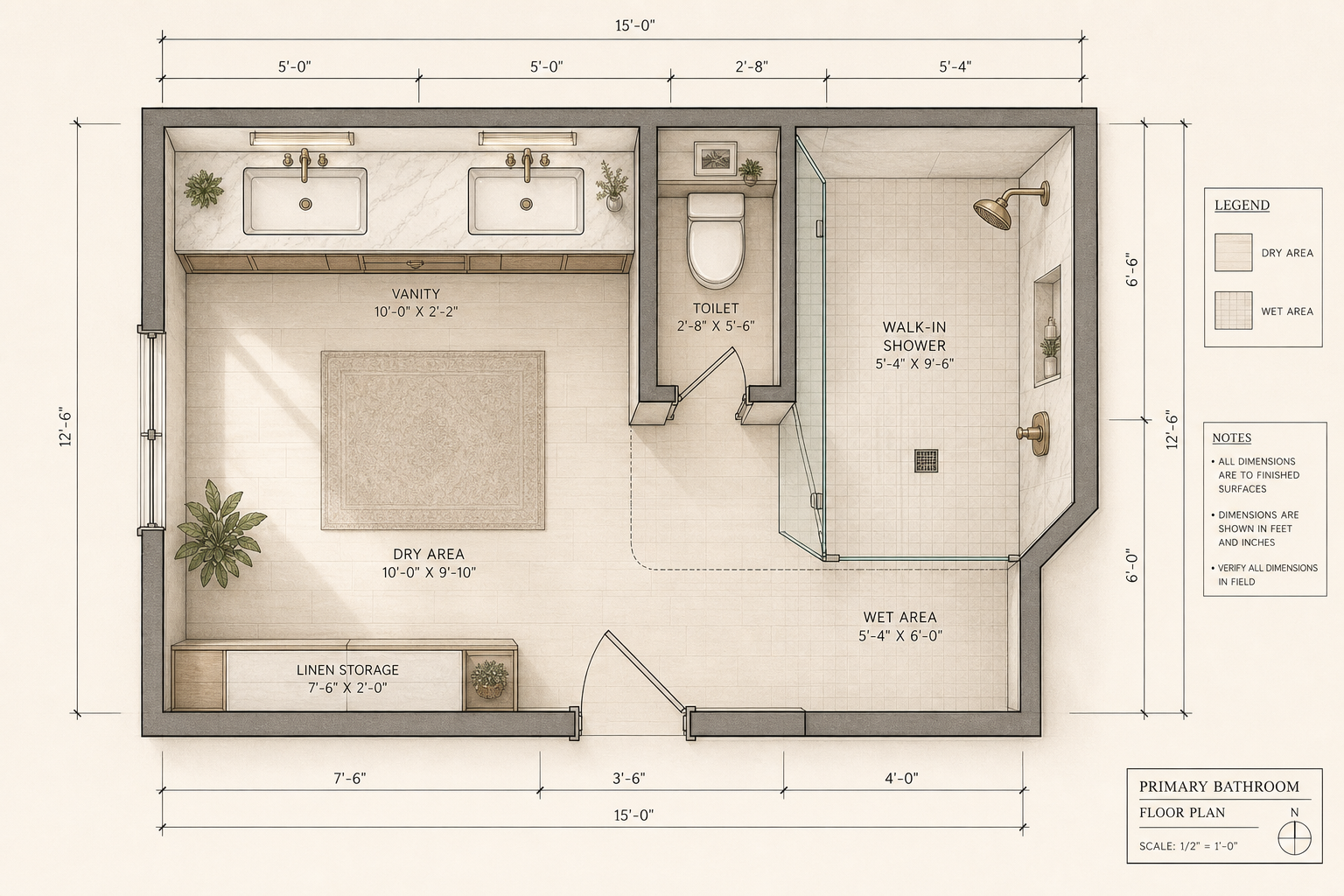
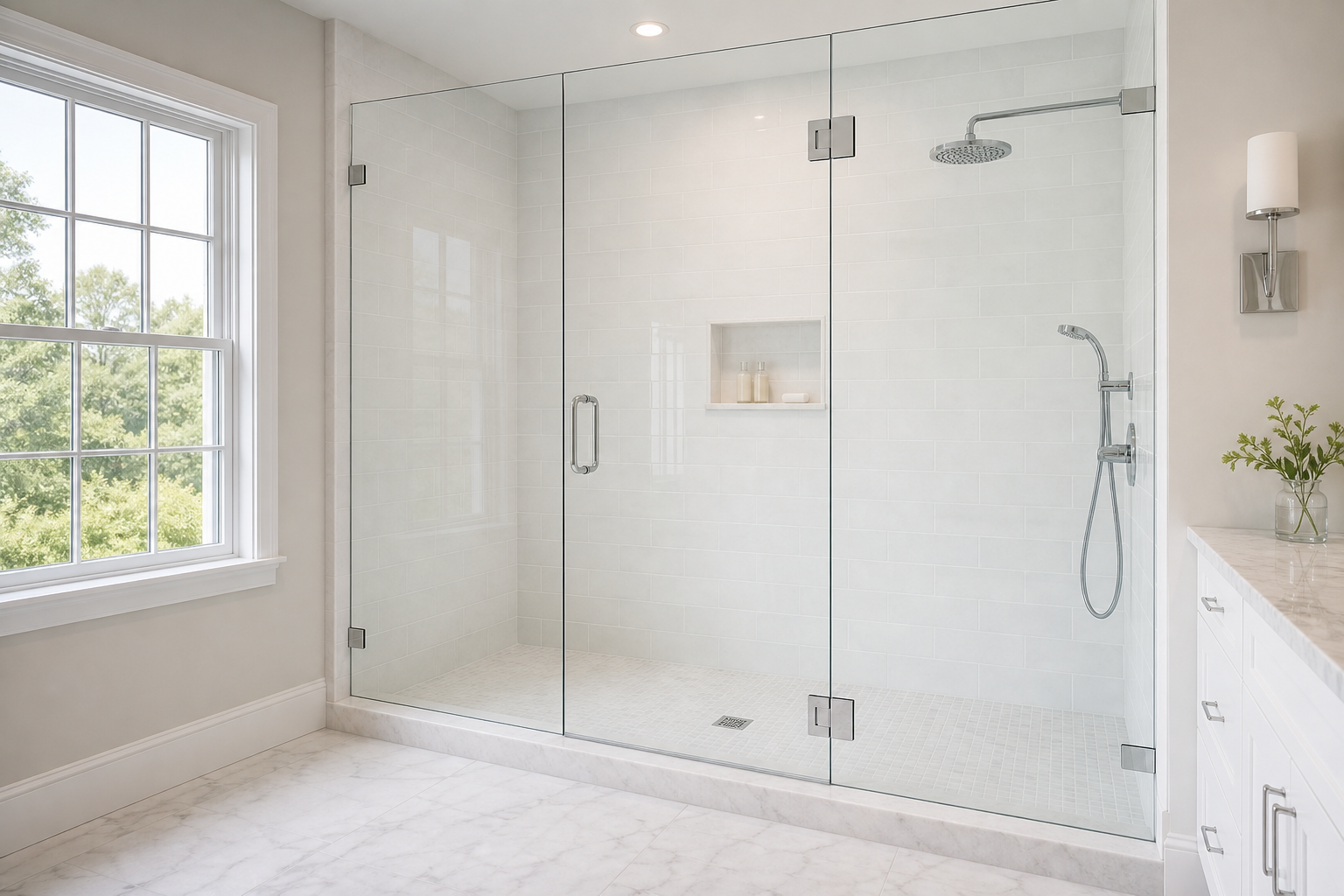
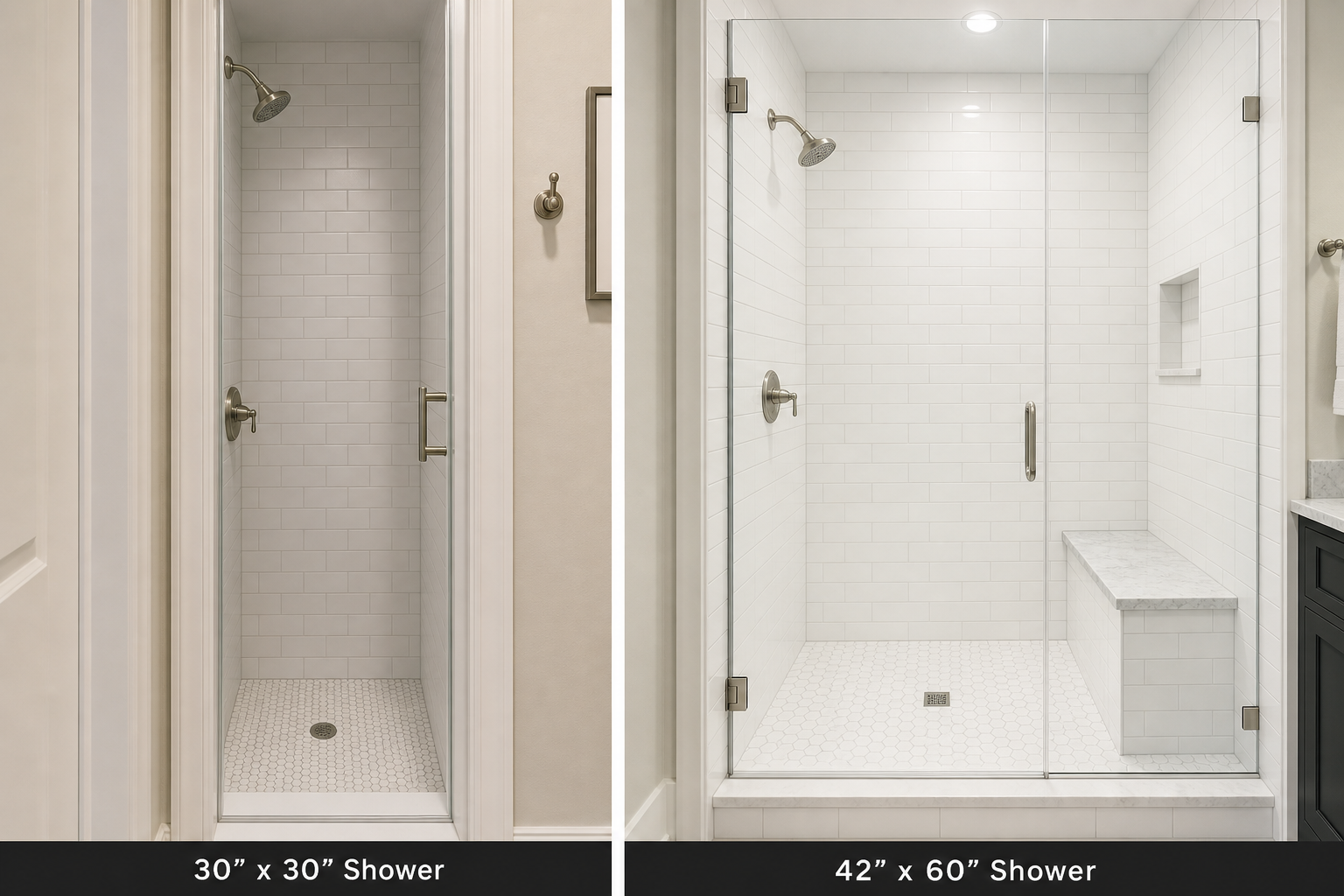
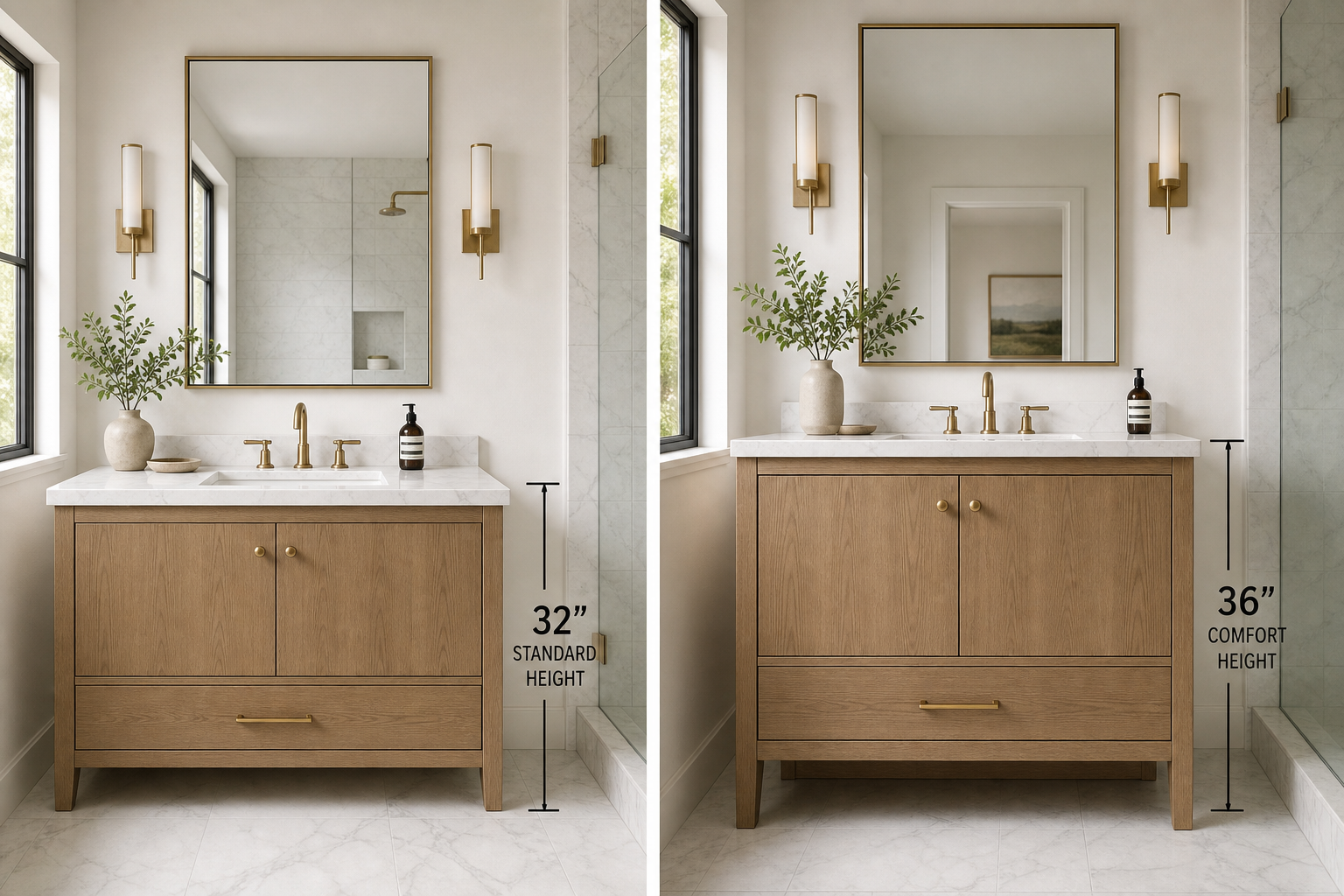
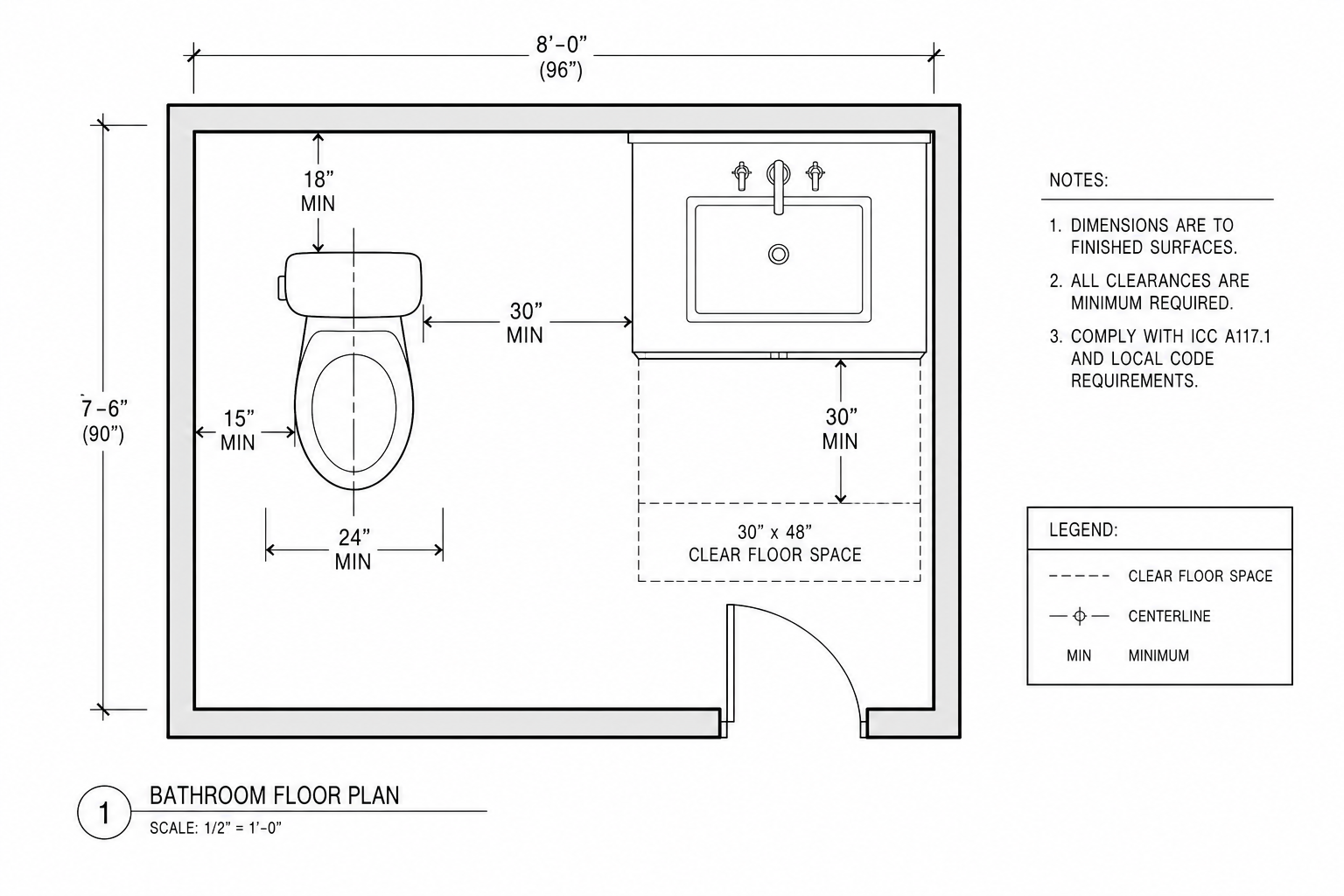
Proportions that were standard then and feel cramped now. Bathroom standards shift over generations. Vanity heights were lower when standard was 32 inches; they have moved up as ergonomics became part of the design conversation. Shower sizes that were compliant and typical in a certain period now read as too small because expectations have changed. Single-sink vanities in primary bathrooms that were sized for one user now read as undersized in a room that most households use as a two-person space.
These proportional shifts are slower-moving than finish trends, but they are real, and they are often what creates the sense that a bathroom is "functional but feels small" even when the square footage has not changed.
The Pattern That Gets Renovations Into Trouble
The mistake most renovation decisions make is updating the surface without addressing the source.
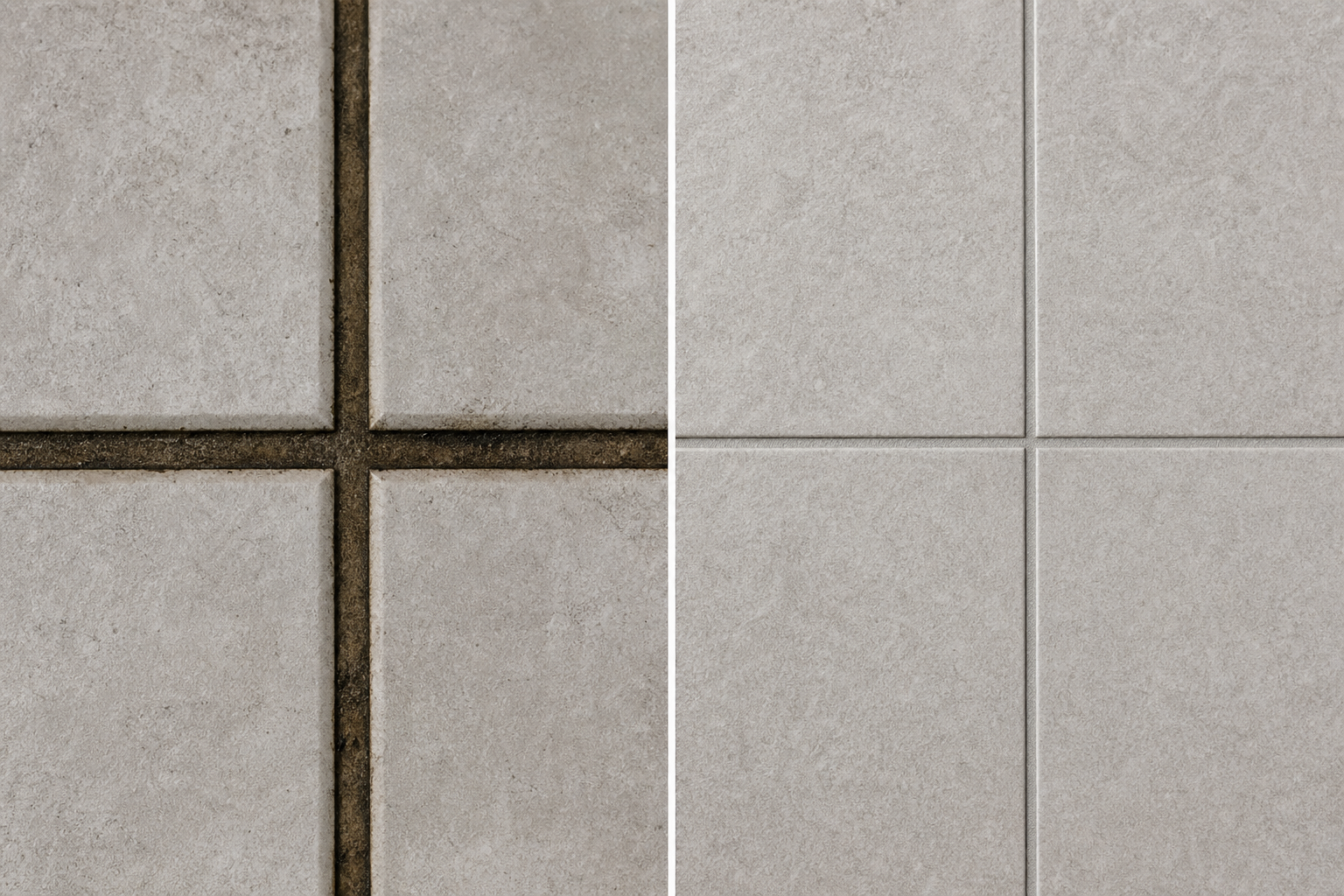
If the dating signal comes from a finish trend, replacing the trend with a different trend produces a room that will date again on the same timeline. The correction is to replace the trend with a choice that has a functional justification independent of what is fashionable: a finish chosen for durability, maintenance behavior, or longevity of visual neutrality rather than because it is currently ascending.
If the dating signal comes from the lighting, replacing a fixture with a different fixture in a different style may produce a room that reads as newer without producing a room that functions better. The correction is to address the lighting geometry: where is the light relative to the face, how many sources are there, can they be adjusted independently. These structural decisions outlast any fixture style.
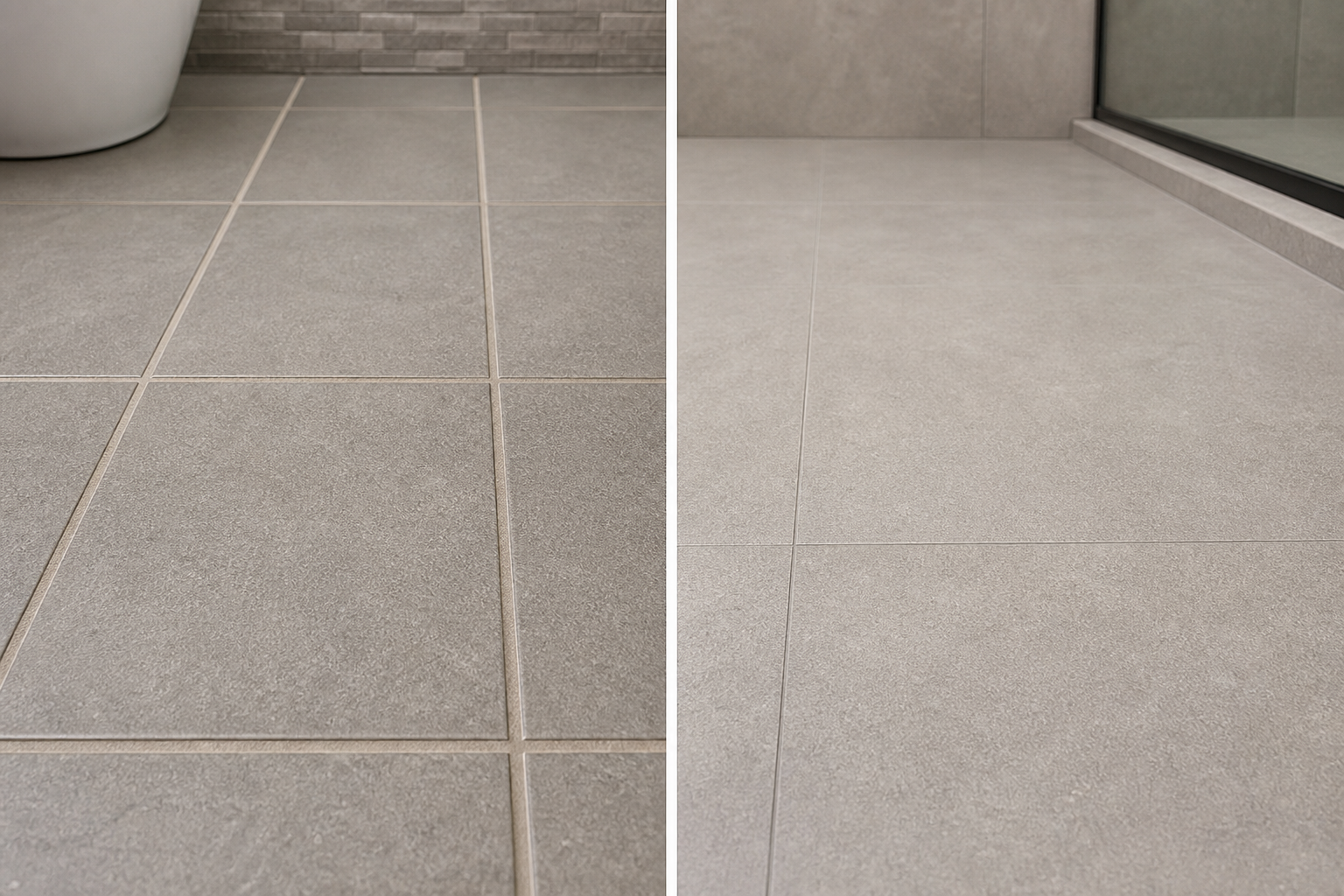
If the dating signal comes from proportion, surface updates will not resolve it. A small shower that was standard when built remains small after new tile is installed. A vanity at the wrong height remains uncomfortable after new hardware is attached. Proportion problems require layout decisions, and they are the most common reason a renovated bathroom still doesn't feel right after significant investment.
How to Test a New Choice Before Committing
The most reliable test for a new design choice is a simple question: is there a reason for this that will still exist in ten years?
Not "will this still be in style." Style is not the measure. The measure is whether the choice is doing something real that will continue to be real: reducing maintenance, solving an ergonomic problem, serving the way the room is actually used, using a material whose properties improve with age or remain stable under use.
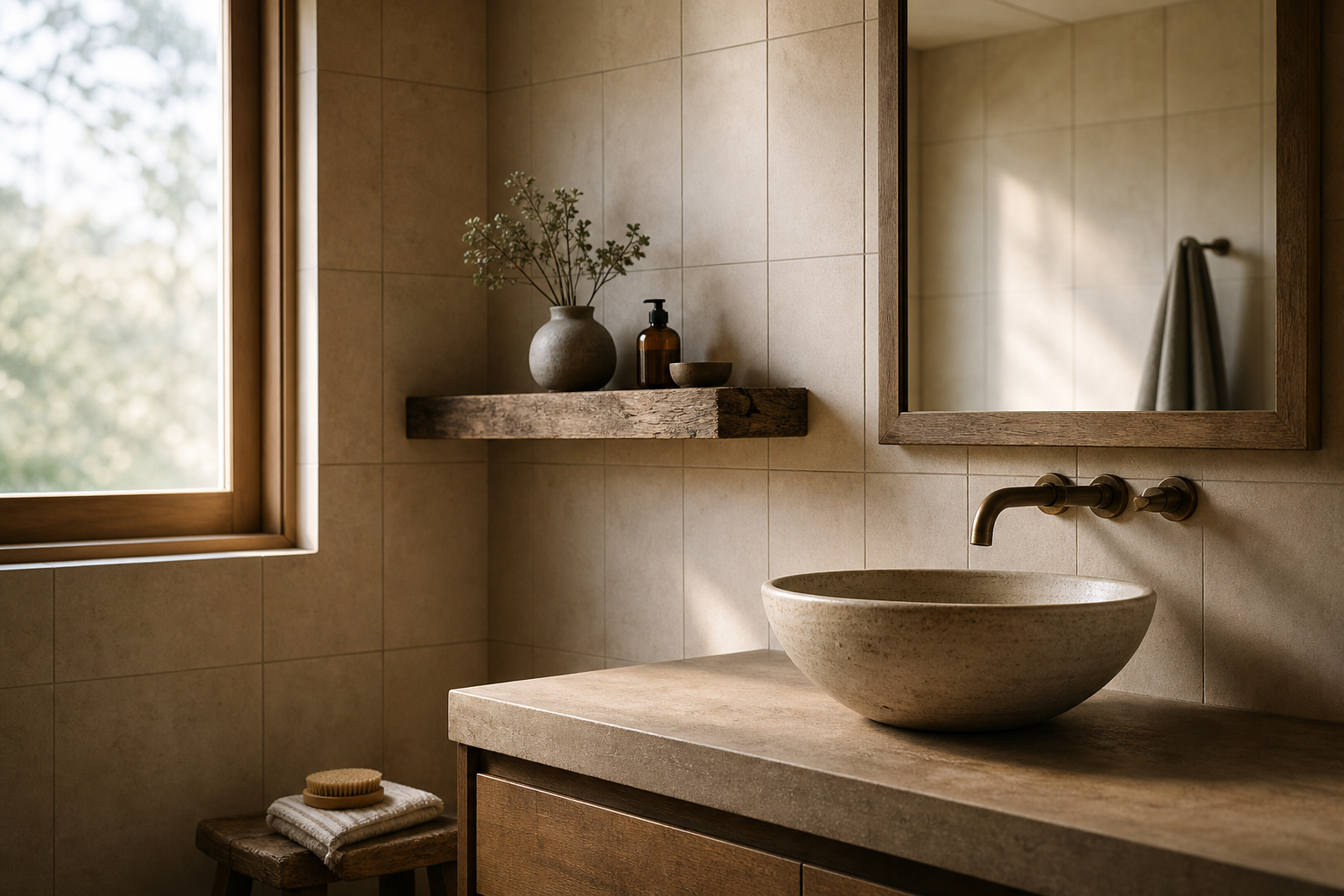
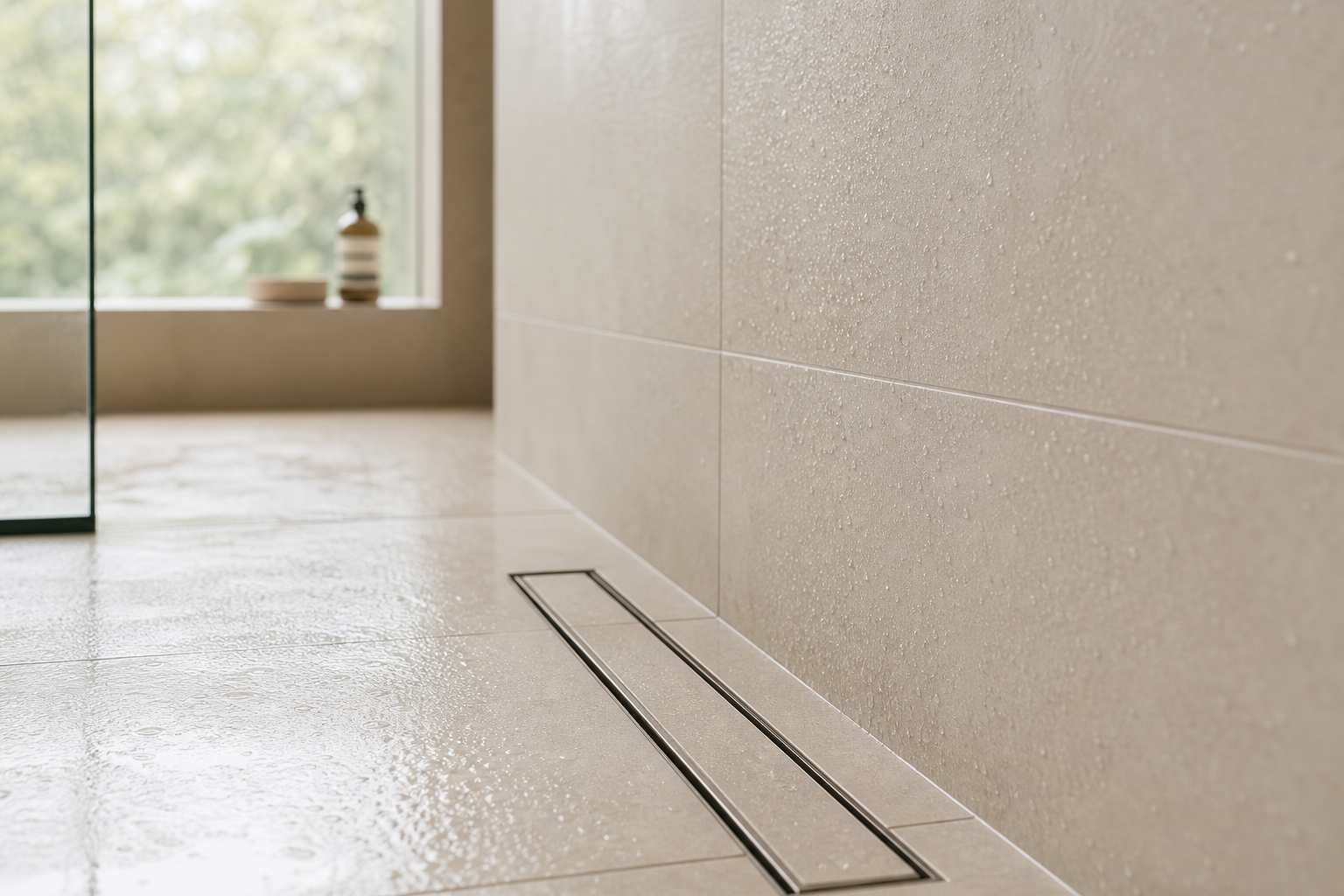
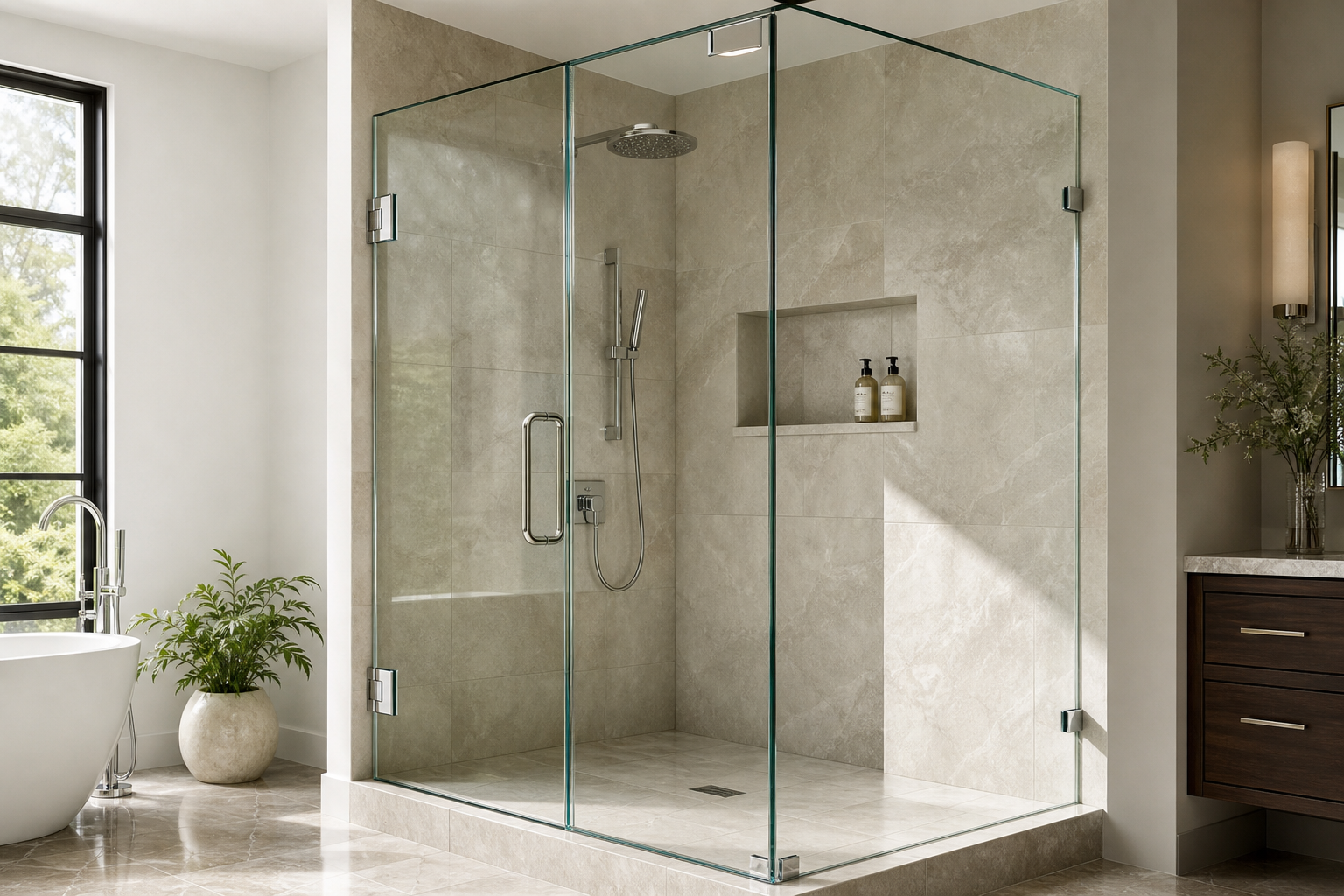
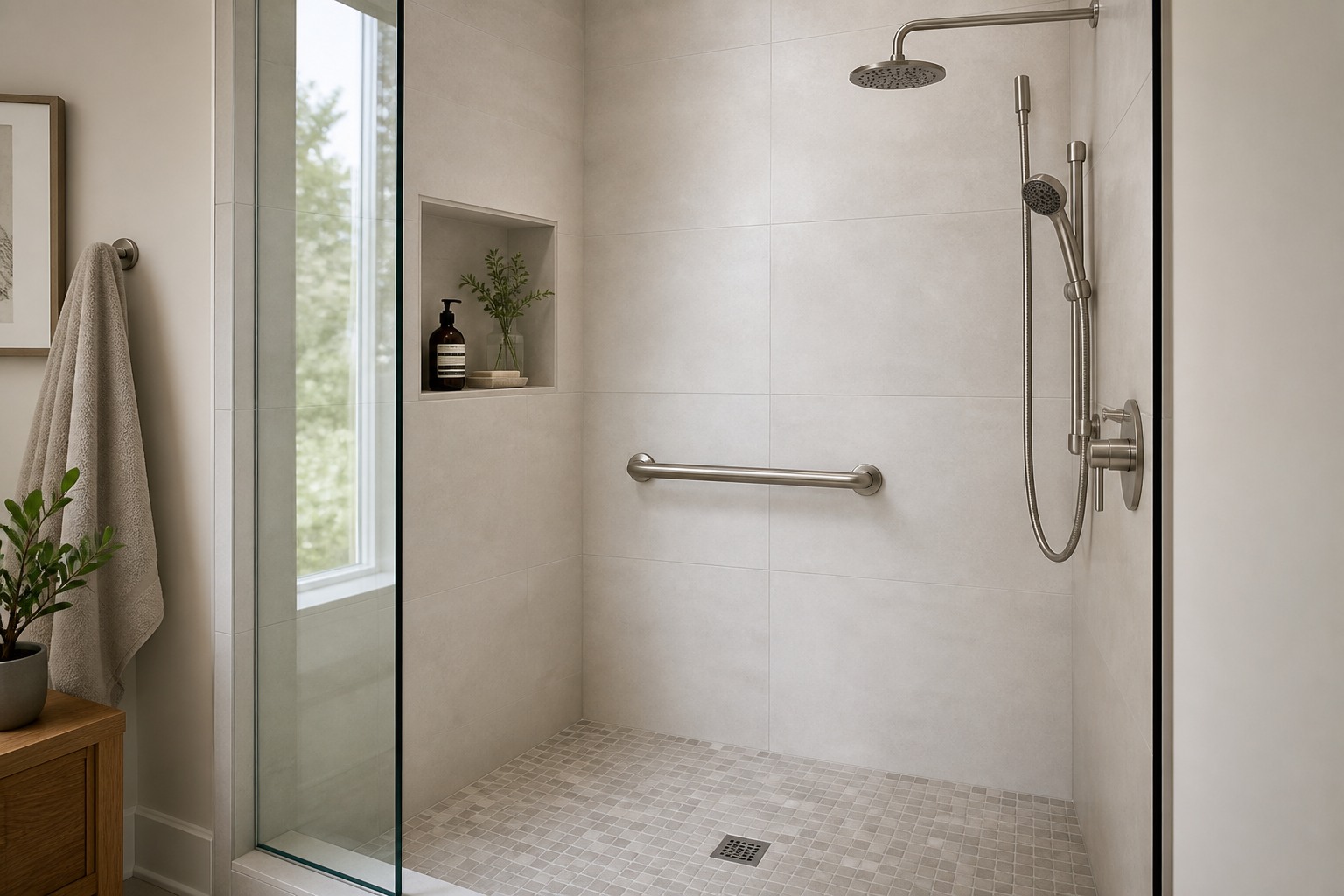
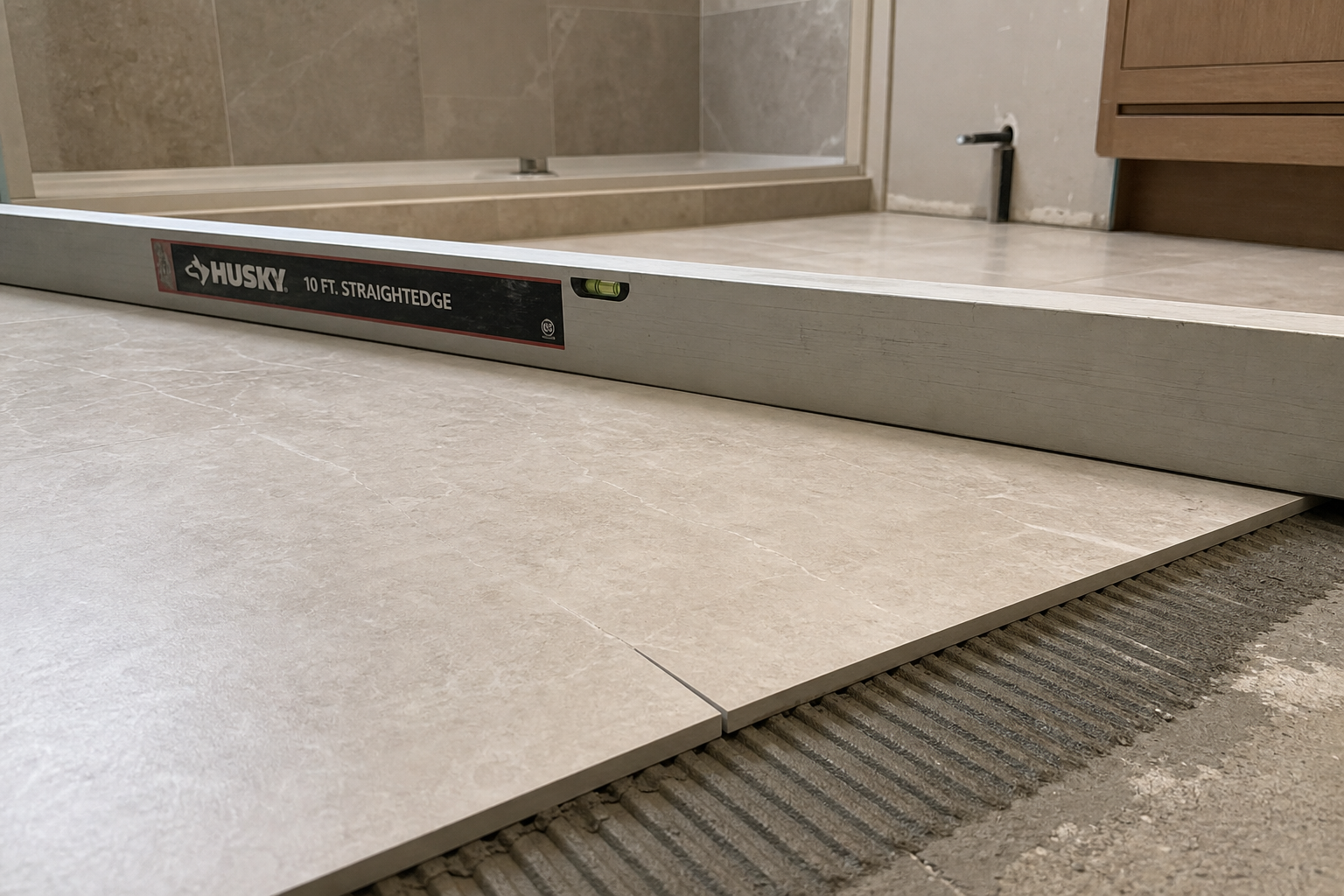
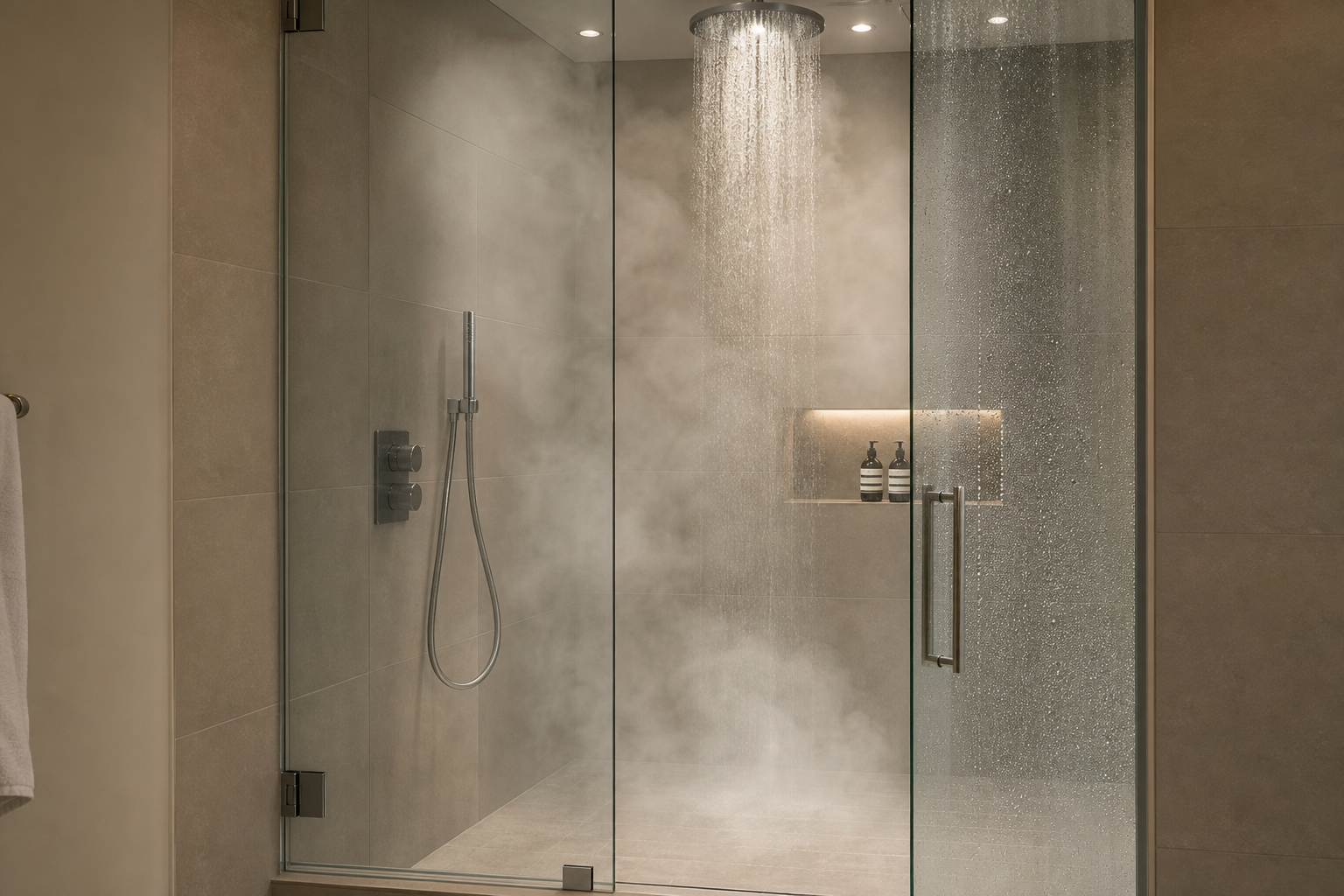
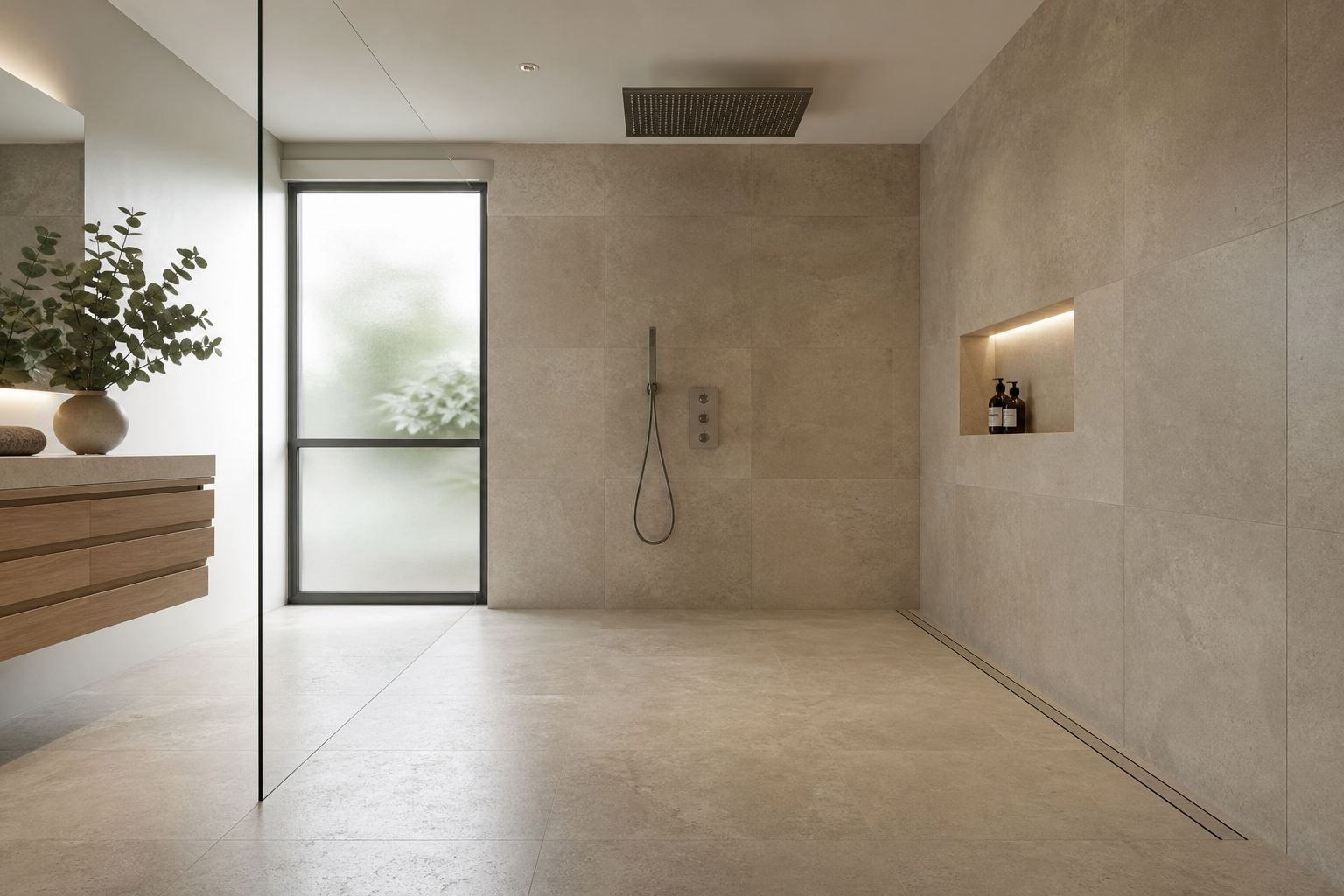
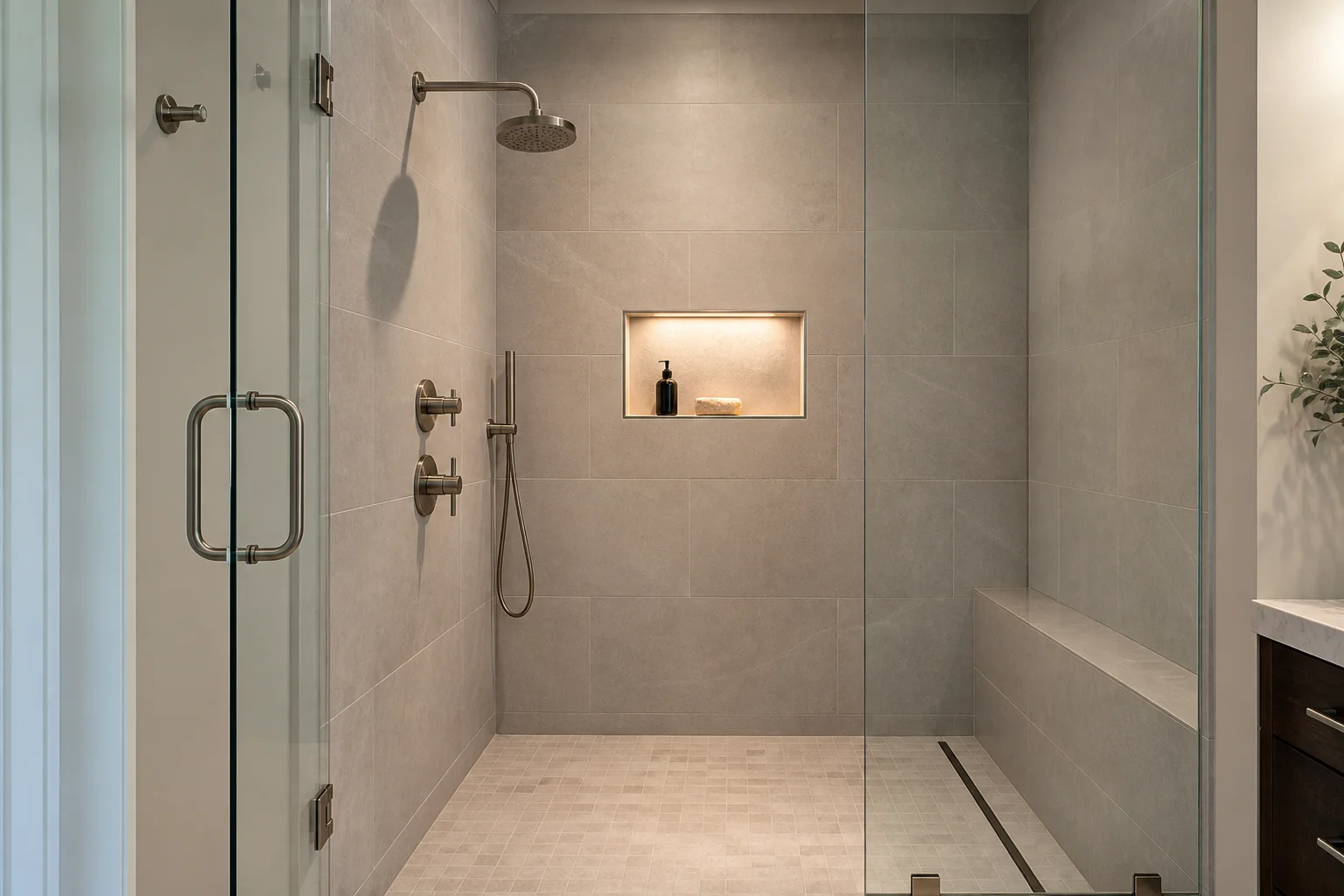
A curbless shower entry solves a problem (eliminating a trip hazard, making cleaning easier) that will not go away. A vessel sink defines an aesthetic moment that ended around 2018. A vanity height adjusted to the actual heights of the people using it solves a problem every morning in perpetuity. Matching hardware in a finish that appeared in every magazine during the planning year solves no problem and borrows its meaning entirely from a cultural moment.
When the reason for a choice can be articulated without reference to what is currently fashionable, the choice is probably stable. When the reason requires reference to what other rooms look like right now, the choice has a countdown.
What to Do With the Bathroom You Already Have
If the bathroom you are living in feels dated and you are deciding whether to renovate now or in five years, the useful diagnostic is to identify which category of dating is producing the feeling.
If it is finish-driven, targeted updates (hardware, faucets, lighting fixtures) can meaningfully shift the room's reading without a full renovation, provided the underlying structure is sound and the layout works.
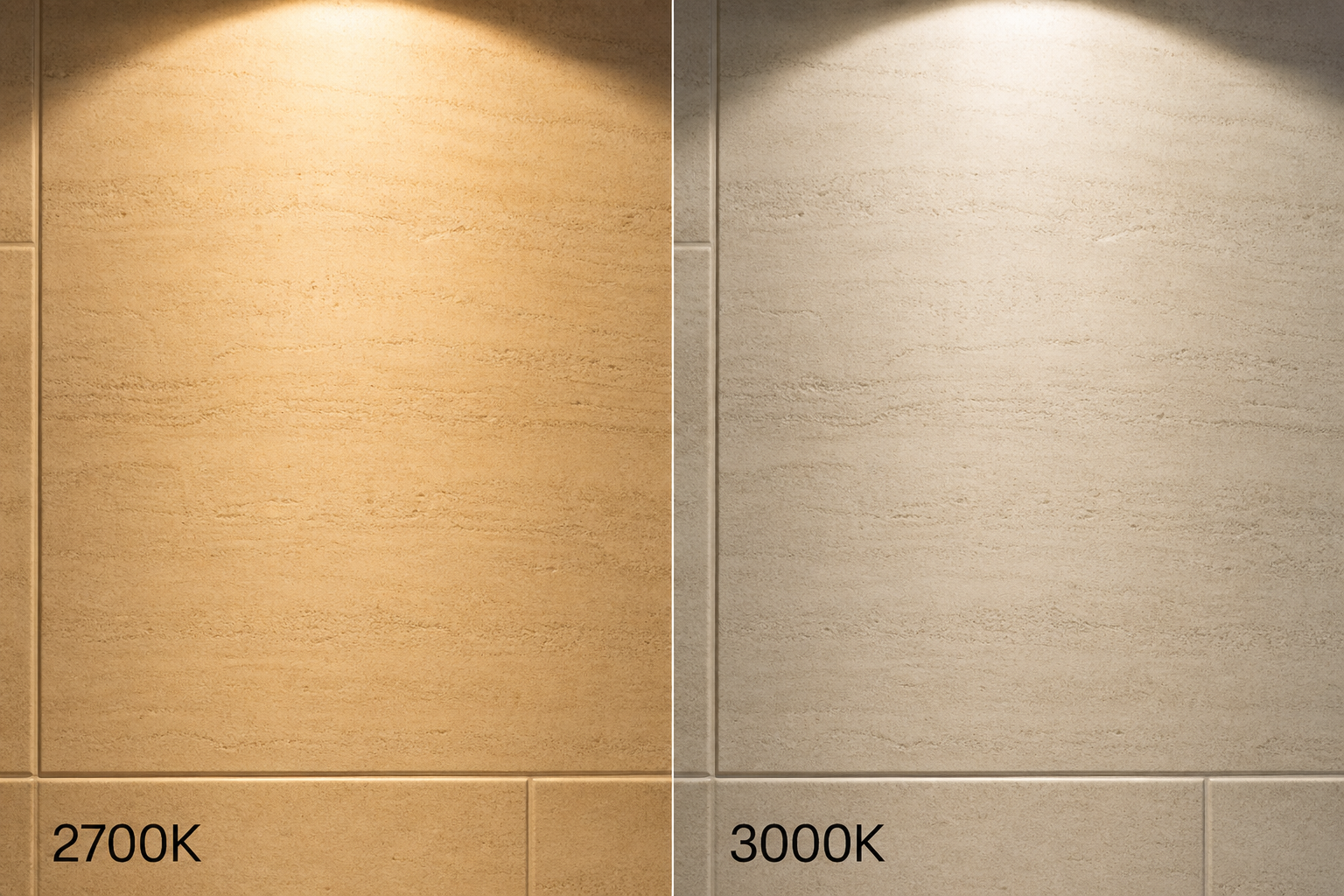
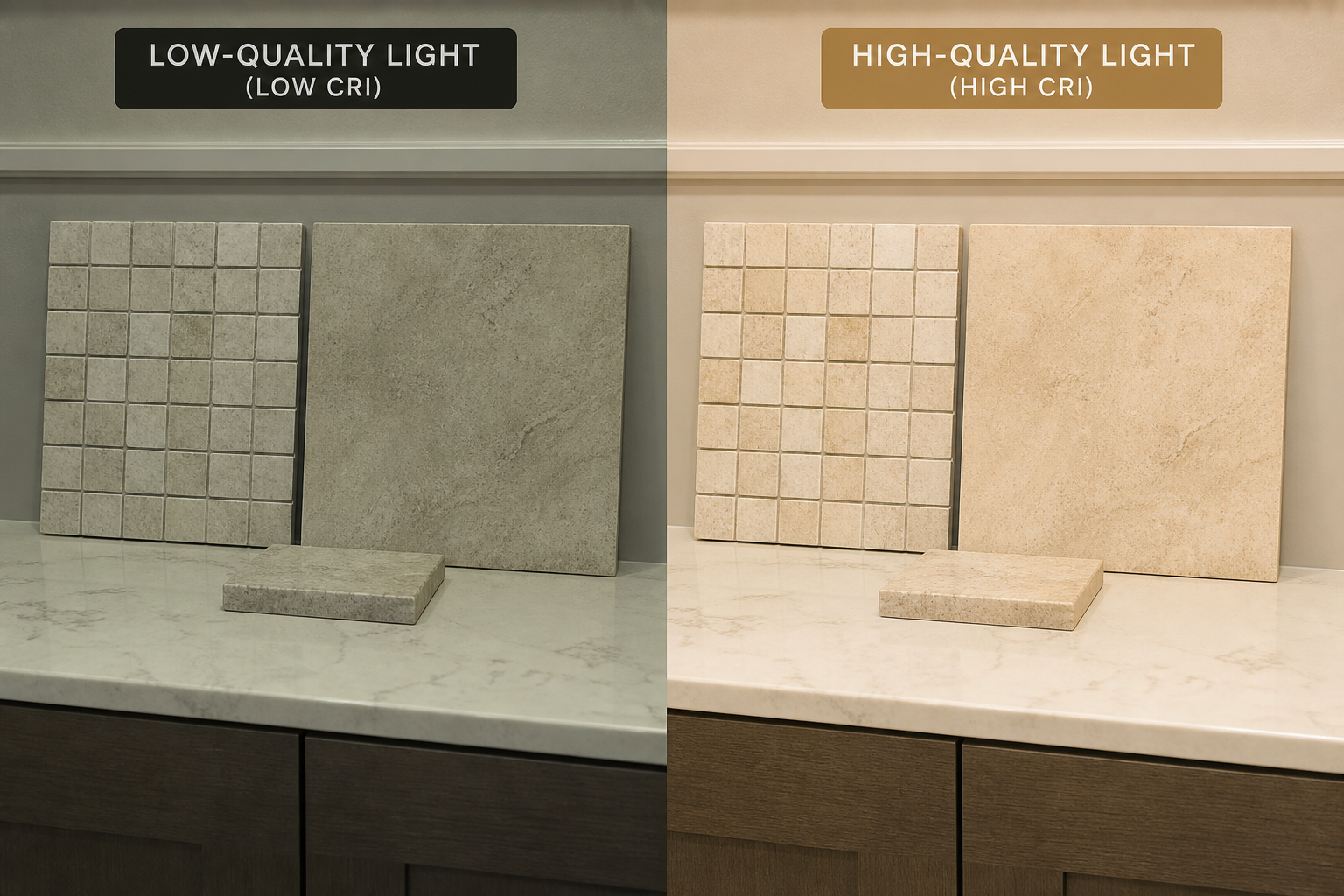
If it is lighting-driven, improving the fixture type and placement can change how the room feels substantially. New light sources at the right color temperature and in the right positions can make materials look different and faces look better, both of which shift the experience of the room more than any surface change.
If it is proportion-driven, the honest answer is that surface updates will not fully address it. A room with the wrong layout, inadequate clearances, or undersized shower will continue to feel like those things regardless of how well the tile is chosen. That is not a reason to renovate immediately; it is a reason to plan a renovation that addresses the structure, not just the surface, when the time comes.
Before we recommend anything to a client who says their bathroom feels wrong, we ask what specific feeling is producing that response and where they notice it. The lighting geometry, the proportion of the vanity relative to the room, the finish choices, the layout: different sources need different corrections. We have worked on rooms where replacing the lighting and hardware changed the reading entirely, and rooms where the only honest fix was opening walls. Knowing which before committing to a scope is the work that makes a renovation worth doing.