Knowledge Base
Guides, cost breakdowns, and expert advice from our team of licensed contractors.
Featured
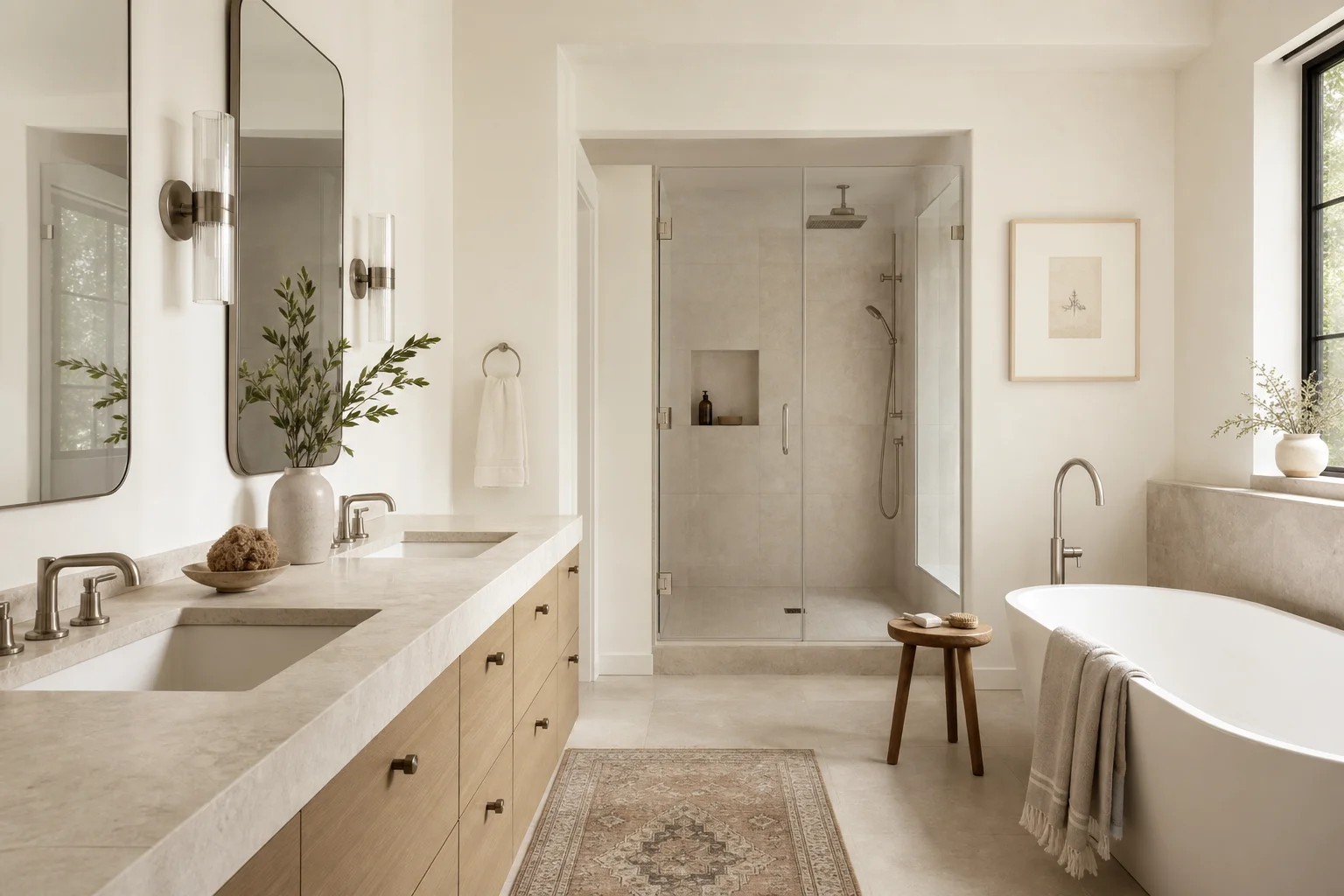
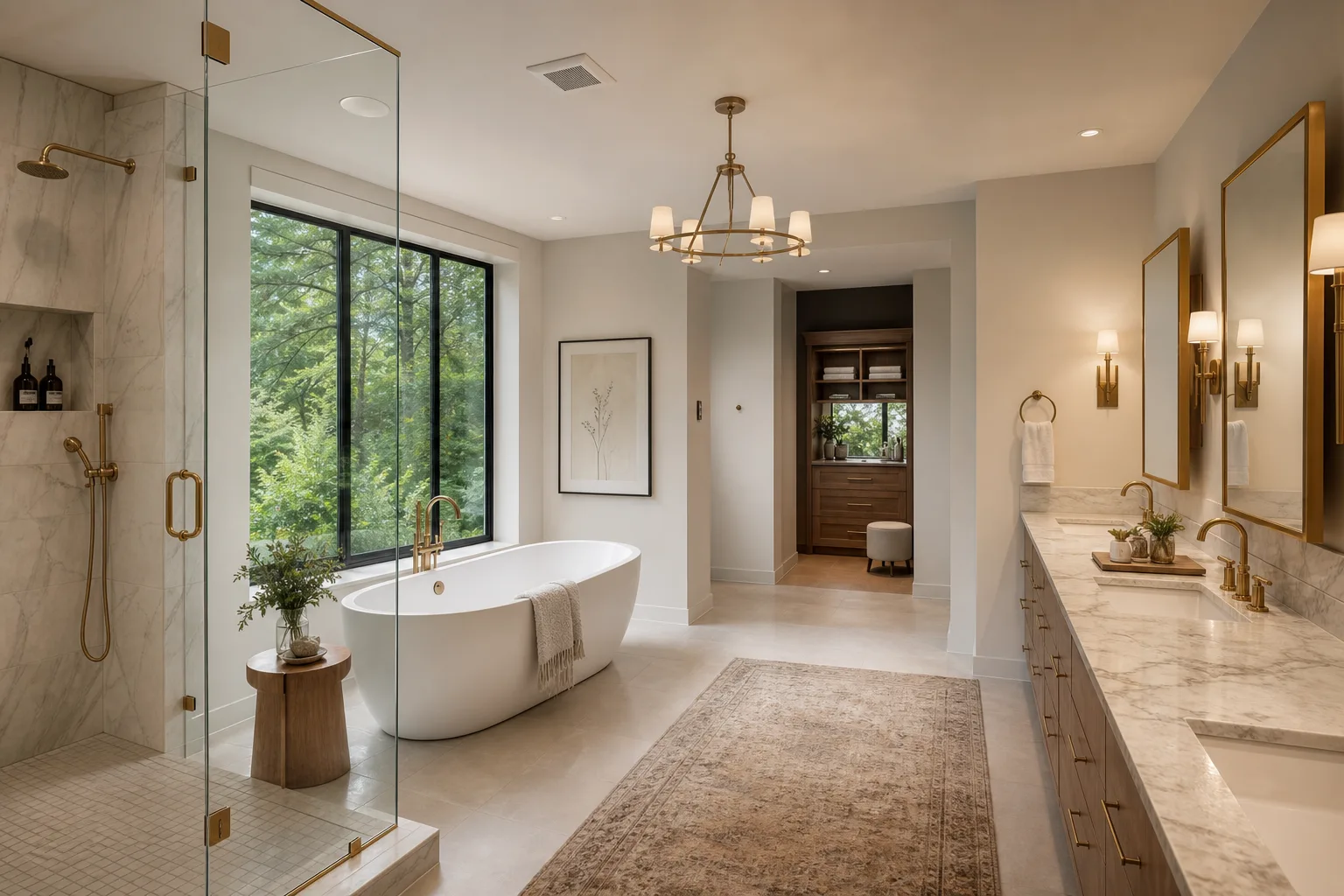
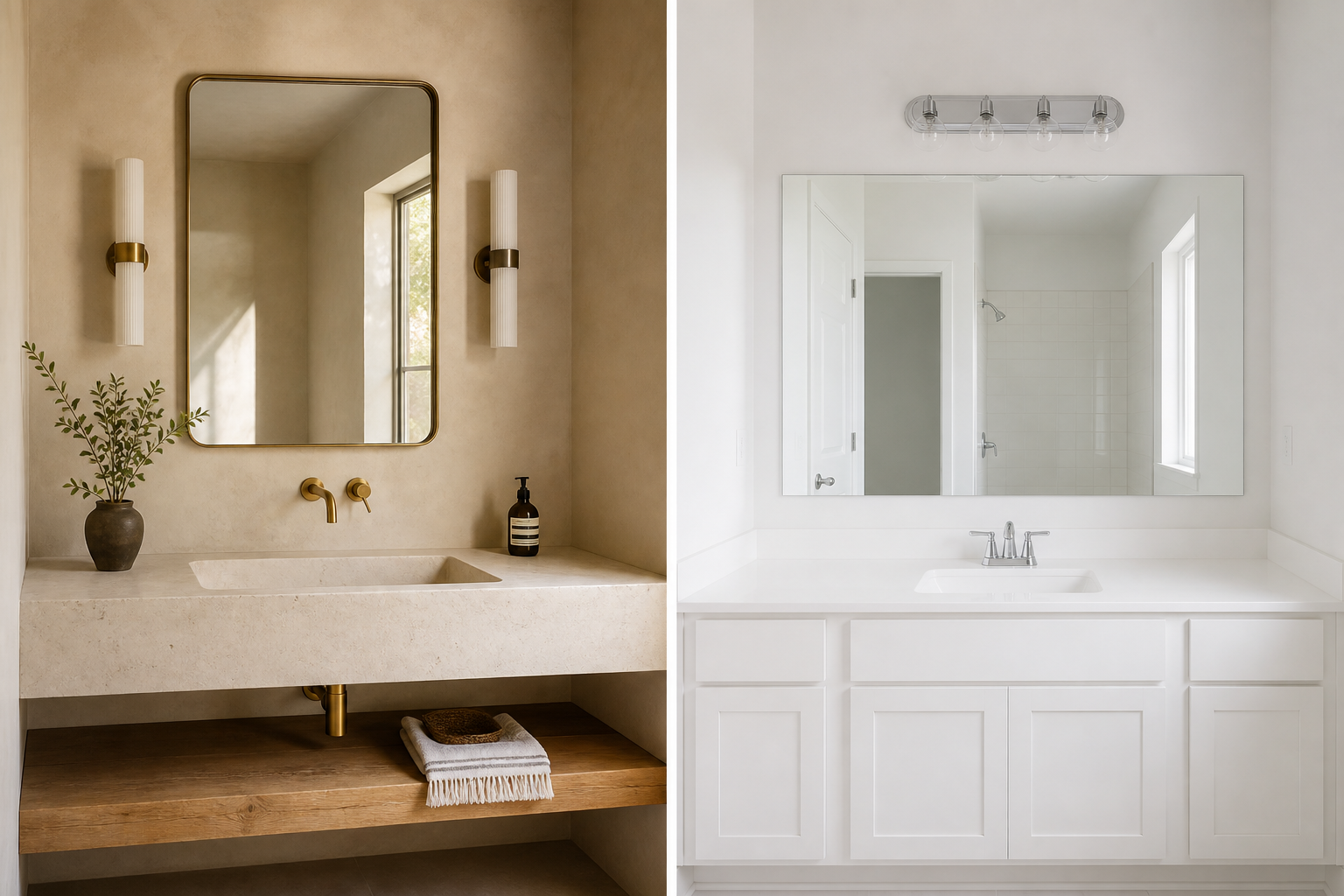
A practical design argument for why proportion, restraint, lighting, and construction discipline matter more than expensive finishes alone.
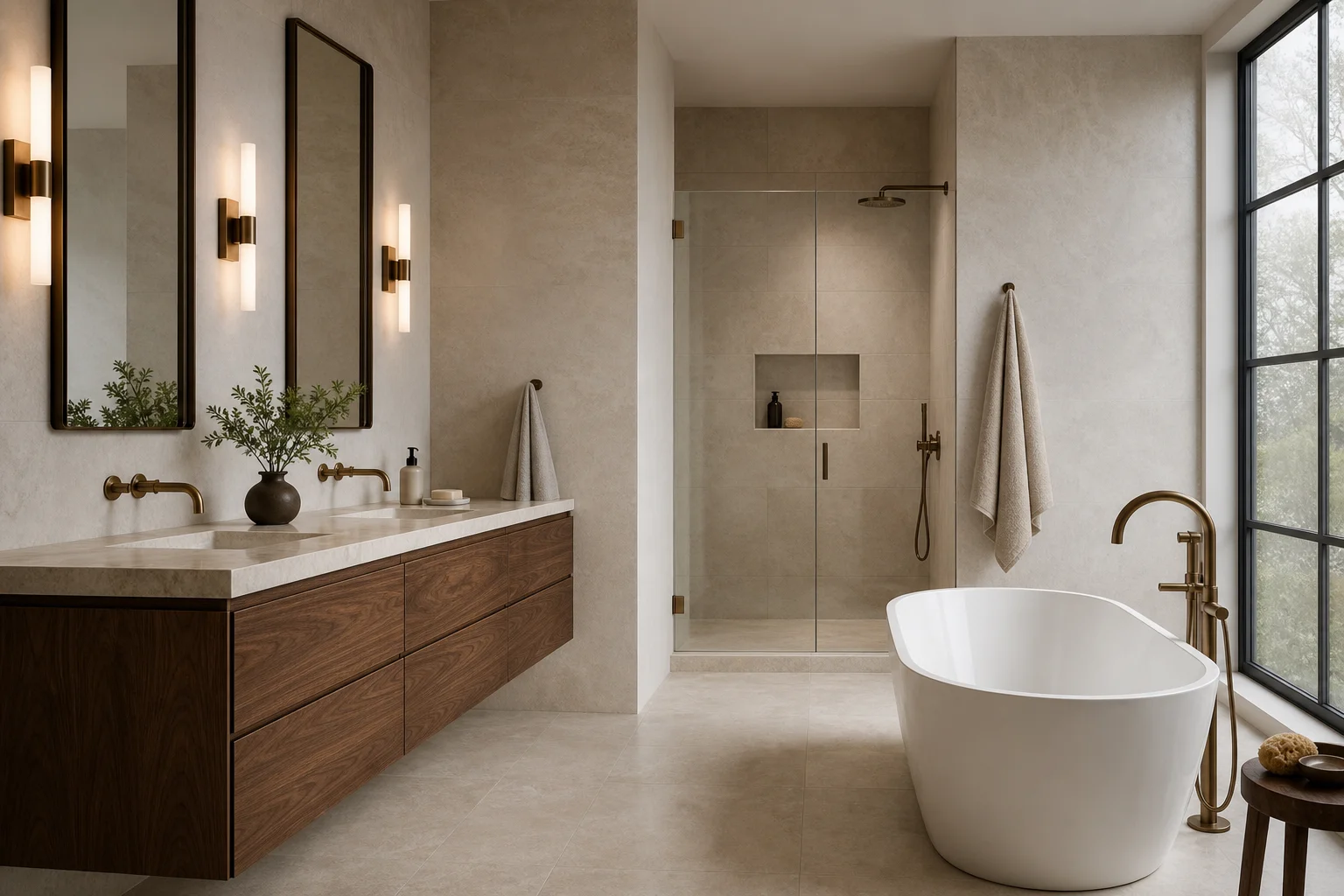
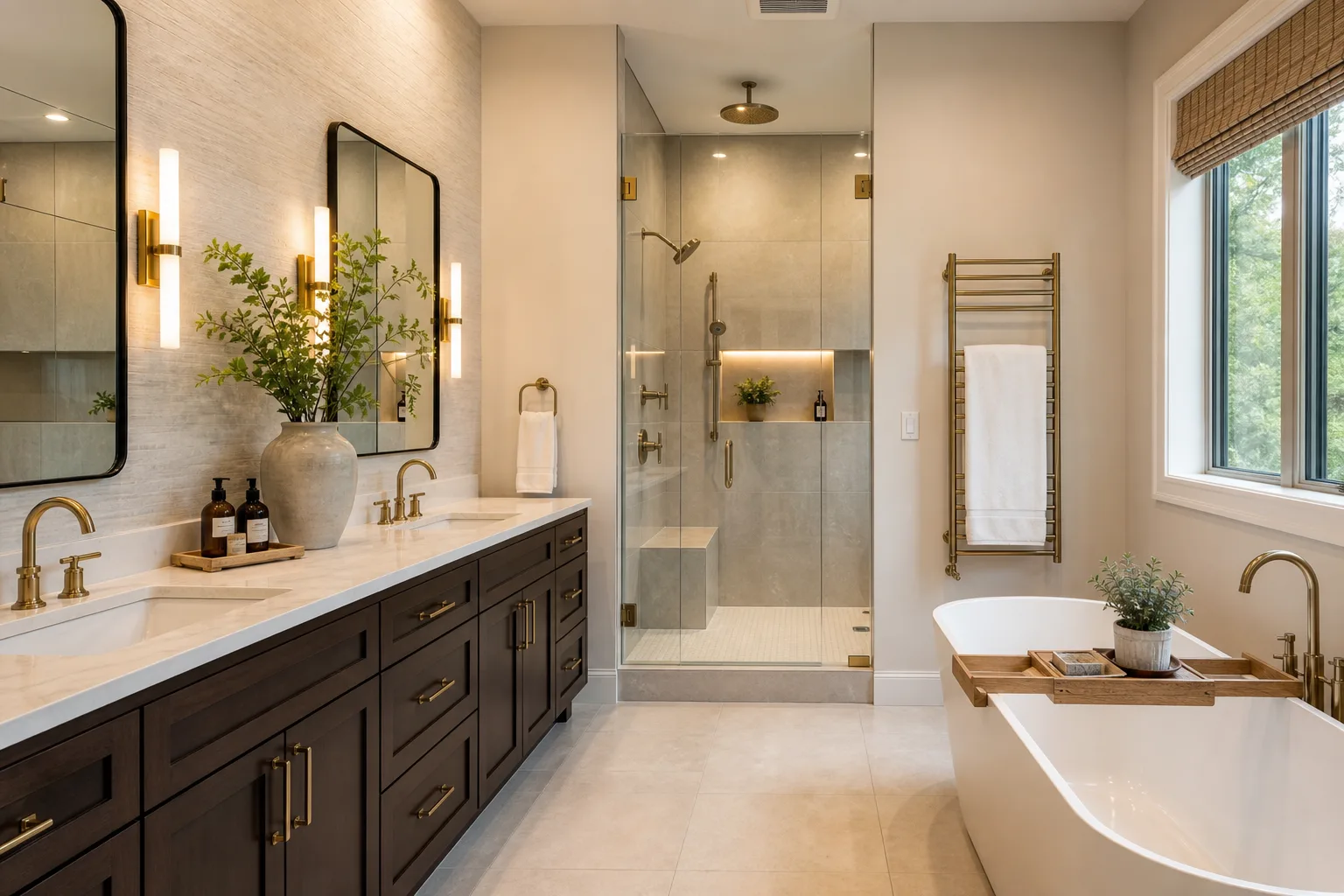
A long-view guide to bathroom remodeling choices that hold up in daily life, from waterproofing and ventilation to proportion, materials, and maintenance.
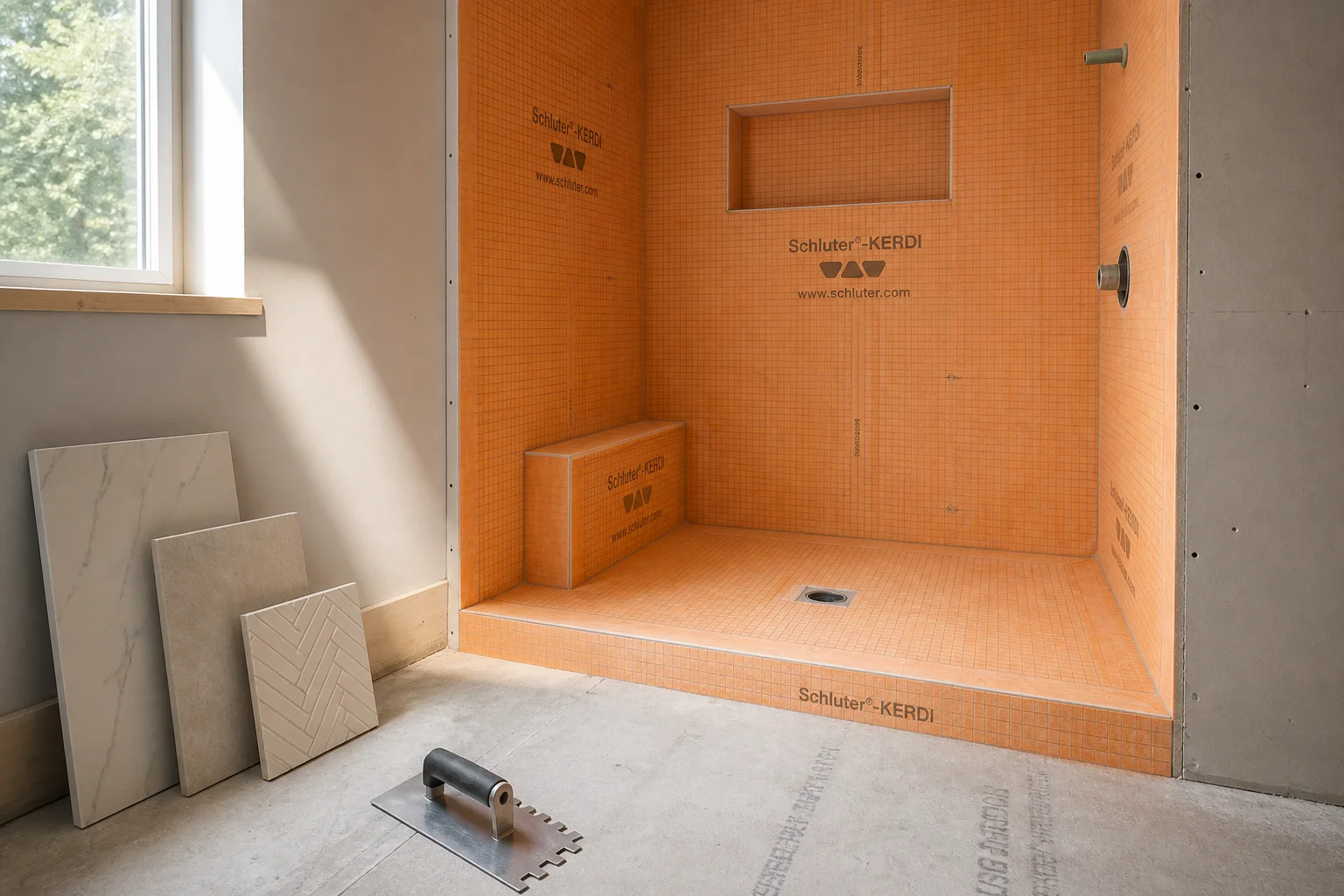
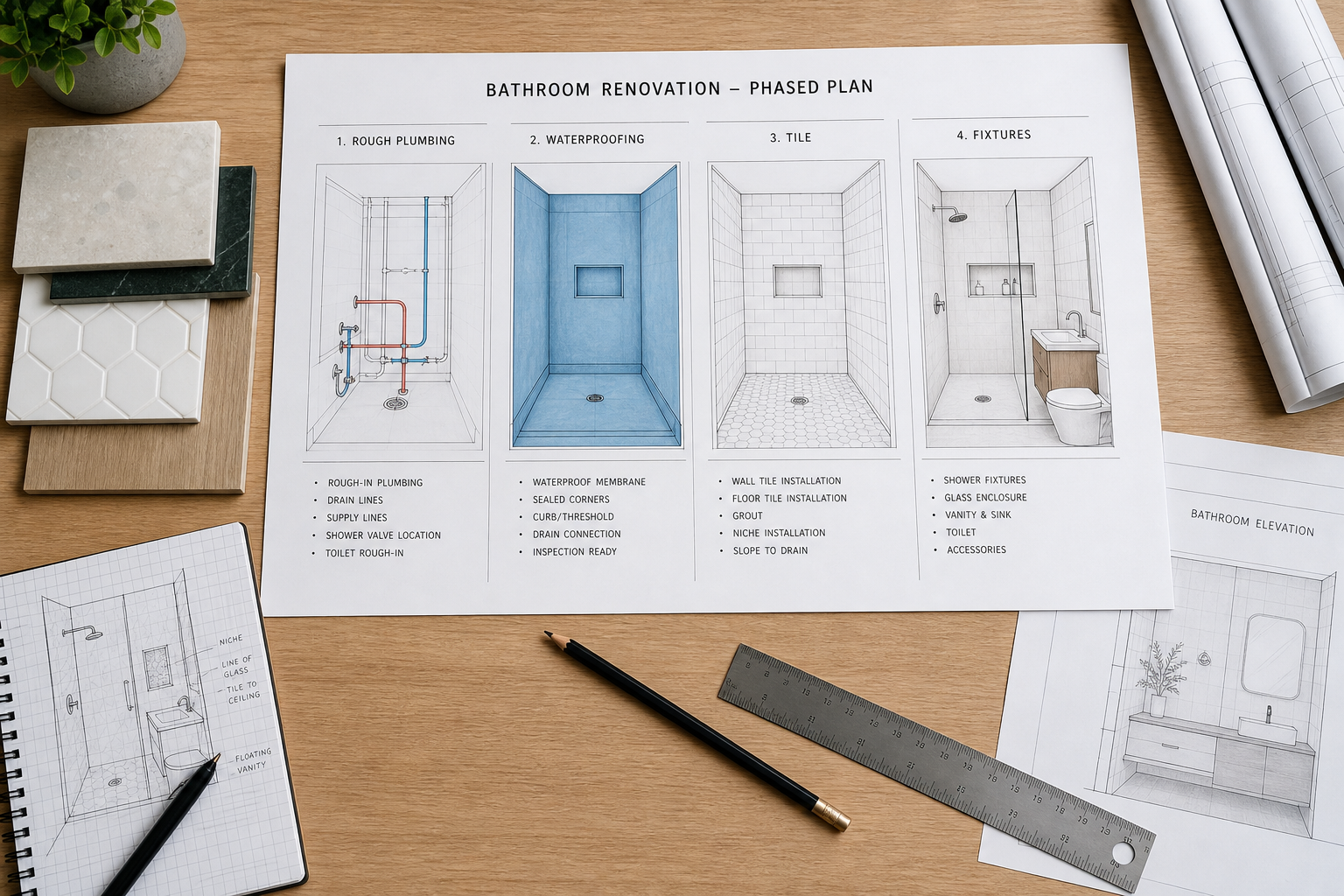
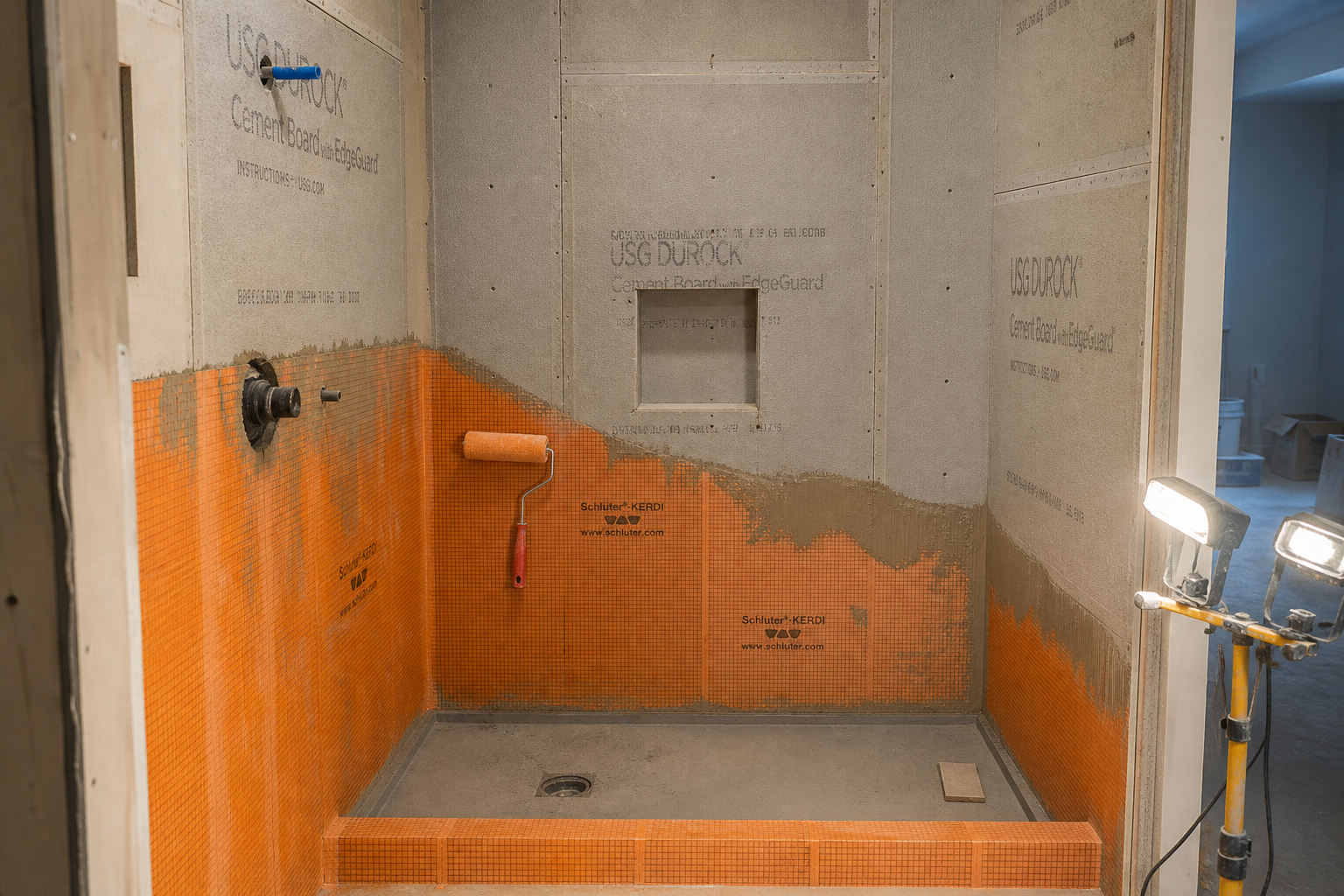
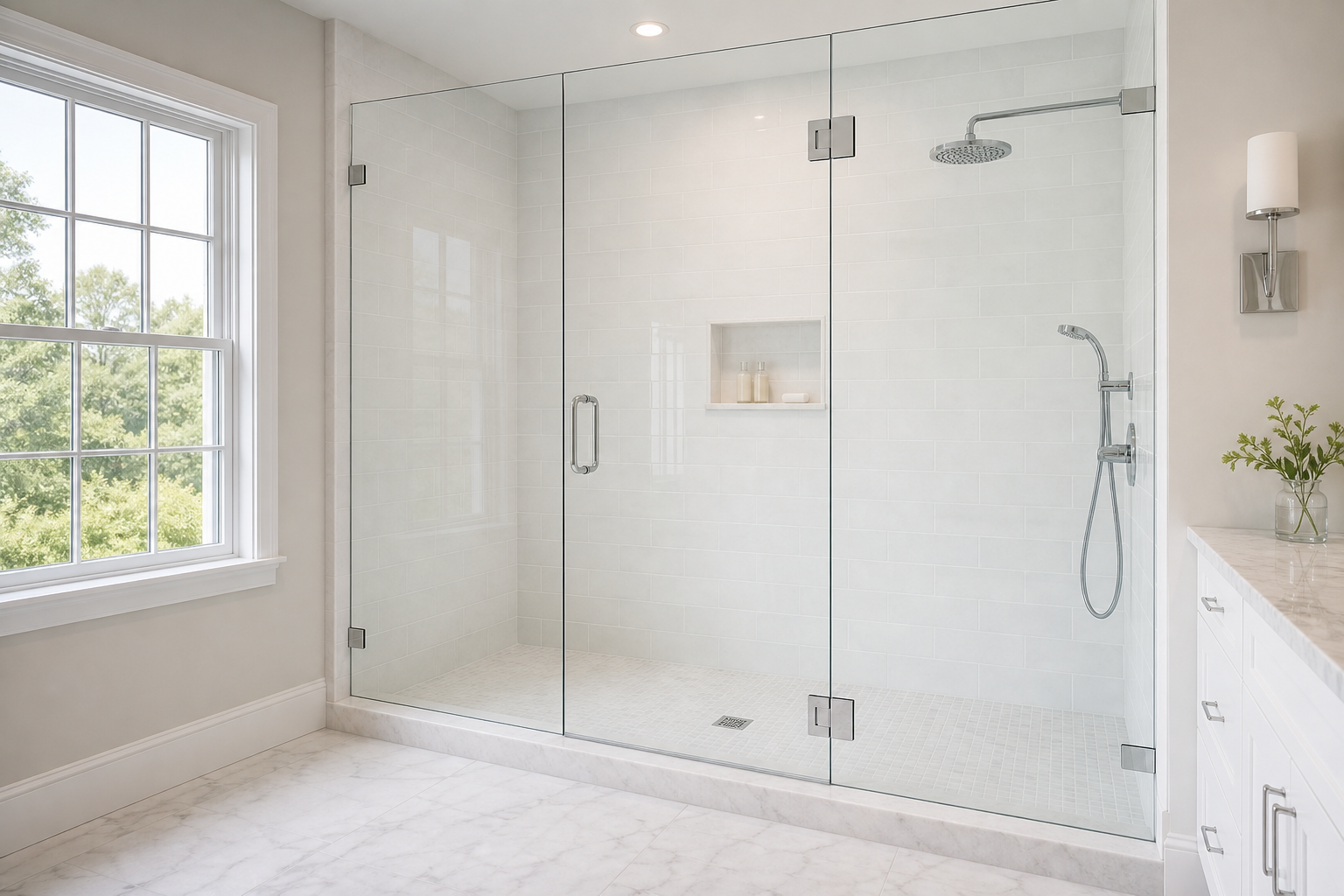
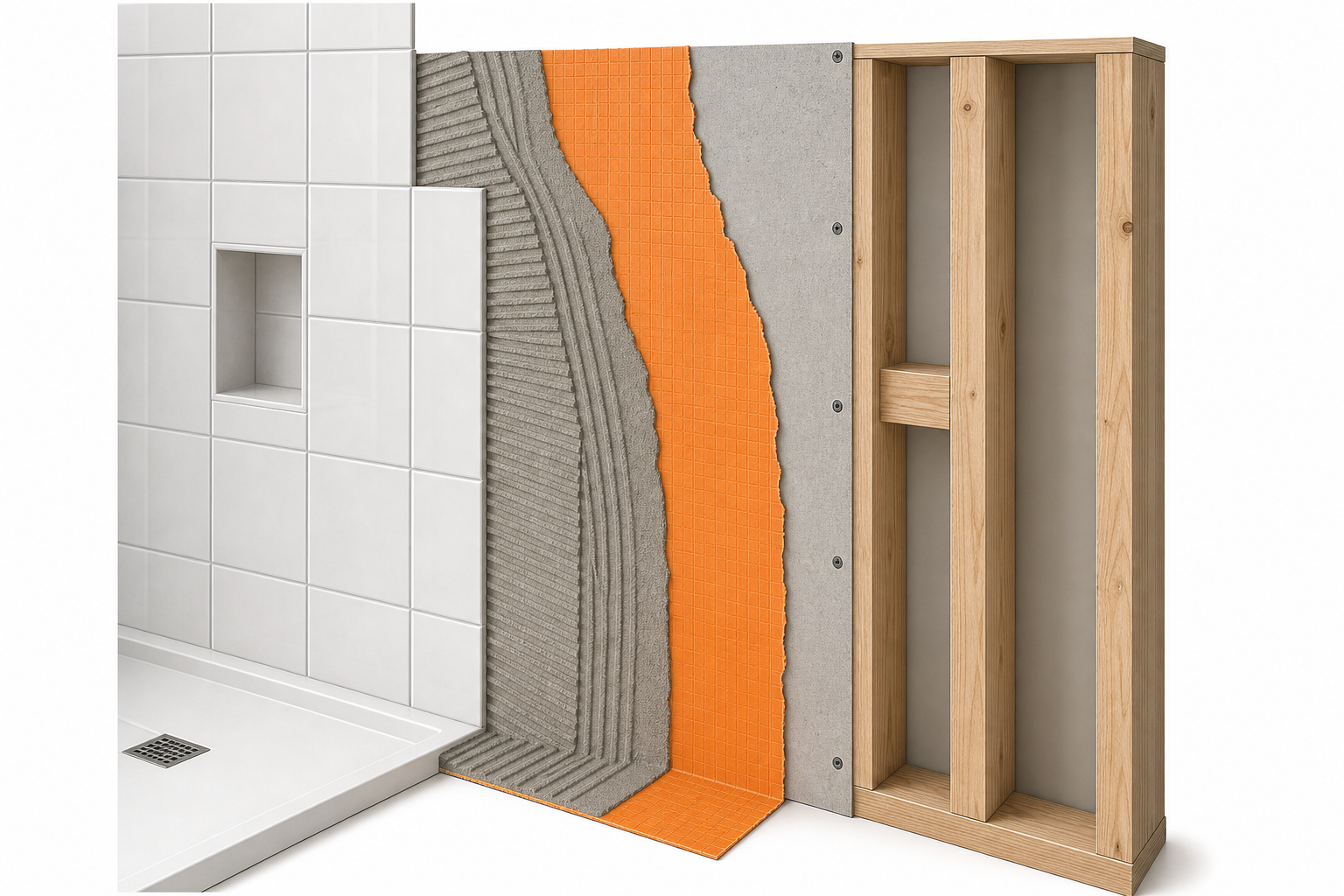
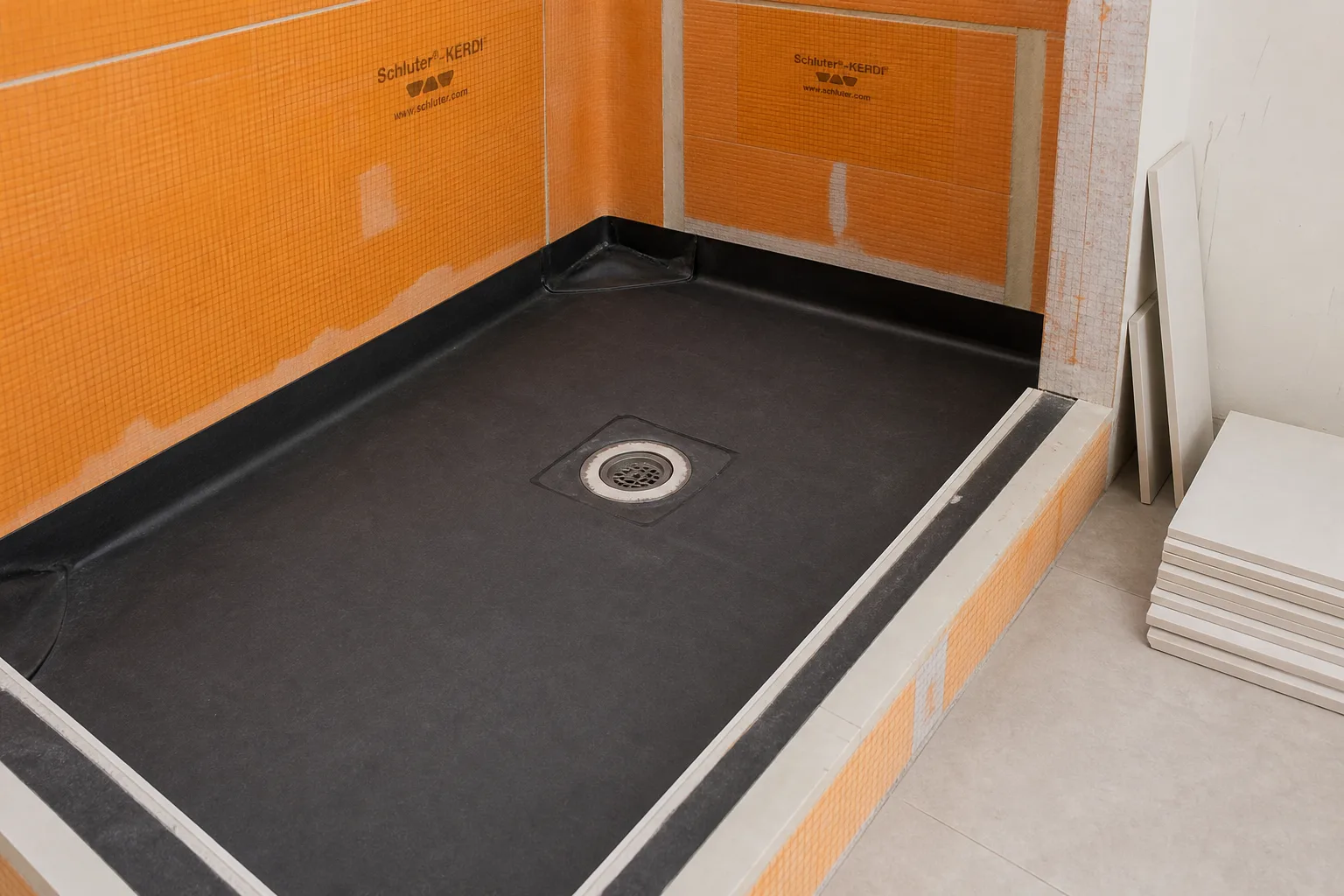
A homeowner-friendly explanation of waterproof shower membranes, Schluter-Kerdi assemblies, and why tile alone does not make a shower waterproof.
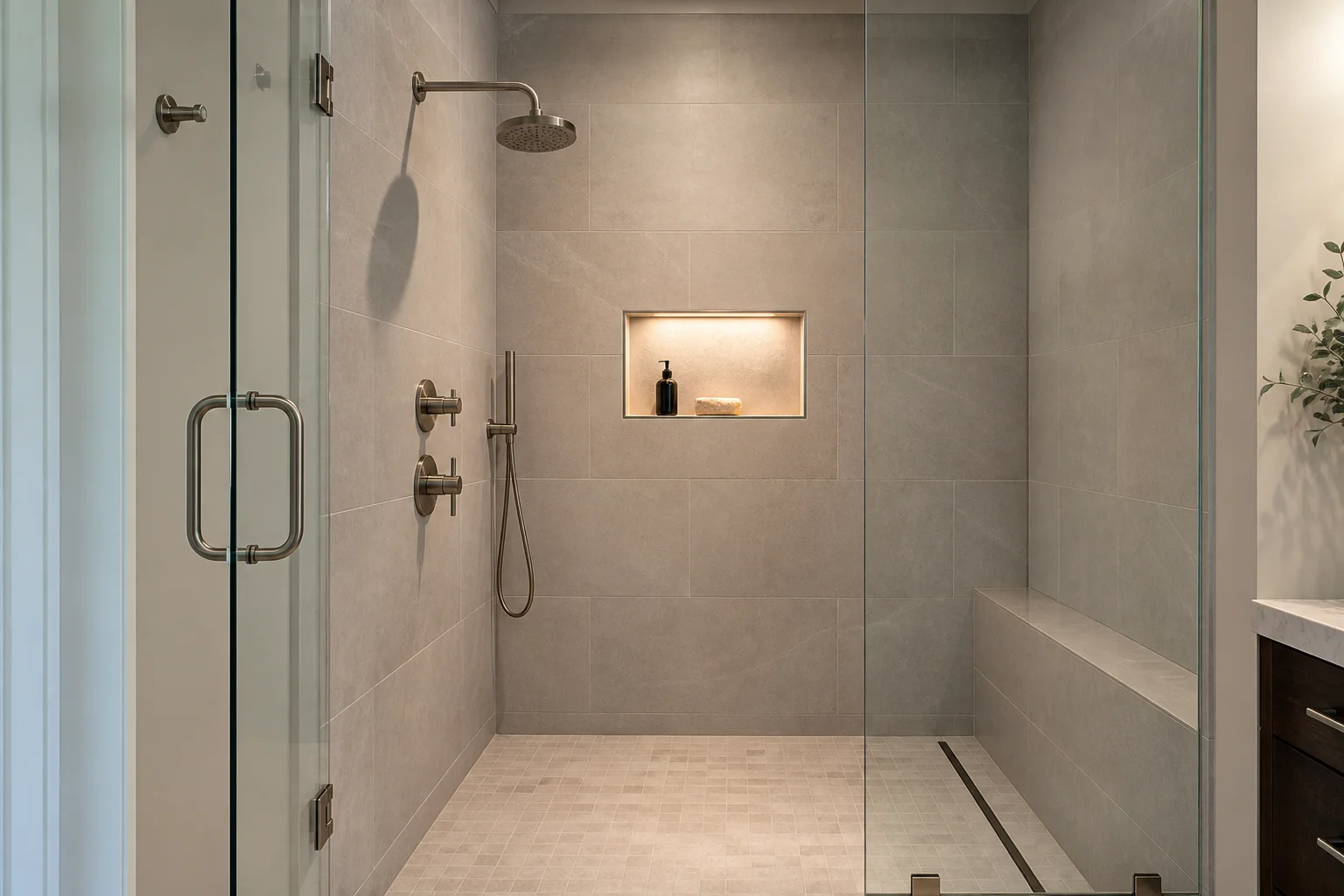
A practical guide to shower valve placement, control access, water temperature, layout sequencing, and why small rough-in decisions shape daily comfort.
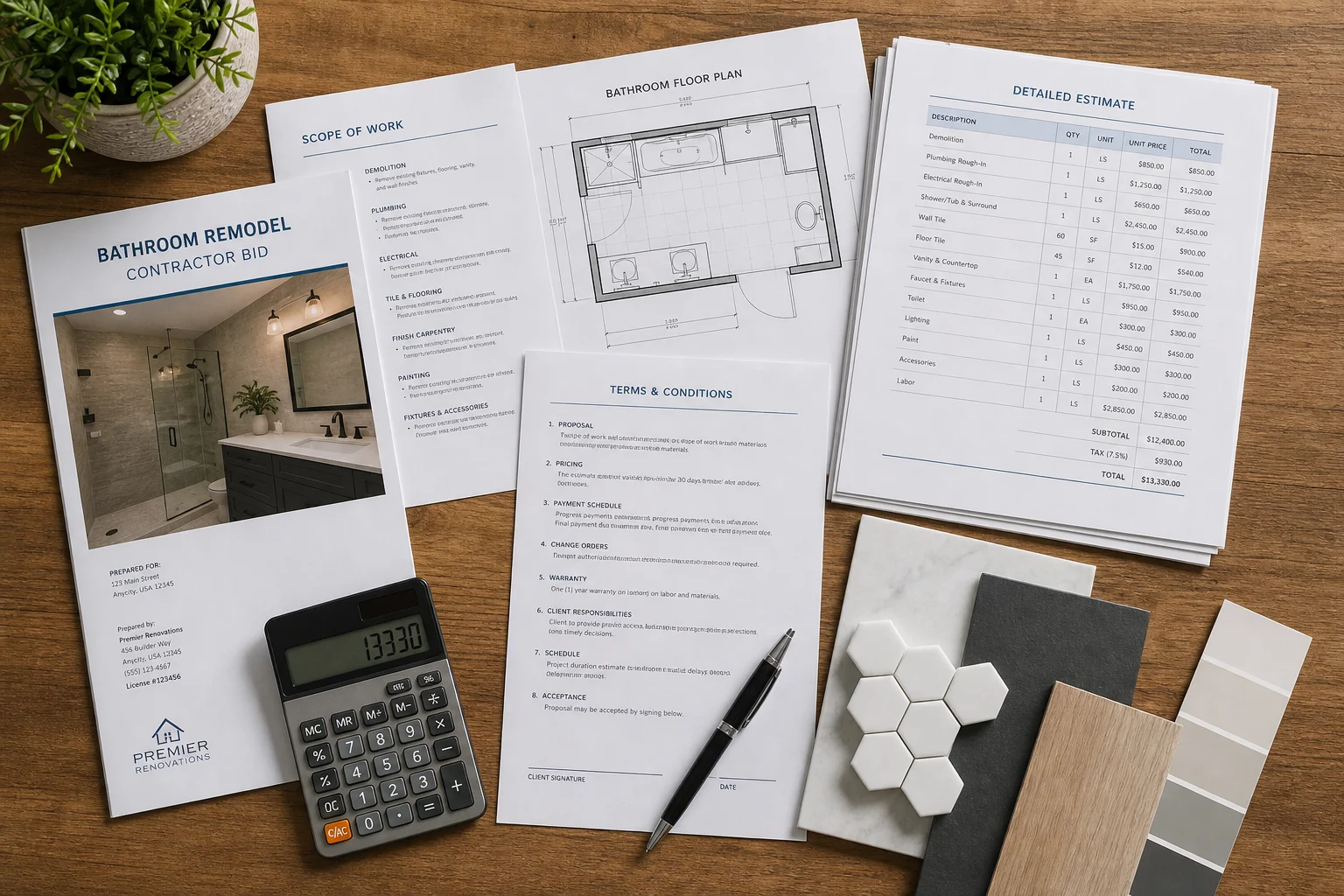
A practical guide to comparing bathroom remodel bids, understanding allowances, scope gaps, labor quality, and the hidden cost of underpriced work.
A detailed luxury bathroom remodel guide covering 2026 costs, long-tail homeowner questions, trends, ROI, materials, mistakes, and contractor planning.
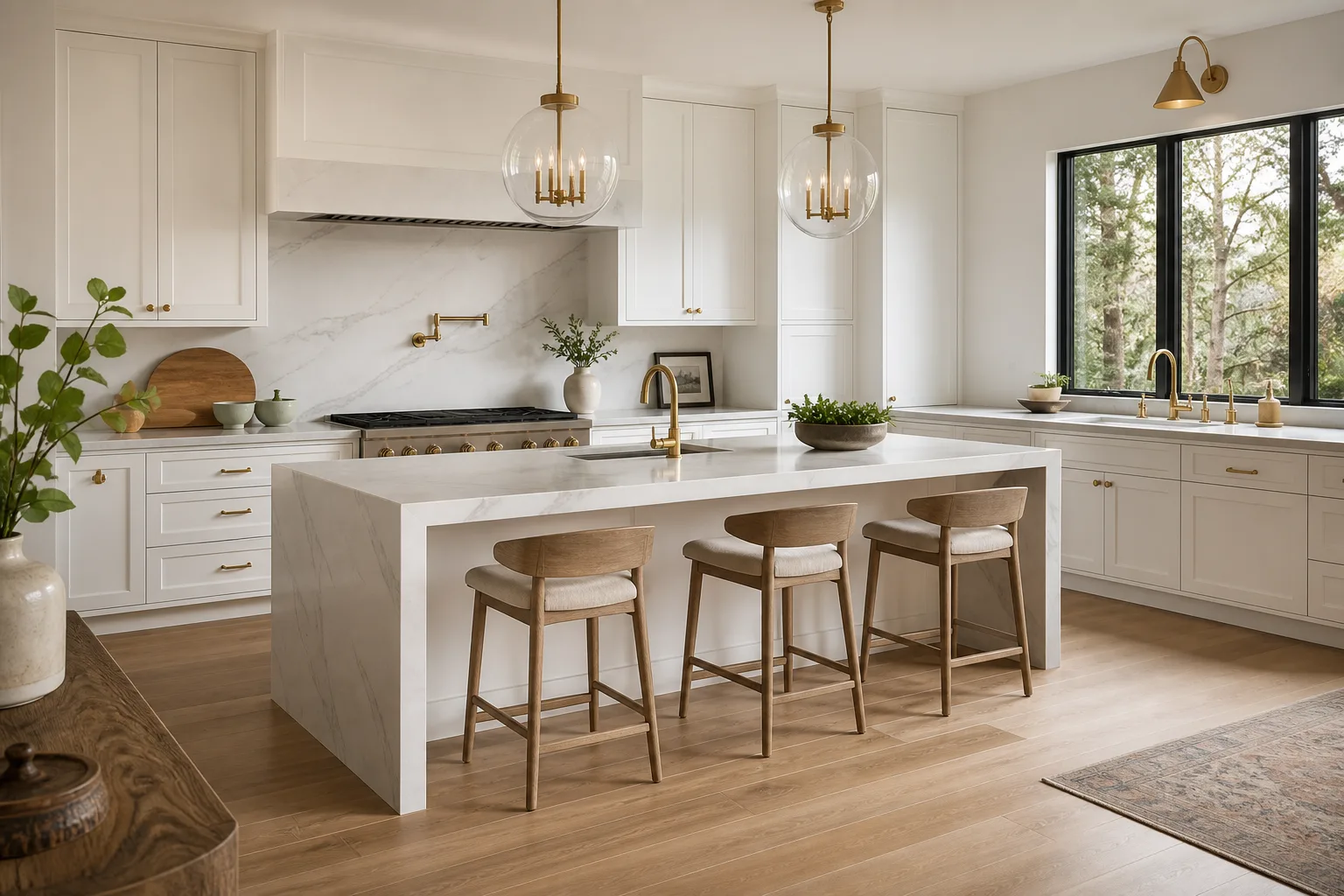
Breaking down real costs for Pacific Northwest kitchen remodels, from a minor refresh to a full gut renovation.
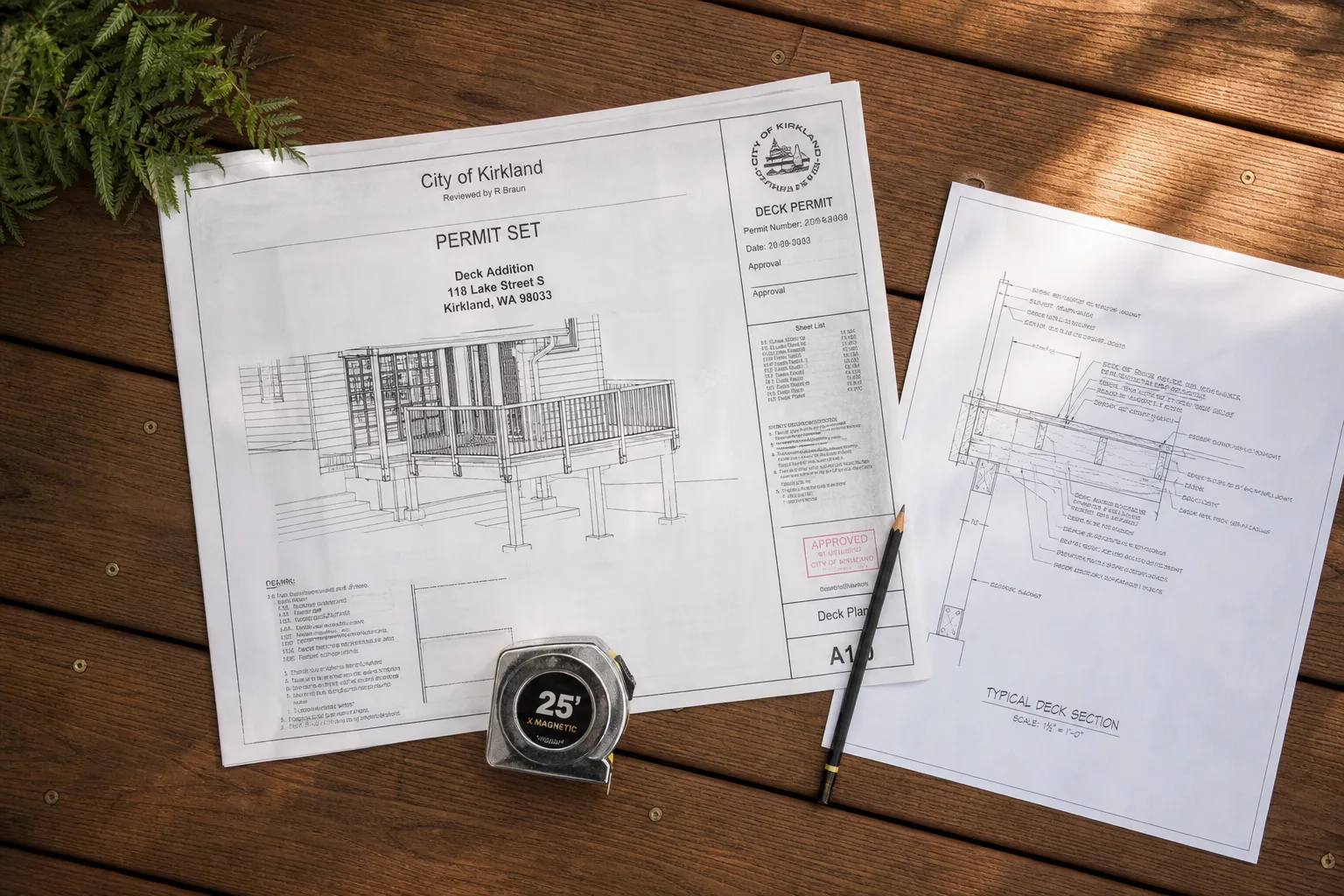
Washington permit rules for decks, patios, and covered structures, including what triggers a permit.
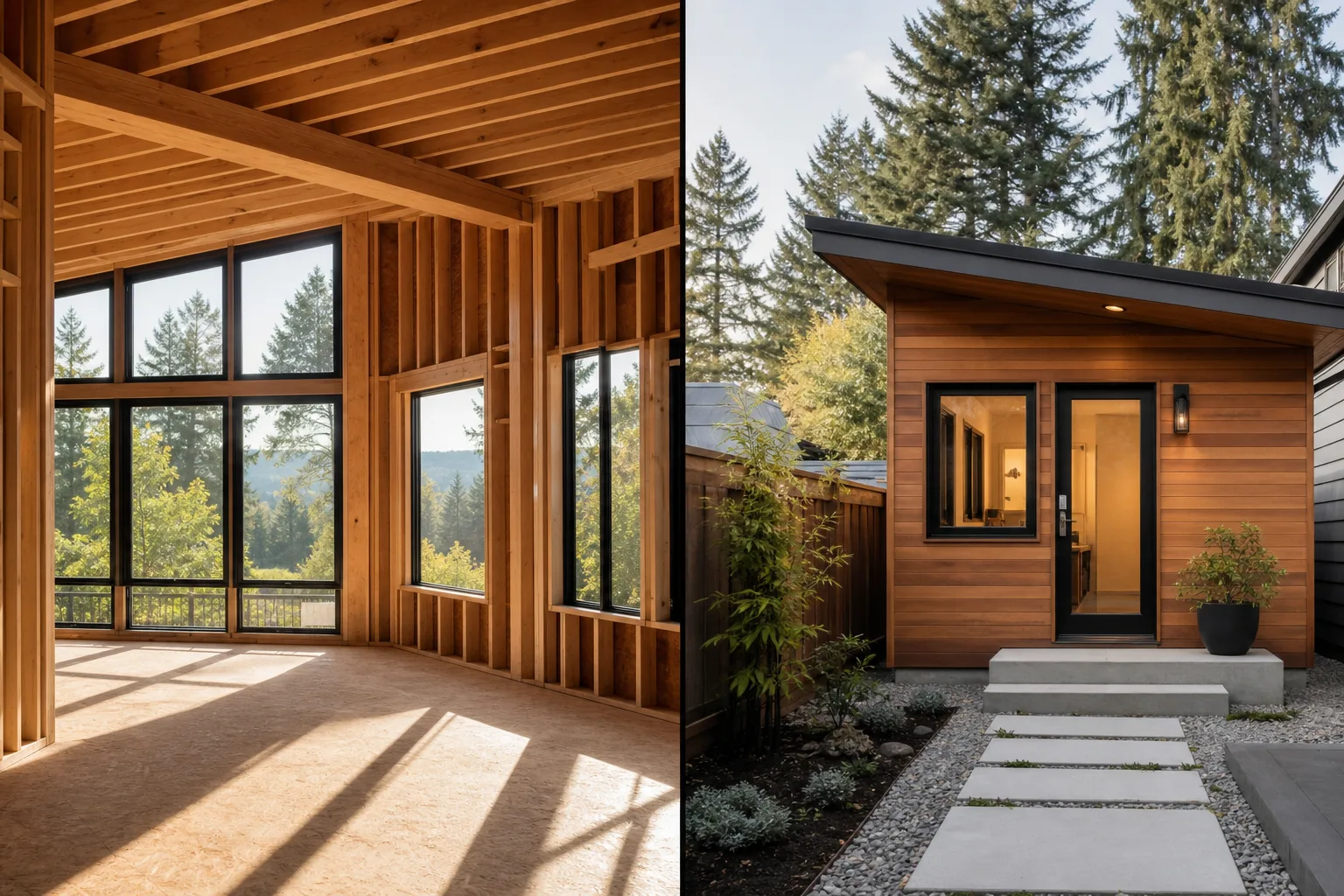
Compare home additions and accessory dwelling units across cost, timeline, ROI, and zoning in the Bellevue metro.
More Articles
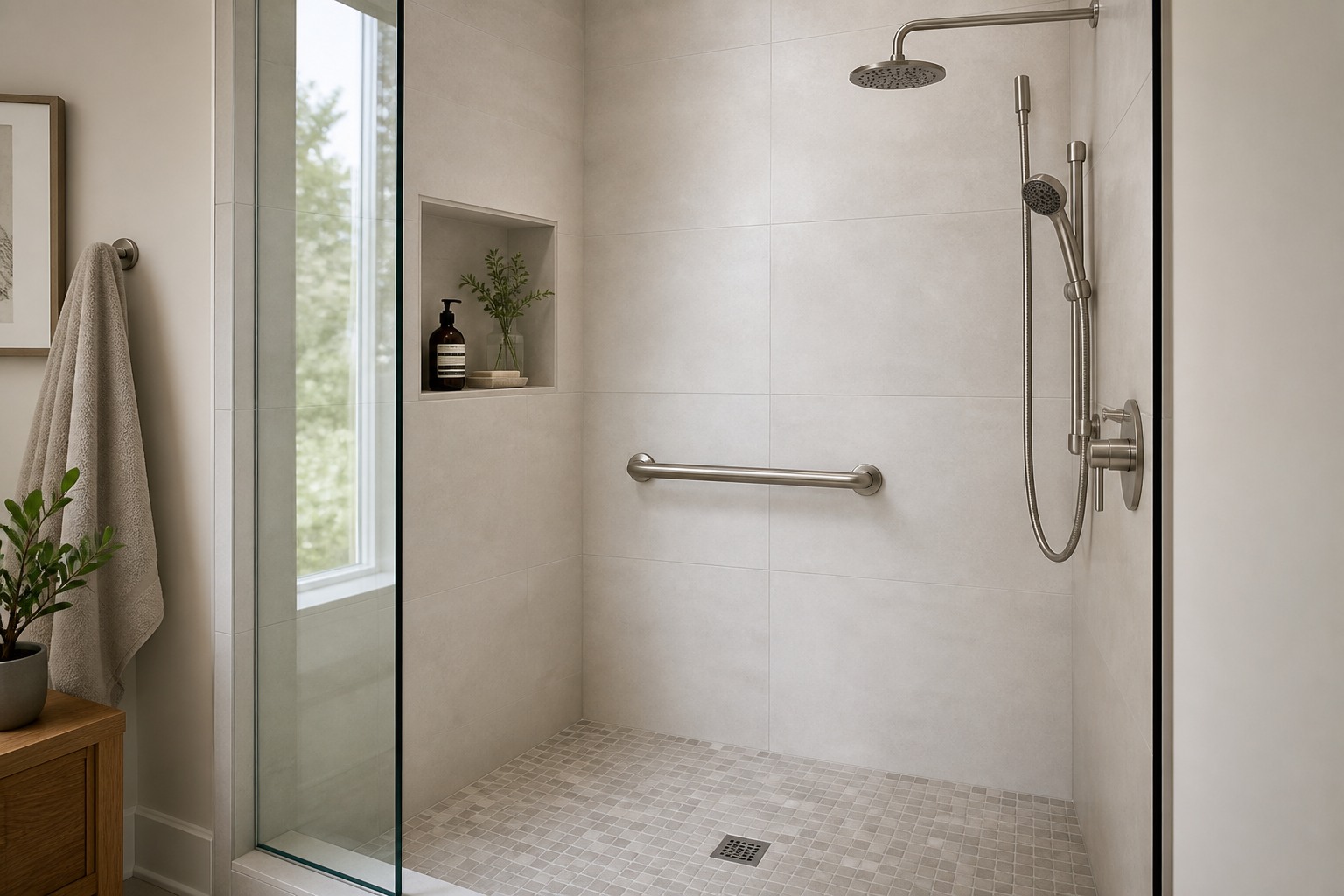
Grab bars are the most visible aging-in-place feature in a bathroom and the easiest to retrofit. The features that actually determine whether someone can use the room independently as they age are built into the original layout.
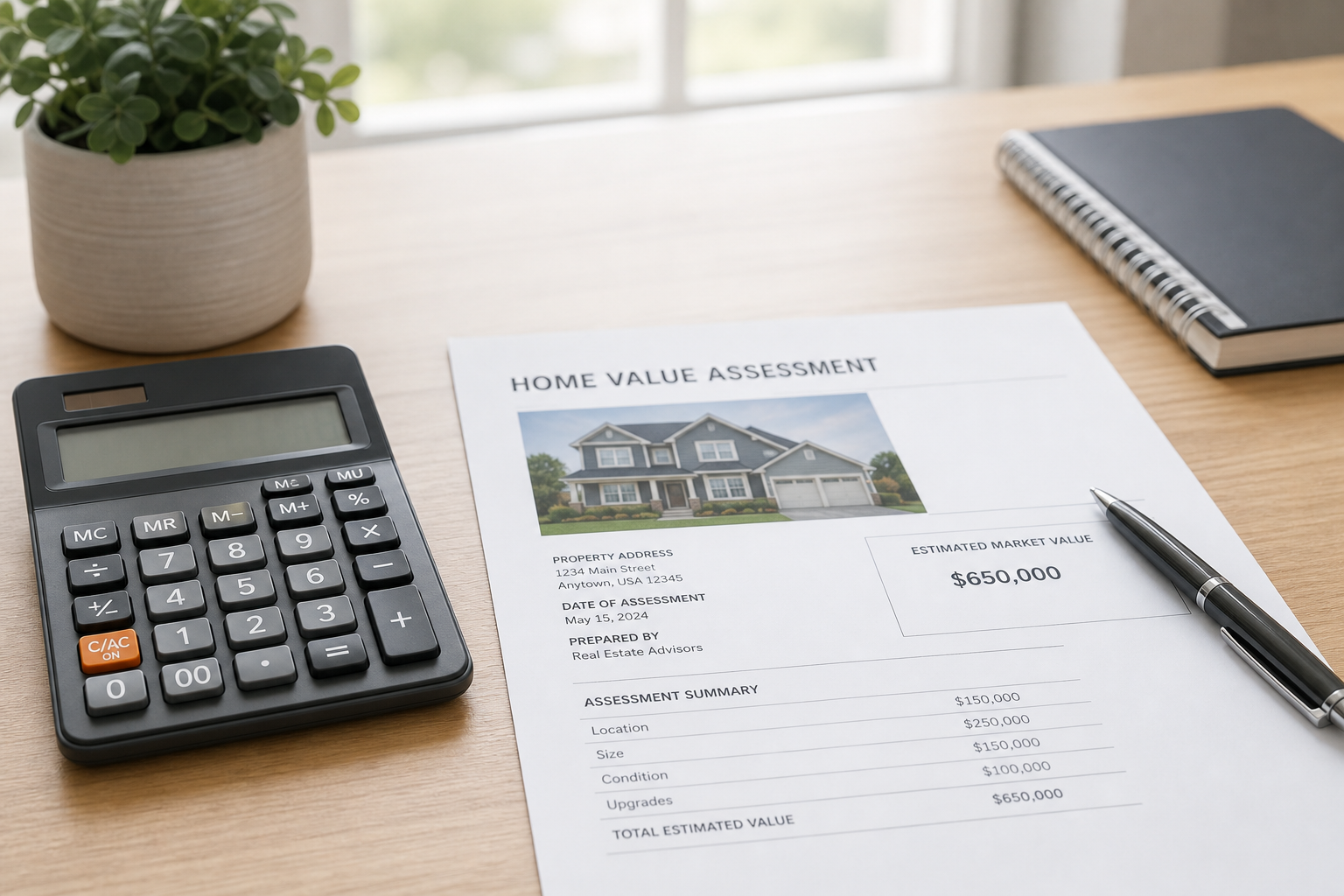
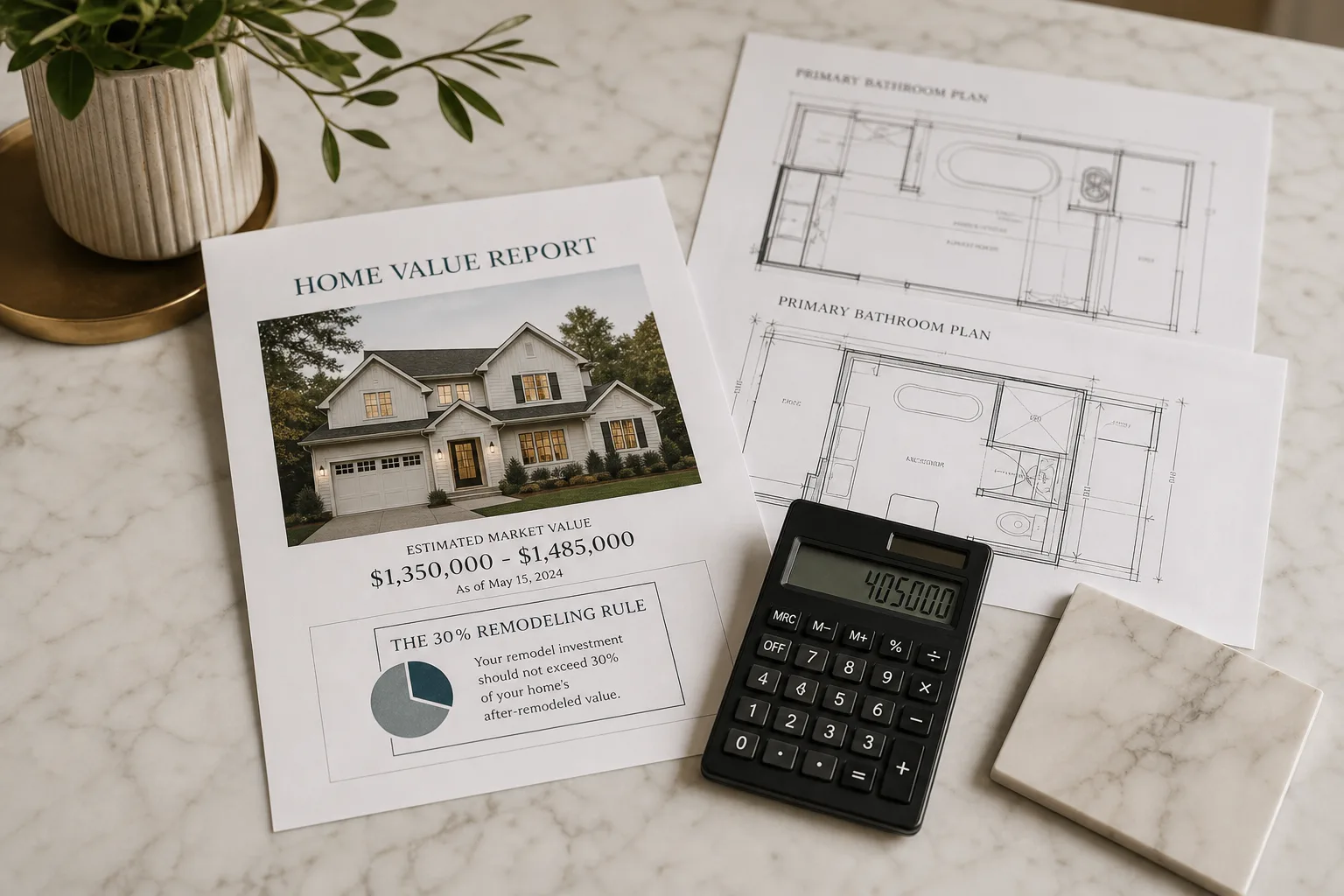
The 30 percent rule says don't spend more than 30 percent of your home's value on a bathroom renovation. It's a useful guardrail for some households and actively misleading for others.
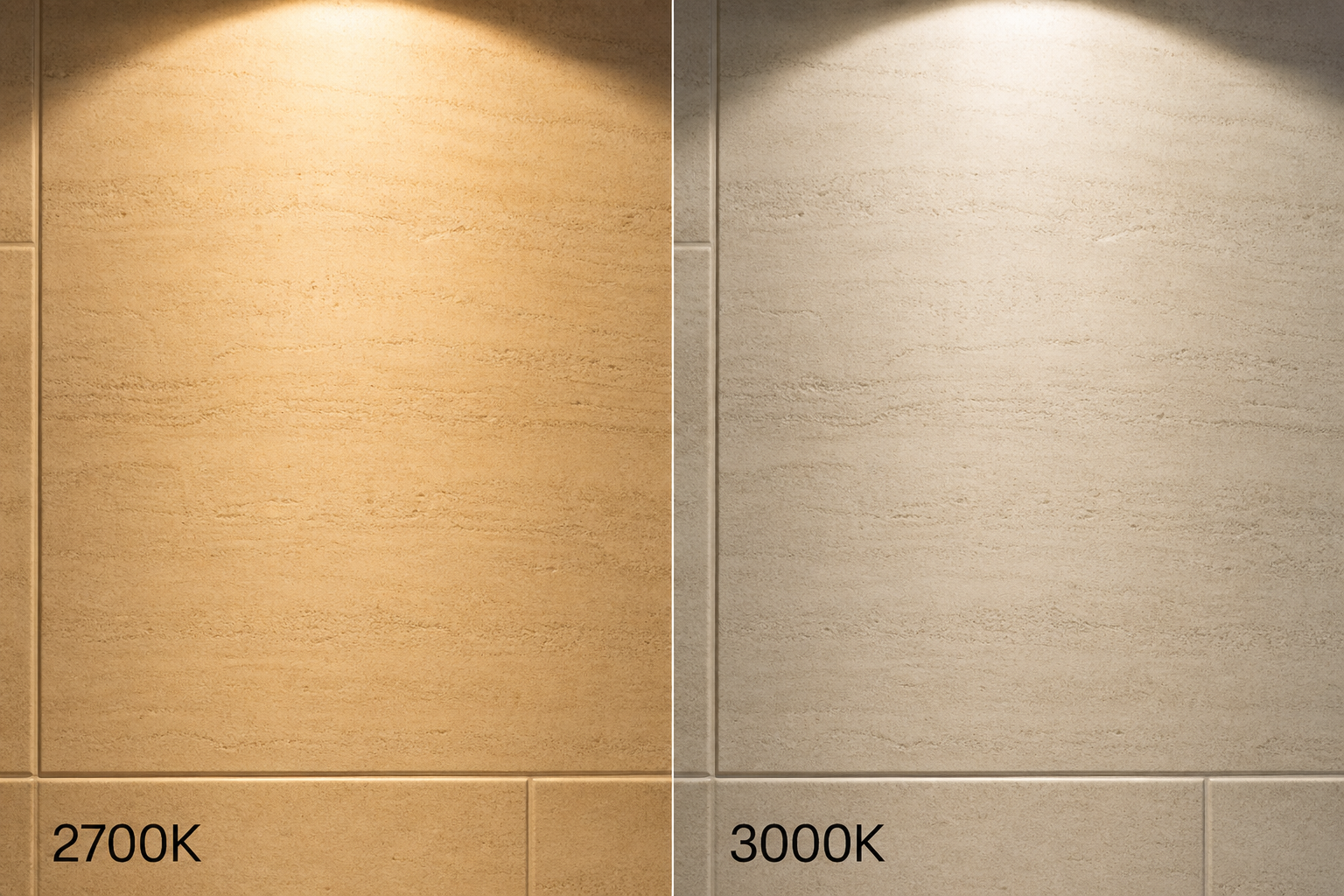
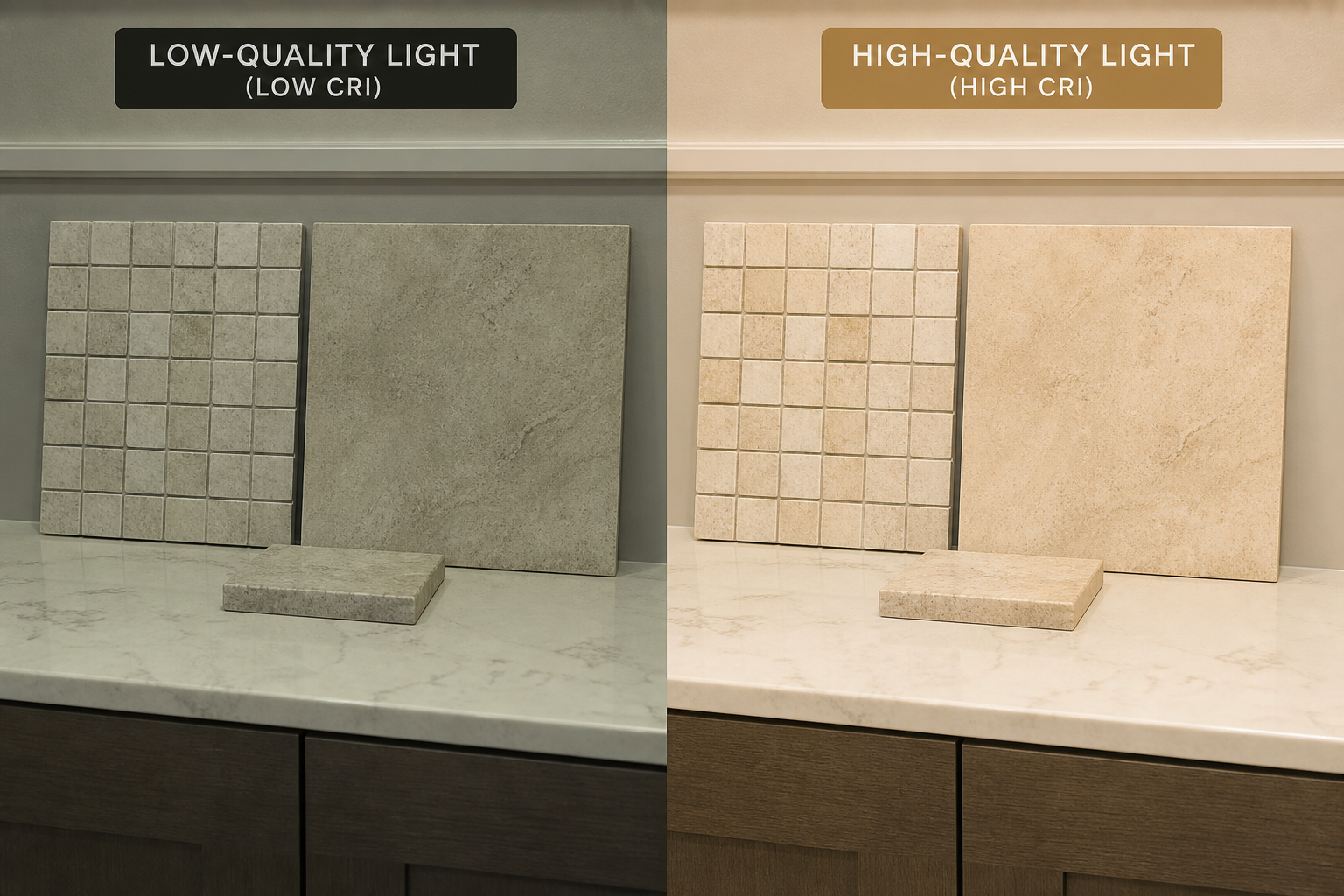
The color temperature you choose for a bathroom is a specification with visual consequences for every material in the room. It should be decided before tile samples arrive, not after.
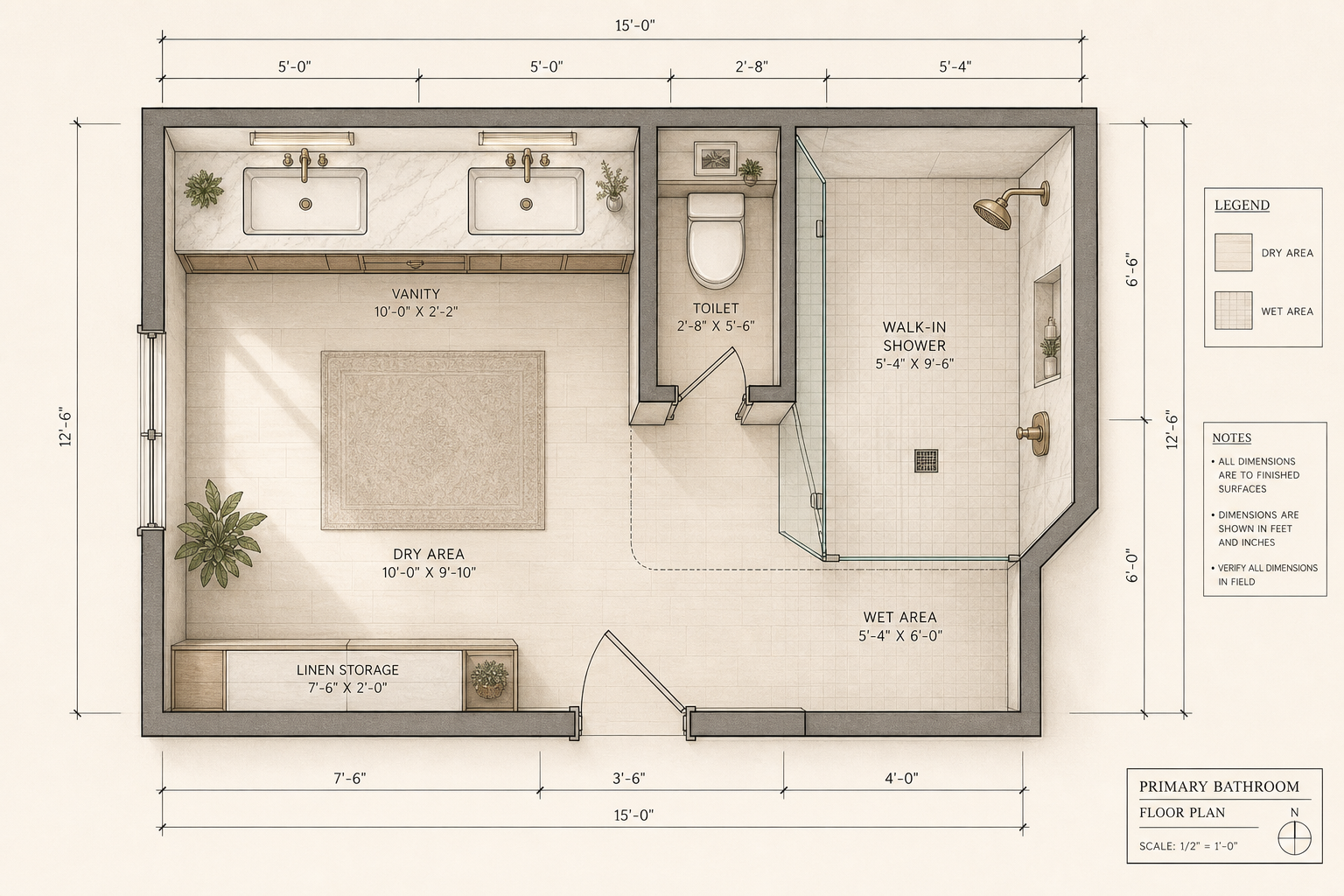
Most primary bathrooms are designed as single-user rooms and operated as two-user rooms. That mismatch is the source of most morning friction, and it is almost entirely solvable at the layout stage.
Instagram bathroom design is recognizable because it is derivative. The way out is not to avoid social media but to understand why every bathroom on it looks the same, and build from something more specific.
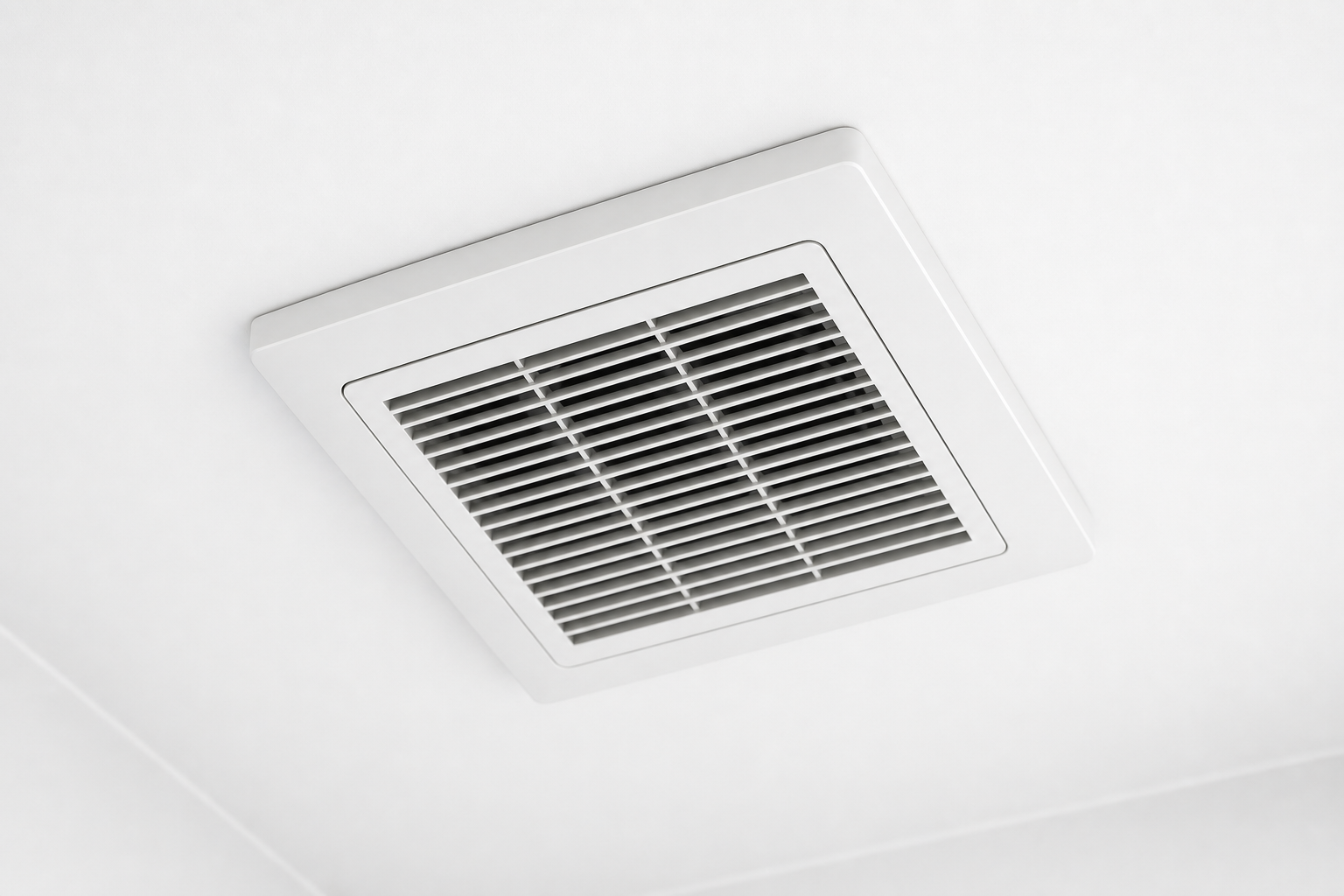
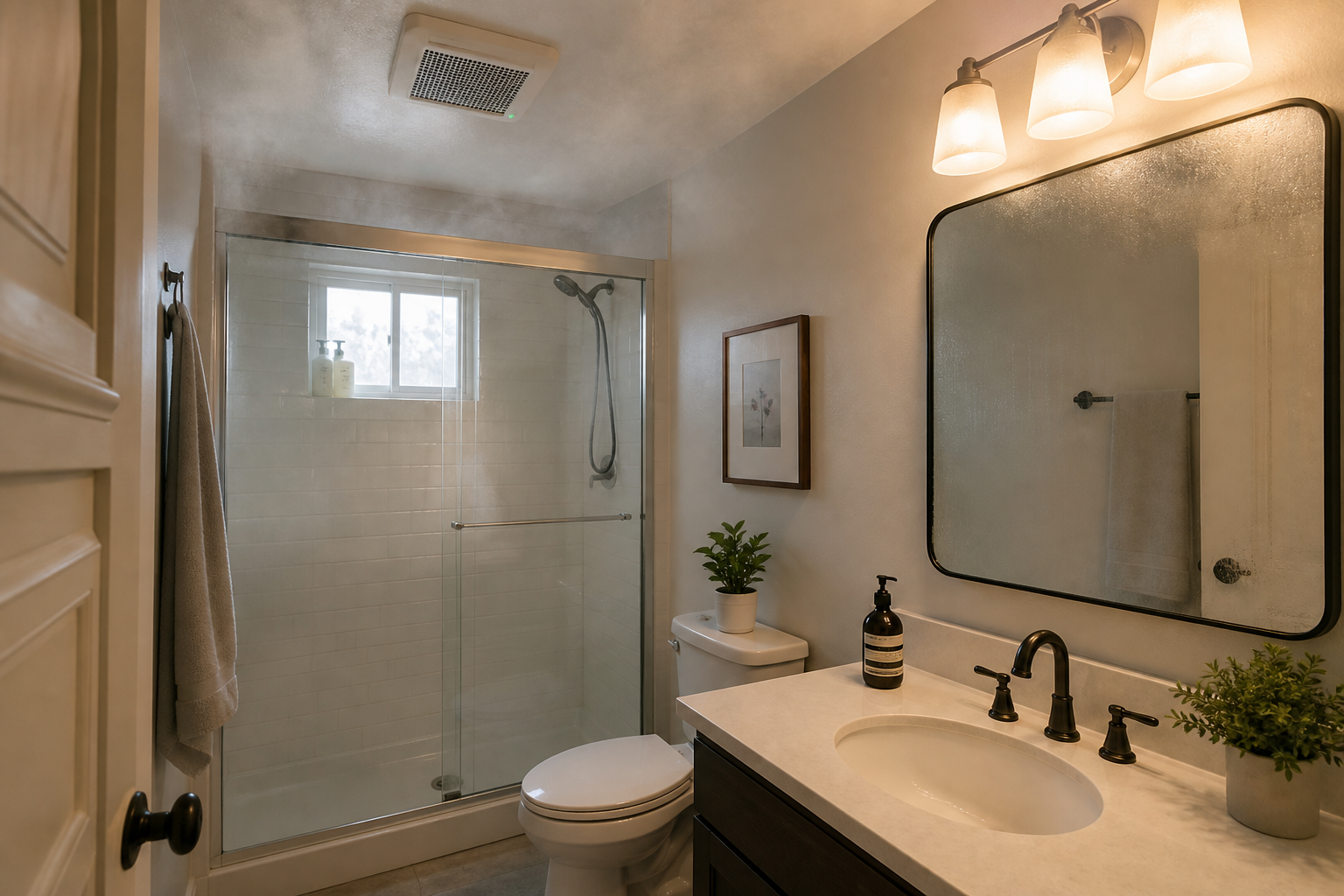
The bathroom exhaust fan determines whether every material in the room dries between uses or stays chronically damp. It is the most consequential decision in the room and the most commonly under-specified.
Some bathroom choices are worth the same on day one as they are in year ten. Others compound. The compounding features are almost never the ones that photograph best.
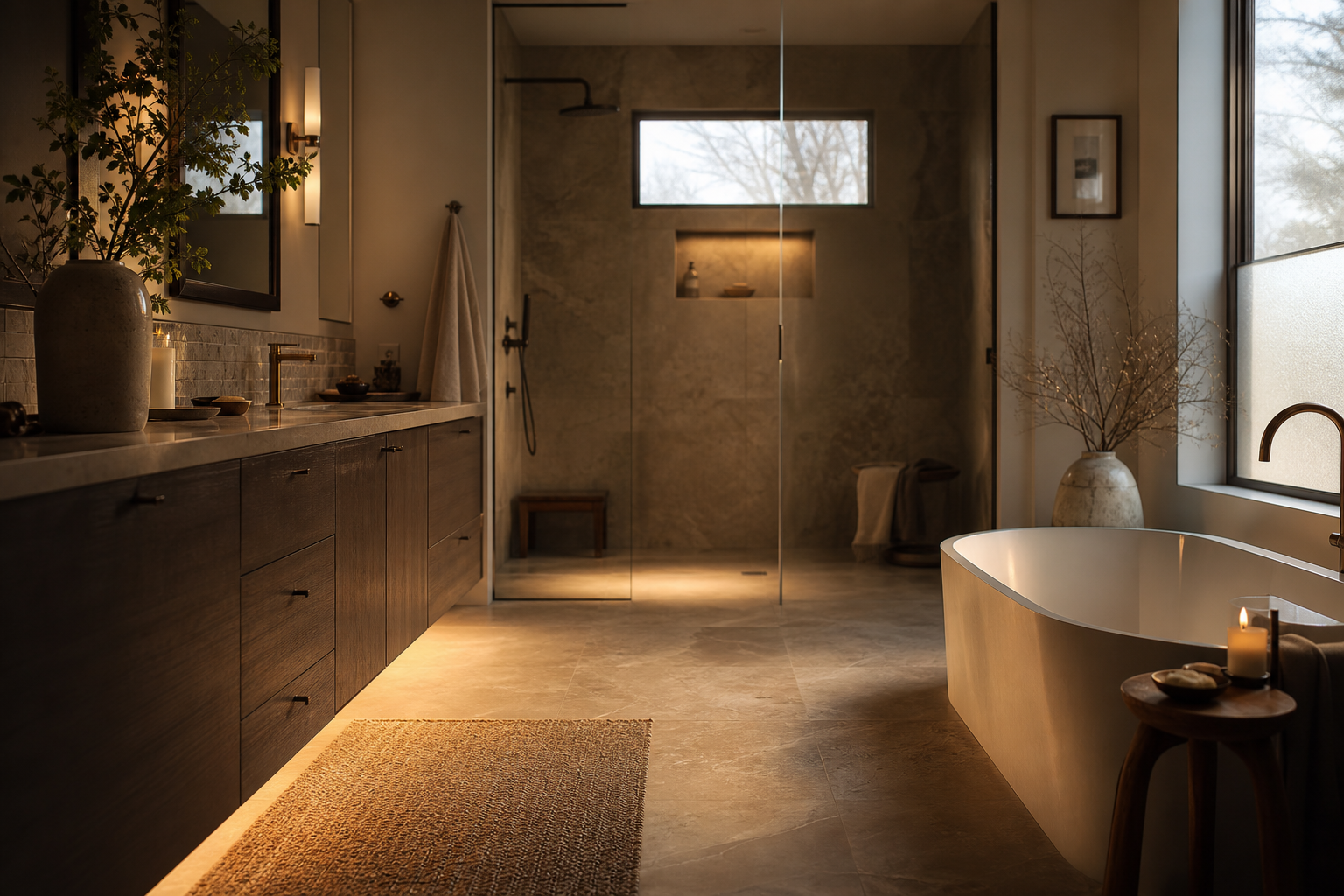
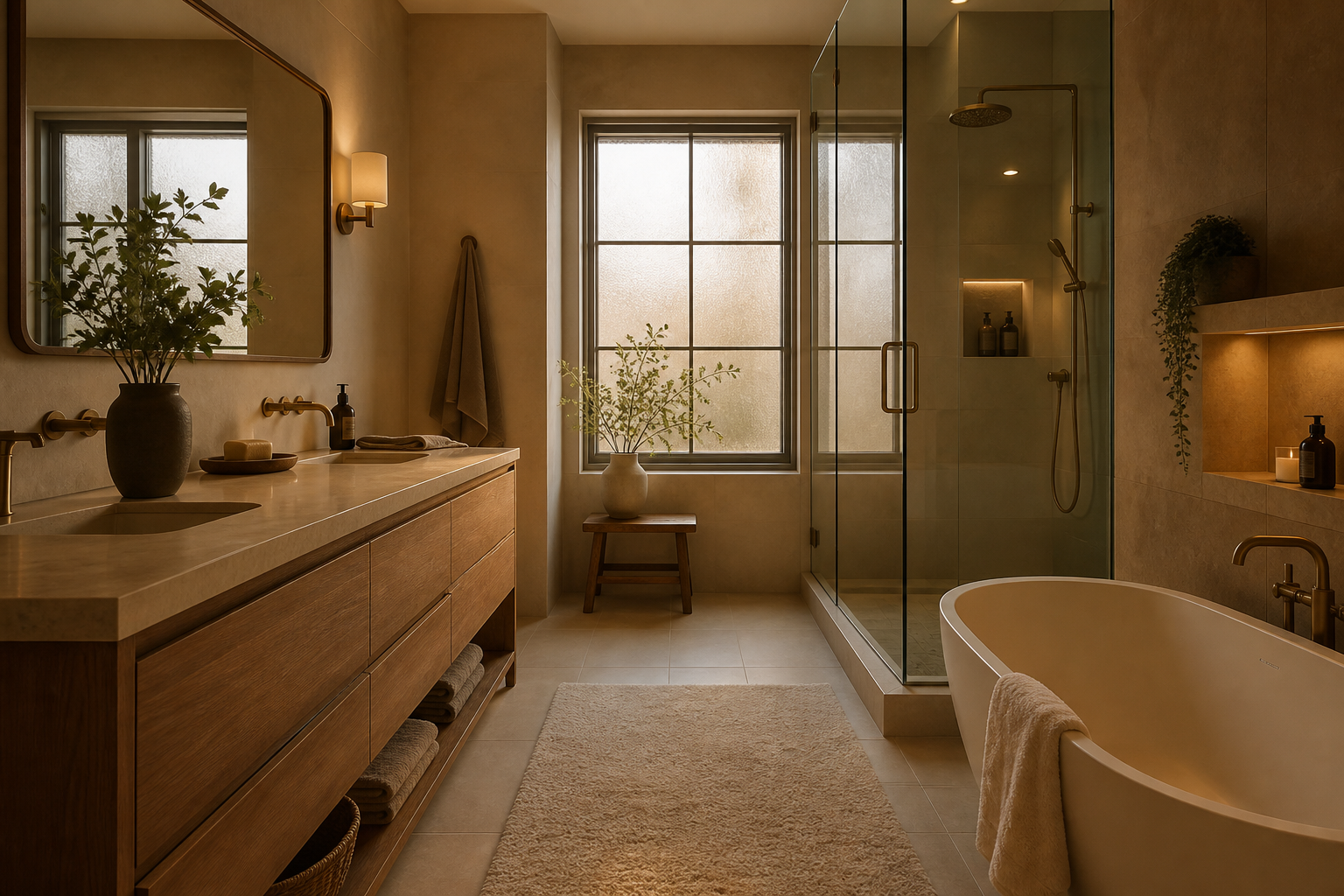
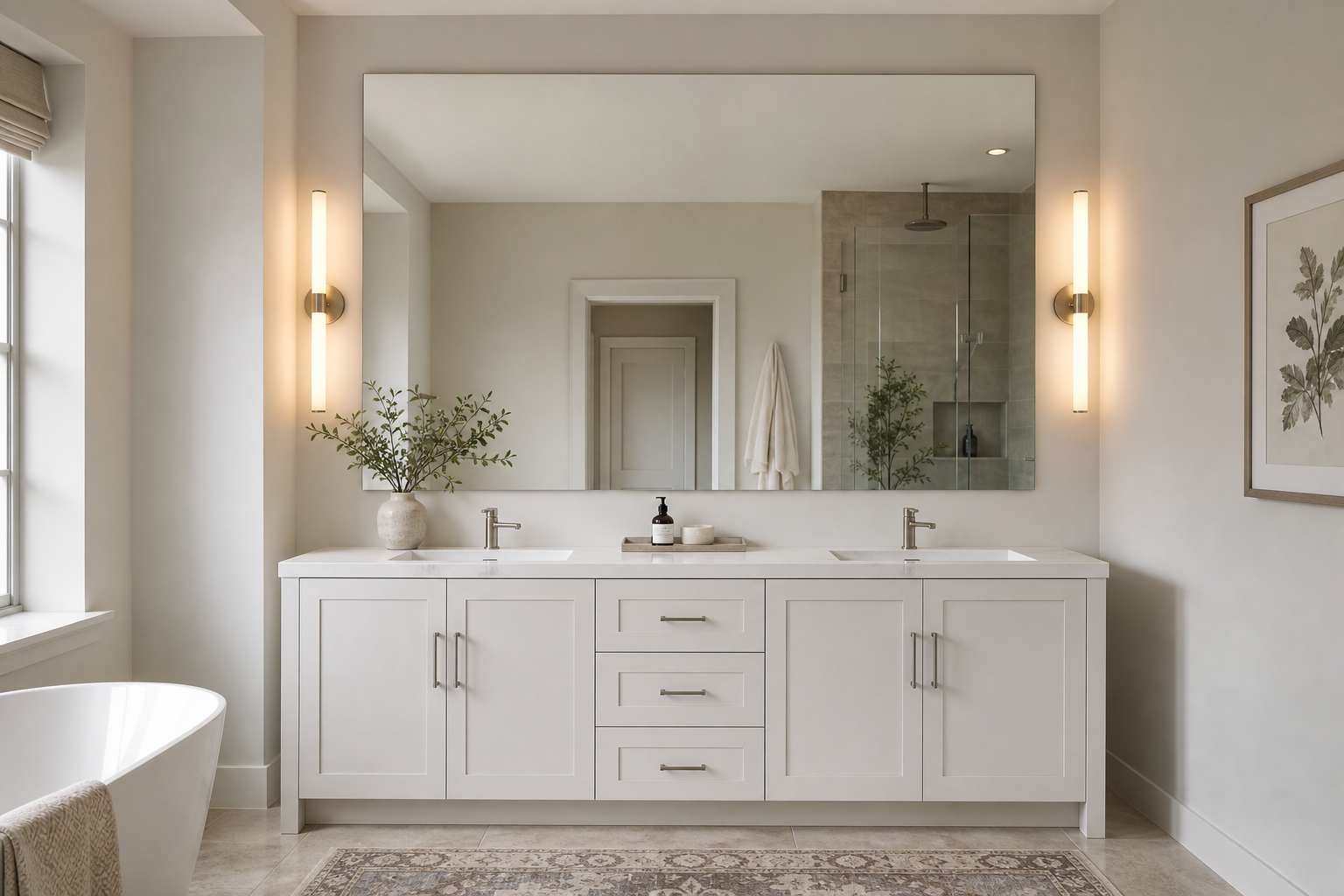
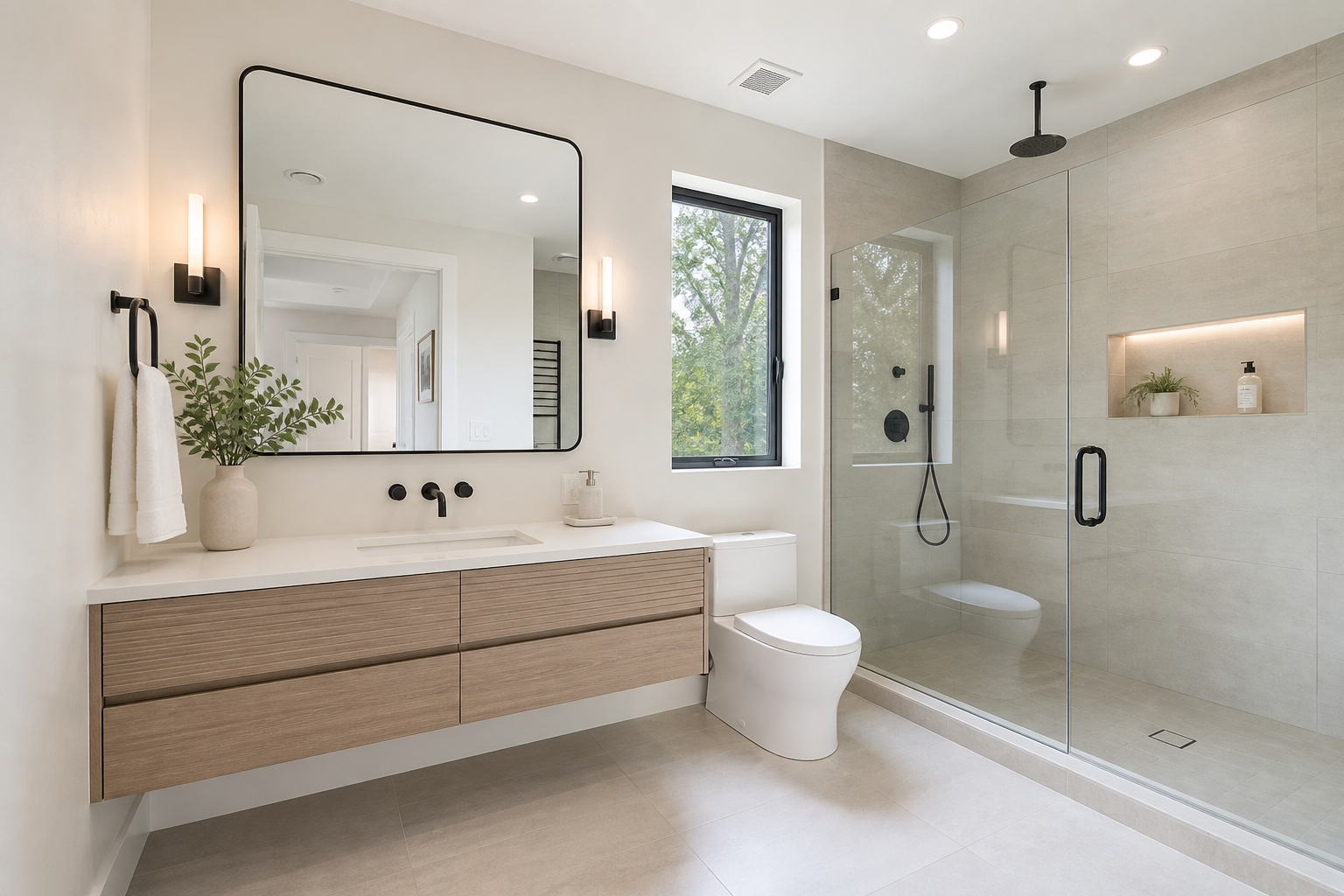
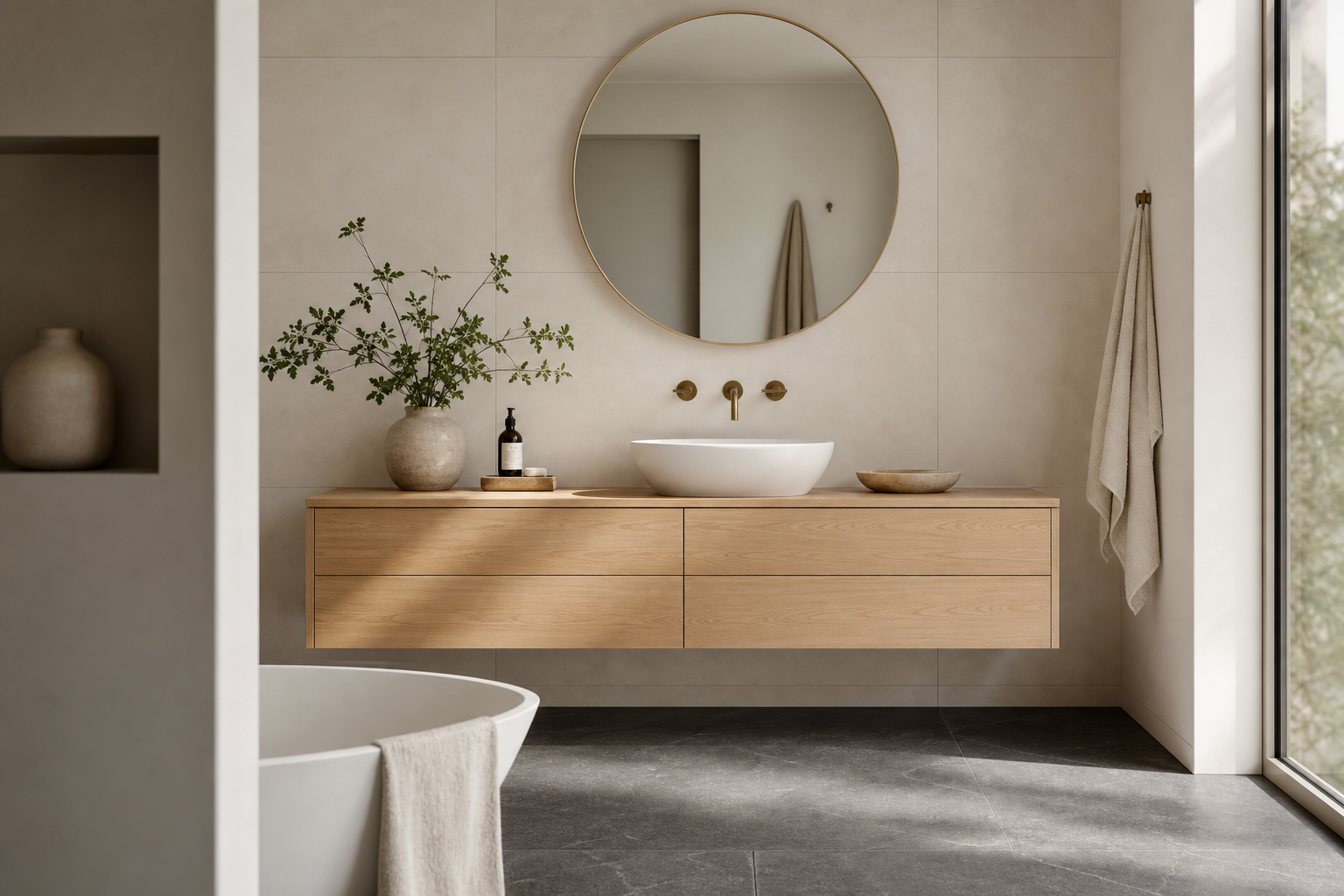
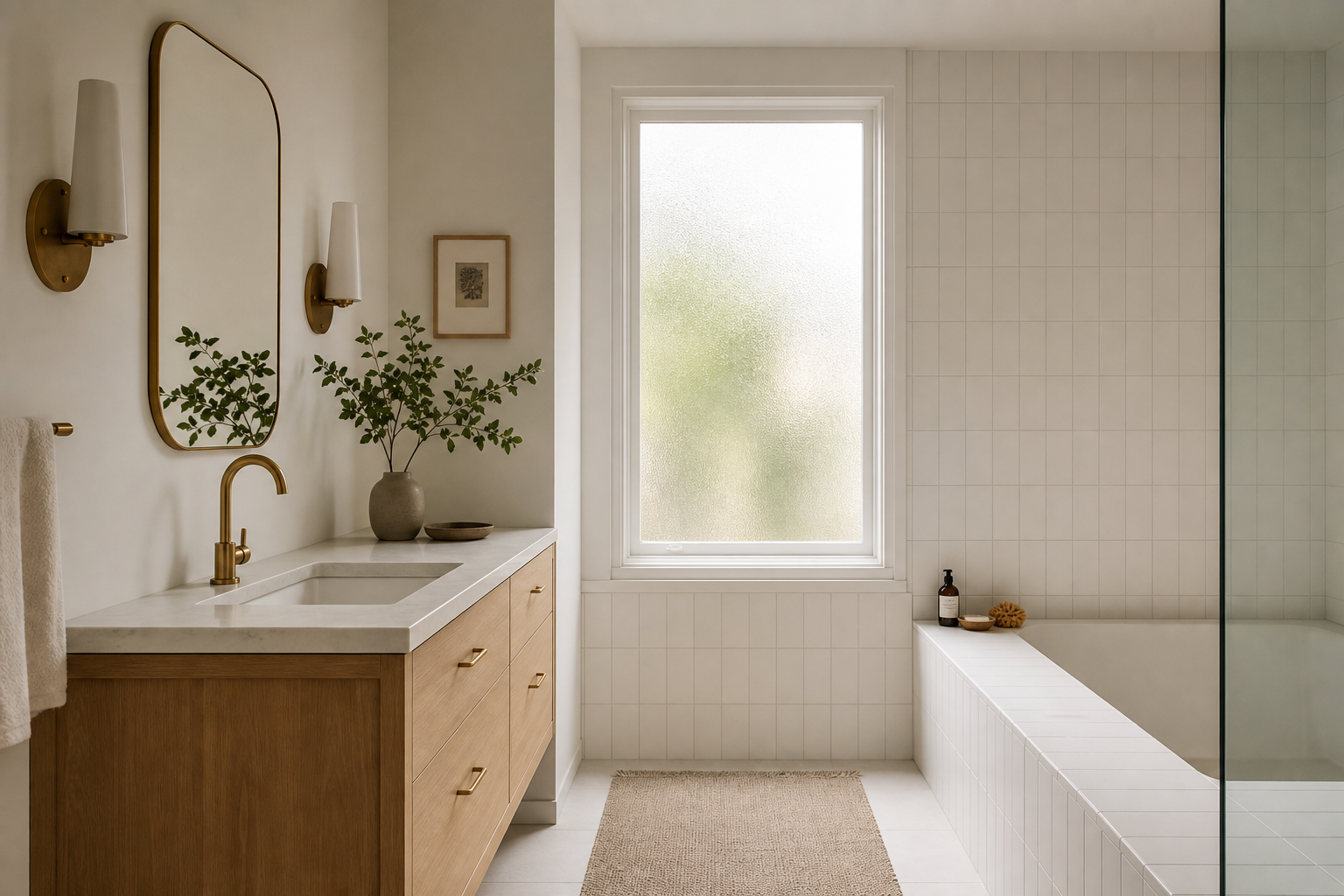
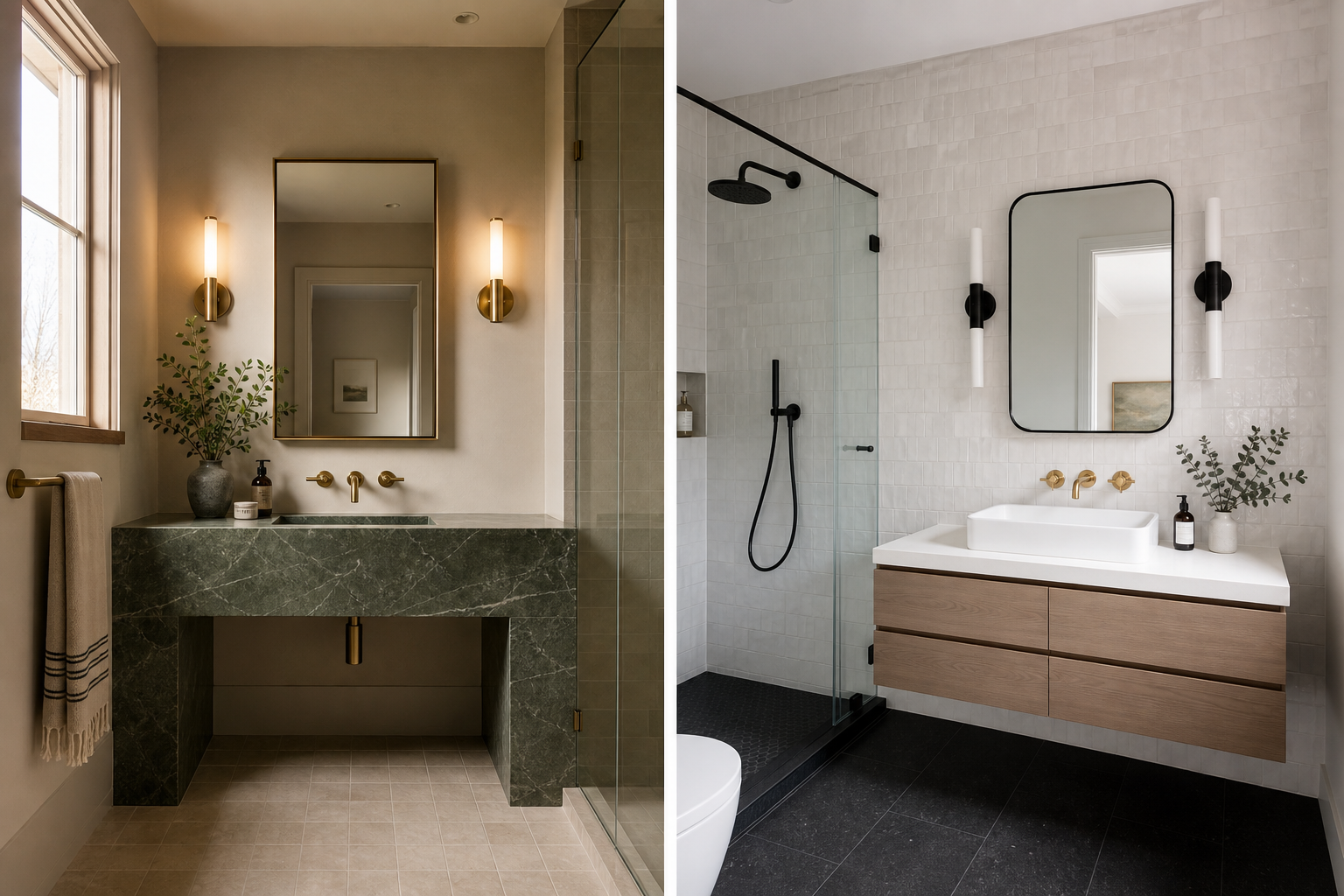
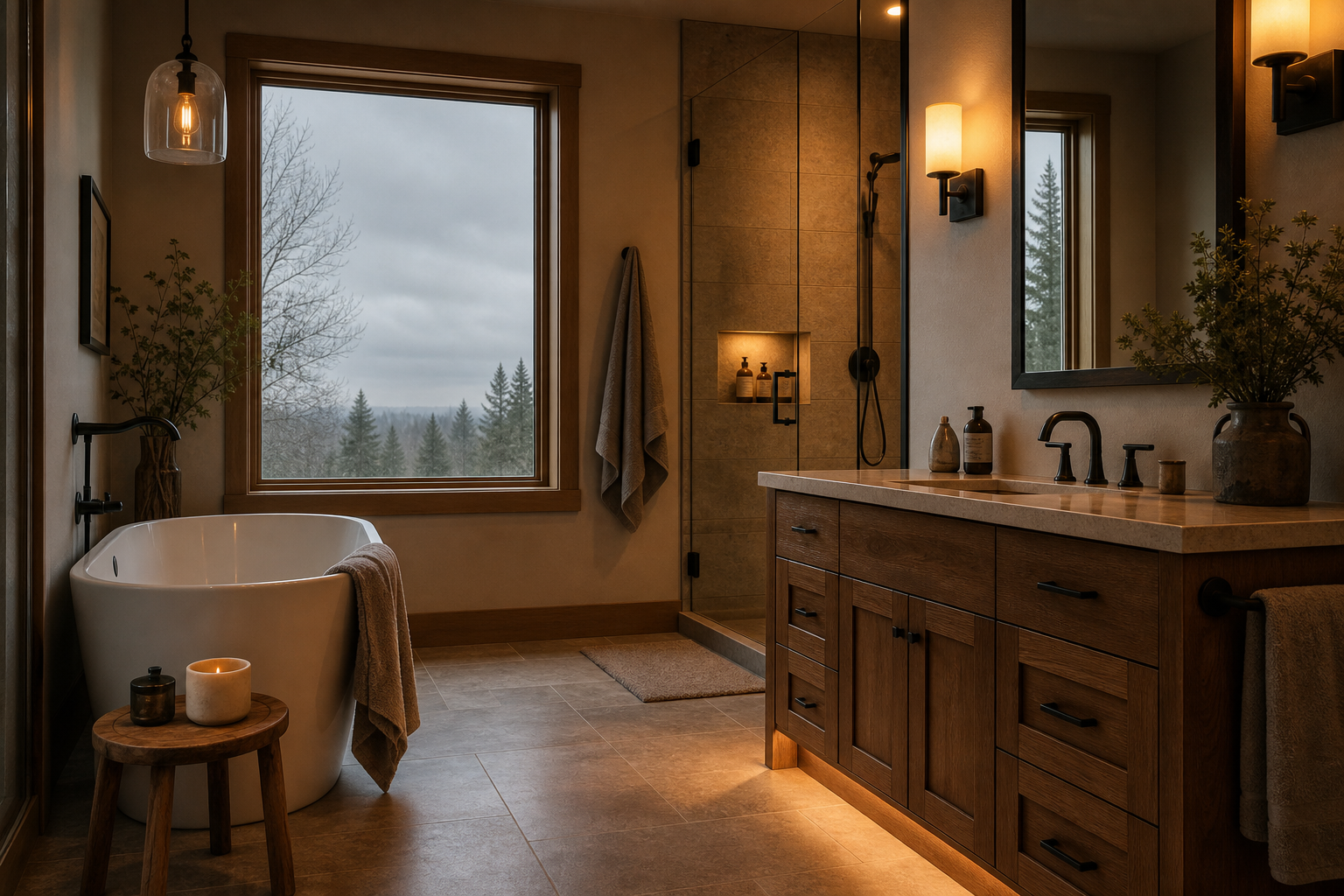
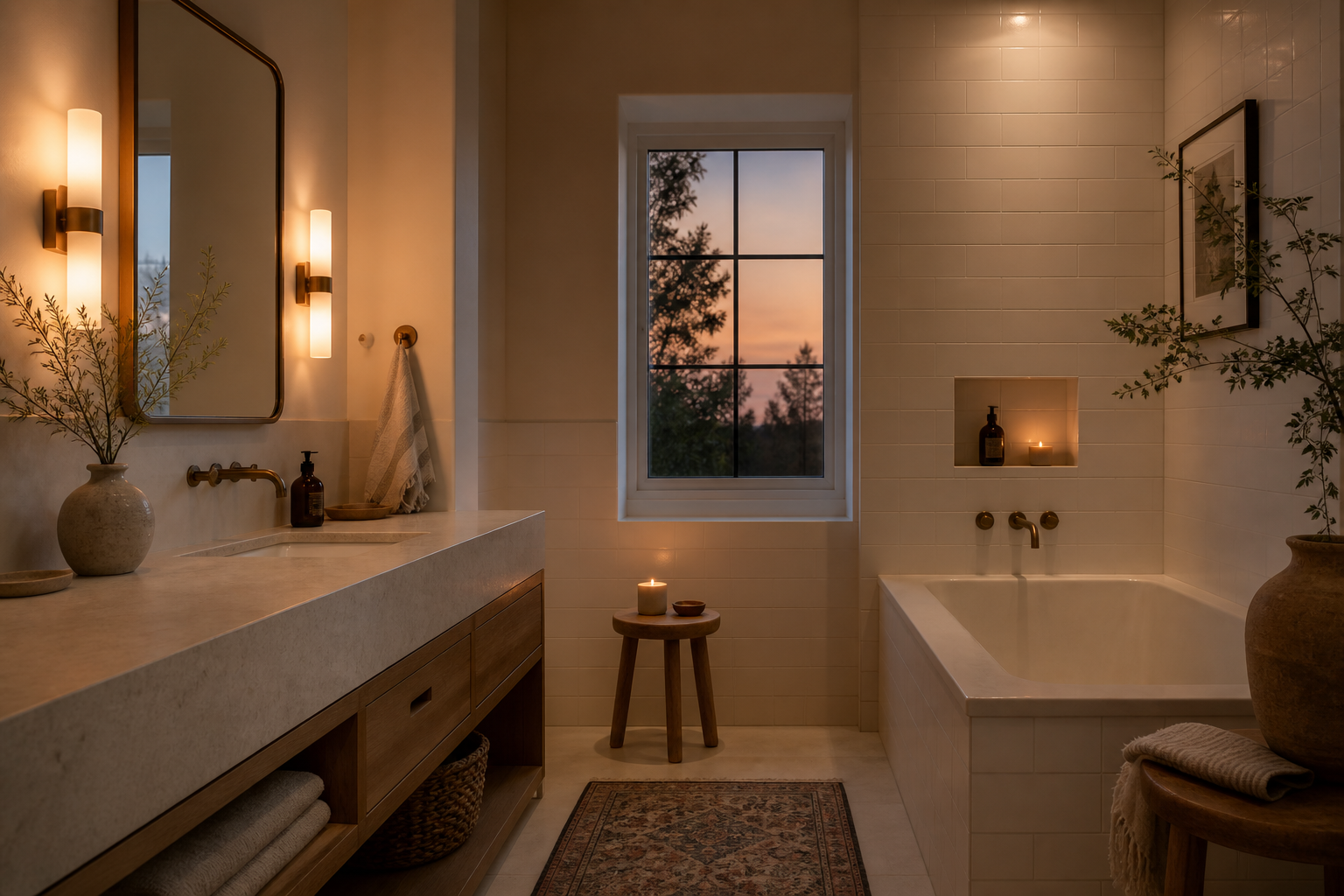
The clinical bathroom is white and bright. The calm bathroom is something more specific: proportioned correctly, lit warmly, and finished with materials that have visual weight without visual noise.
A shared primary bathroom that runs on taking turns is not being used the way it was built. Most of the friction in a couple's morning routine is a layout problem, and it is solvable before the tile is chosen.
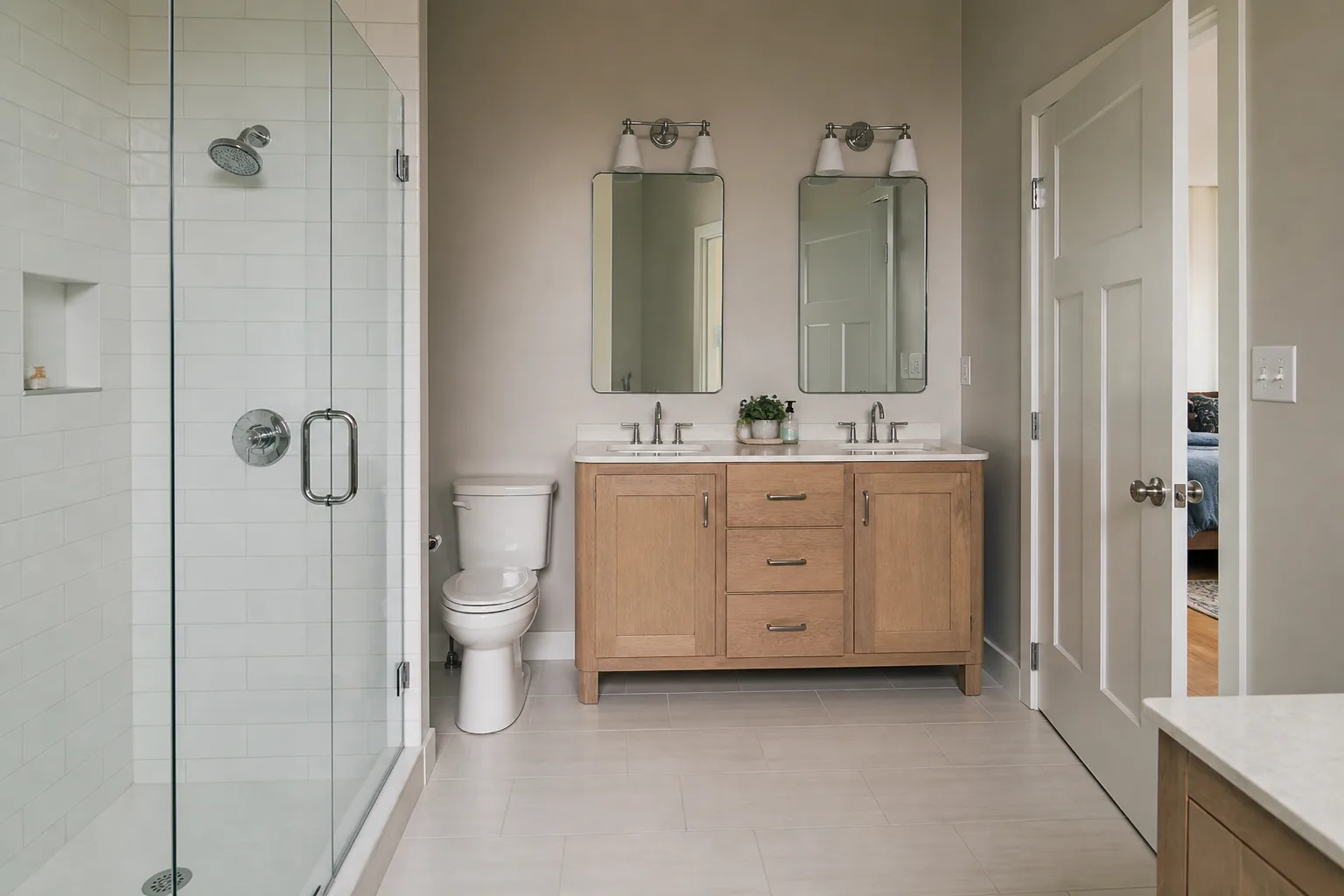
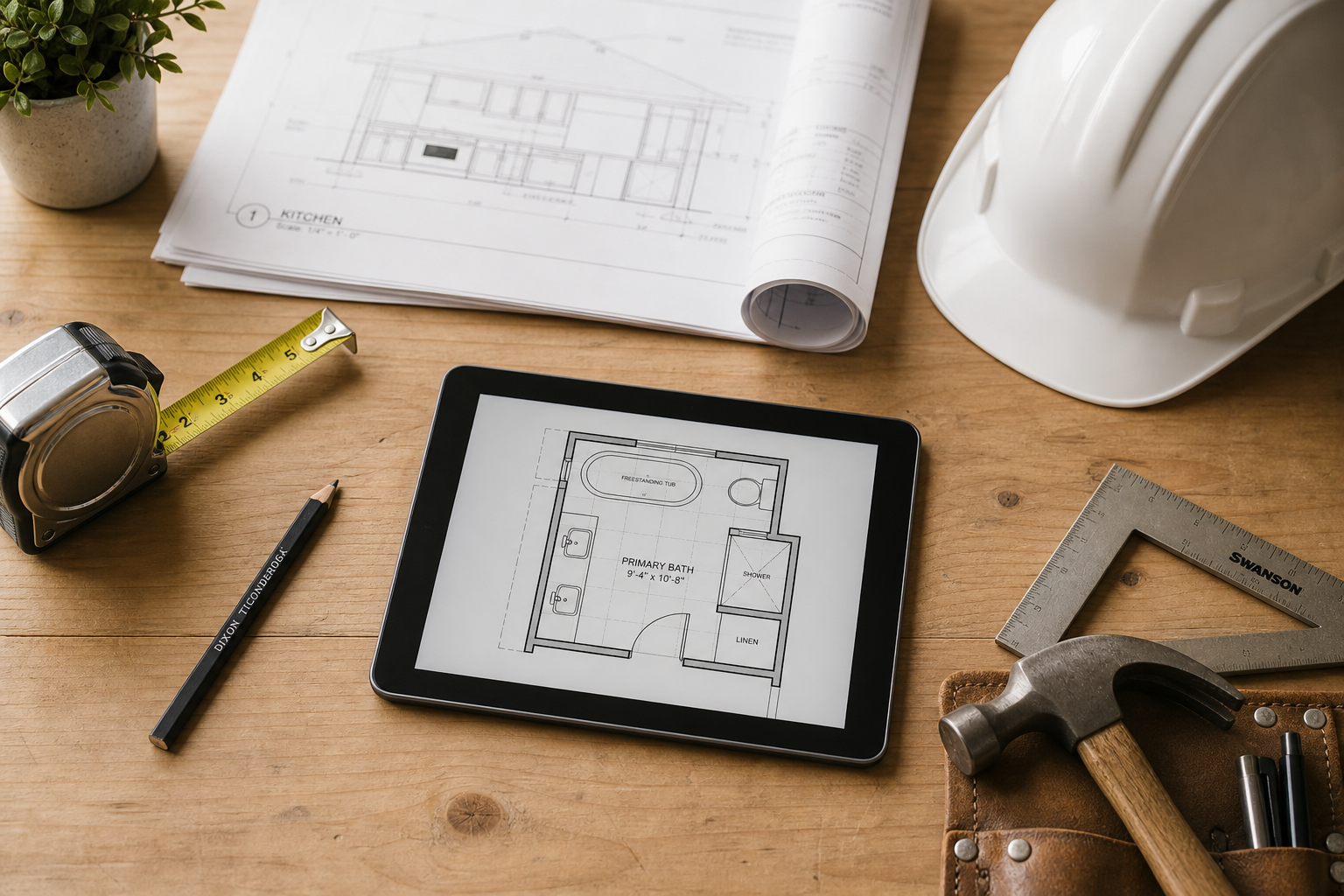
Most bathroom frustration is ergonomic, not aesthetic. The grout isn't the problem. The door is. The clearances are. The mirror is in the wrong place. Here's how to read what your layout is actually doing to you.
CRI measures how accurately a light source renders color. Below 90, skin tones look wrong, makeup cannot be trusted, and the room feels off in a way that is hard to name. Above 90, the problem disappears.
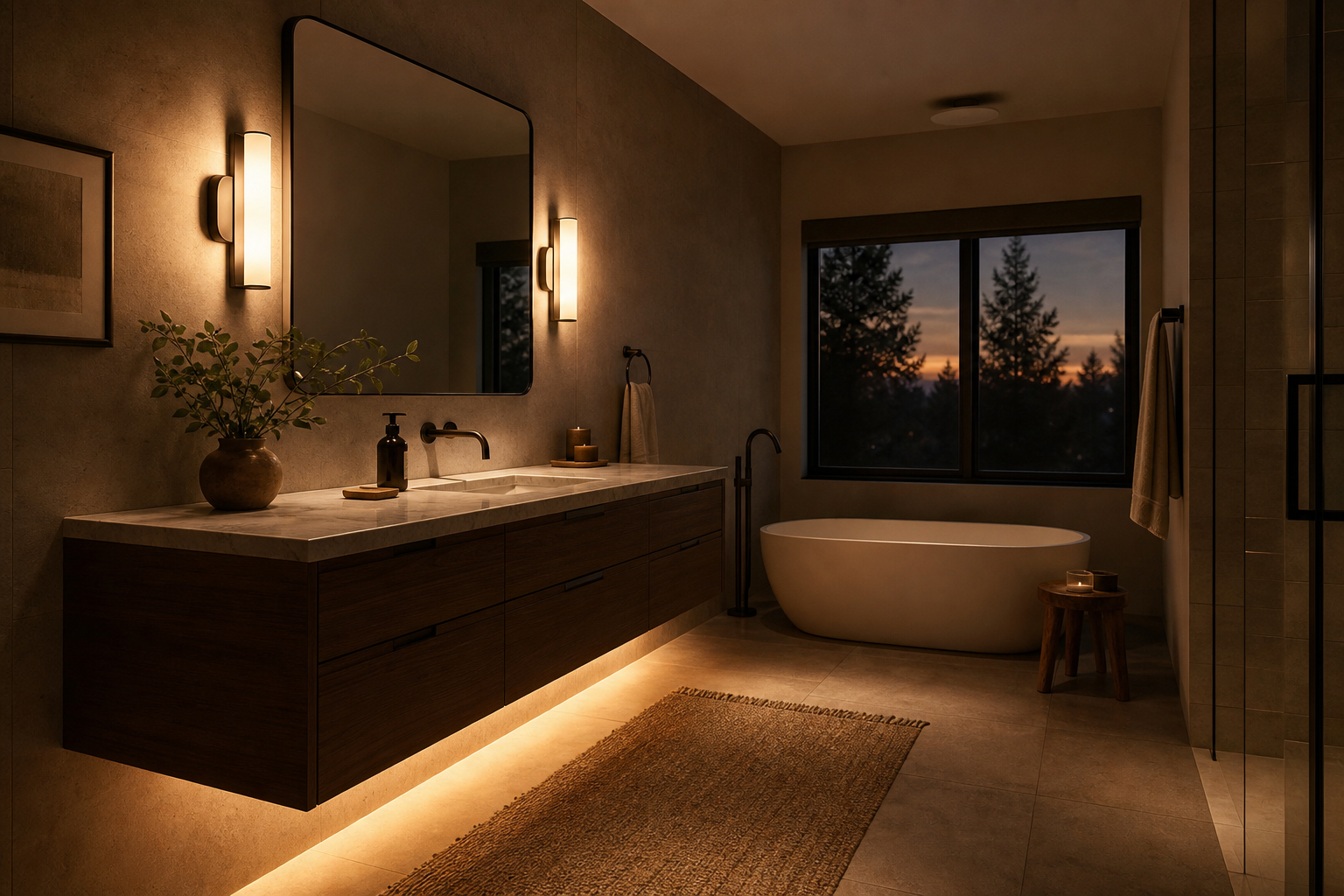
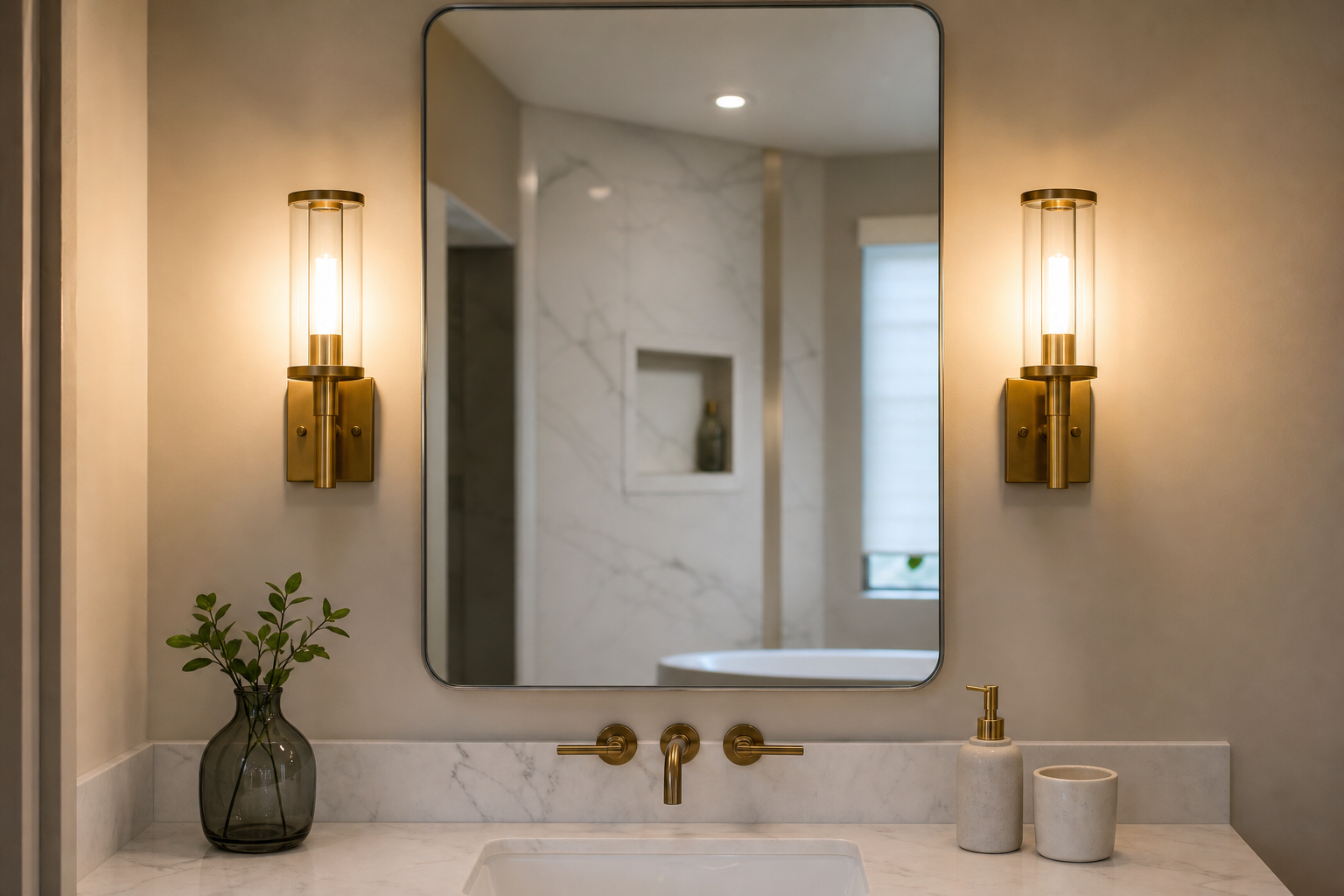
A bathroom that operates on a single switch is a bathroom optimized for one use case. Most bathrooms have four. Here is how layered lighting works and why it changes how the room feels at every hour of the day.
The material that costs less to install often costs more to maintain. Here is an honest accounting of what different bathroom material choices actually demand over a decade.
A mirror hung to standard height for a 5'6\" user becomes a problem for everyone taller and shorter. The correct height is the one centered on the faces of the people using it — which varies by household.
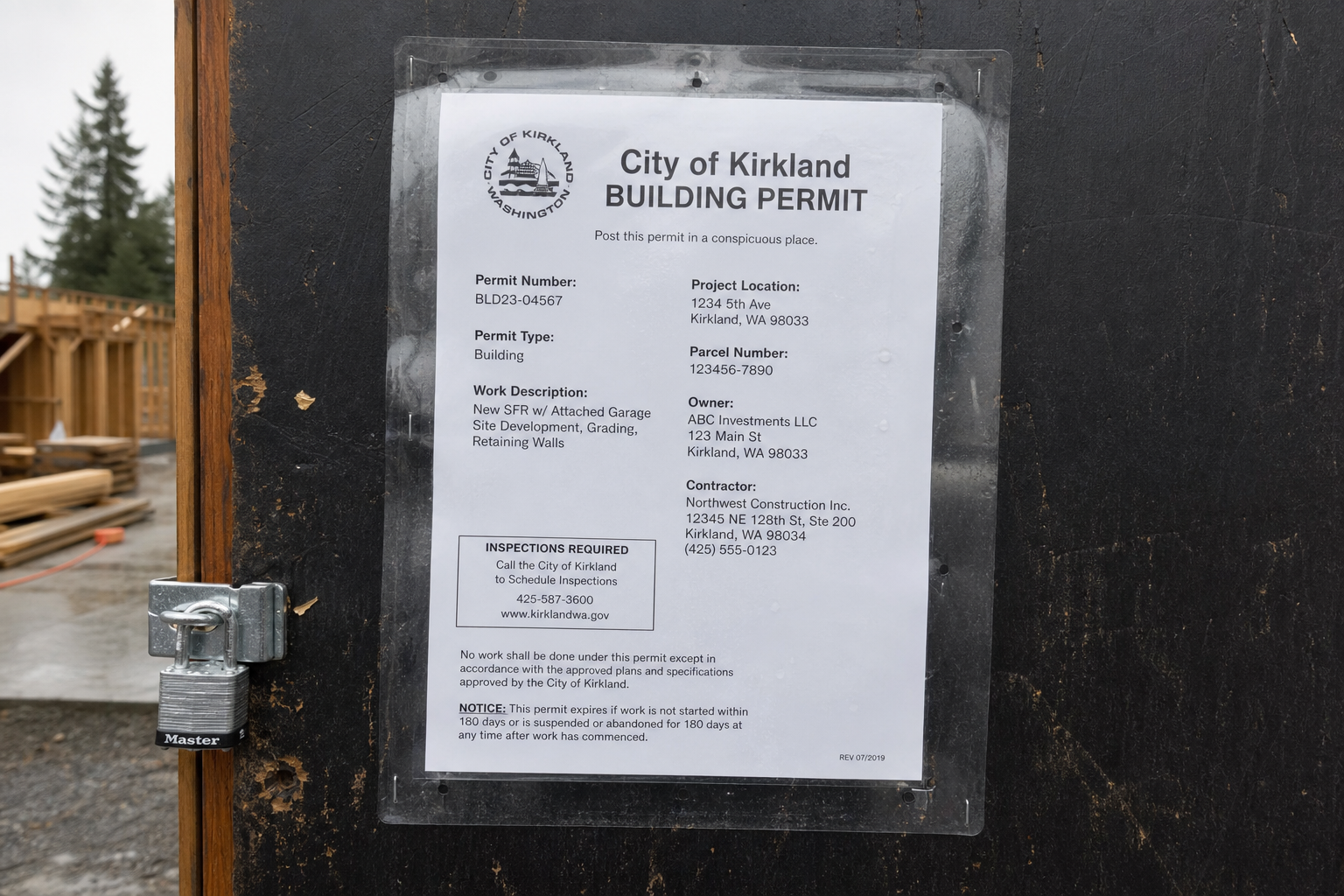
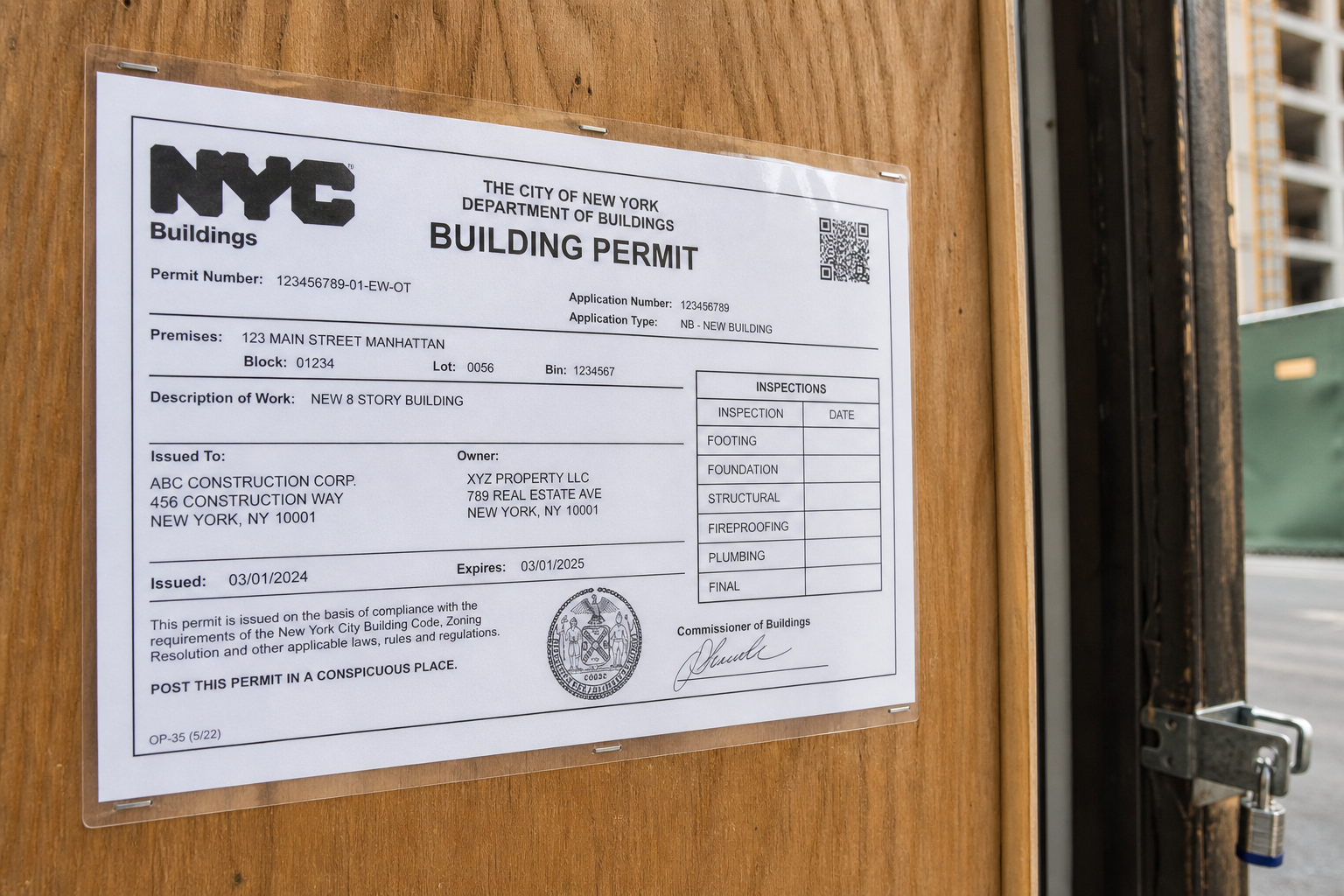
In Washington State, most bathroom remodels that change plumbing, electrical, or structural elements require permits. Here is what triggers a permit requirement and why the answer changes by jurisdiction.
Unpermitted work does not disappear when the inspector never shows up. It shows up in the disclosure at sale, in the insurance claim that gets denied, and in the buyer's inspection that finds work that cannot be verified.
Personality in a bathroom is not decoration. It is specificity about how a household actually lives — and that specificity is the one thing no trend can replicate.
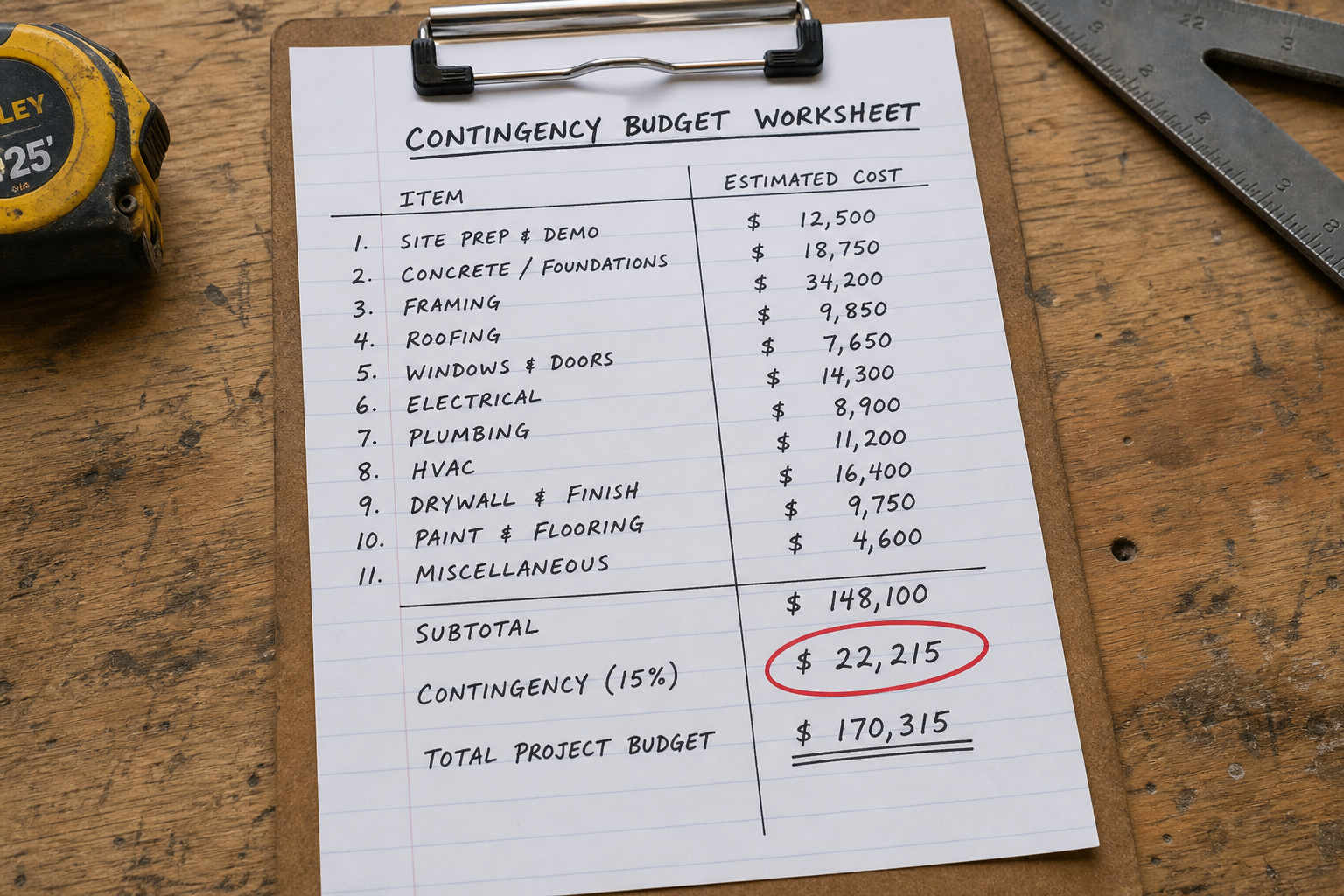
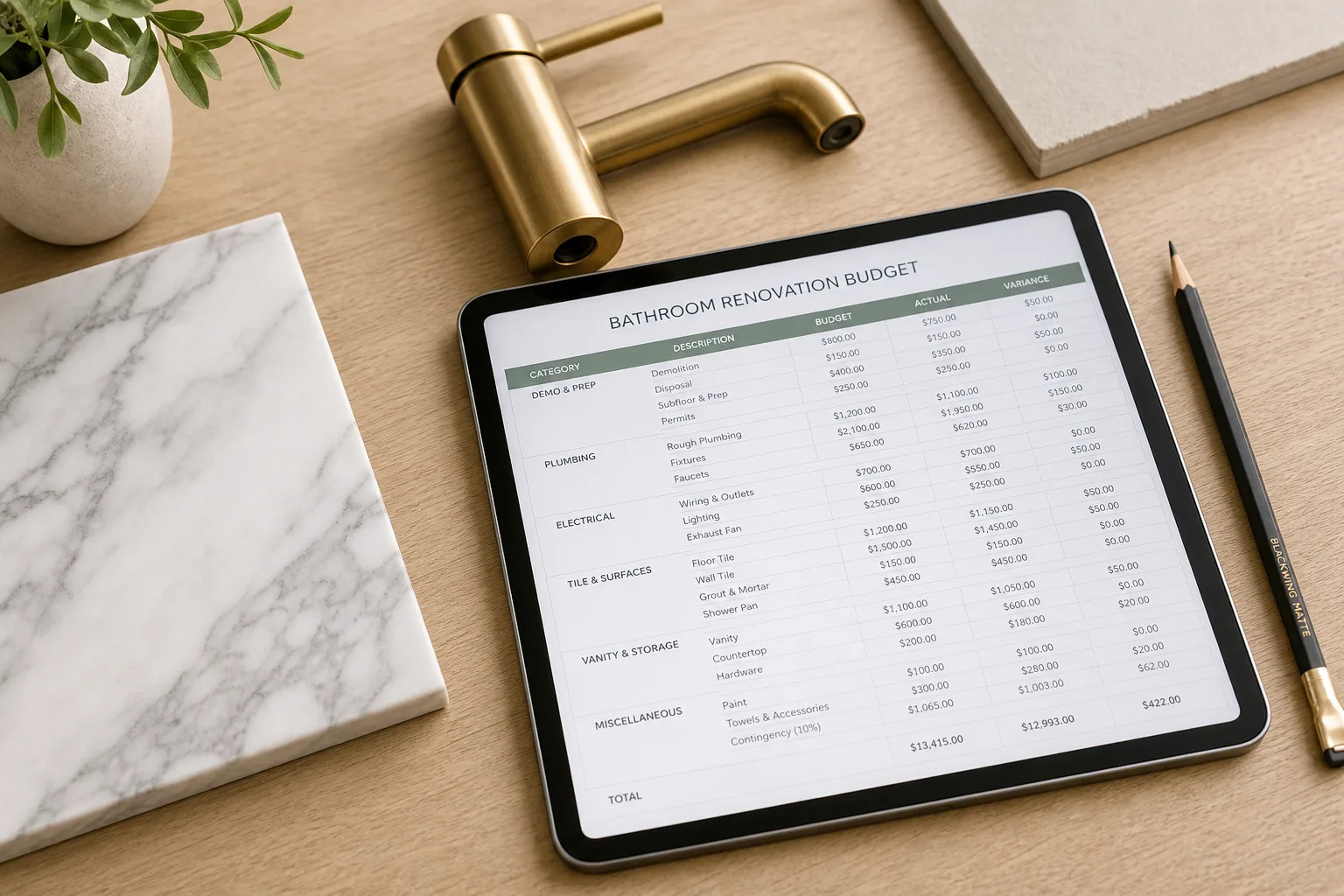
A 10 to 20 percent contingency is not pessimism. It is the difference between a mid-project financial crisis and a decision made calmly with the contractor. Here is what the contingency actually covers, and why some estimates bury it.
A contingency is not padding. It is the honest acknowledgment that a bathroom opened for renovation contains conditions no one can see until demo. Here is what a real contingency covers and why some contractors bury it.
Most renovation regret comes from making decisions in the wrong order. The tile choice that locks in the grout color. The vanity that determined the lighting. The lighting that was never thought about until the walls closed.
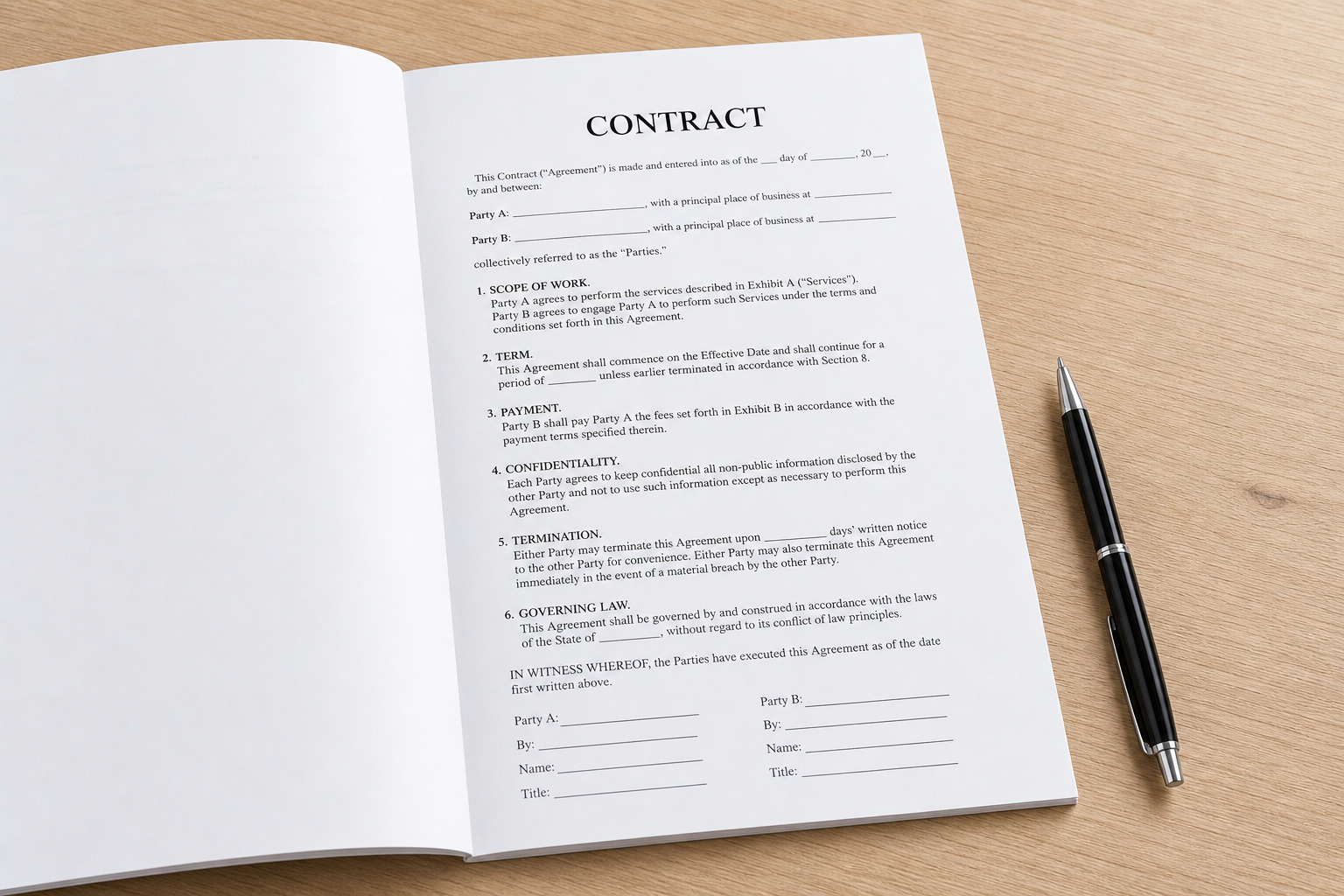
A bathroom remodeling contract that protects both parties specifies more than price and dates. Here is what belongs in it, what is commonly missing, and what absence of a specific clause usually means.
The framework is not about which item is worth the premium. It is about whether the item is in the hidden layer or the visible layer. Those two categories have completely different savings logic.
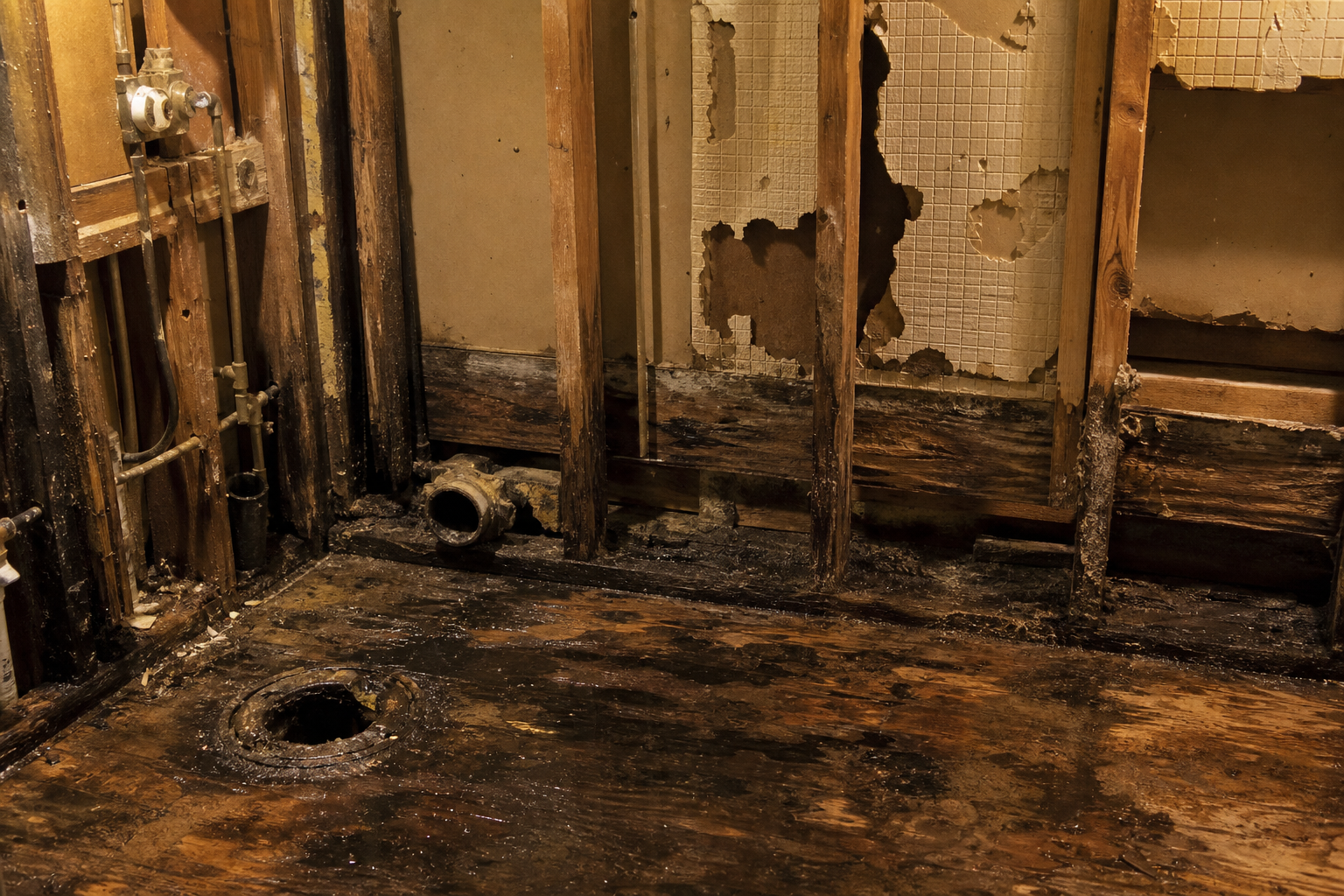
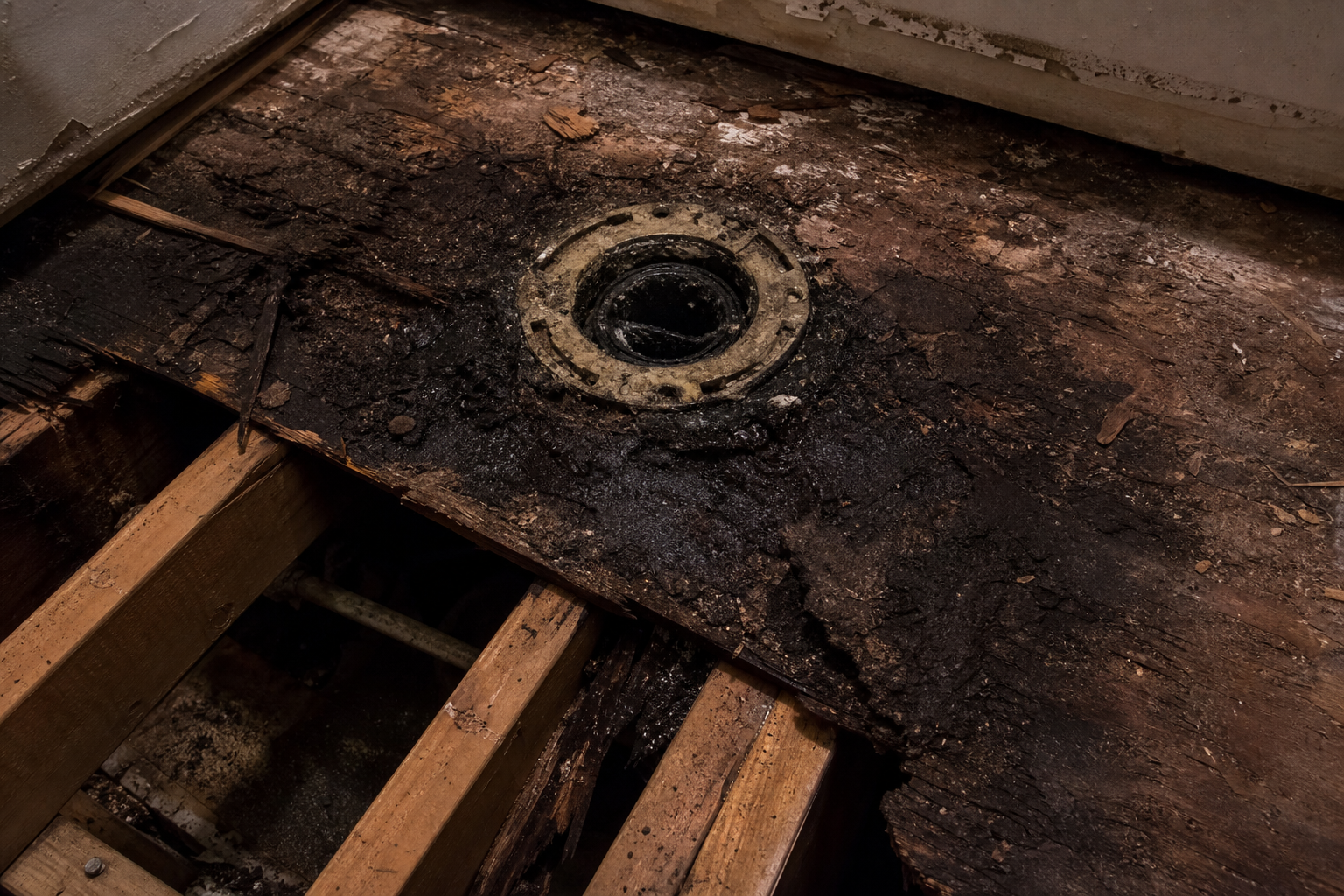
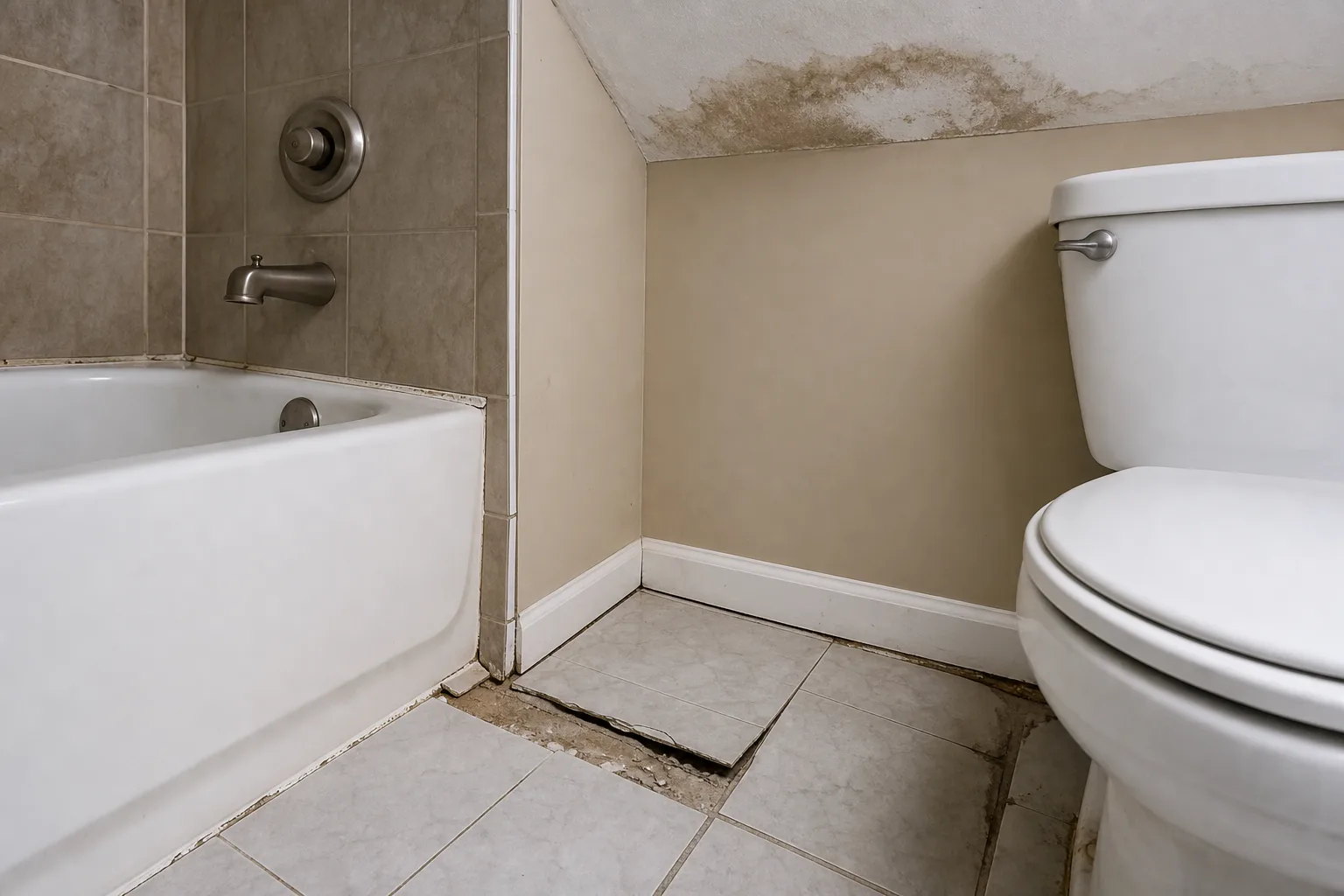
Bathroom subfloor rot almost always begins at one of three locations: under the toilet flange, at the base of the shower, or around the tub edge. All three are preventable. All three are invisible until they are catastrophic.
The JLC Cost vs Value report consistently shows bathroom remodels returning 40 to 70 percent of investment at resale. What varies is which specific upgrades drive that return and which ones are invisible to buyers.
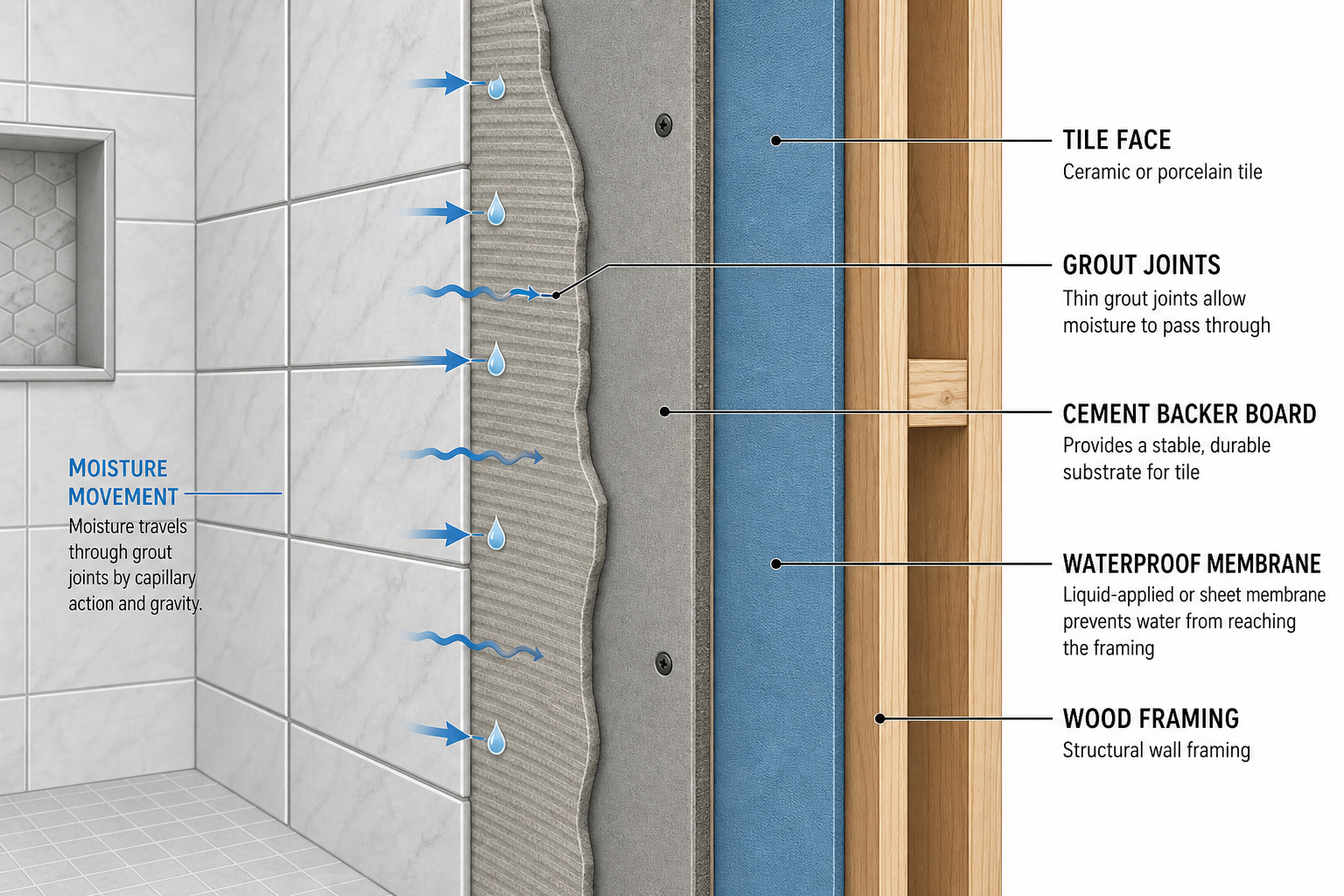
The wall assembly in a shower is five or six layers deep, and every layer affects the one behind it. Most of those layers are decided before any tile is chosen.
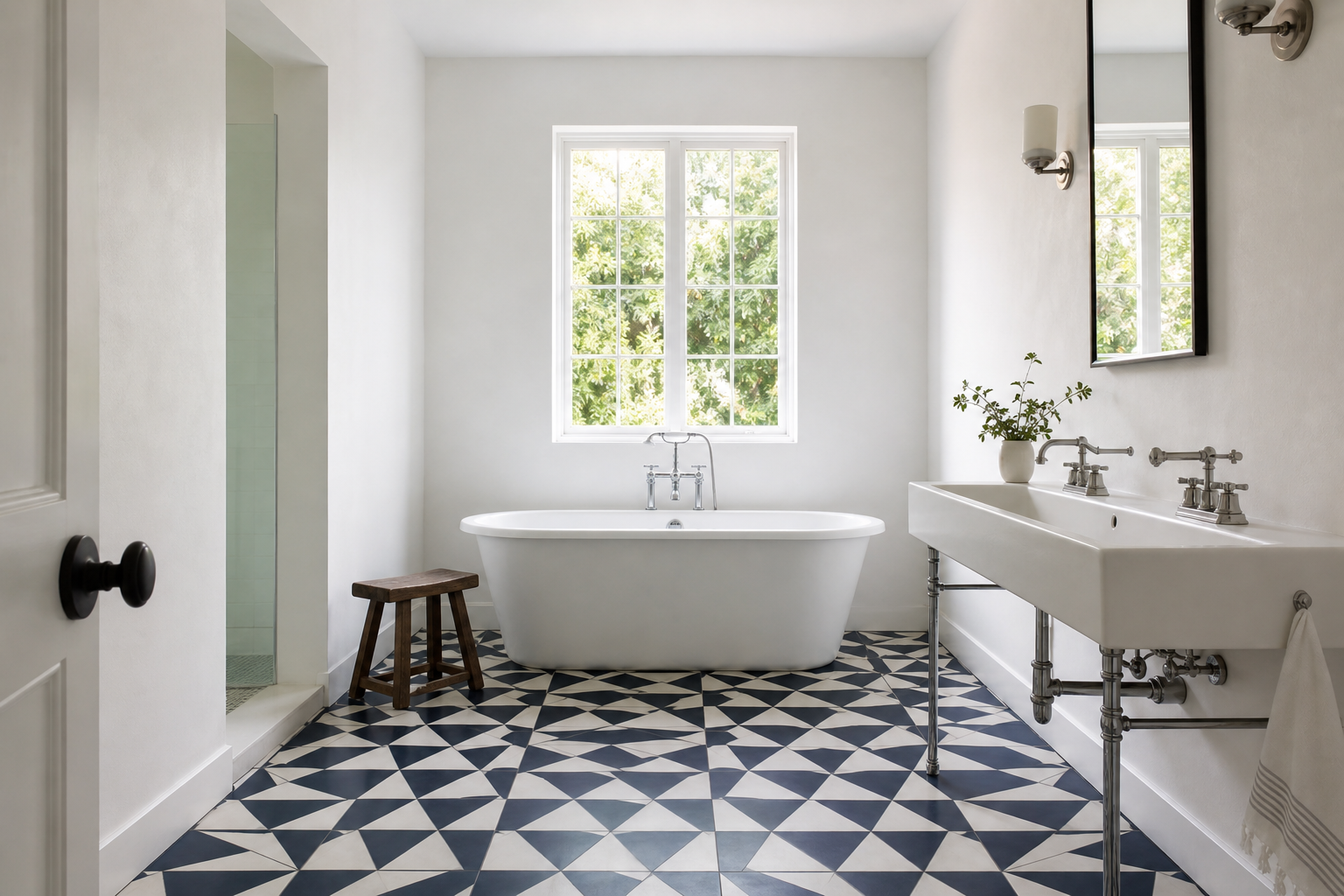
Bold tile choices fail when they are chosen for novelty. They succeed when they are chosen to solve a specific design problem (scale, proportion, visual warmth) that a neutral tile cannot solve.
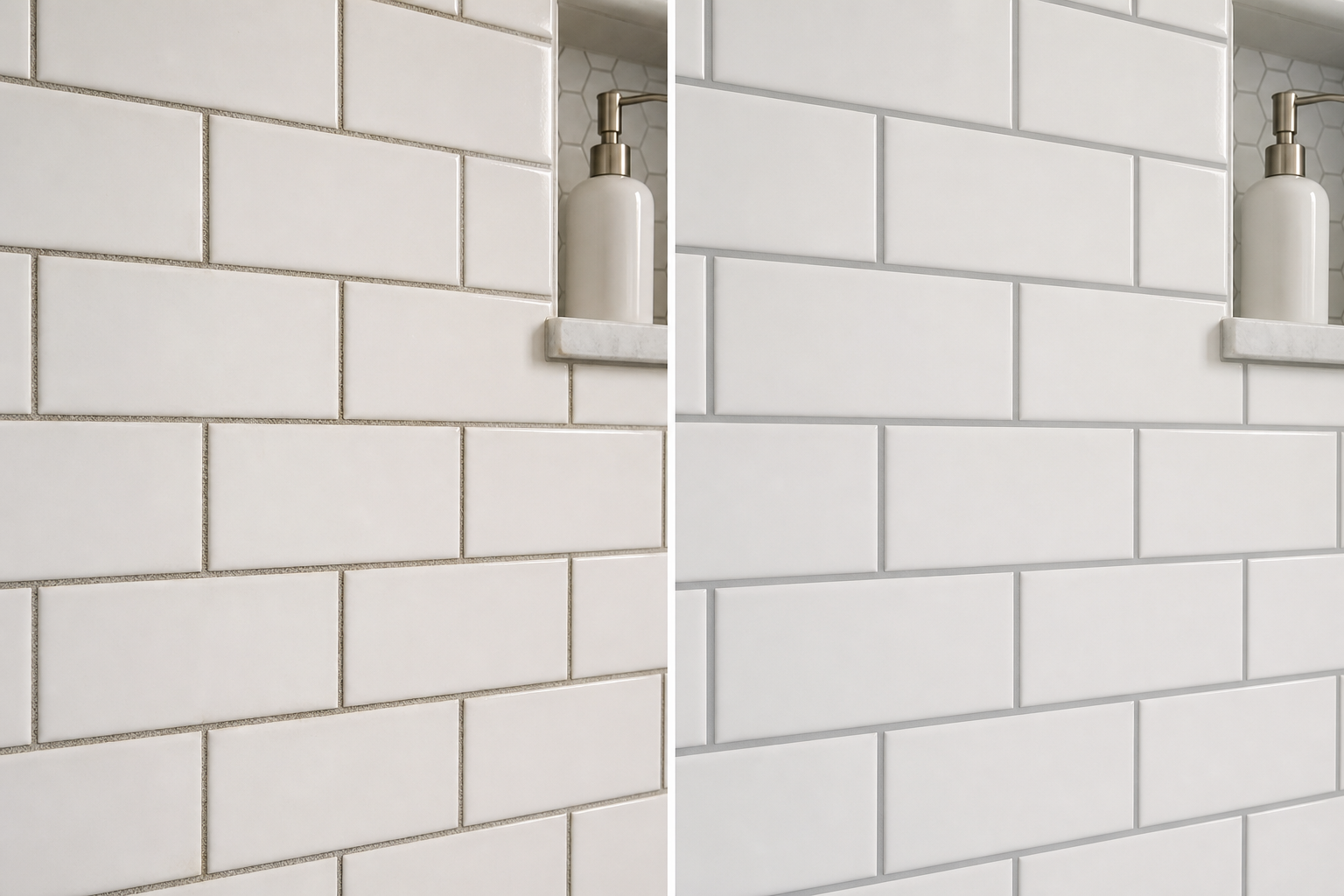
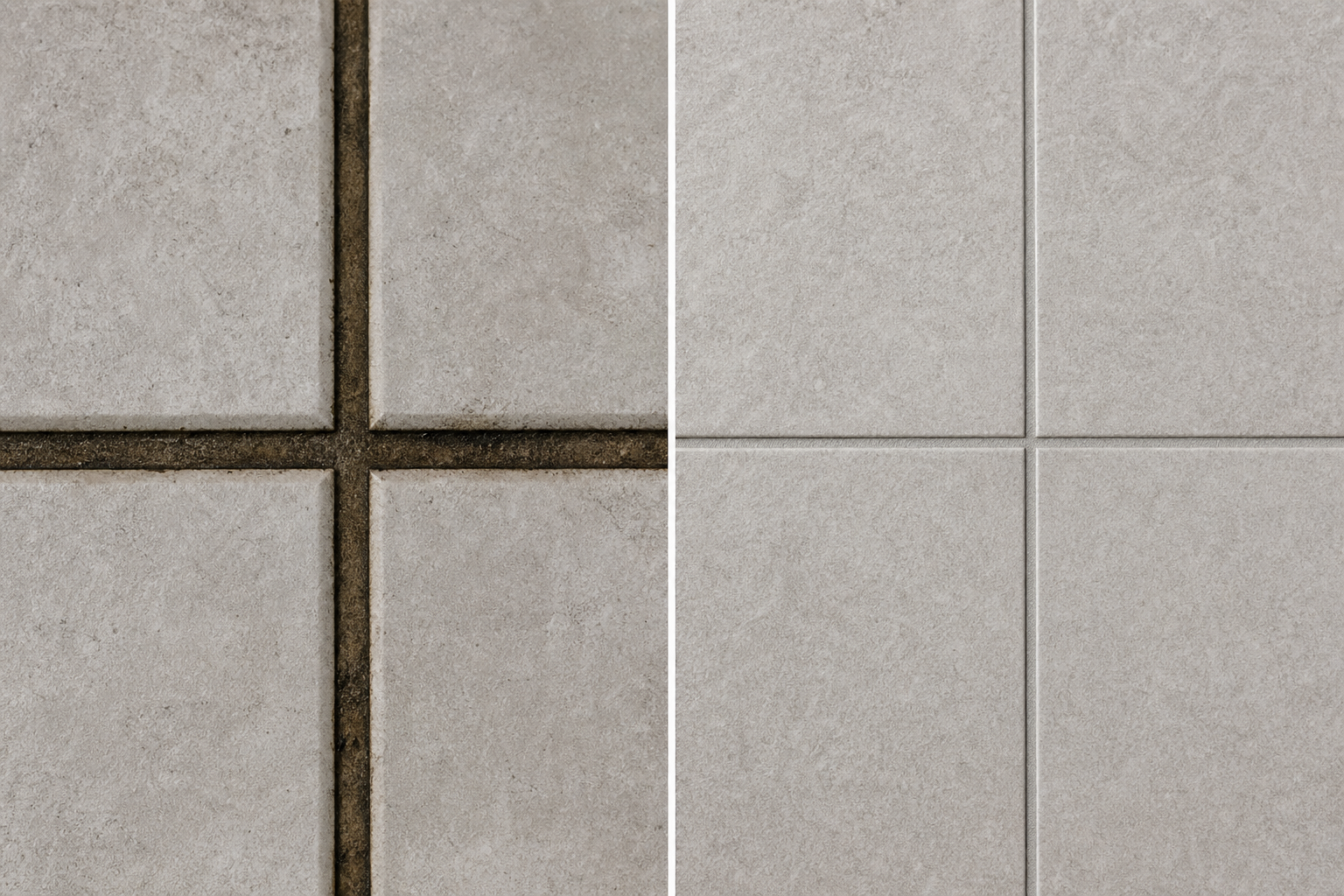
Grout color is the decision that most affects how a bathroom ages, and the one that gets the least deliberate attention. Here is what to think about before choosing.
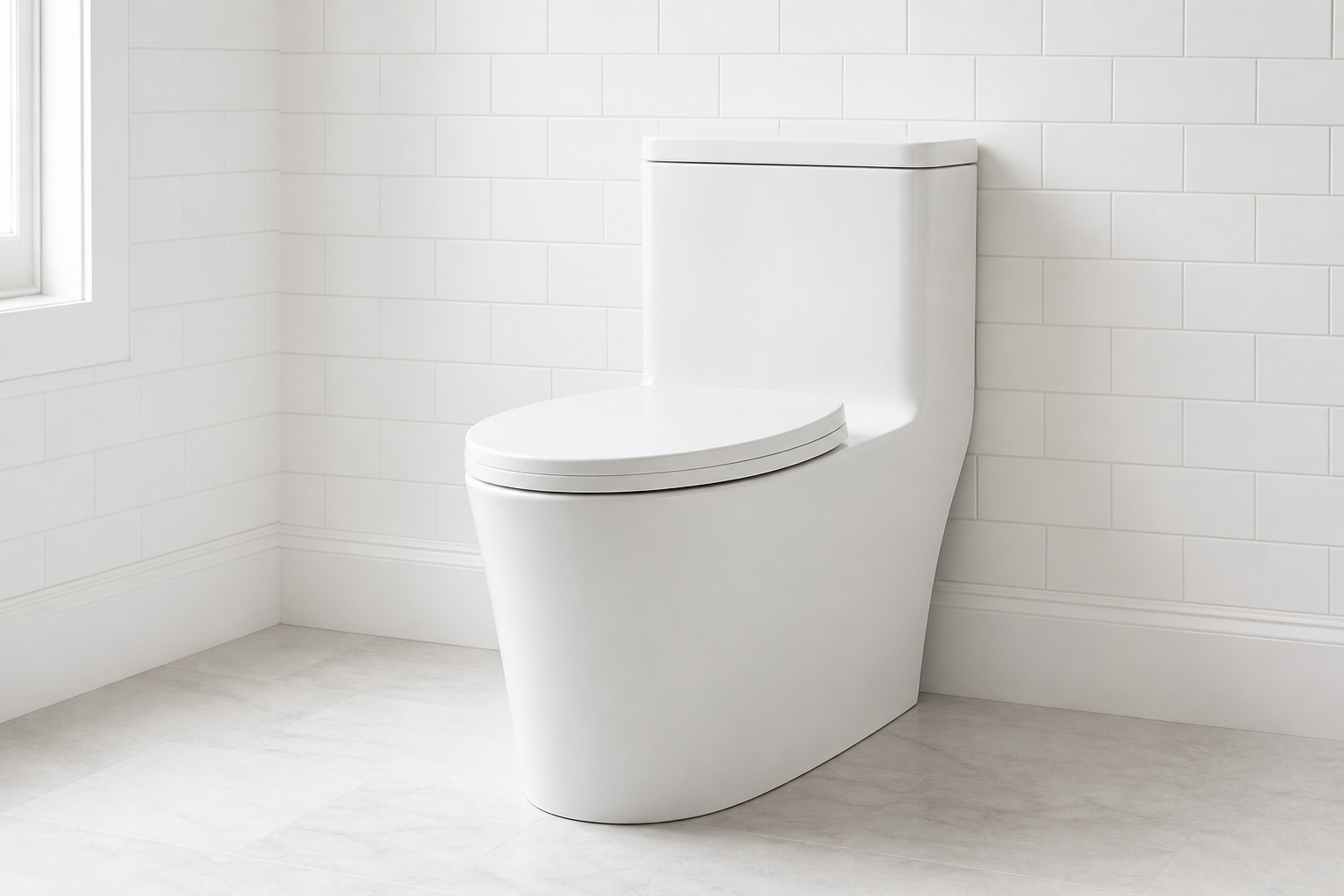
A toilet is the most-used fixture in any bathroom and the one that receives the least specification attention. The decisions that determine whether you replace it in ten years or fifty are not visible on the showroom floor.
A contractor's first written communication reveals more about how they will run a project than a two-hour in-person meeting. Here is what to look for.
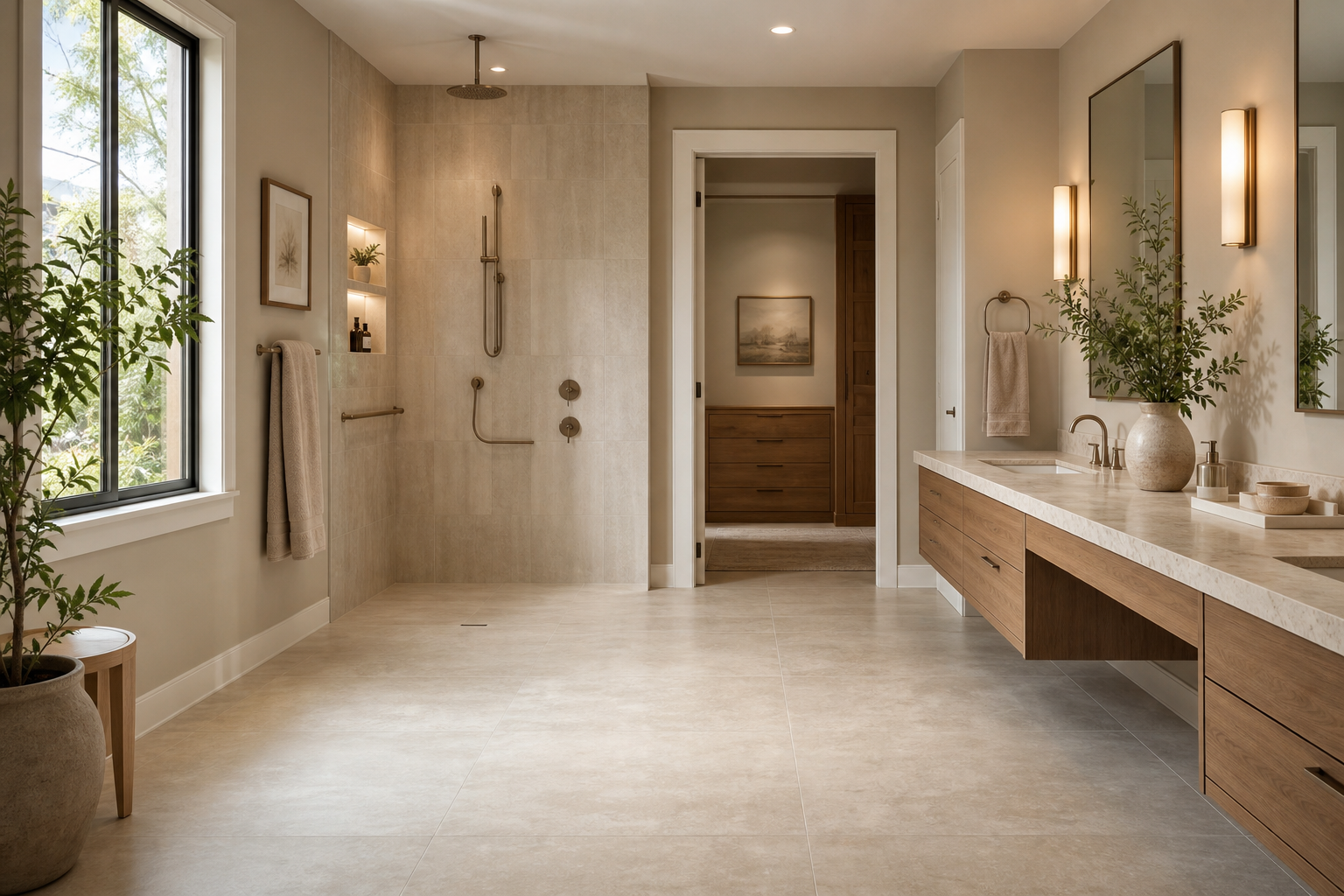
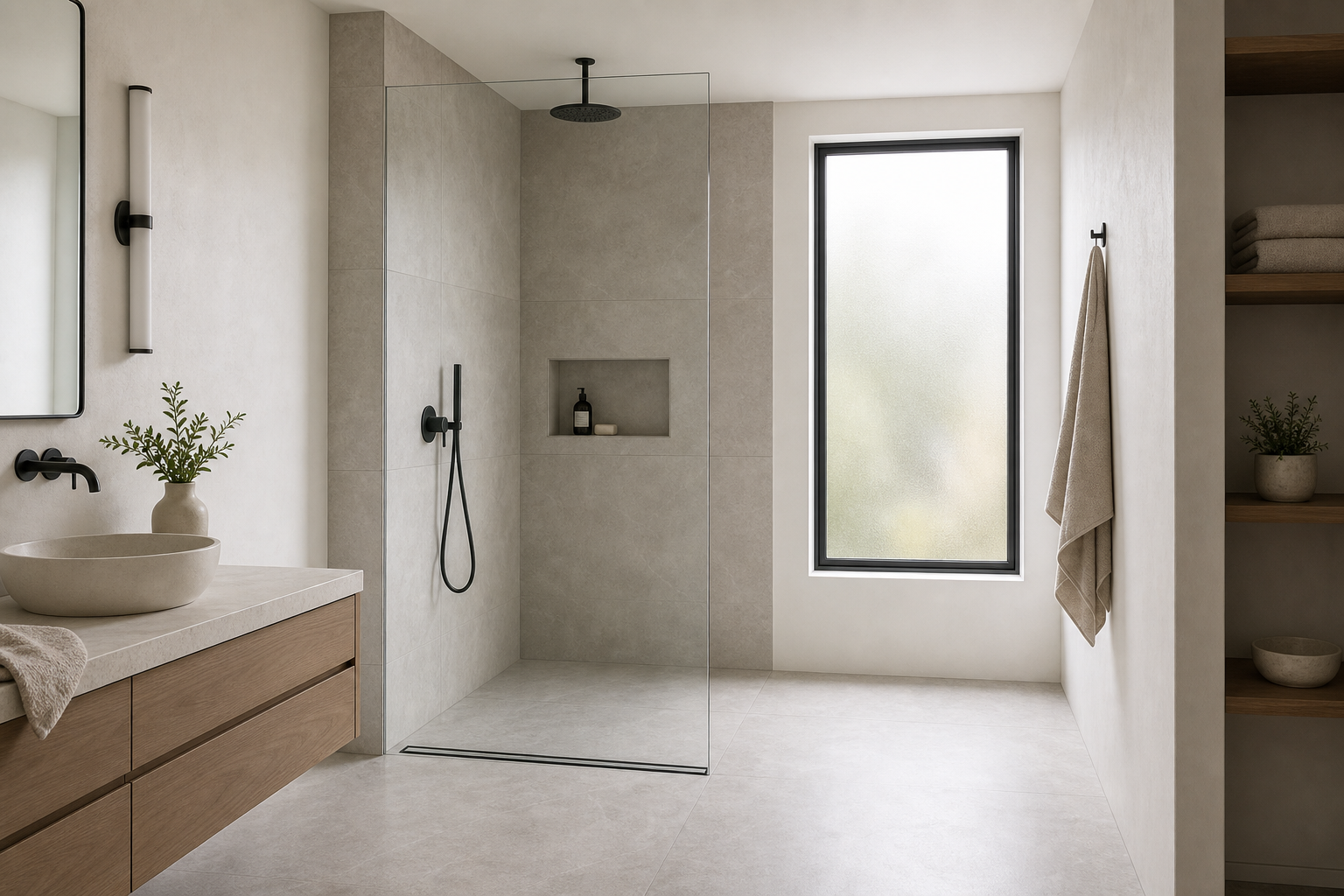
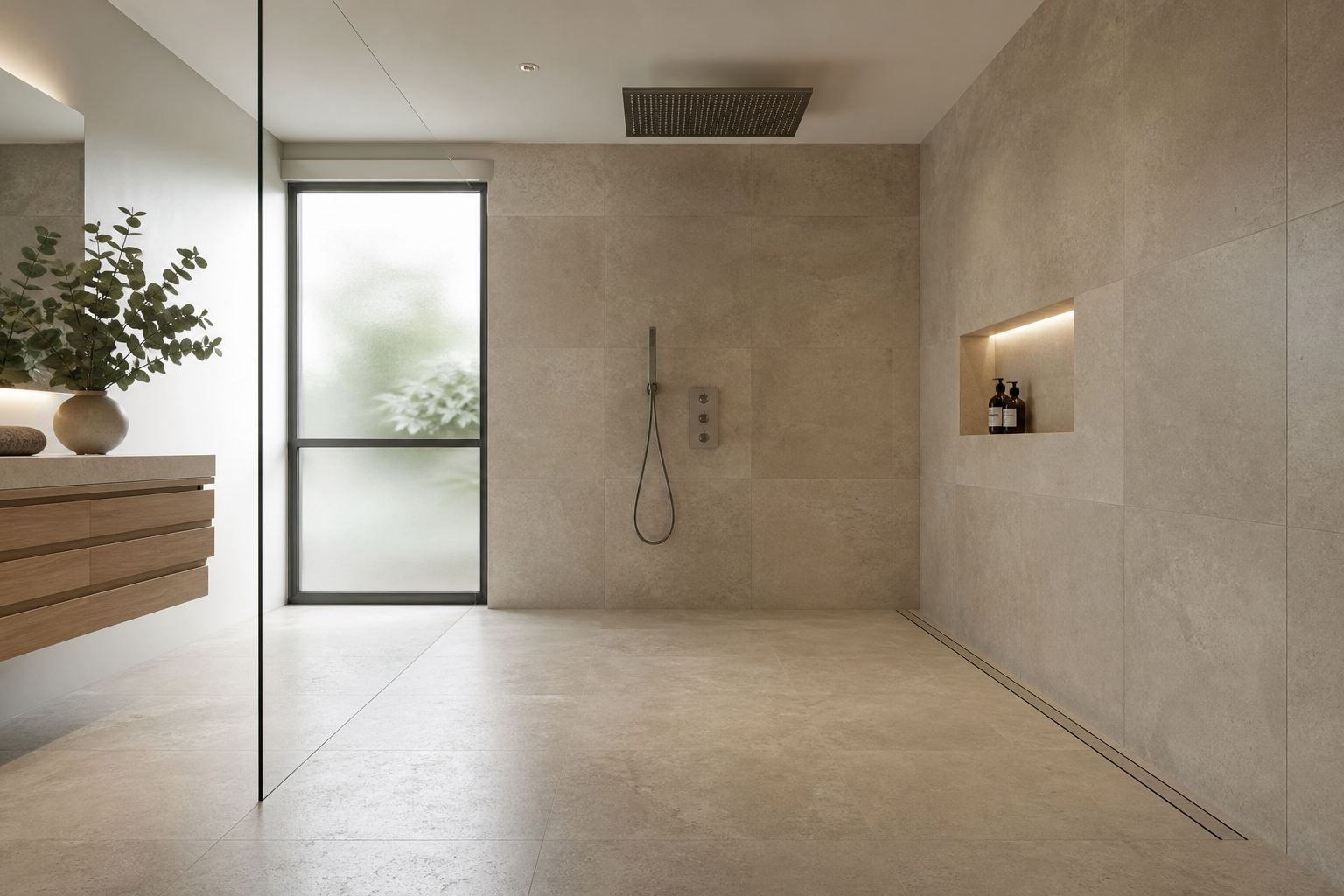
A curbless shower is safe in any wood-framed home where the floor assembly is modified to achieve proper slope and the waterproofing extends beyond the shower boundary. Neither of those conditions is automatic.
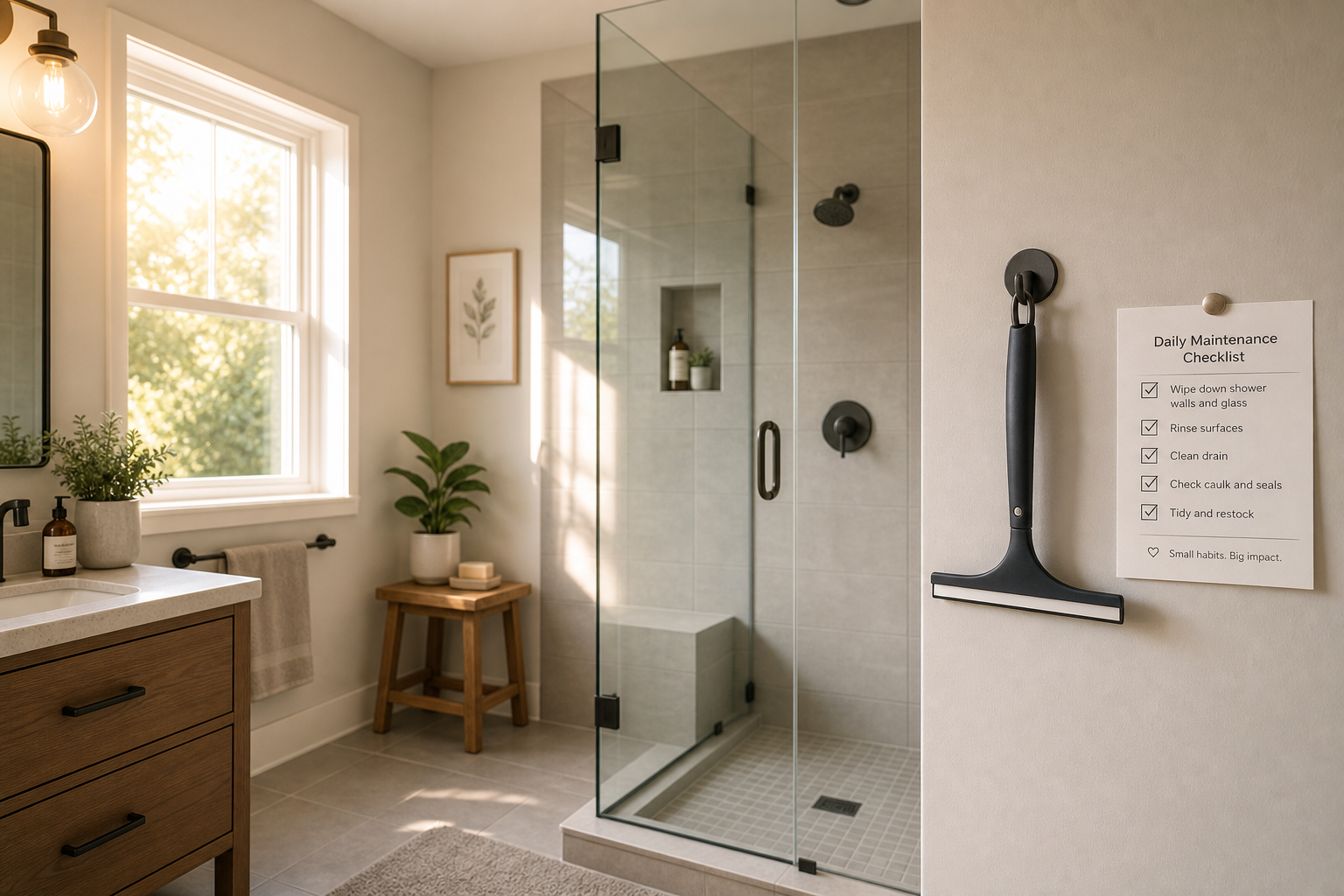
A bathroom built correctly needs maintenance, not vigilance. Here are the habits that actually extend the life of a well-built room, and the ones that provide false comfort while problems accumulate.
Easy to clean is not a style or a budget tier. It is a set of specific decisions about surface texture, grout quantity, joint placement, and ventilation that determine whether cleaning the room takes eight minutes or forty-five.
Easy-to-clean bathrooms aren't the result of choosing the right tile. They're the result of decisions made before any tile is specified.
Epoxy grout is genuinely more stain-resistant and nearly non-porous. It is also harder to install, more expensive, and unforgiving of mistakes. Whether it is worth it depends on where it is going.
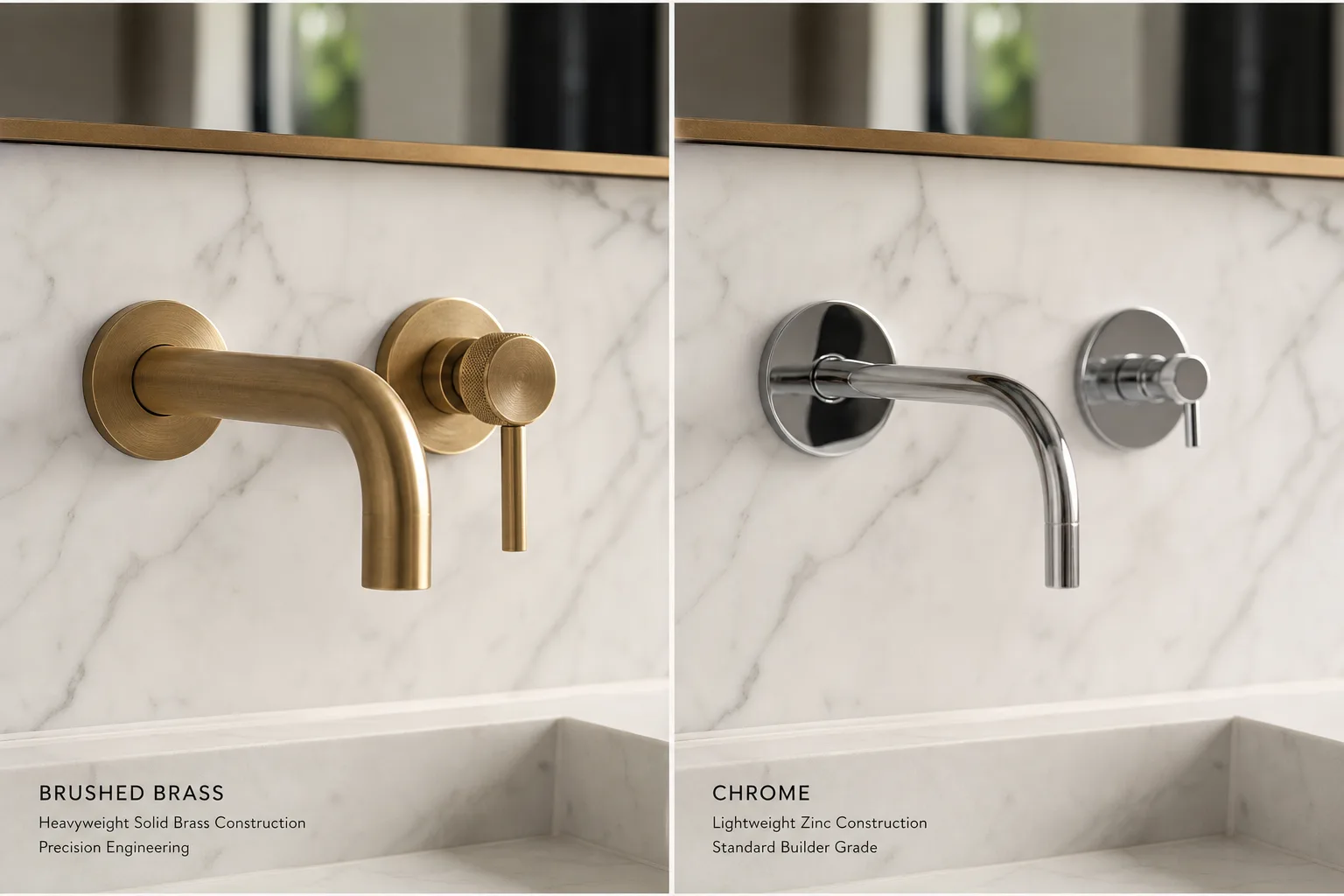
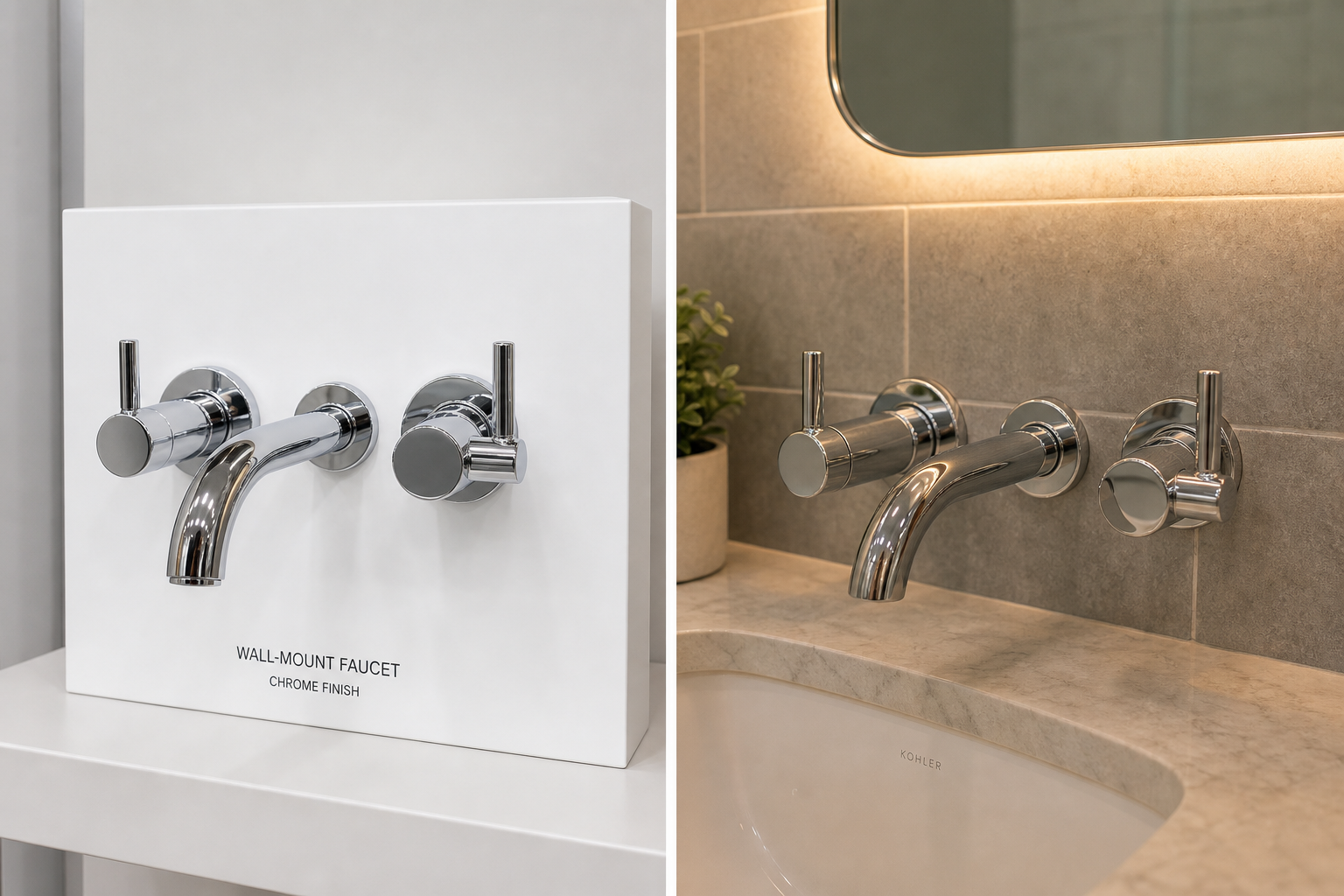
Above a certain threshold, you are mostly paying for design and finish exclusivity, not for a faucet that works better. Here is what the internal components actually tell you about where the price is going.
Showrooms are optimized for the appearance of fixtures in isolation. Your bathroom is a specific room with specific proportions, light, and other materials, and those things change how everything reads.
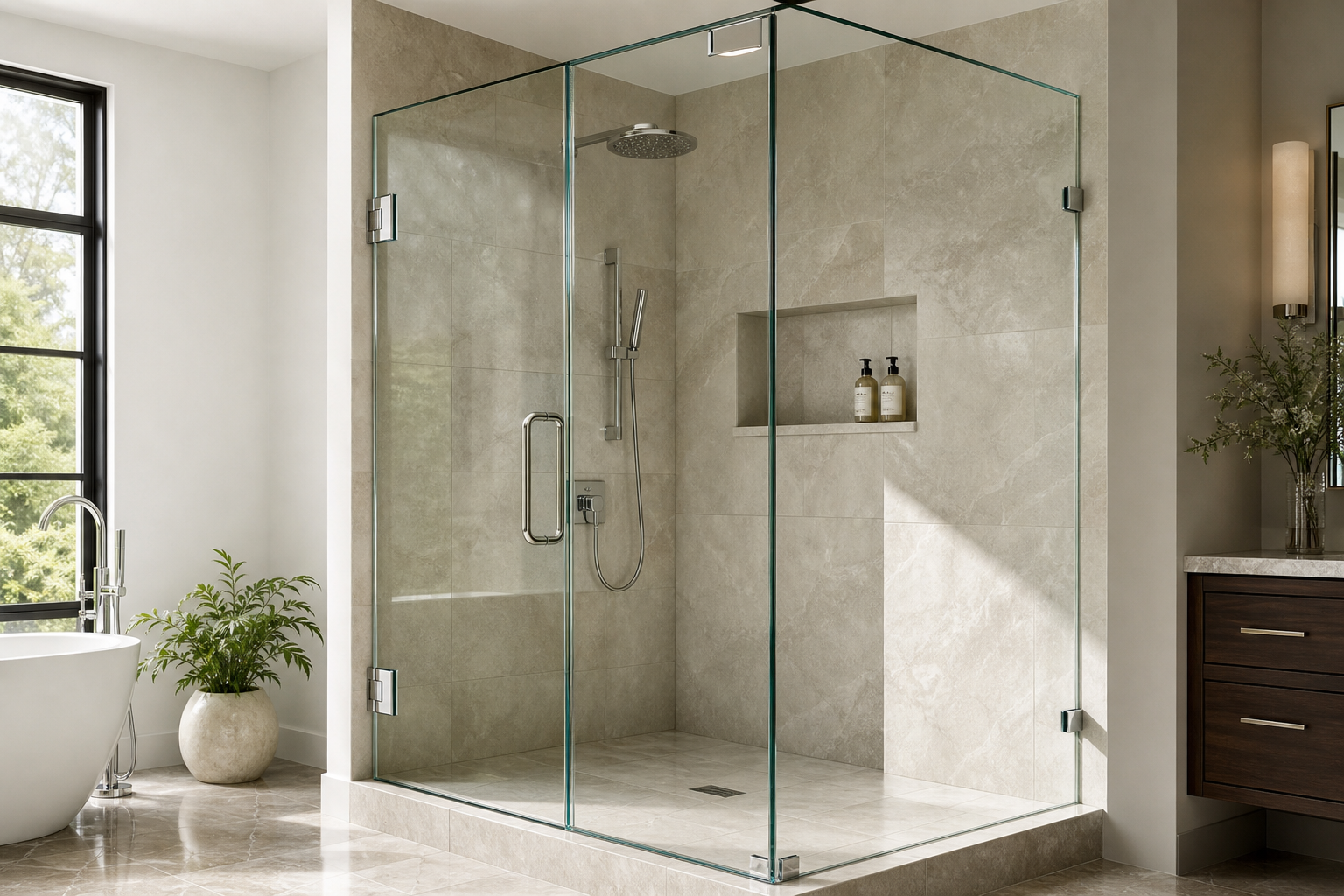
A frameless shower enclosure costs two to four times more than a framed one. Here is what the premium actually buys: glass thickness, hardware quality, and custom fabrication, and where the cost comes from.
Blocking for grab bars costs almost nothing during a renovation. Installing grab bars into blocking is simple. Retrofitting them into studs years later is either compromised or expensive. The conversation to have is before the walls close.
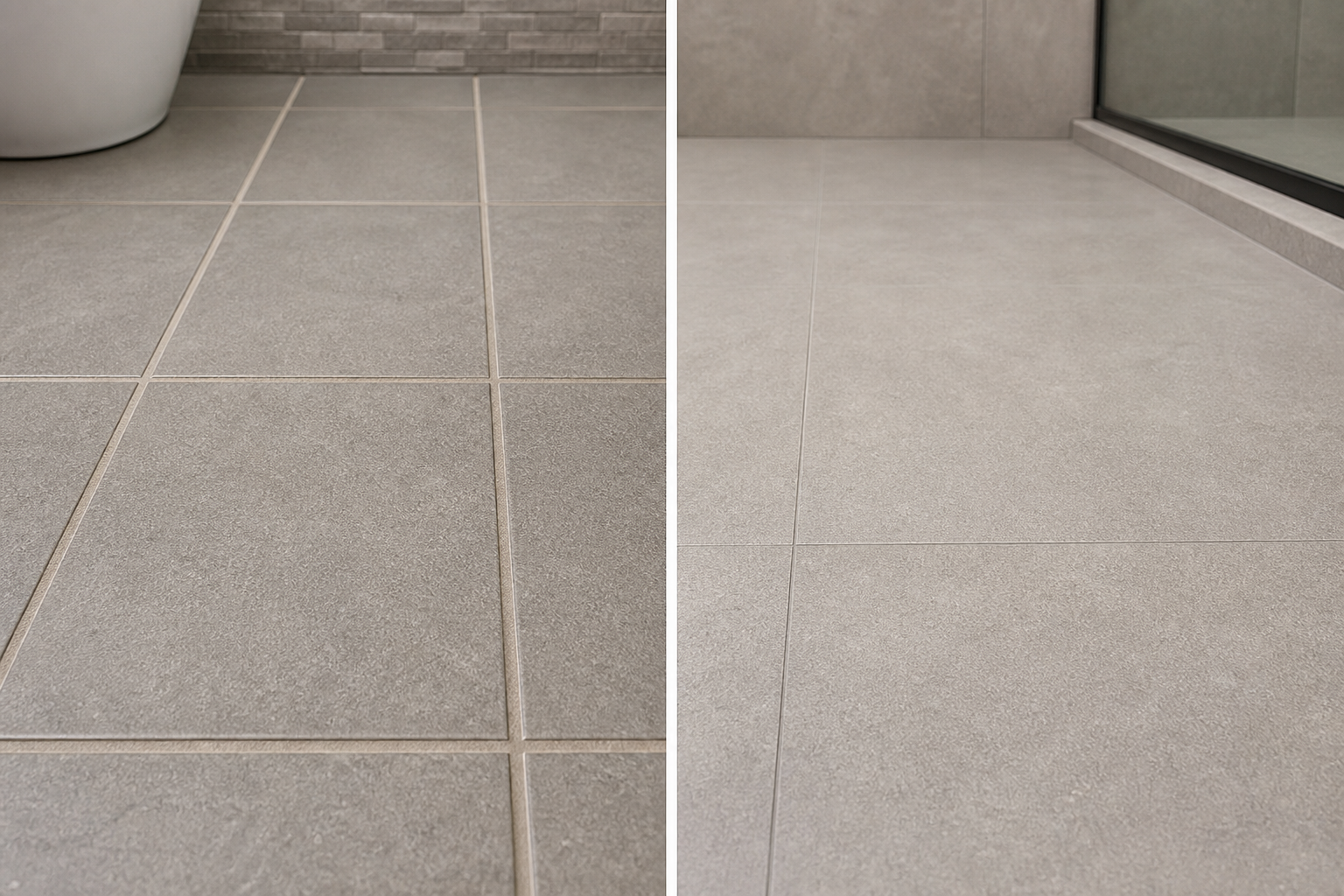
Grout line width, profile, and color determine how much time you spend cleaning the floor. Most bathrooms are specified for visual effect, not maintenance behavior.
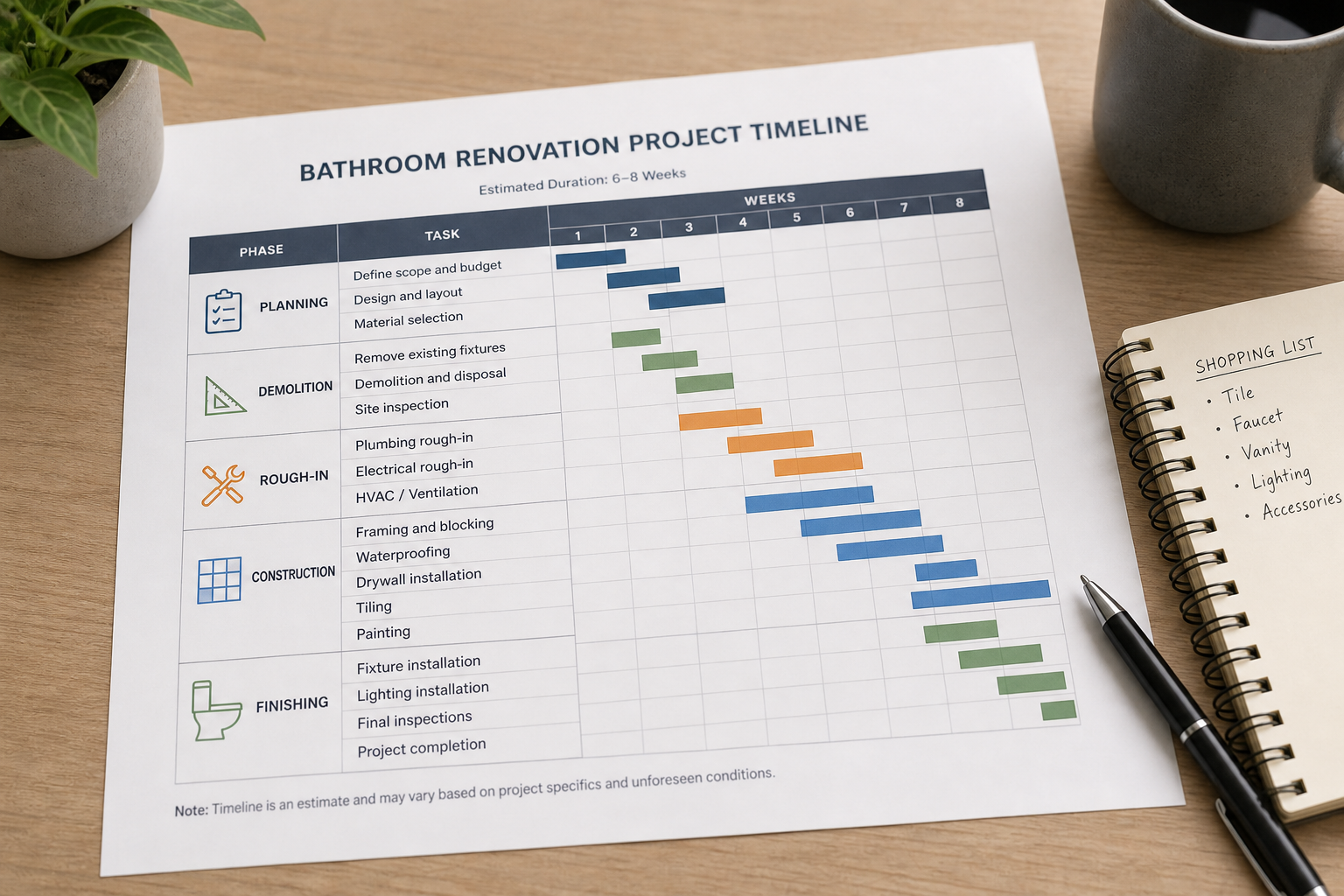
A bathroom remodel that takes three weeks to build takes eight to sixteen weeks from first call to first shower, once permitting, material lead times, and trade scheduling are accounted for.
There is no rule that says three materials. But there is a mechanism that explains why most rooms with six materials feel restless and most rooms with three feel calm. Understanding it is more useful than a number.
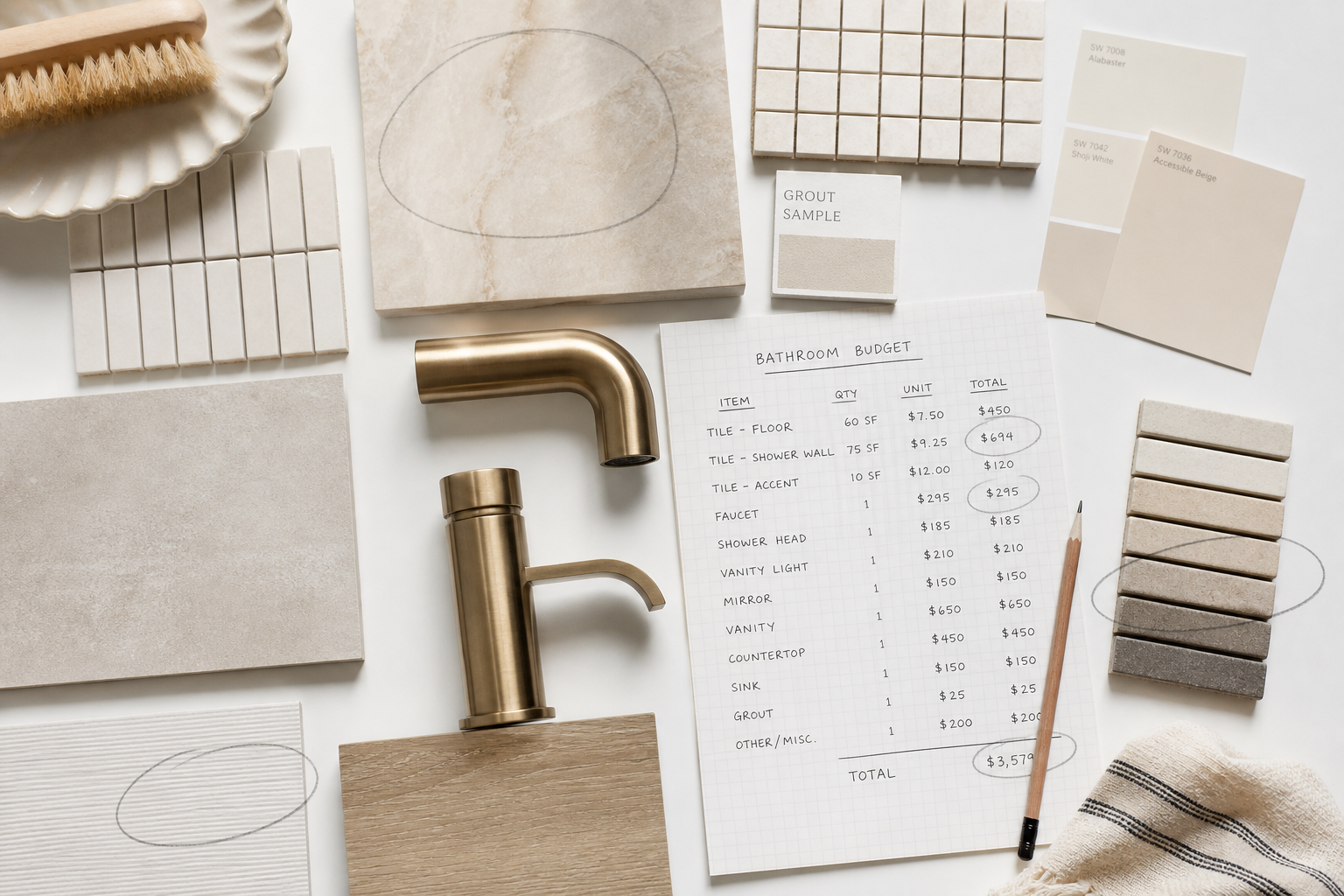
The number depends on what you're buying, not what other people spent. Here is what actually drives cost in a primary bathroom remodel, and how to think about the investment before a contractor gives you a number.
A framework for evaluating bathroom remodeling contractors that goes beyond reviews and referrals into the questions that reveal whether someone can actually build the room you are imagining.
The question isn't whether a design choice is currently fashionable. It's whether it was chosen for novelty or to solve a real problem. Those two categories age very differently.
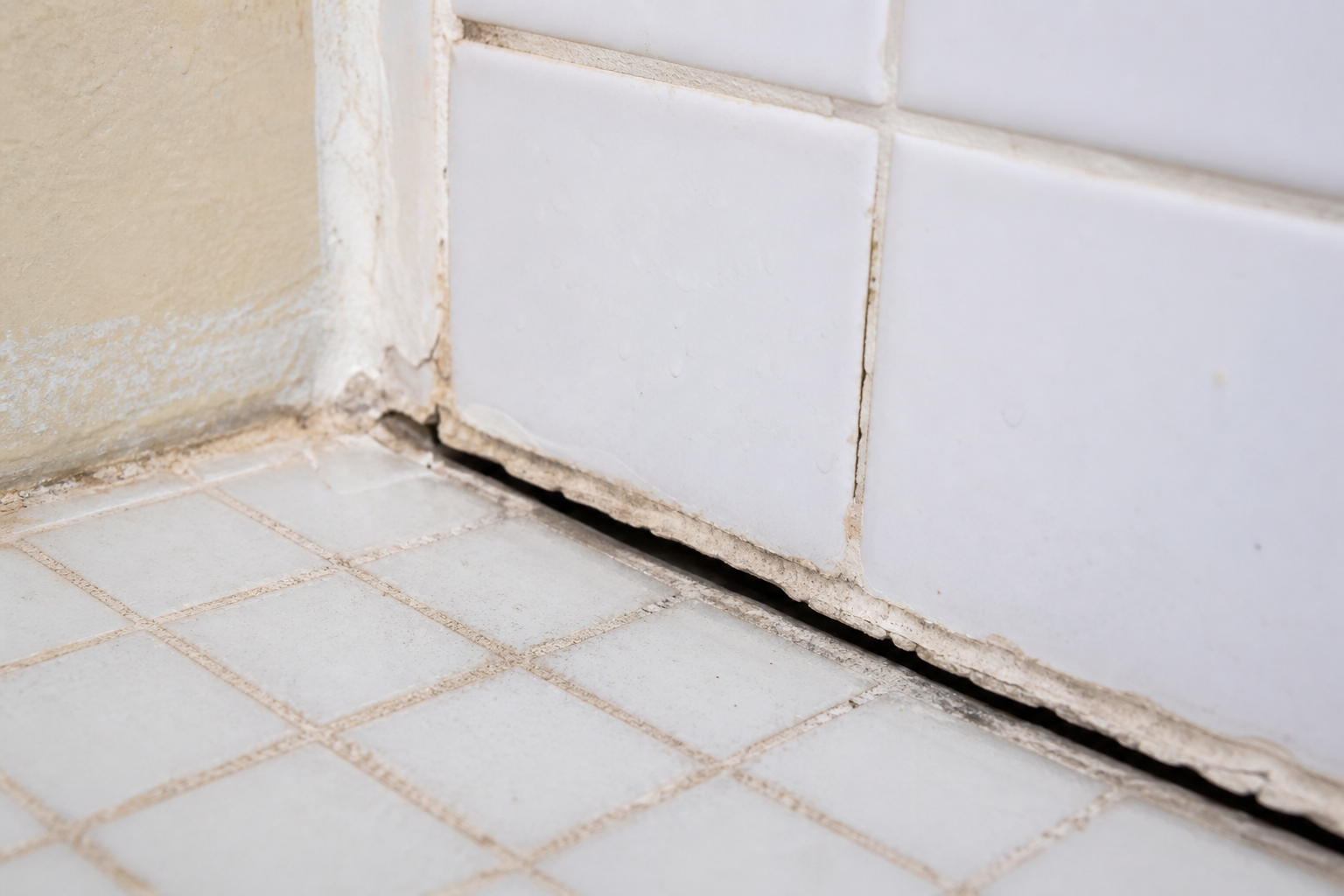
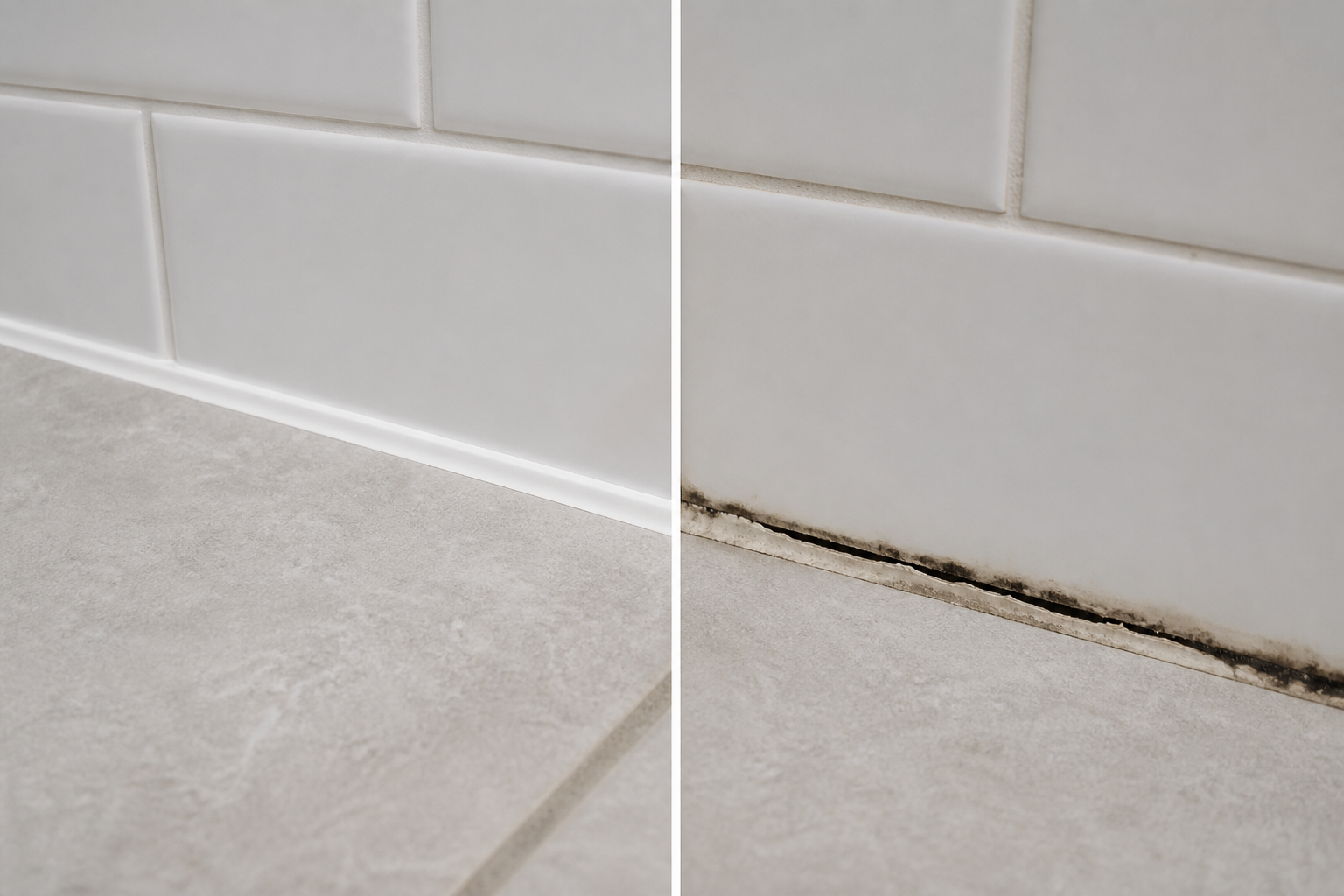
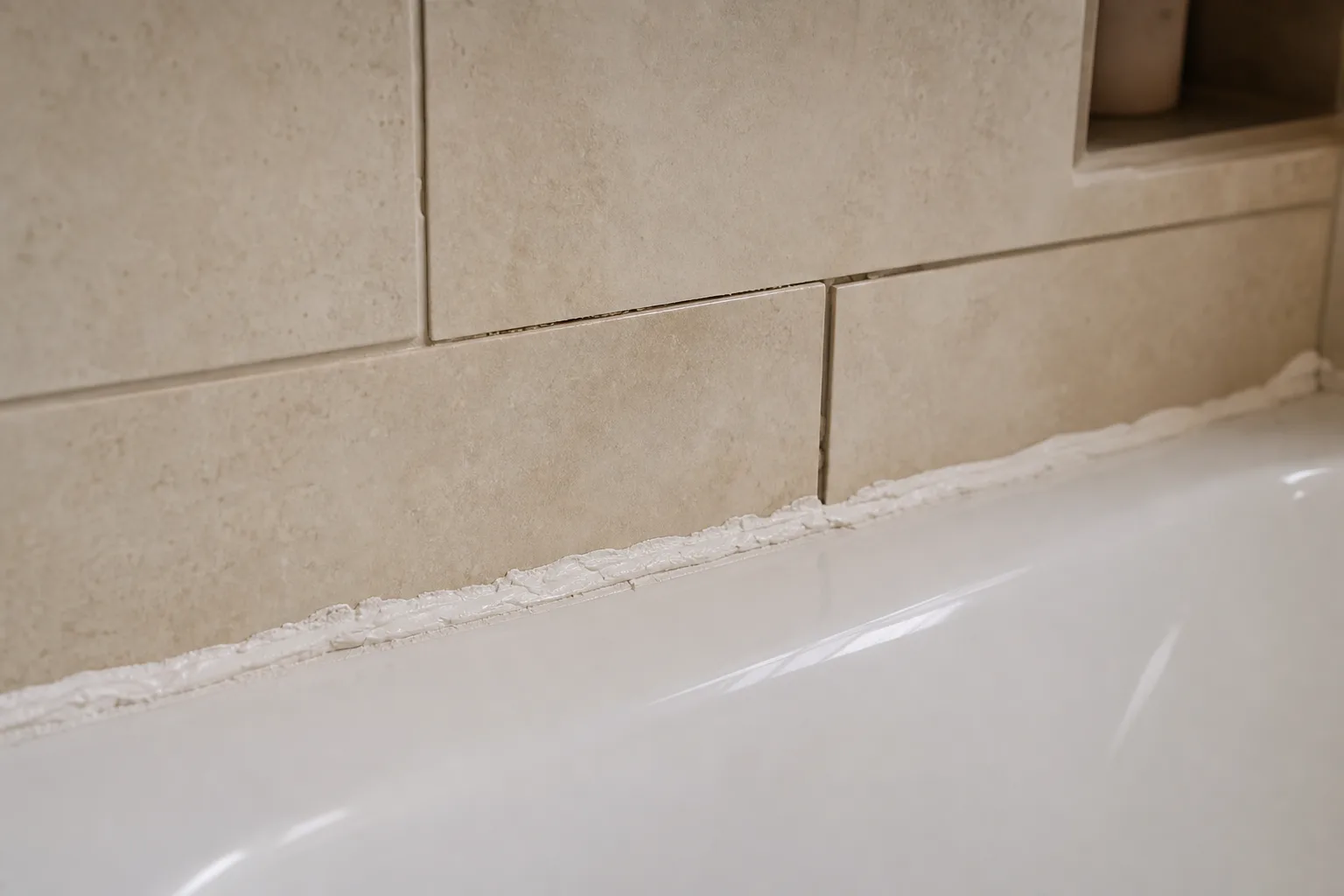
The grout looks solid. The caulk looks fresh. The tile is immovable. And water is still finding the framing behind it. Here is the physics of how that happens.
Timeless and boring are not the same thing. One is a room with a strong enough identity that it does not need to announce itself every season. The other is a room that was edited into oblivion by the fear of getting it wrong.
When 'timeless' is used as a design goal, it usually means one of two things: a room built on genuine proportion and material quality, or a room built from fear. Only one of those actually ages well.
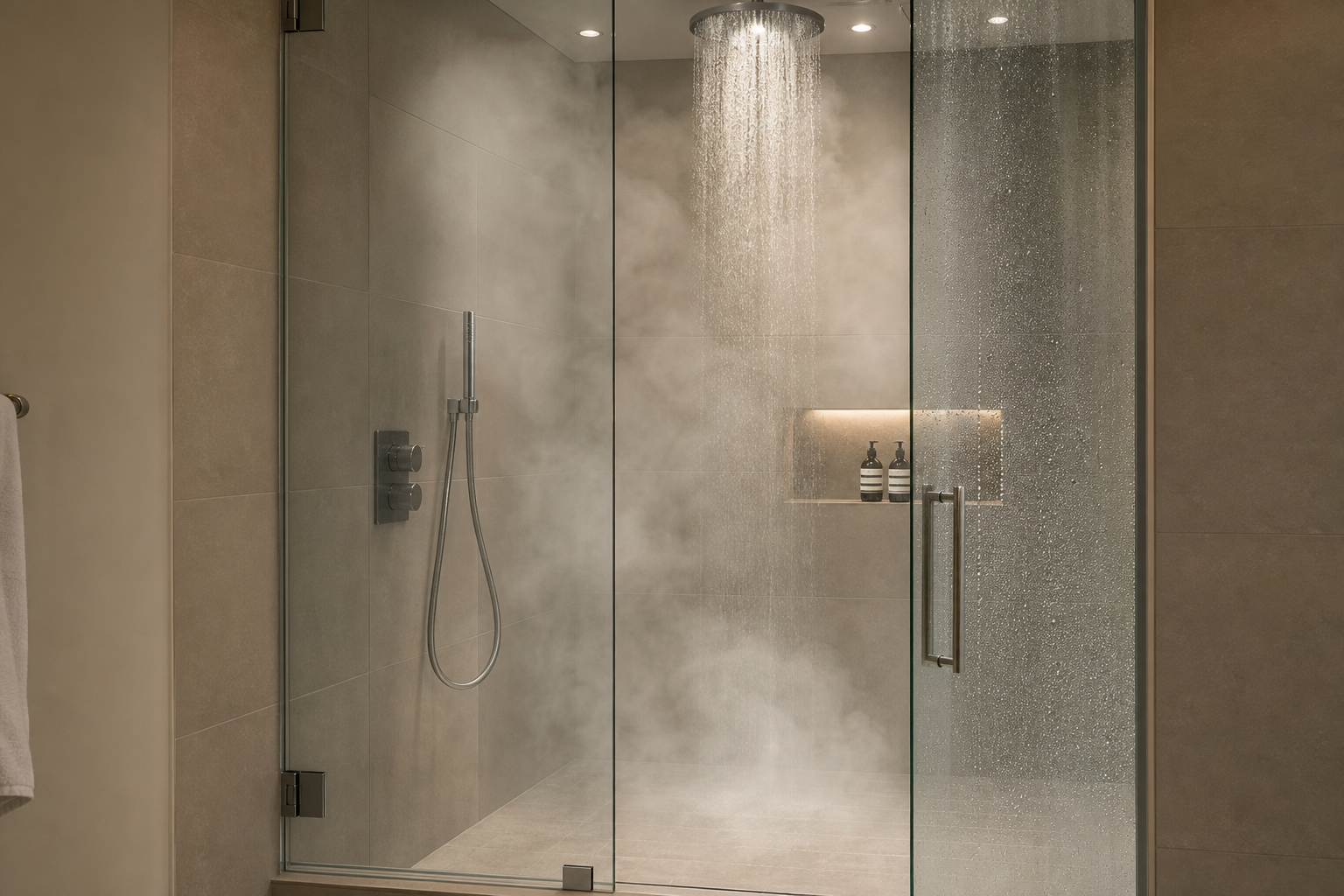
Frameless glass showers photograph beautifully and require the most maintenance of any shower surface. Here is what daily life with glass actually looks like, and what makes it manageable.
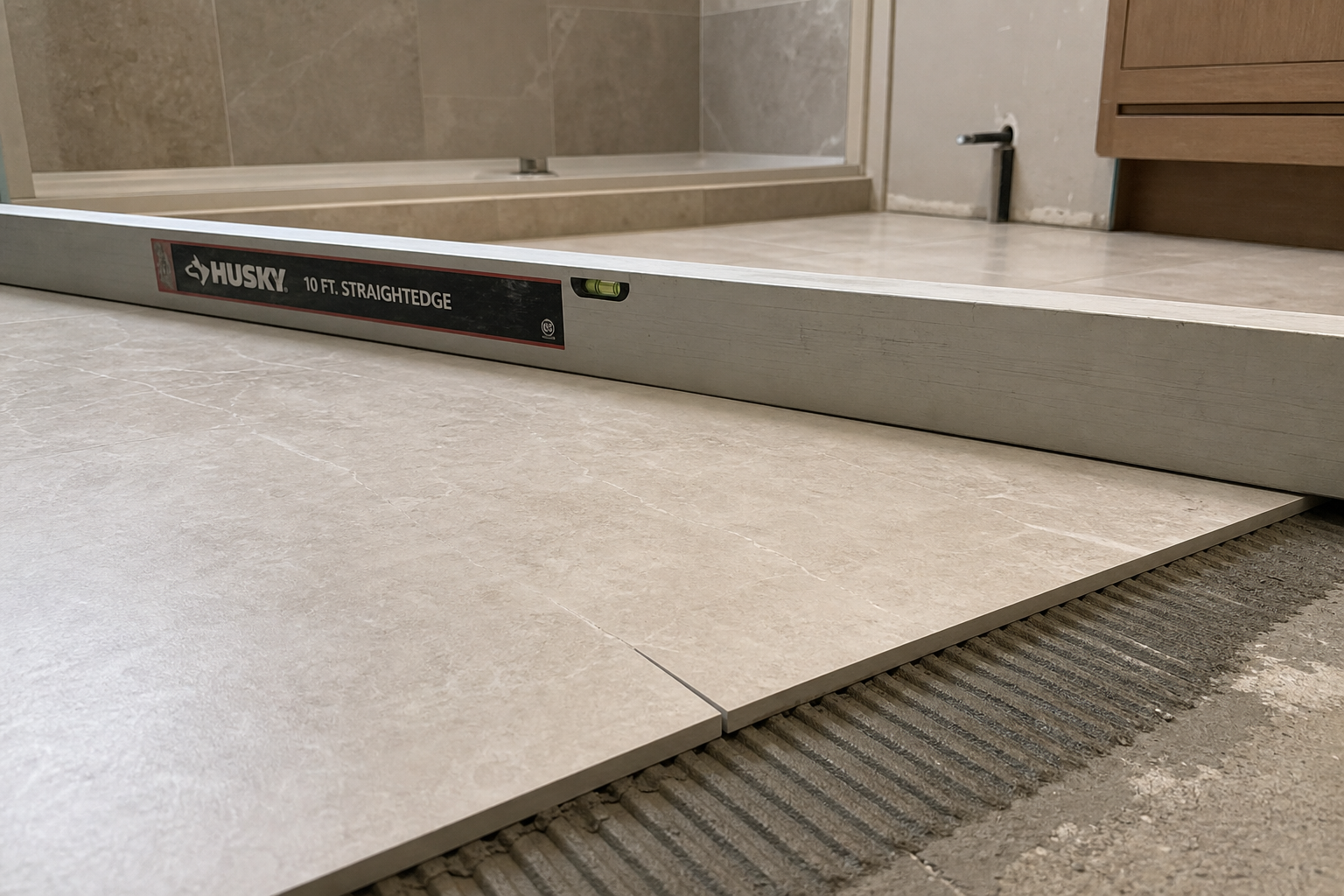
Large-format tile amplifies substrate imperfections instead of hiding them. The flatness requirement is not arbitrary; it is the physical geometry of spanning a large dimension across an uneven surface, and the consequences of ignoring it show up as lippage, cracking, and bond failure.
A bathroom remodel that goes well is still six weeks of construction noise, dust, a missing shower, and more decisions than anyone anticipated. Here is what to actually prepare for.
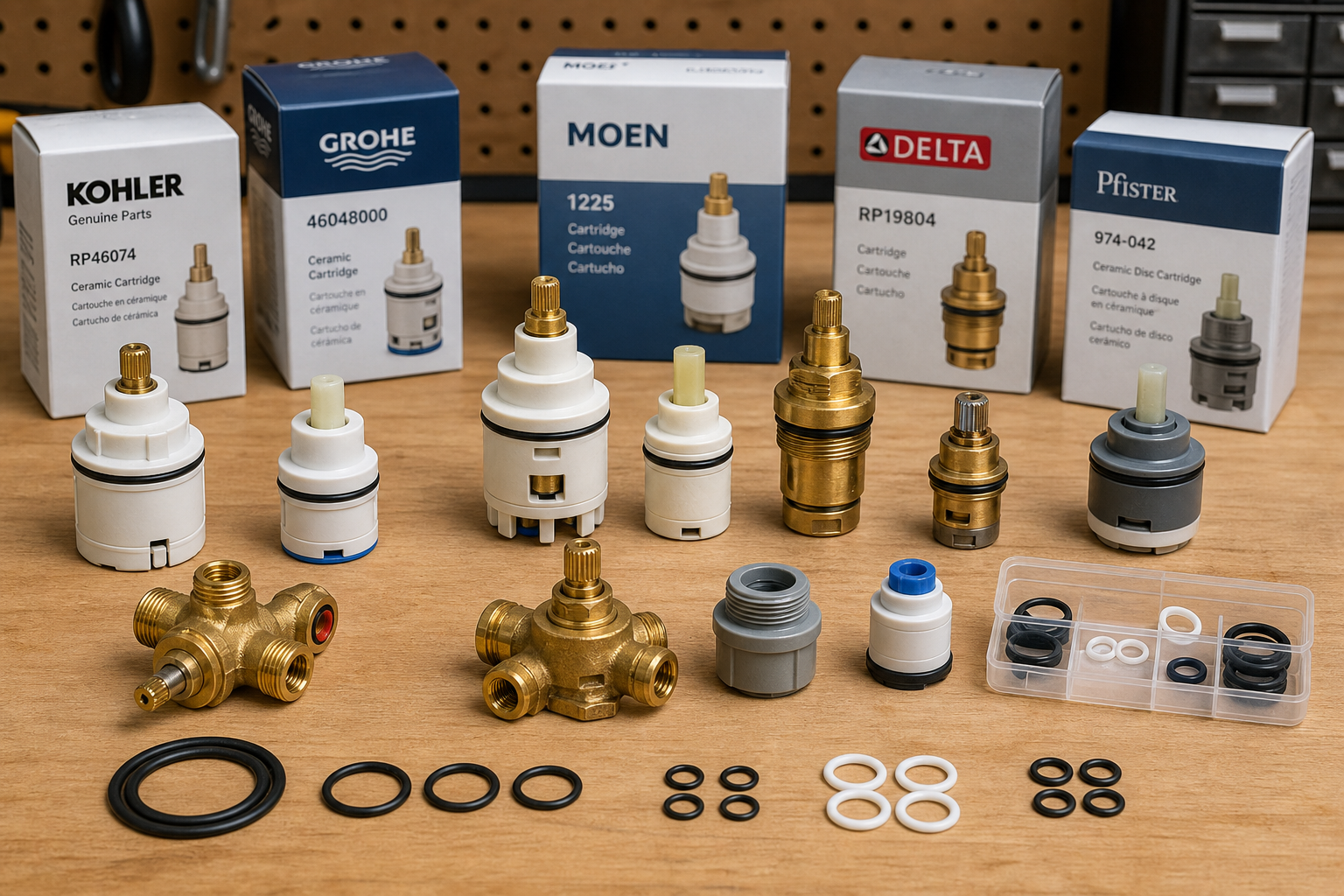
A $900 faucet from a brand that discontinues its cartridge in three years is worth less than a $300 faucet from a brand whose parts are at every hardware store. Here is how to think about long-term parts availability.
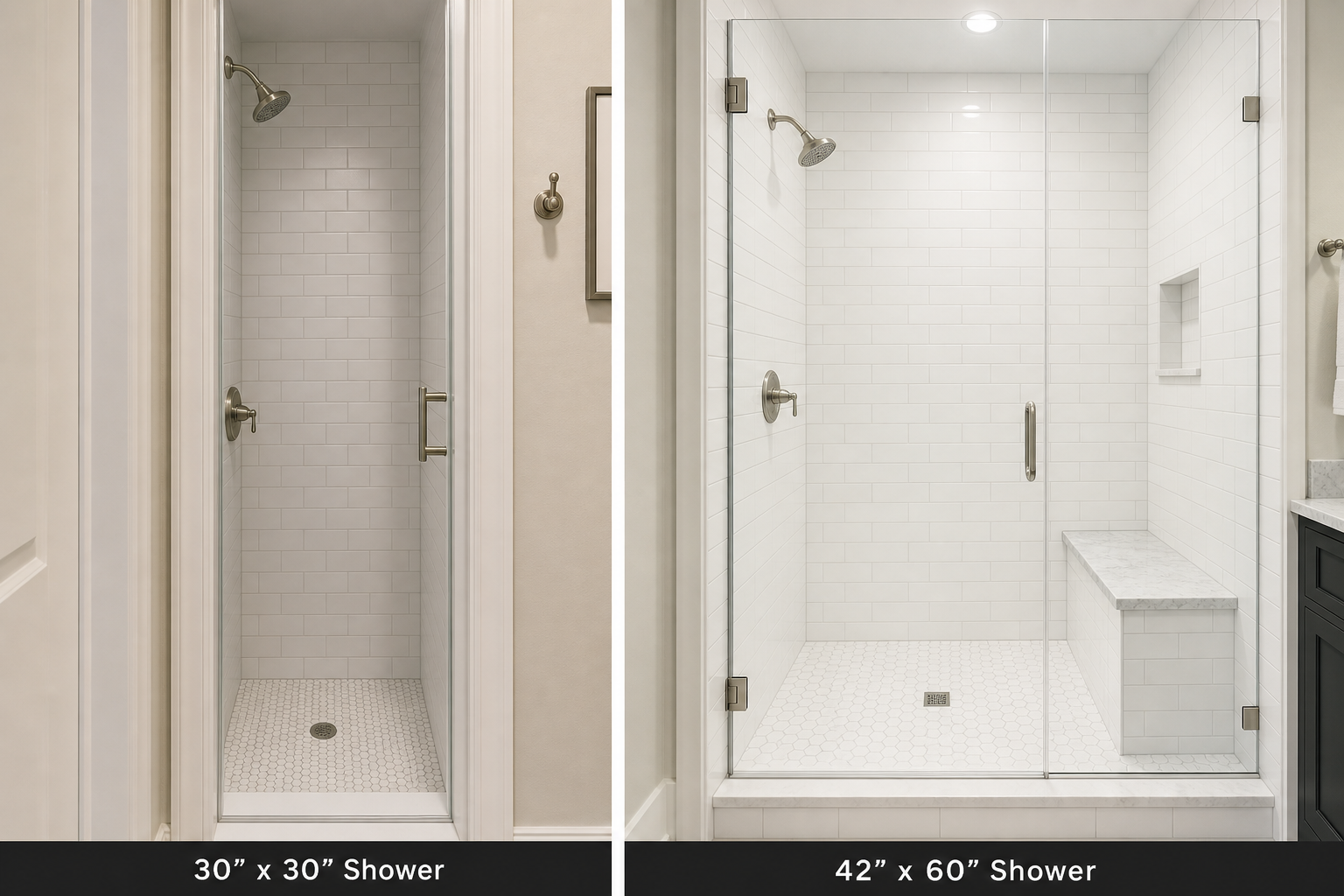
The code minimum is 30 by 30 inches. The NKBA minimum is 36 by 36. The human-comfort minimum is closer to 36 by 48 for most adults. These are not the same number.
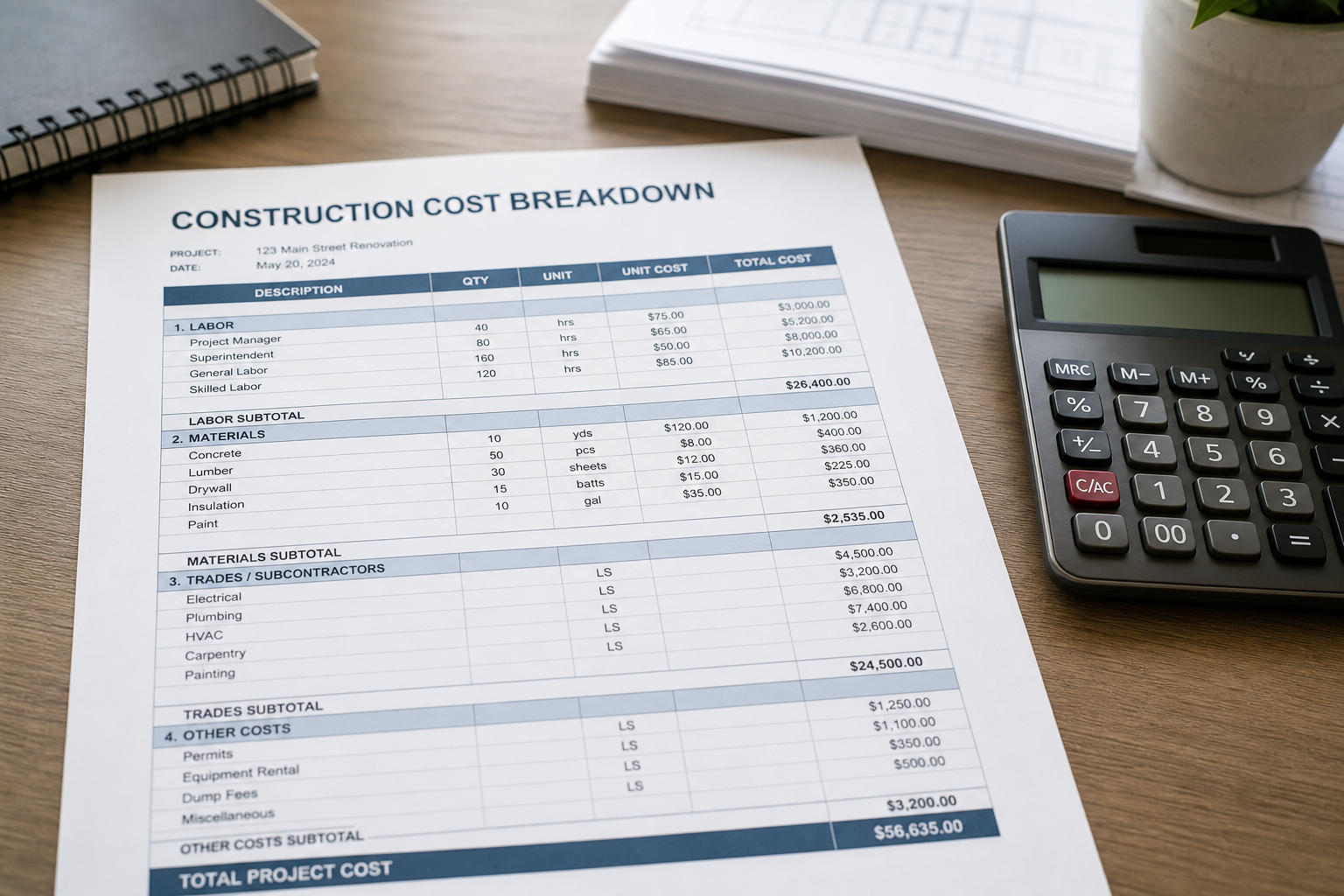
Labor is the largest line item in most bathroom remodels, accounting for 40 to 65 percent of total cost. But within labor, tile installation and plumbing rough-in are typically what move the number most.
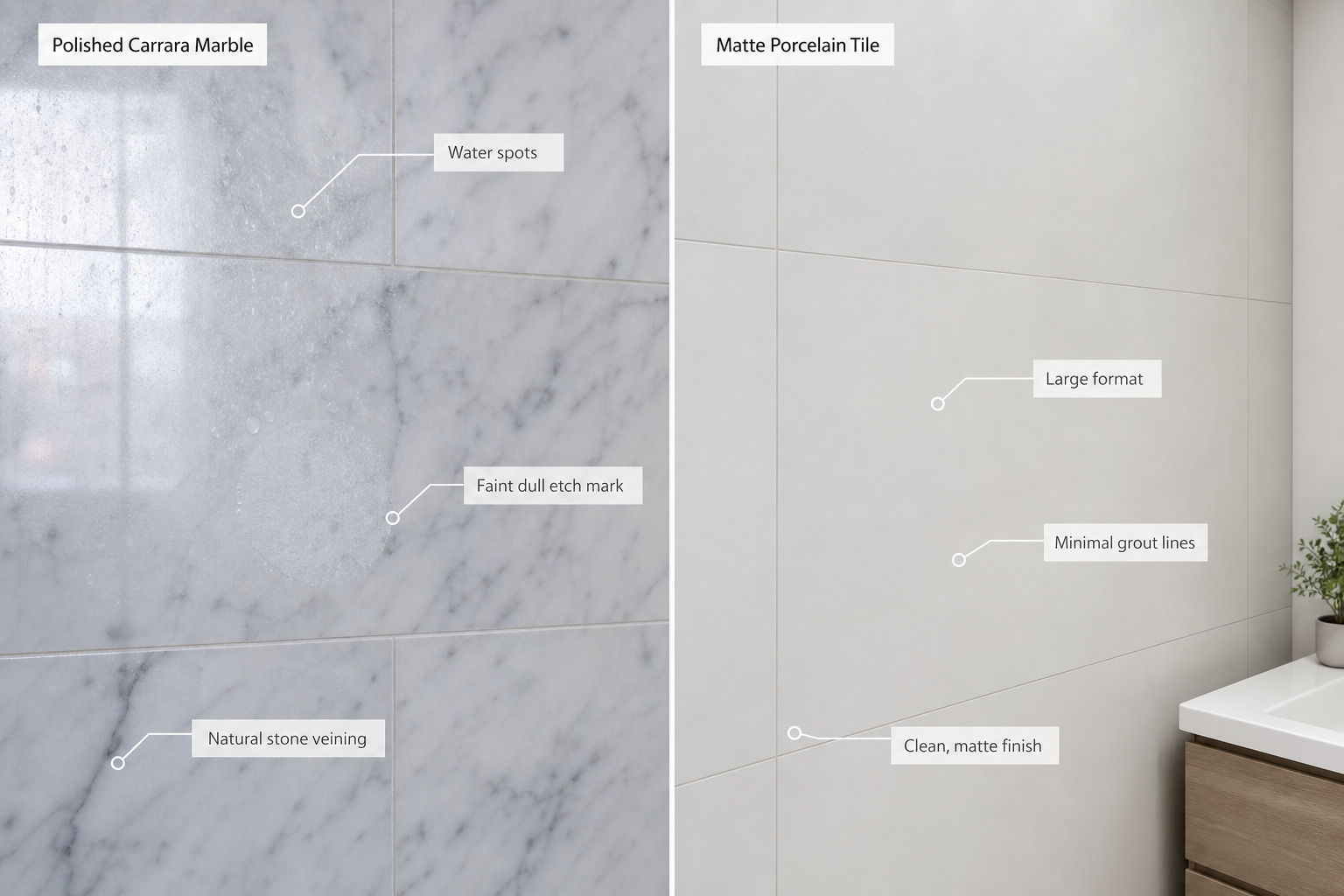
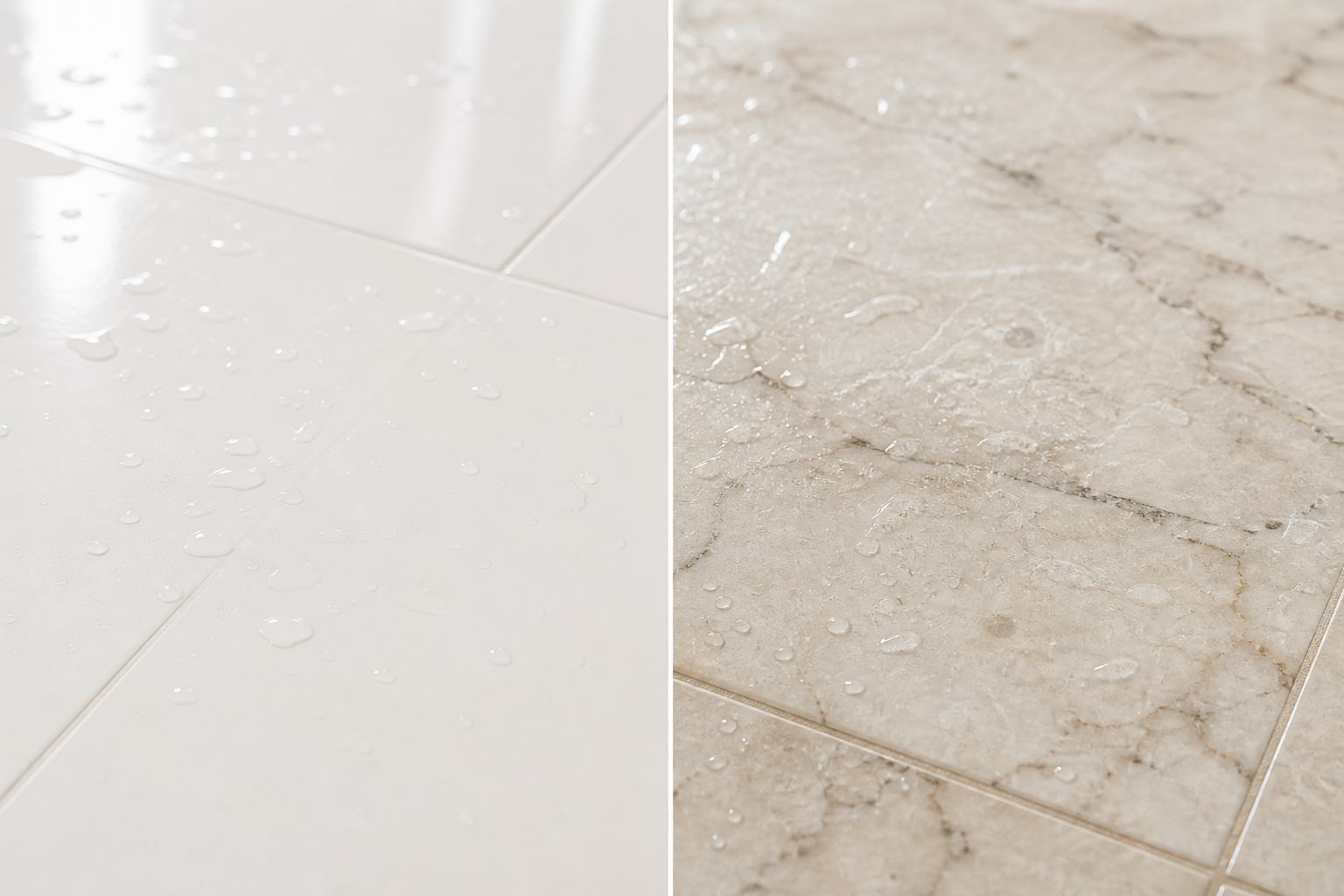
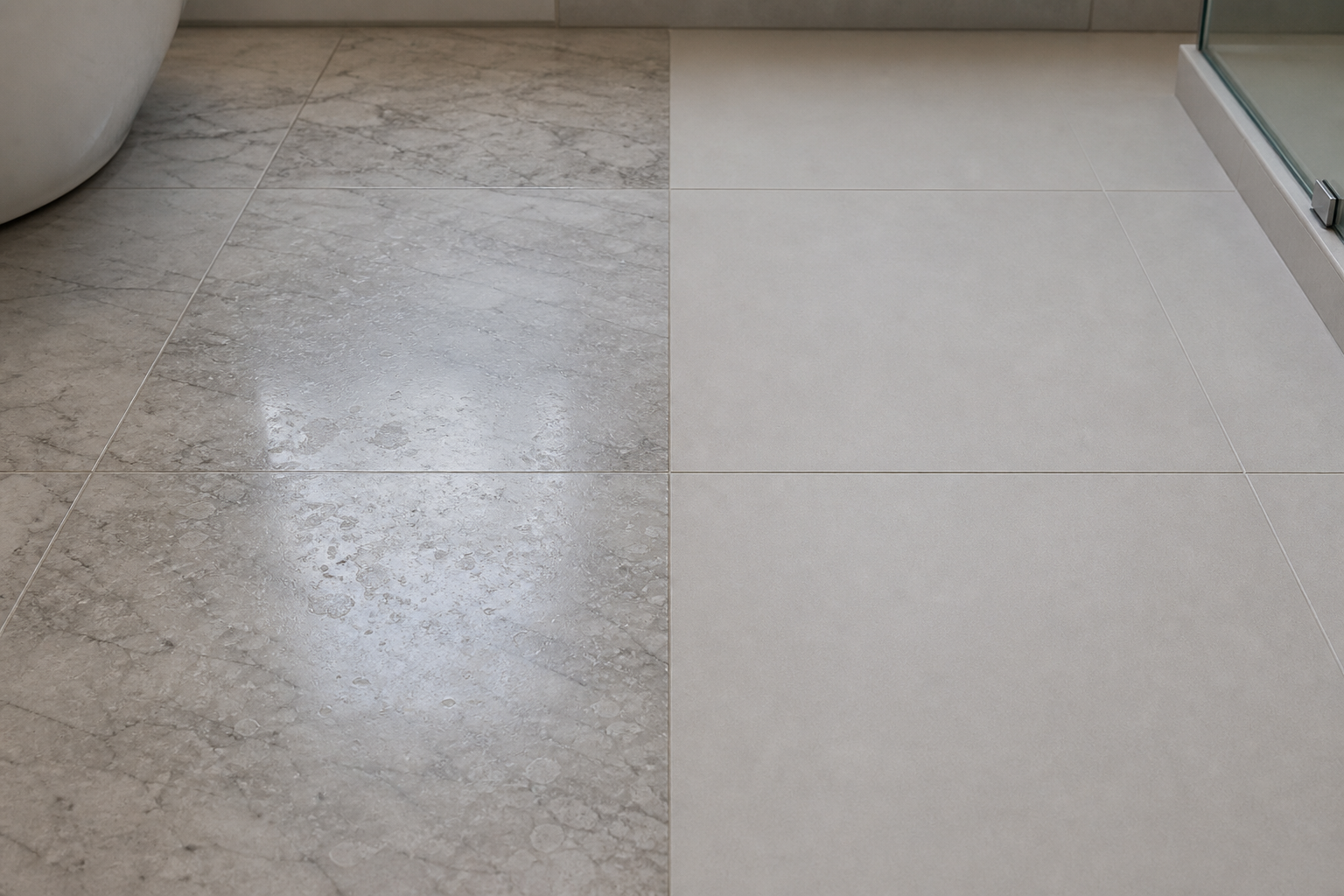
Natural stone feels like the premium choice. But in a bathroom, porcelain often performs like one. Here is what the physics of water absorption actually says about which material ages better.
Porcelain requires almost no material-specific maintenance over a decade. Stone requires consistent sealing, pH-neutral cleaning, and eventual professional restoration. Here is what that gap actually costs in time and money.
A bathroom that feels damp after cleaning is not a cleaning problem. It is a ventilation problem, a material problem, or a combination. Here is how to tell which and what to do about it.
The questions most homeowners ask contractors (cost, timeline, references) are the ones every contractor is prepared for. The questions that reveal real competence are the ones about systems, sequences, and what happens when things go wrong.
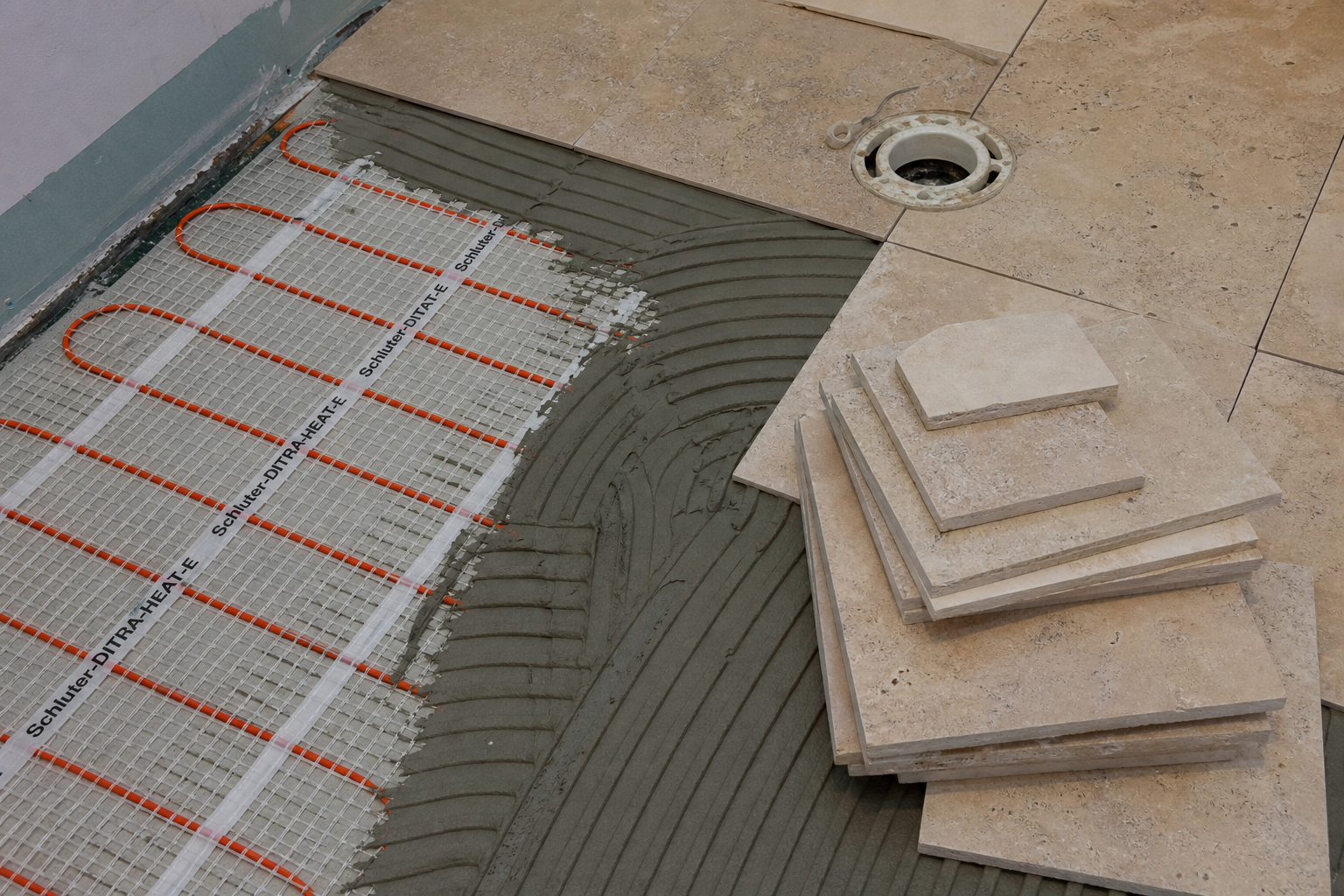
Radiant floor heating is worth it in almost every bathroom where the floor is stone or large-format tile. It is rarely worth it in bathrooms where it would cover less than 30 square feet.
Rectified tiles are cut to precise tolerances after firing. That precision changes everything about grout joint width, substrate requirements, and what the finished floor actually looks like.
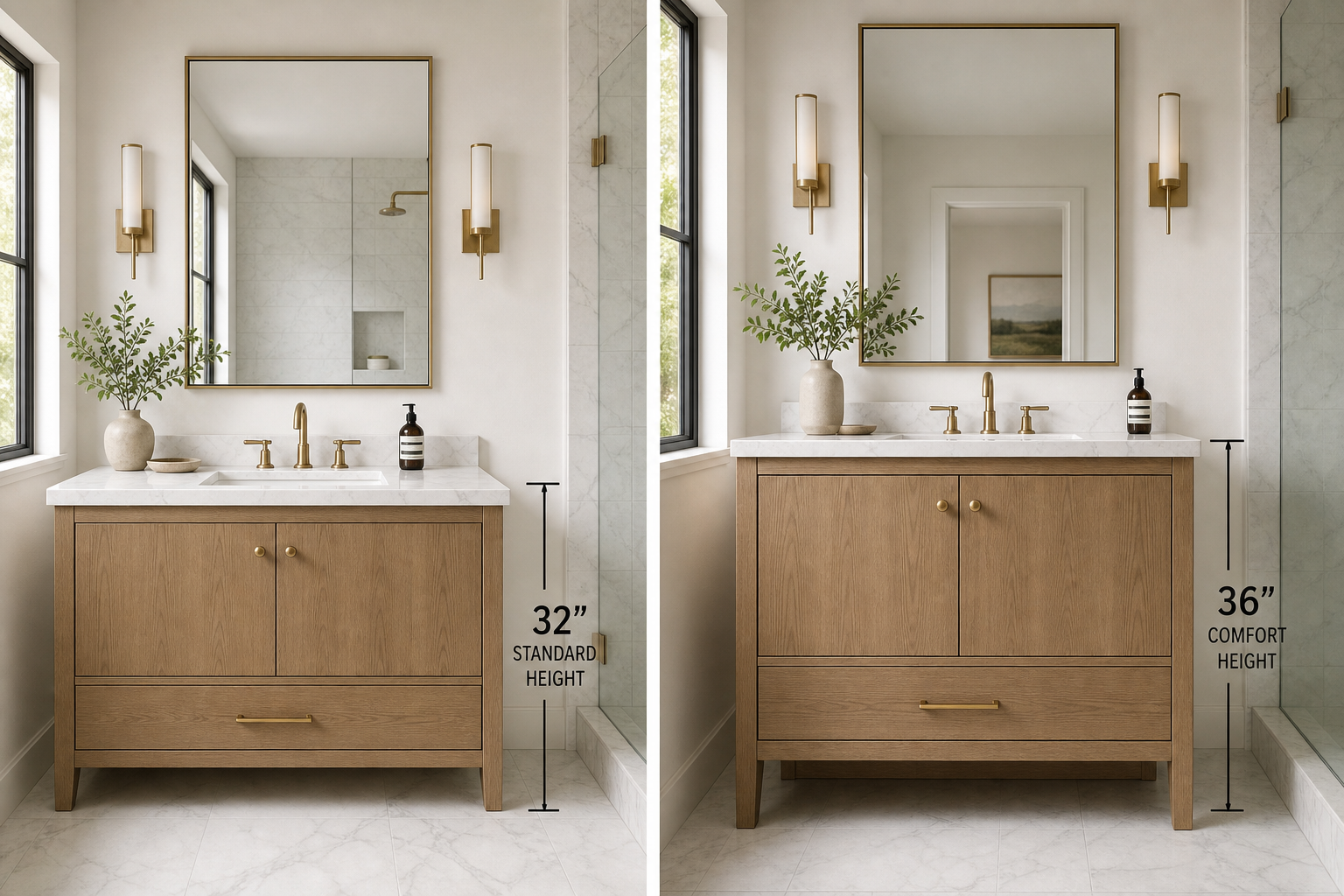
The standard 32-inch vanity height was set decades ago for a population shorter than the current one. If you are over 5'10\", it is fighting you every morning.
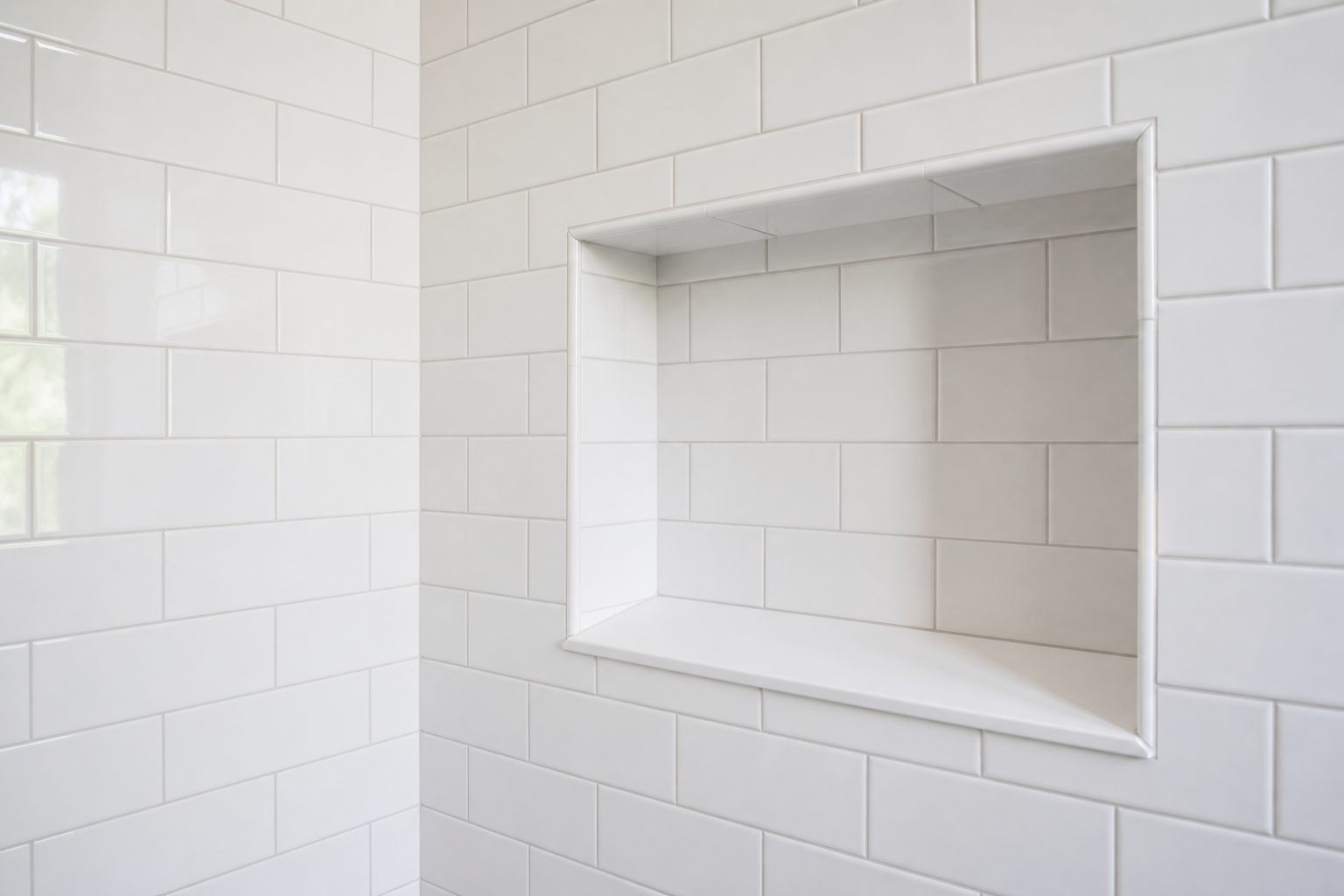
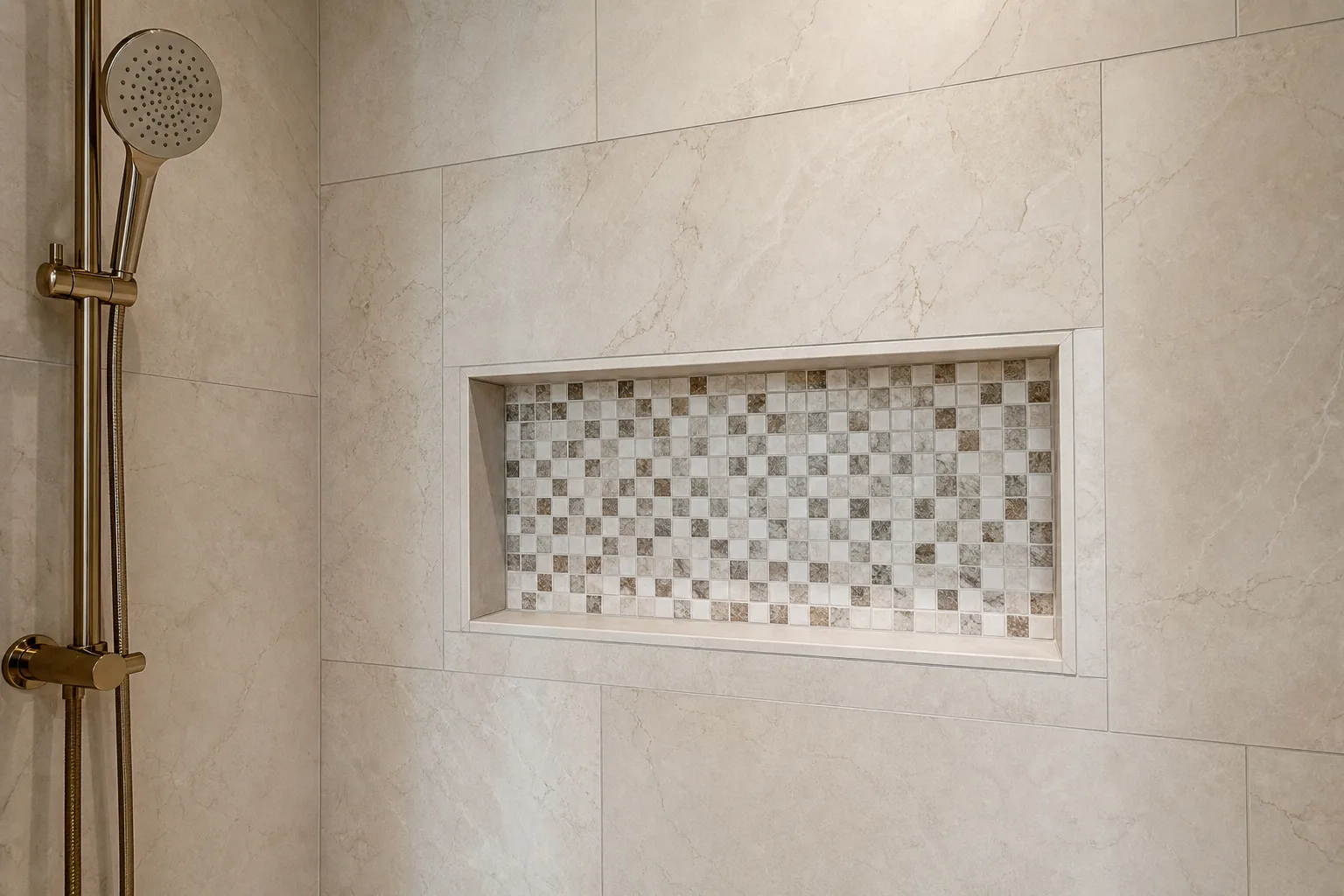
A shower niche that holds bottles at the right height for the people using it is infrastructure. A niche that was placed for visual symmetry with the tile pattern is furniture.
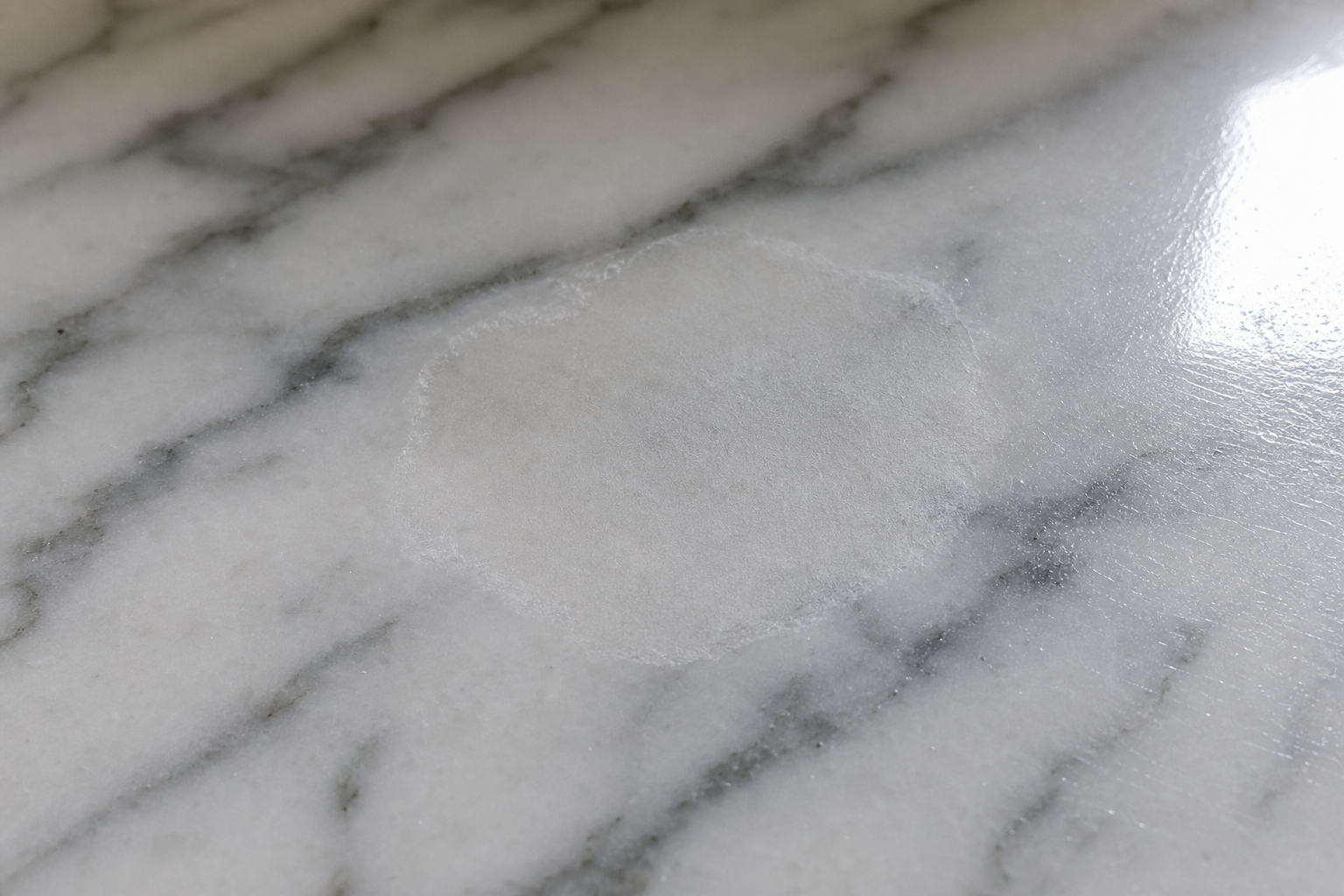
Etching is not a stain. It is a chemical reaction between acid and calcium carbonate that dissolves the polished surface. Sealers do not prevent it. Understanding why helps you choose stone that fits the application.
Style is a vocabulary. Taste is a judgment about what is right for a specific context. Confusing the two is why so many bathrooms end up speaking in someone else's voice.
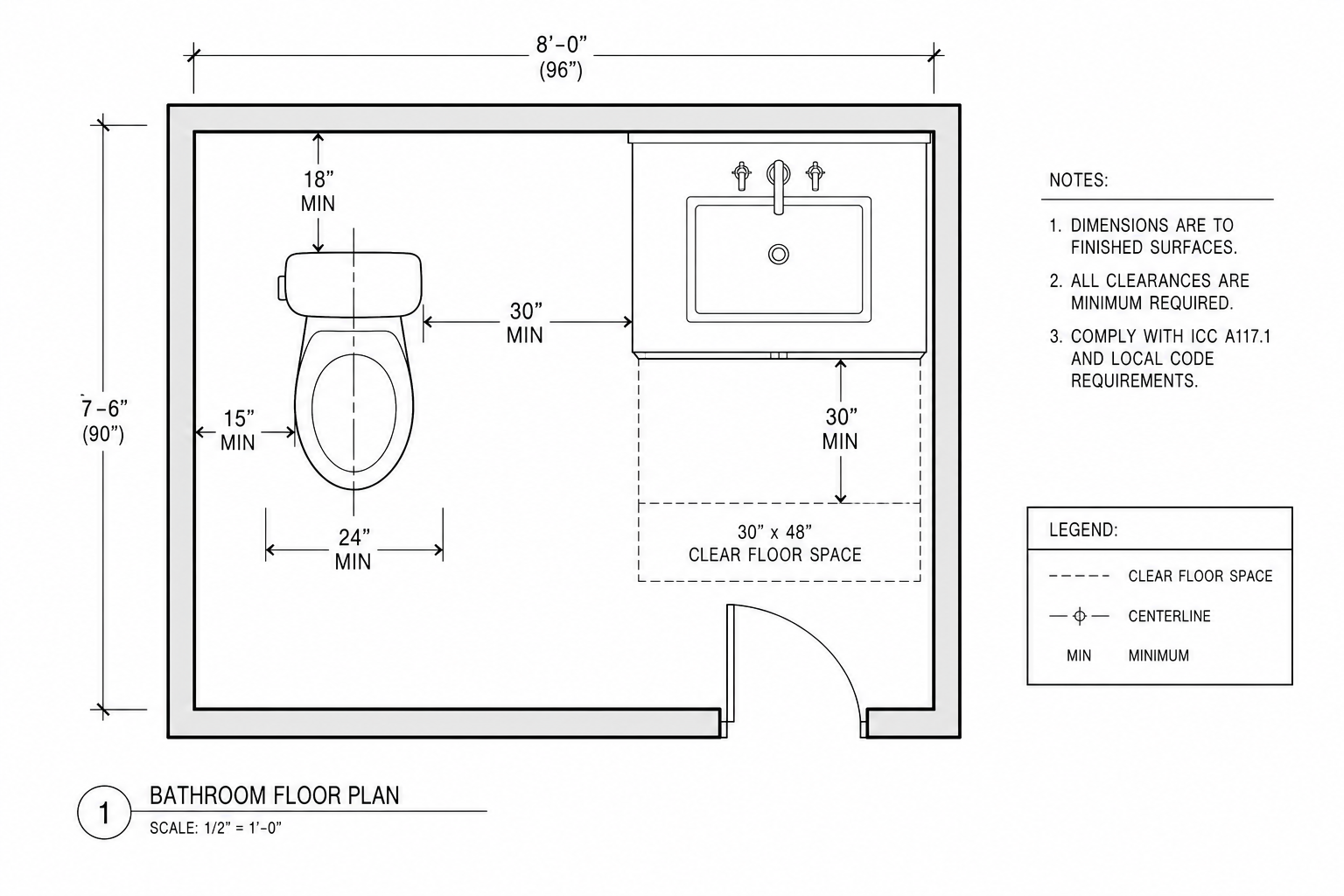
The code minimum says 15 inches from centerline to anything. The NKBA says 18 inches. The difference is whether you can use both fixtures without being aware of the other one.
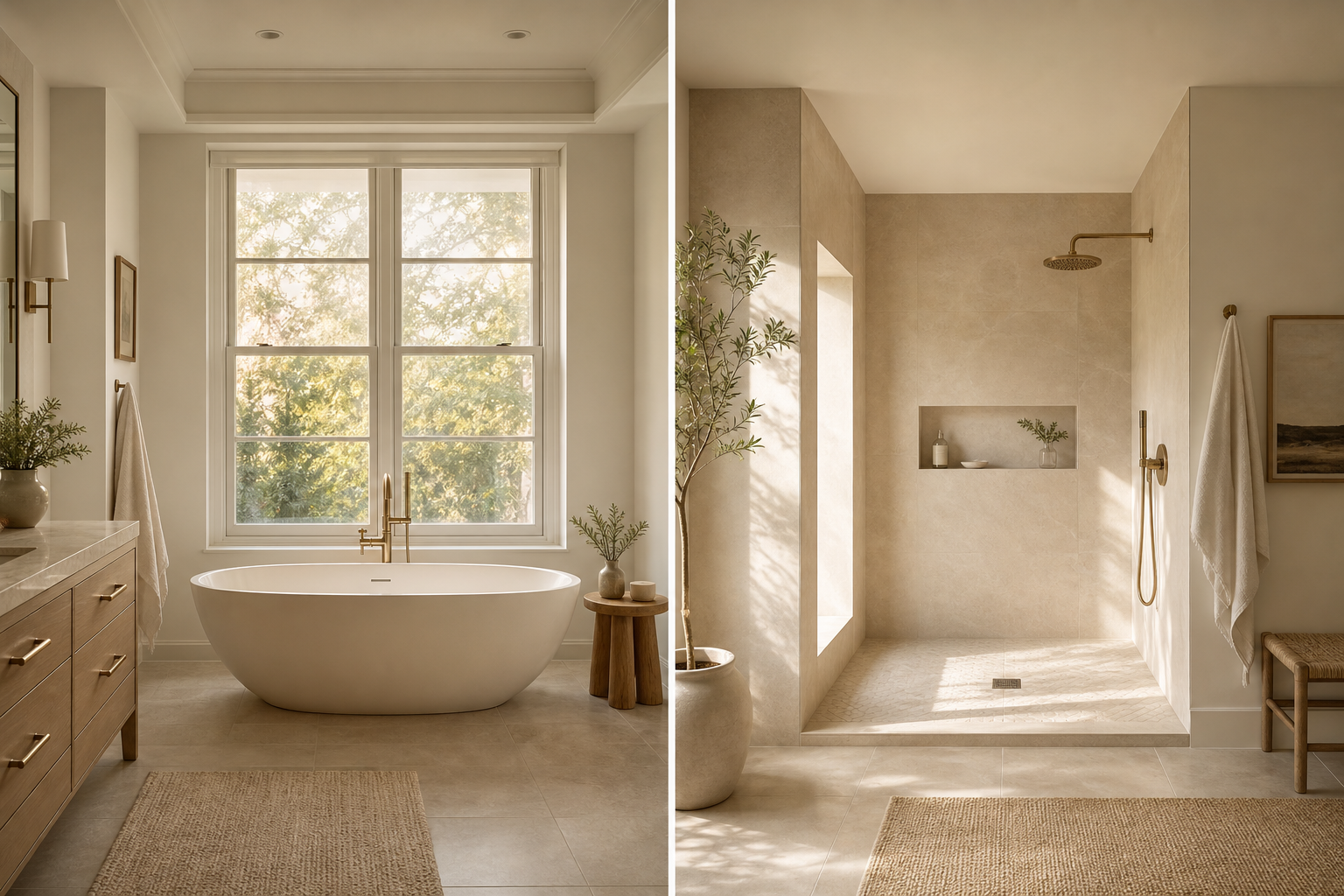
The tub-versus-shower question is almost never about preference. It is about how the household actually uses the room, what the footprint allows, and whether anyone in the house will miss the tub in year five.
Liquid water and water vapor move through building assemblies differently, damage materials differently, and require different controls. Most bathroom waterproofing addresses one and ignores the other.
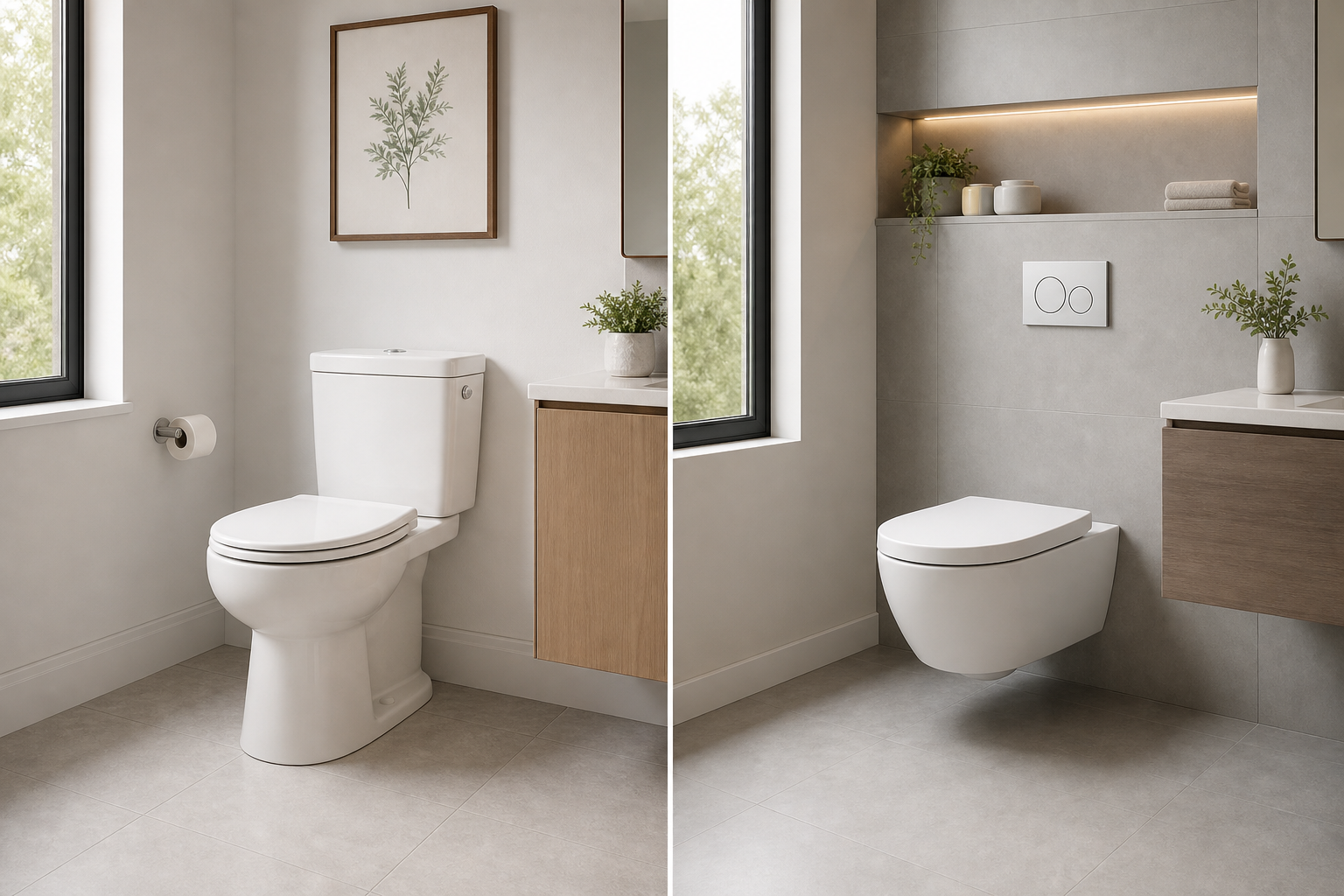
Wall-mount toilets look cleaner and make floors easier to clean. They also require an in-wall carrier frame, a thicker finished wall, and a different plumber for any future repair. Here is the complete trade-off.
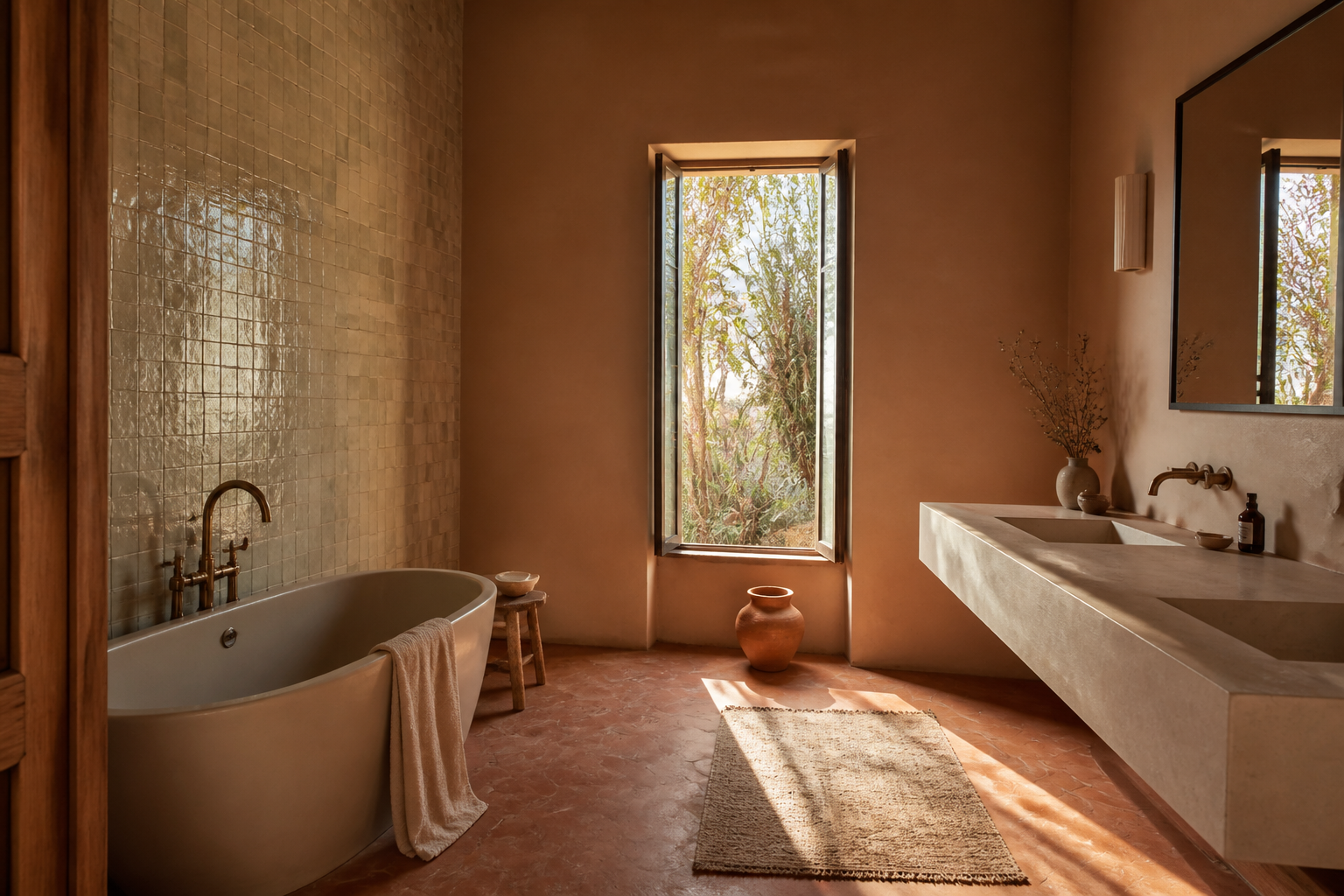
Warmth in a bathroom is not primarily a heating question. It is a material, proportion, and light quality question — and it is mostly decided before a single fixture is ordered.
Water-resistant slows water down. Waterproof stops it. In a shower, that distinction determines whether the room lasts five years or fifty.
A wet room is a fully waterproofed space where shower and floor are continuous. It is beautiful when the waterproofing is right and expensive to fix when it isn't.
A building-science look at the predictable failure sequence in bathrooms: caulk, grout, ventilation, waterproofing... and what each one costs if you ignore it.
Clinical is what happens when a bathroom is correct without being considered. Calm is what happens when the light, materials, proportion, and sound all agree with each other and with the person using the room.
Bathroom silicone caulk has a functional lifespan of three to five years. When it fails, the question is not just when to replace it but whether what replaces it will last longer.
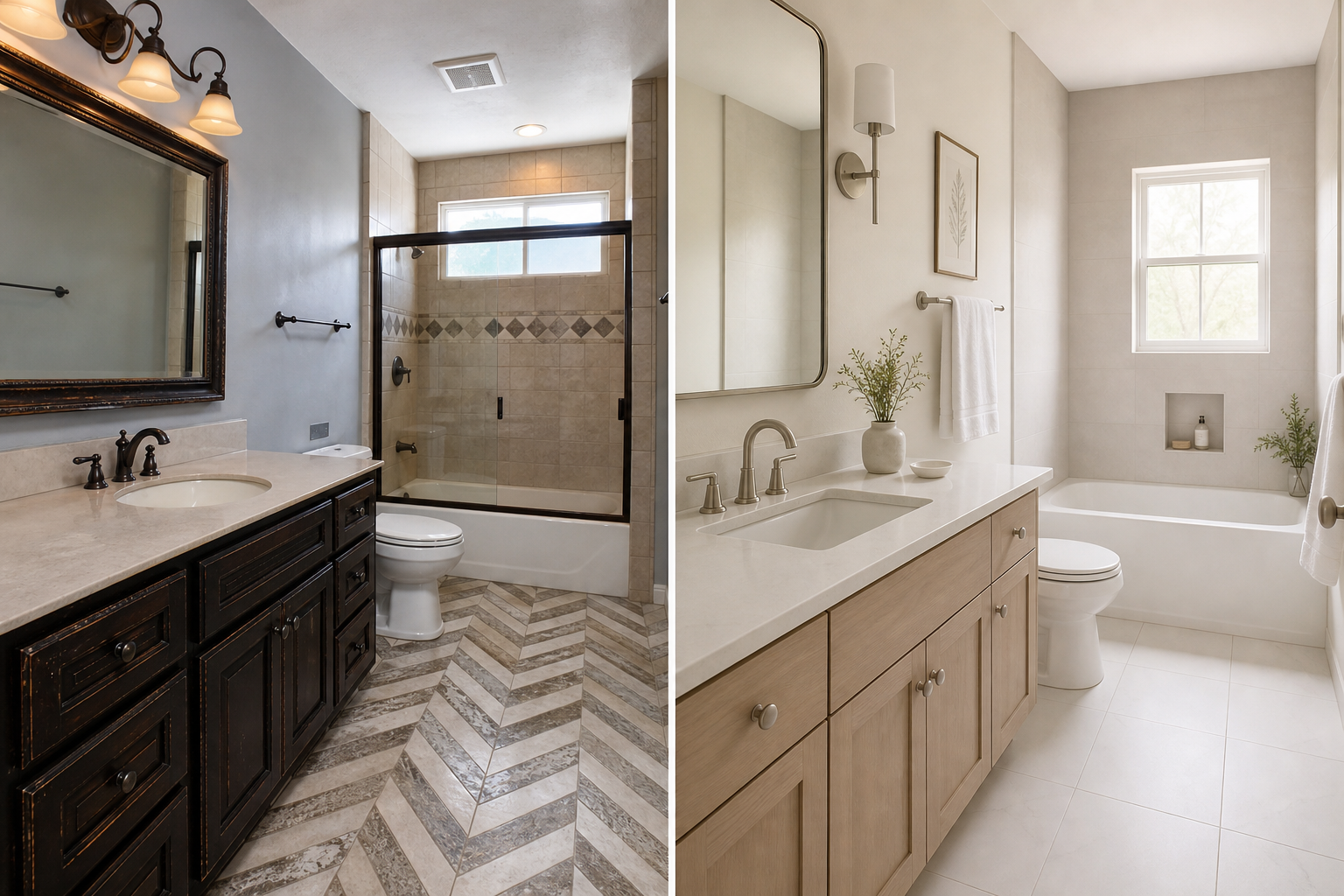
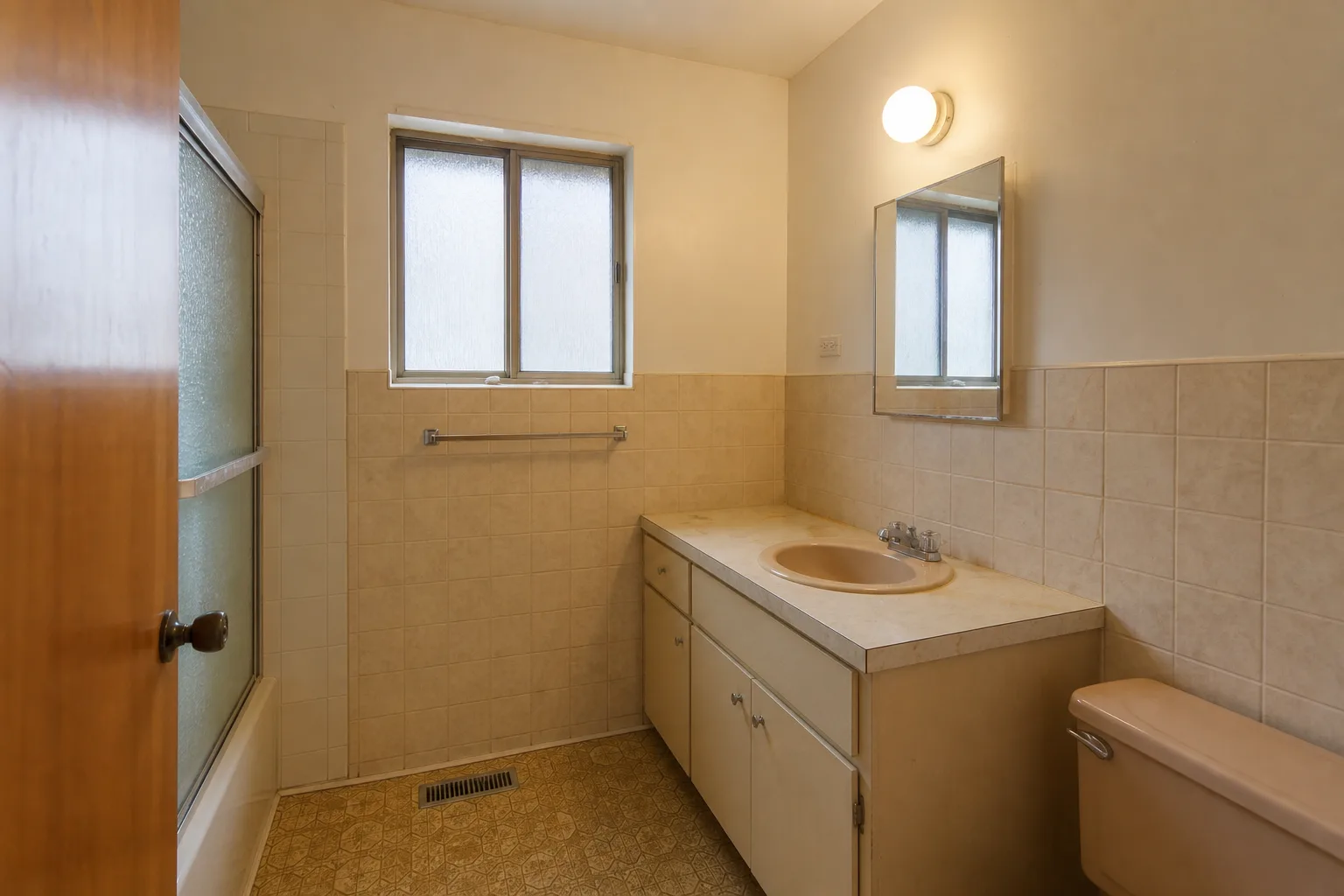
A bathroom can be spotless and still feel like it belongs to a different decade. Understanding why that happens is the first step toward not building it into your next renovation.
The tile gets the attention. The lighting determines whether the room feels good to be in. A look at color temperature, CRI, fixture placement, and why most bathrooms are lit wrong.
Shower pan failures are among the most expensive repairs in residential construction, and the leak is usually years old by the time anyone sees it. Here is how the failure happens and how it stays hidden.
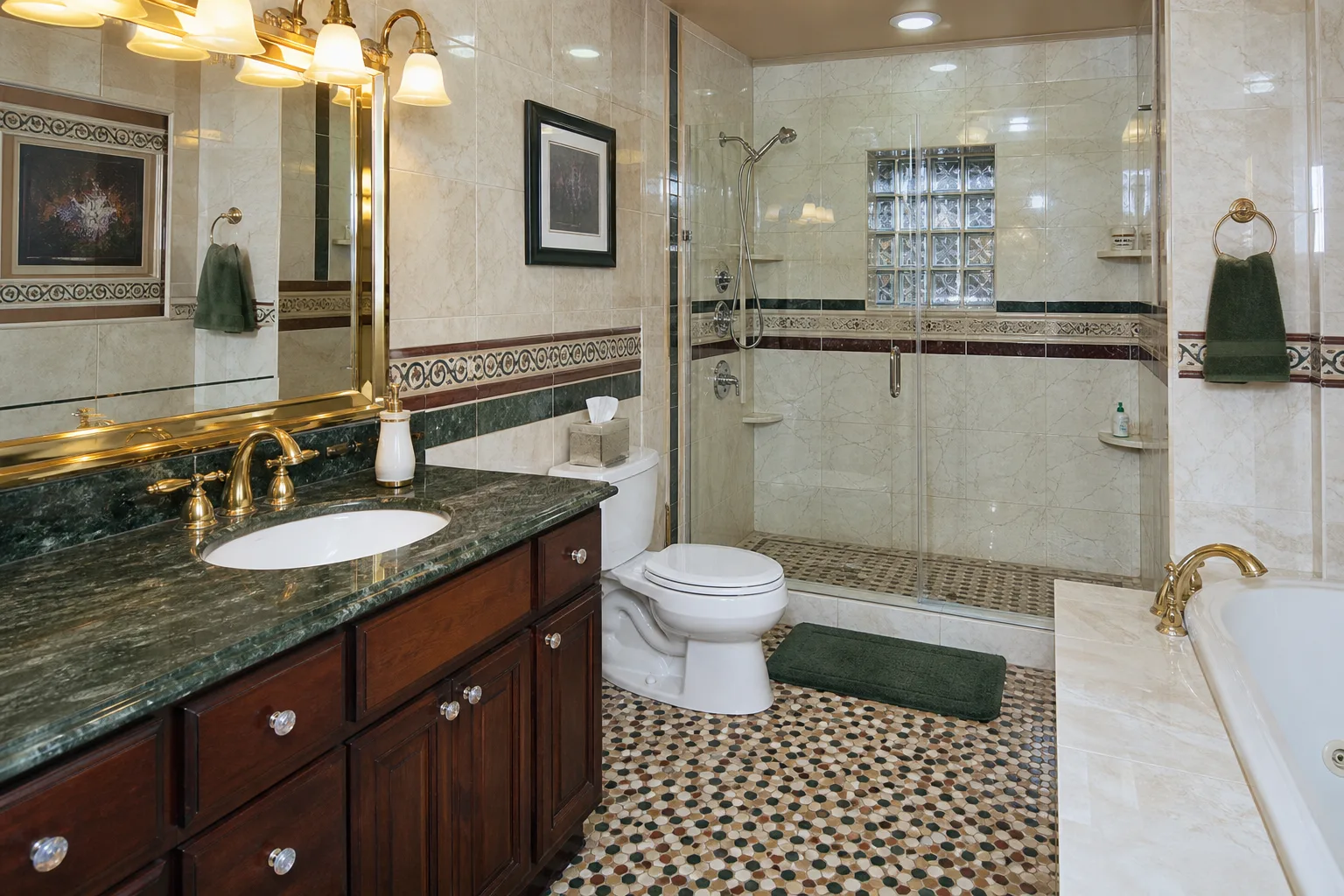
Bathroom design choices that make a remodel look tacky, dated, cheap, or overdone, plus luxury alternatives that feel timeless.
A detailed guide to the 30 percent rule for renovations, bathroom remodel budgets, ROI, and smart luxury spending in Bellevue WA.
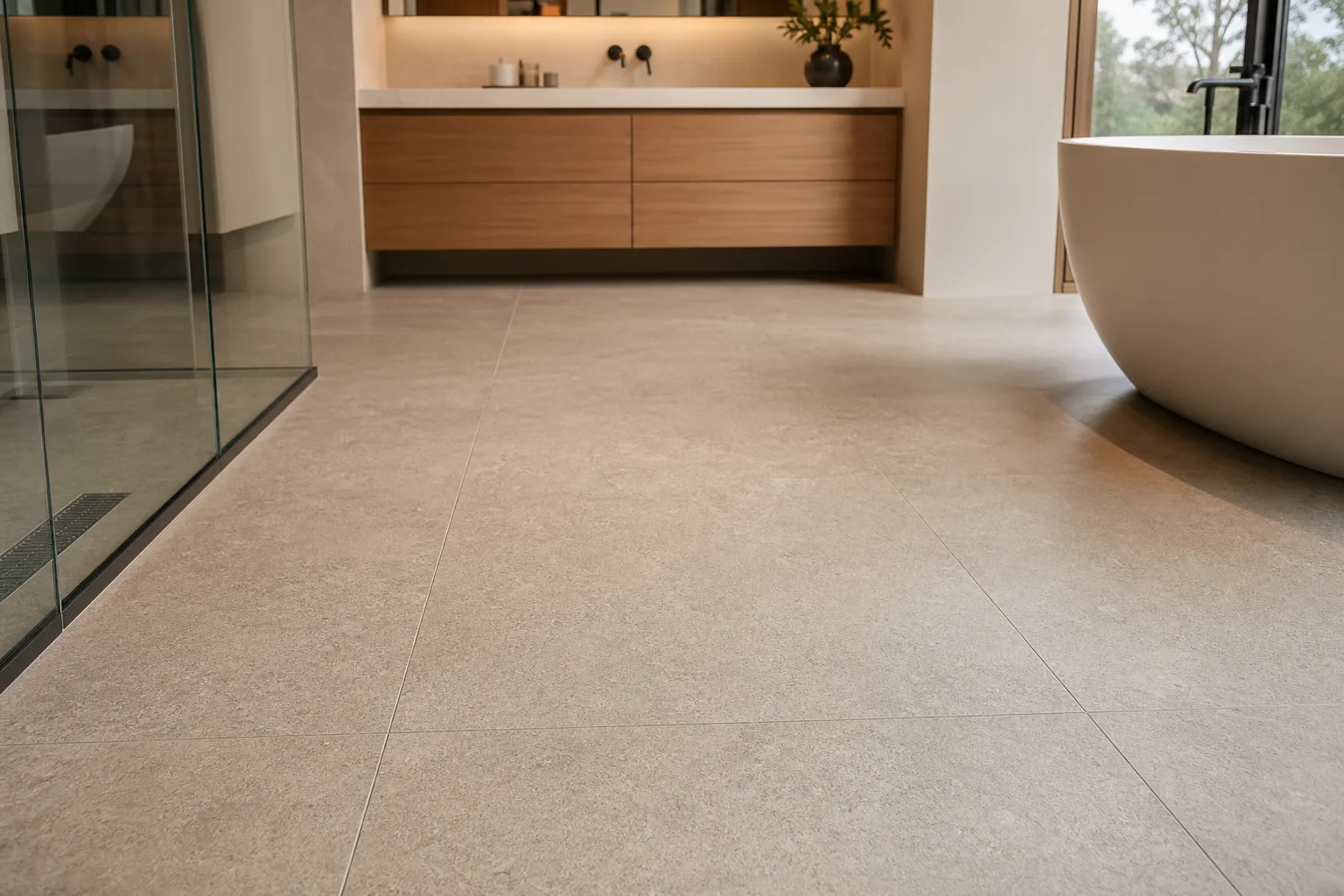
The best bathroom flooring options for waterproofing, slip resistance, heated floors, luxury design, and long-term durability.
When to renovate a bathroom in Bellevue WA, including seasonal timing, contractor availability, material lead times, and household planning.
Bathroom colors that look expensive, including warm neutrals, stone tones, charcoal accents, walnut, cream, taupe, and soft contrast.
Common bathroom renovation mistakes that cause delays, water issues, poor lighting, budget overruns, and disappointing luxury remodel results.
The top 2026 bathroom trend is the warm spa bathroom, with quiet luxury, natural materials, wellness features, and human-centered design.
Designer and builder-backed ways to make a bathroom look luxurious on a budget with lighting, mirrors, tile strategy, hardware, and restraint.
Luxury bathroom fitting brands for high-end remodels, including Waterworks, Dornbracht, Kallista, THG Paris, Graff, Toto, Duravit, and more.
What a $50,000 remodeling budget can realistically cover in Bellevue, including bathroom remodels, selective upgrades, and luxury tradeoffs.
Rip-and-replace bathroom remodel cost ranges for Bellevue WA, including powder rooms, hall baths, primary bathrooms, and luxury upgrades.
Timeless bathroom color ideas for luxury remodels, resale value, and elegant Bellevue homes.
The bathroom remodel upgrades that add the most resale value, daily comfort, and buyer confidence in Bellevue WA homes.
The biggest causes of home value loss, including water damage, poor workmanship, bad bathroom remodels, deferred maintenance, and unpermitted work.
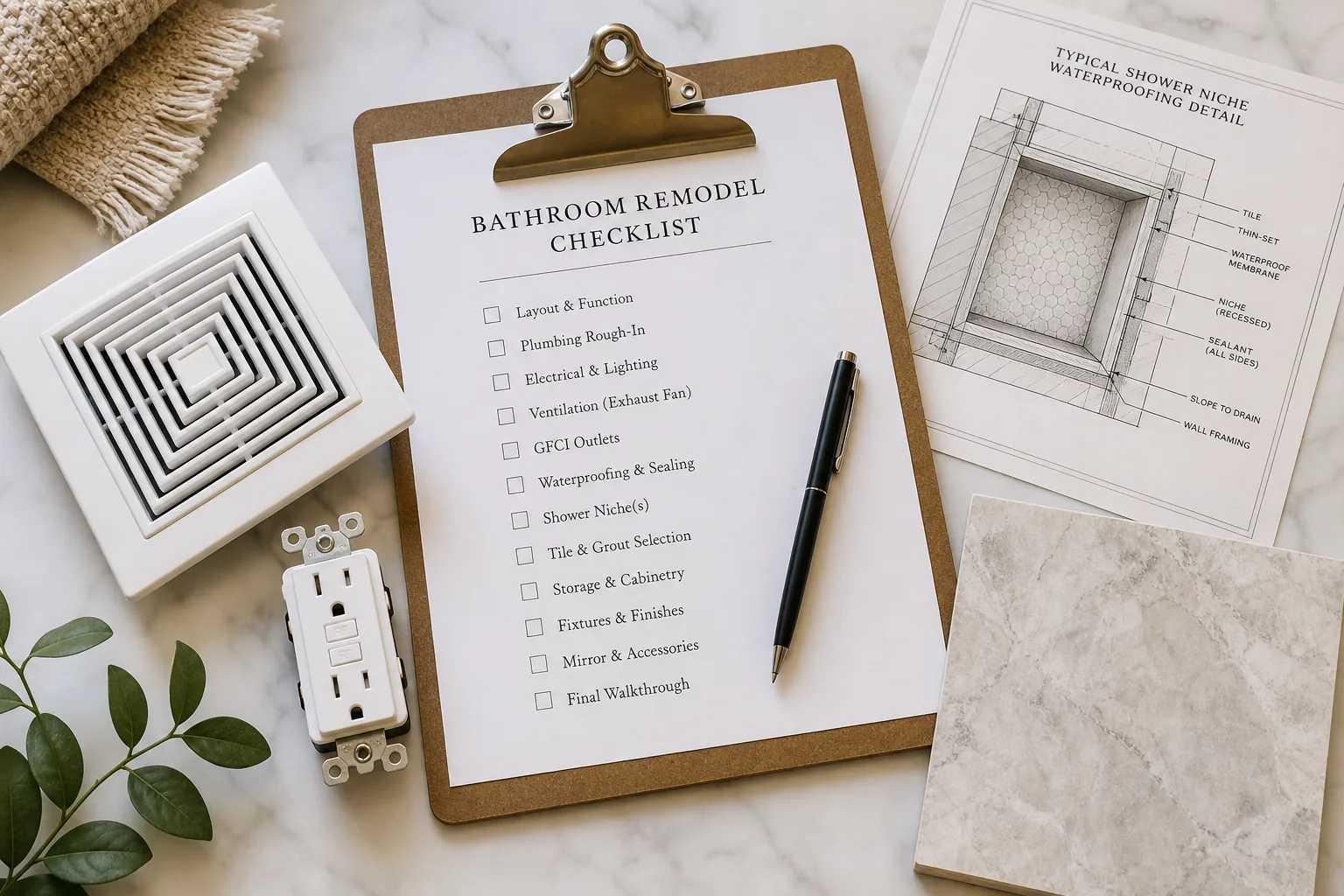
A detailed bathroom remodel checklist covering ventilation, waterproofing, outlets, niches, lighting, towel hooks, storage, and clearances.
What to avoid saying to a remodeling contractor, what to say instead, and how honest budget conversations improve bathroom remodel outcomes.
What to avoid during a bathroom renovation, including poor planning, bad waterproofing, weak ventilation, slippery tile, and rushed selections.