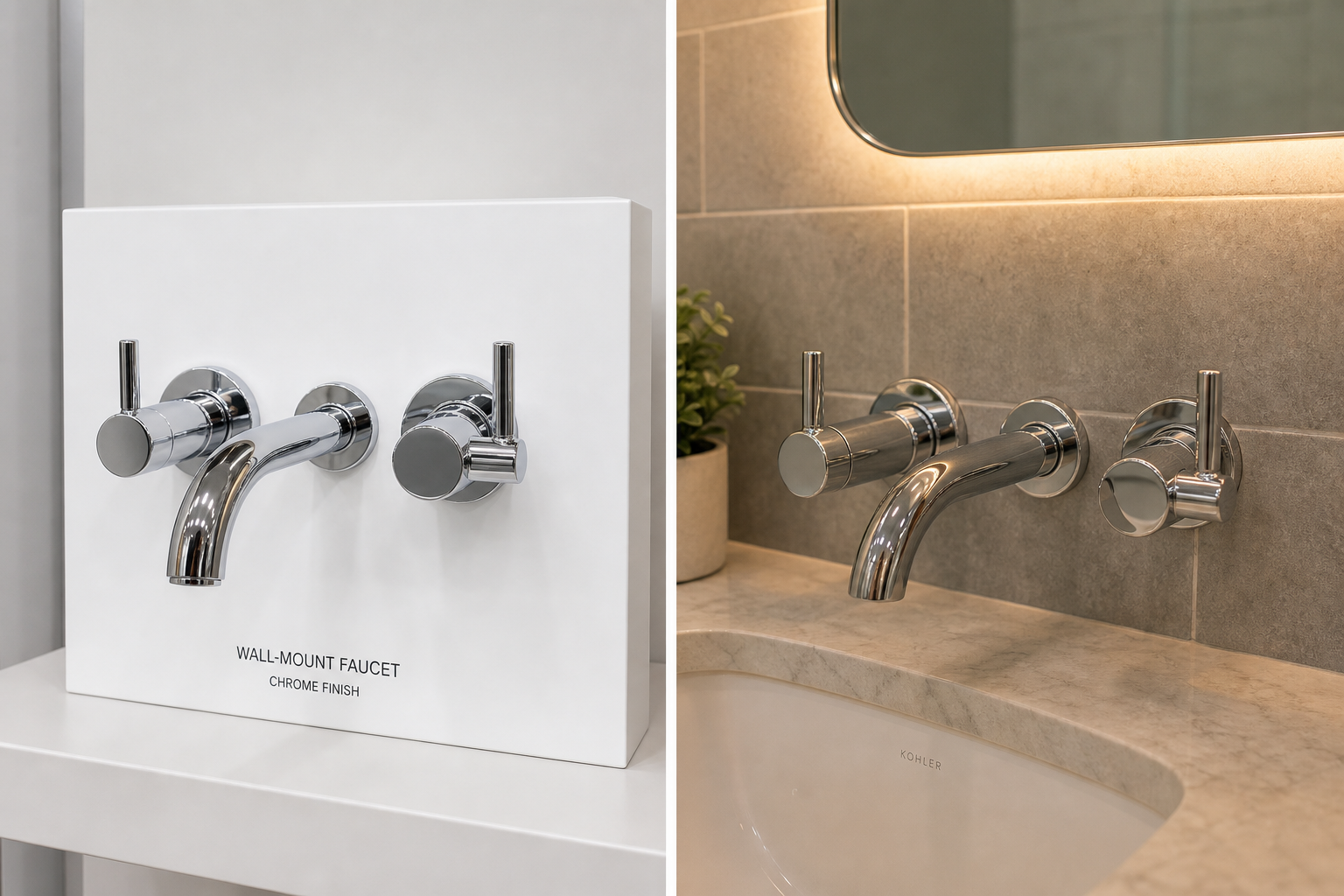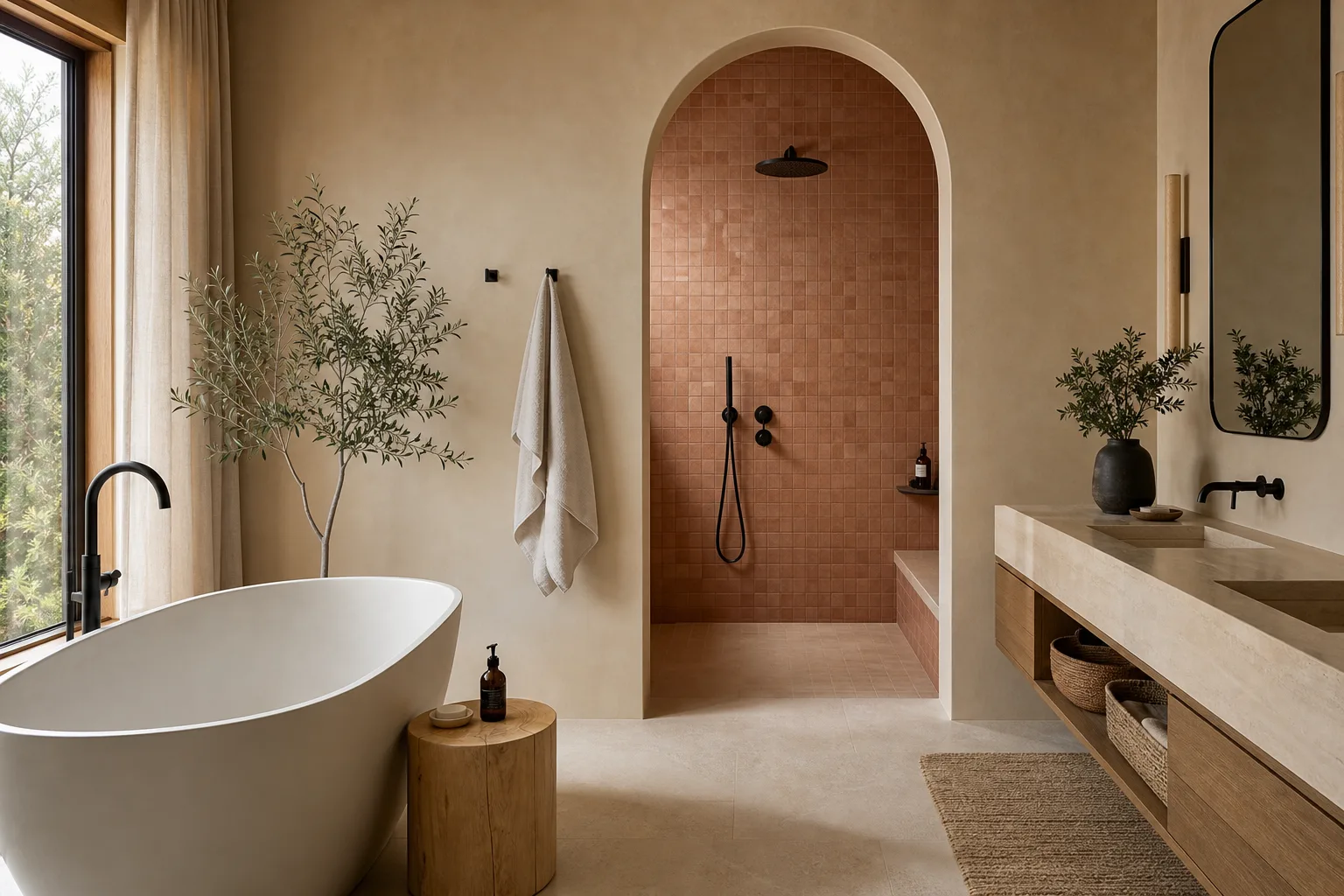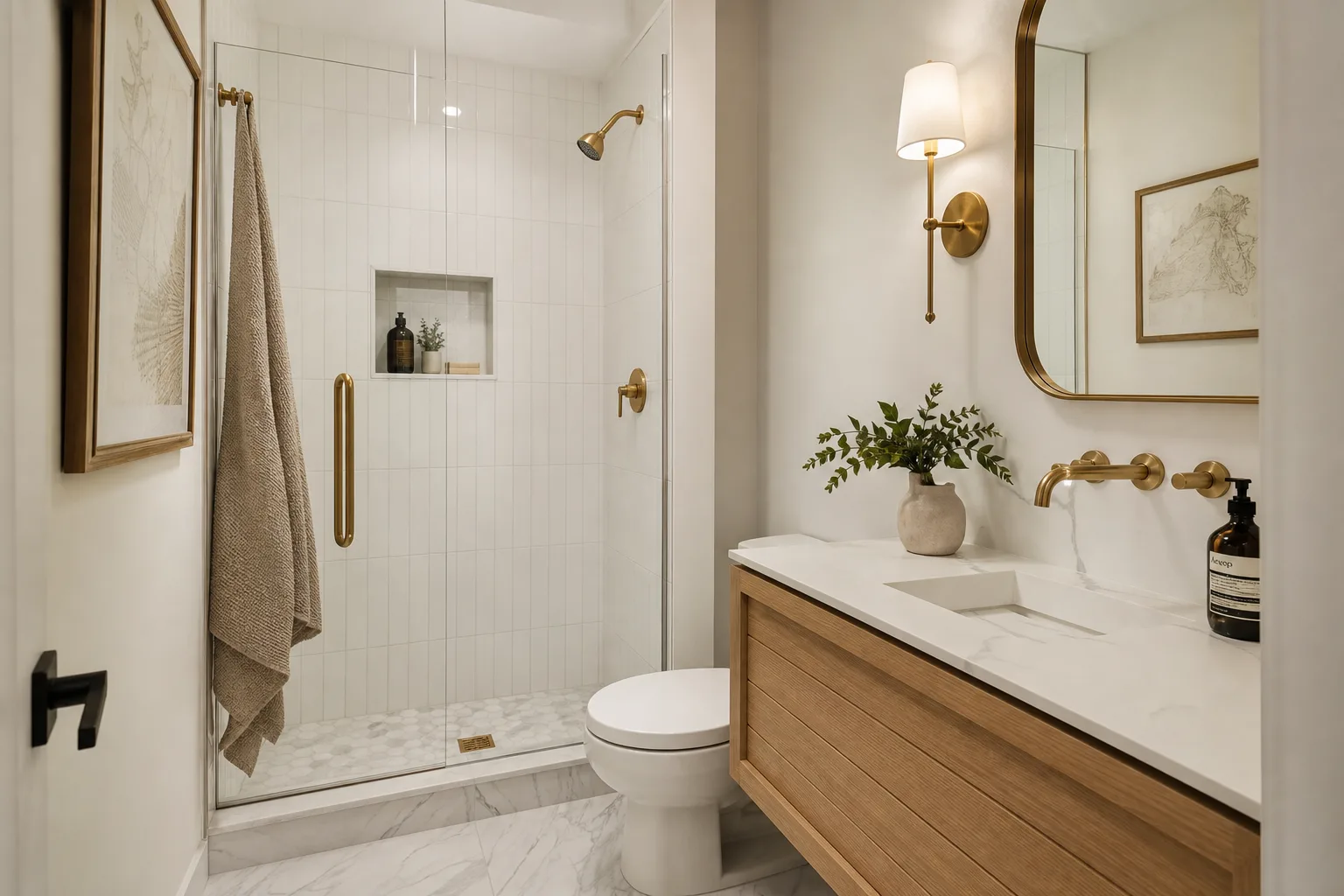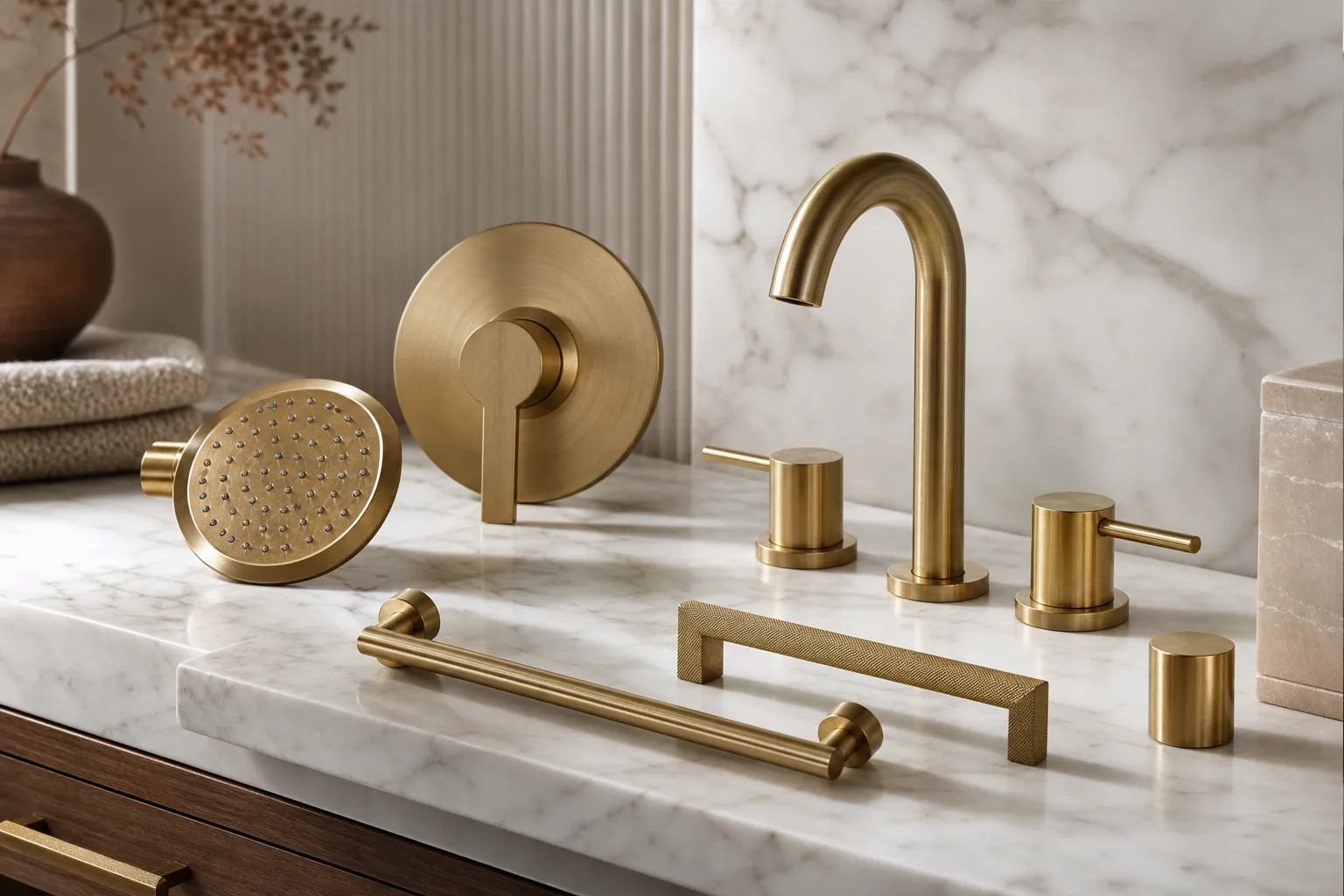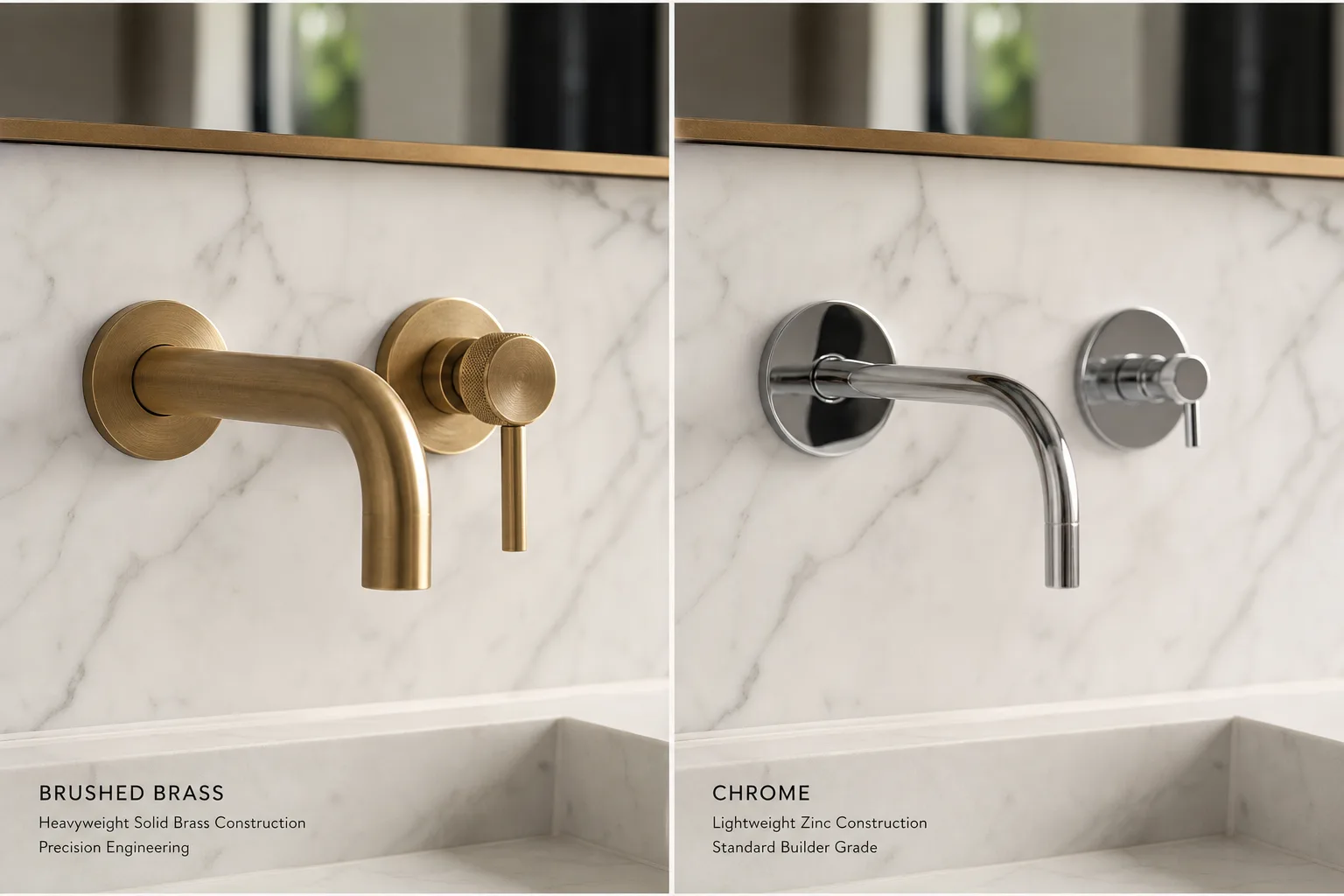
Most of the difference between a $300 faucet and a $1,500 faucet is visible from the outside: the design, the finish exclusivity, the brand. The internal components that determine whether the faucet drips in year five or year twenty-five are largely standardized above the $150 to $200 price point. A ceramic disc valve in a $300 Kohler faucet and a ceramic disc valve in a $1,200 Waterworks faucet are doing the same mechanical work with essentially the same service life. What you are paying for at the upper tier is not more years of leak-free operation. It is something real, but it is different from what most people assume.
Understanding this does not mean luxury faucets are not worth buying. For the right household, in the right application, they are. It means the reason to buy one should match what you are actually getting.
What the Internal Components Decide
A faucet's functional longevity is determined by three things: the valve type, the body material, and the finish durability. Everything else is design.
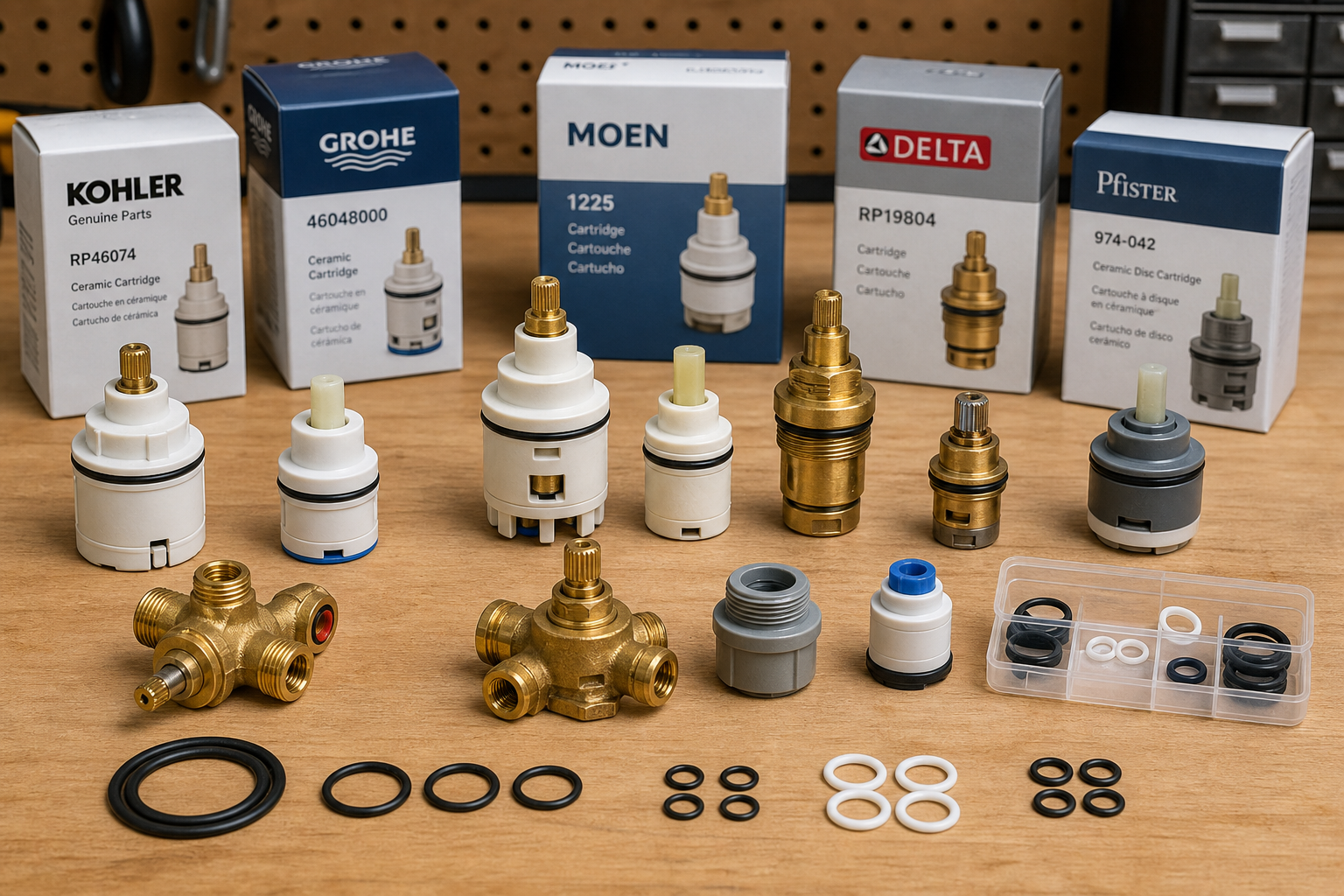
Valve type. Modern faucets use one of two primary valve mechanisms: cartridge valves and ceramic disc valves. Cartridge valves use a self-contained unit with internal seals; well-made cartridges from established manufacturers (Moen, Delta, Kerox, Sedal) last 8 to 15 years before the seals degrade and the faucet begins to drip. Ceramic disc valves use two precision-ground ceramic discs that slide against each other to control flow. Because ceramic is extremely hard and chemically inert, these valves are not worn down by the grit and mineral deposits that eventually degrade cartridge seals. Ceramic disc valve service life under normal household use is 30 to 40 years.
The practical implication: ceramic disc valves are the relevant specification for a primary bathroom faucet you intend to use for decades. They are standard across most faucets above the $150 price point from major manufacturers. A $300 faucet with a ceramic disc valve will not drip sooner than a $1,500 faucet with a ceramic disc valve. The mechanism is the same.
Body material. Solid brass is the standard in quality faucet construction. Brass (copper and zinc) is naturally corrosion-resistant, dimensionally stable under temperature cycling, and machined to precise tolerances that produce reliable seals at threads and seat surfaces. A solid brass body is why a faucet feels heavy; it is also why the threads hold after twenty years of use. Budget faucets (below $100 to $150) often use zinc alloy bodies or plastic components; these are lighter, feel less substantial, and do not last. Above $150 to $200, solid brass construction is largely standard.
The test: hold the faucet. It should feel heavy. A solid brass faucet is not light.
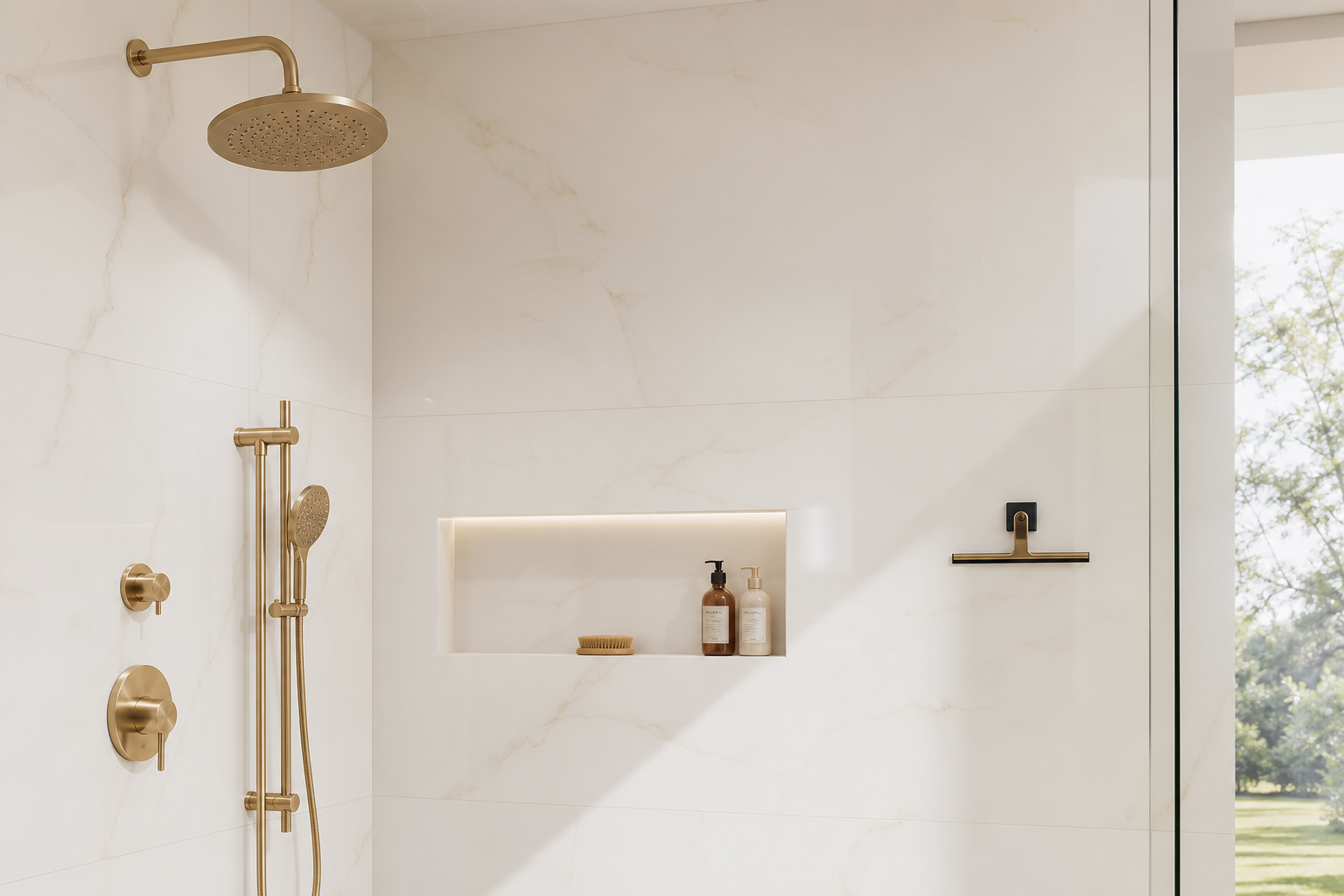
Finish durability. This is where the price ladder starts to matter again. PVD (Physical Vapor Deposition) finishes are applied by molecular bonding; the finish becomes part of the metal surface rather than a coating on top of it. PVD is scratch-resistant, does not peel, and resists the cleaning chemistry found in normal bathrooms. Electroplated finishes, used in lower-cost faucets and some mid-range options, are a coating applied over the base material; they can be scratched through, can peel at the edges over time, and are less resistant to aggressive cleaners.
Above the $300 to $400 price point, PVD finishes are more consistently specified. This is one of the genuine value differences in the mid-range; a $350 faucet with PVD brushed nickel will look the same in year fifteen as in year one. A $120 faucet with electroplated brushed nickel may not.
What Premium Faucets Are Actually Selling
Above roughly $600 to $800, the internal components are no longer the main variable. The ceramic valve is already spec'd. The brass body is already spec'd. The PVD finish is available. What the premium tier is selling is: design, exclusivity of finish, country of manufacture as a quality signal, and the brand's aesthetic identity.
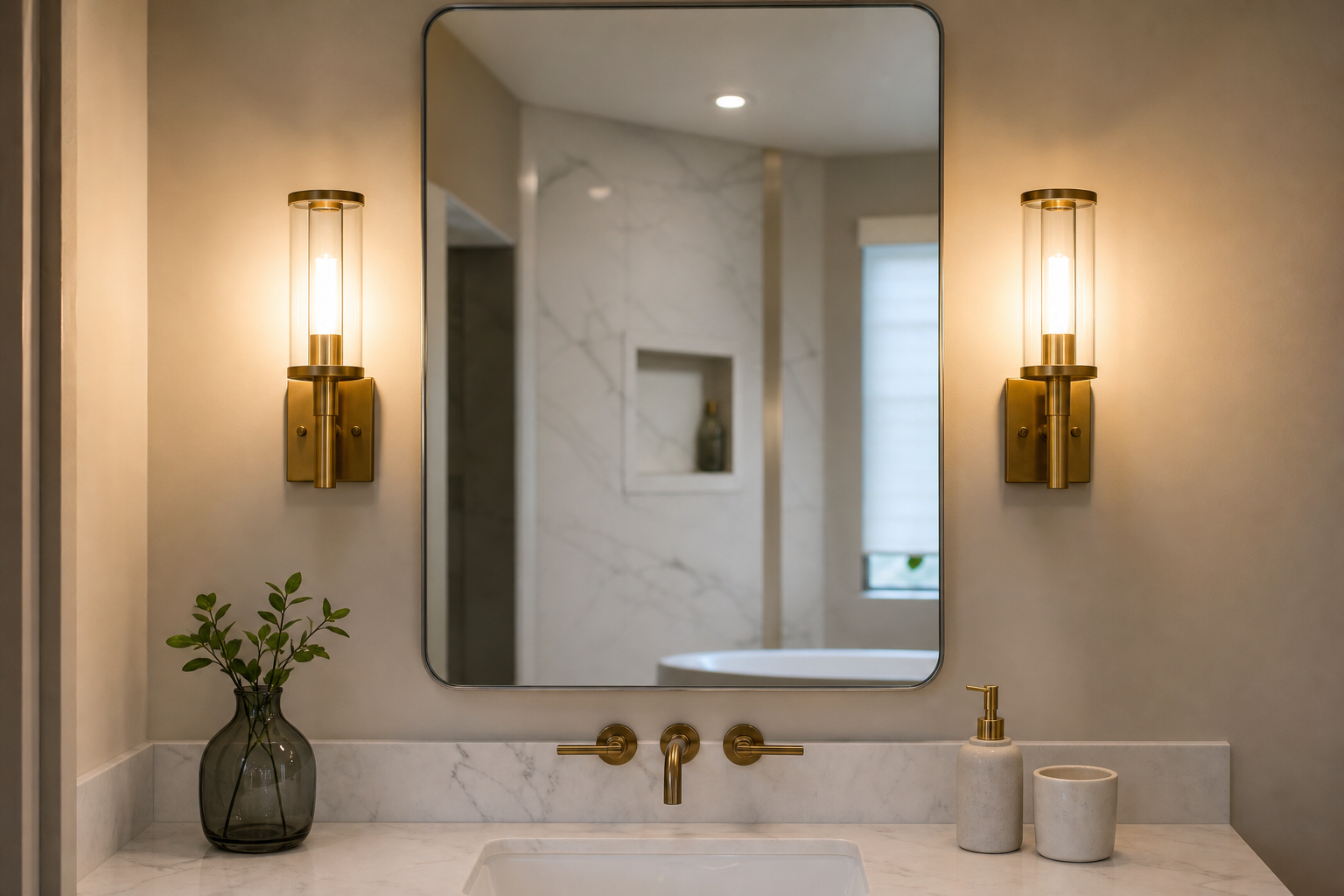
Waterworks, Vola, Lefroy Brooks, and similar brands produce faucets that are genuinely well-made. They are also selling a visual vocabulary, a level of finish detail that reads as deliberate in a finished room, and the assurance of long-term parts support from a brand with a stable product line. These are real values; they are not mechanical values.
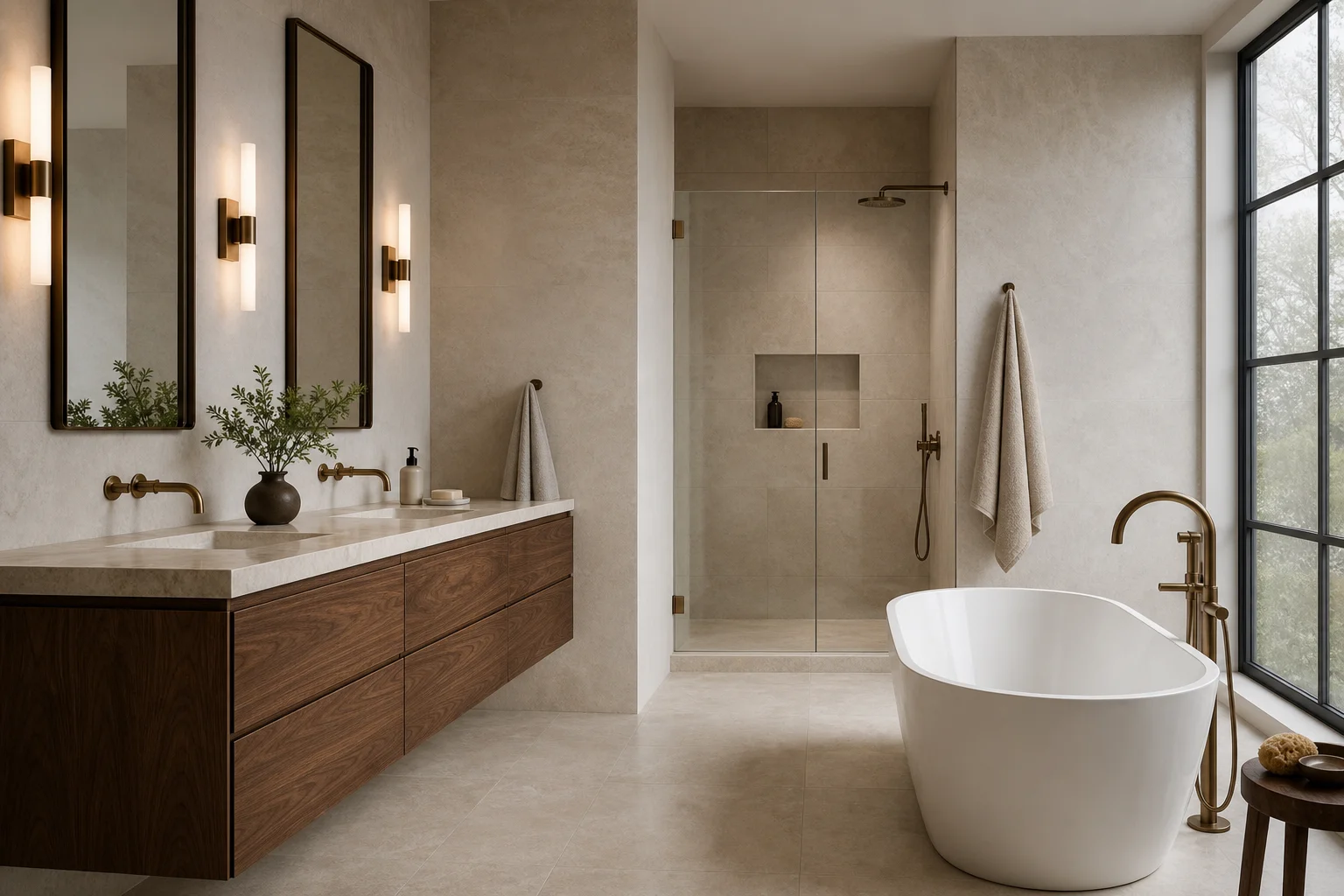
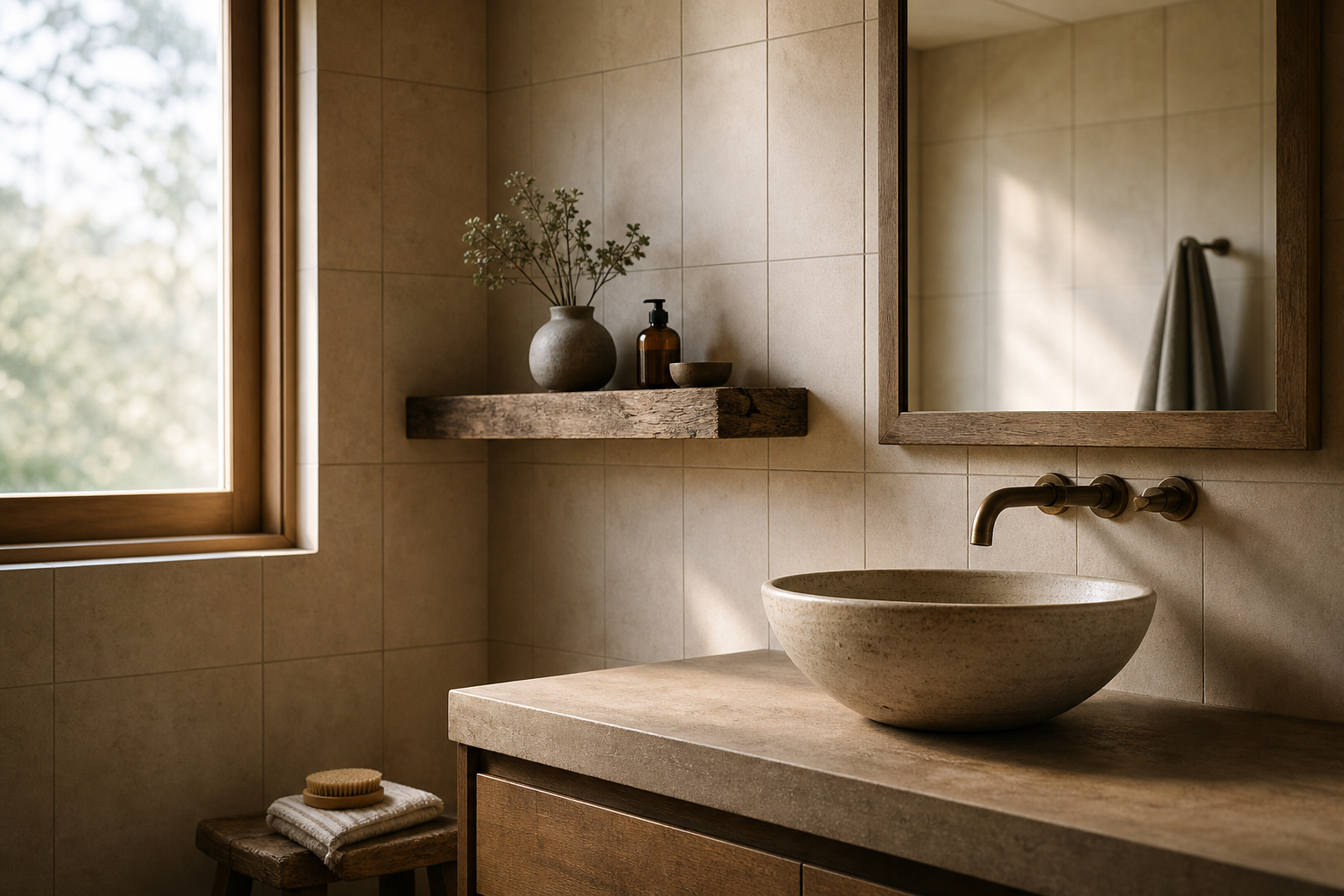
The finish exclusivity matters more than it sounds. A faucet finish that is not available from mass-market brands reads differently in a room from one that appears in every big-box store. In a bathroom designed with care around a coherent material palette, that distinction is visible and contributes to the room's overall sense of intention. In a bathroom that was assembled from available options without a coherent palette, the same premium faucet looks like an expensive component among mismatched ones.
The parts-support argument also has real weight. A major brand that has been in continuous production for forty years is more likely to have replacement cartridges or valve components available in fifteen years than a brand that appeared recently and may not exist in fifteen years. For a faucet in a room you intend to own for decades, the long-term parts availability of the brand is worth researching before purchase.
Where the Money Is Well Spent
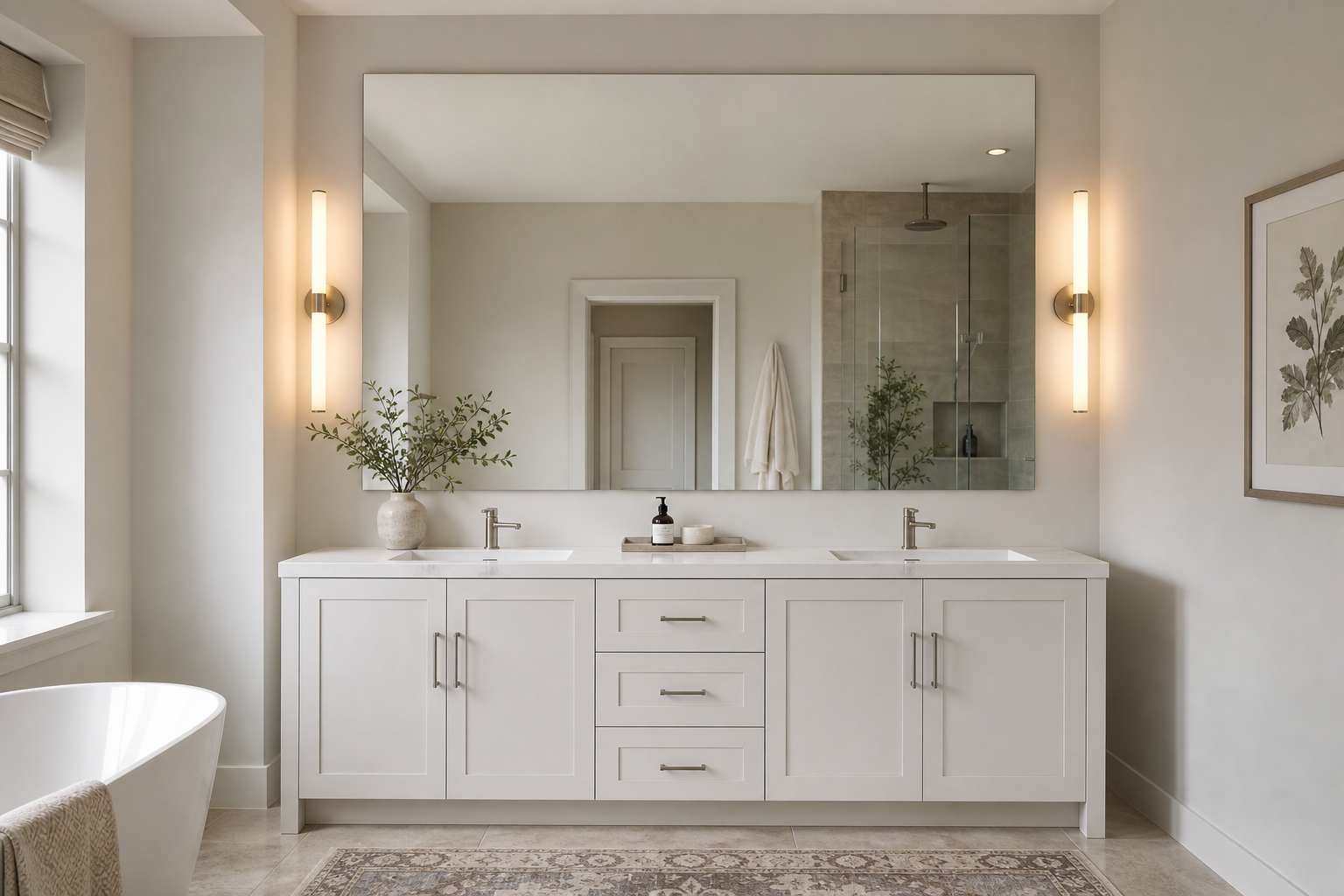
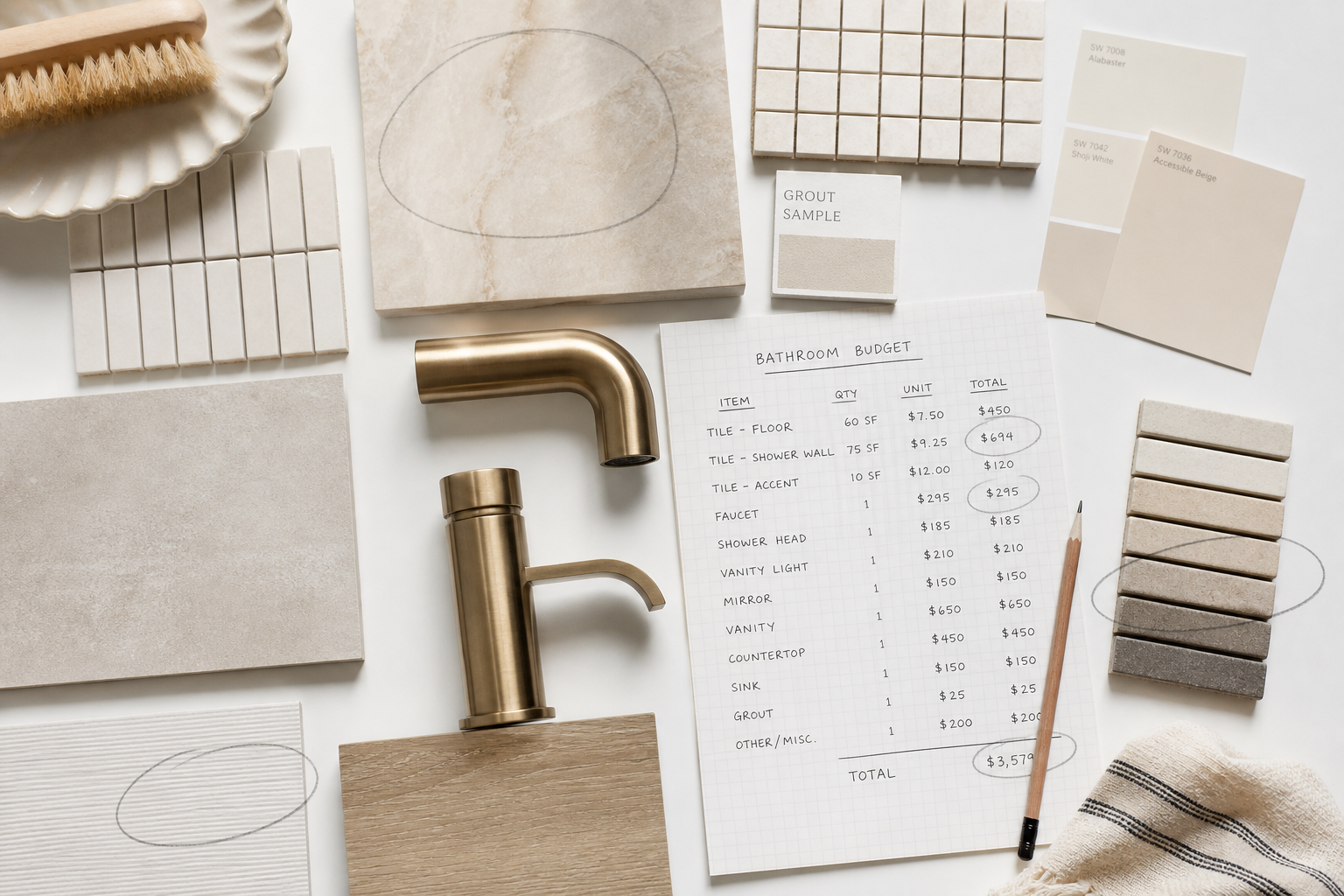
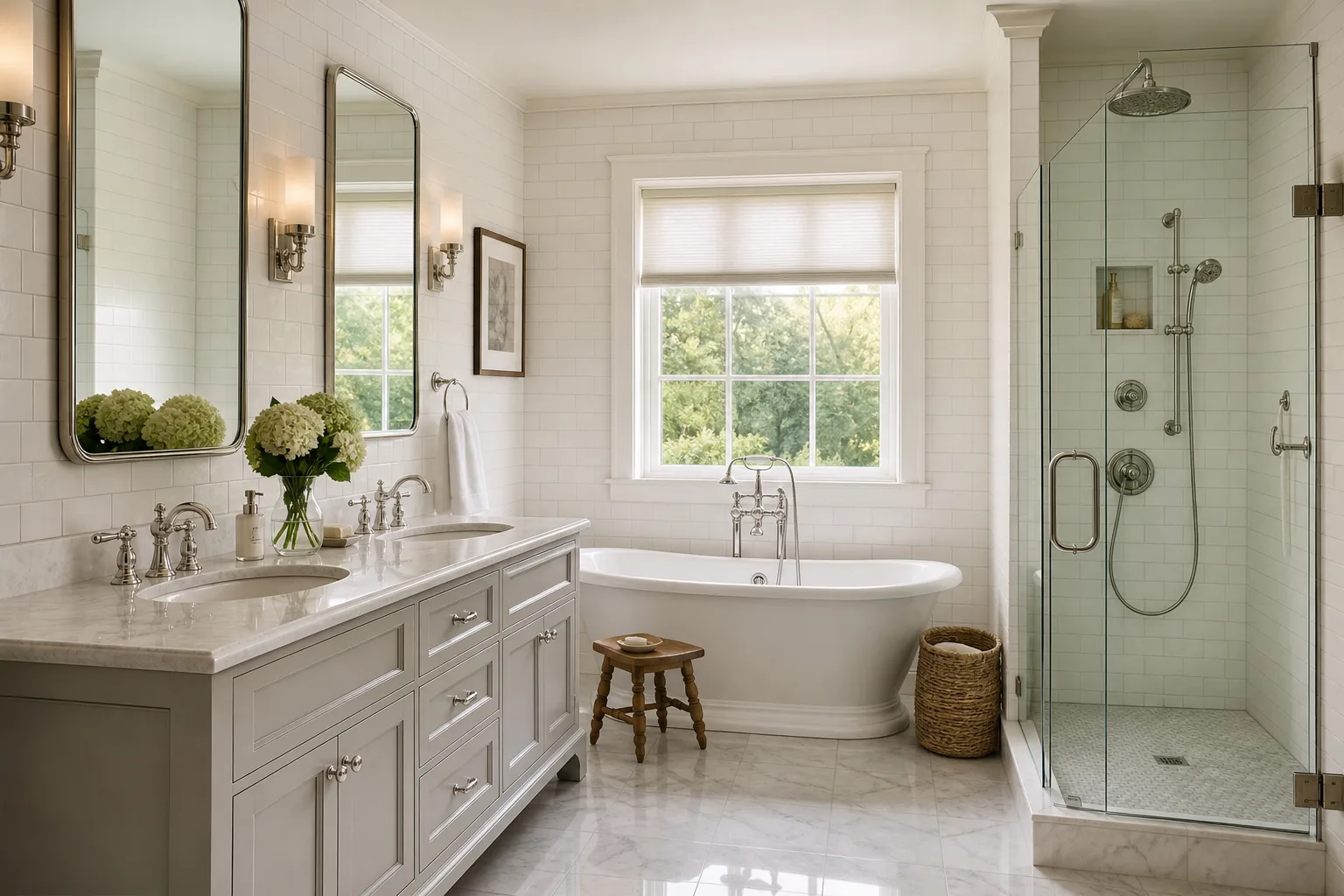
The clearest case for a premium faucet is a primary bathroom that is being built around a considered material palette, where the faucet's visual contribution to the room is a real part of the design intent and where the finish needs to coordinate with other specified elements that are only available from the same or compatible product families.
The clearest case against spending above $500 on a faucet is a bathroom where other decisions have not been made at the same level of attention. A $1,200 faucet in a bathroom with mismatched hardware finishes, builder-grade tile, and a poorly positioned light source reads as an expensive component in an unconsidered room. The faucet does not elevate the room. The room makes the faucet look isolated.
The practical sweet spot for most primary bathroom faucets, where mechanical quality and finish durability converge without paying for design exclusivity, is approximately $250 to $500 from established manufacturers. That range consistently delivers solid brass bodies, ceramic disc valves, and PVD or equivalent finishes, with parts availability from brands that have been in the market for decades.
Spending above that range is not wrong. It should just be done for the right reasons: the design vocabulary of the specific faucet is part of the room's intent, and the finish is not available at the lower tier. Not because more expensive automatically means better, because above a certain point, it does not.
Our standard specification in primary bathroom faucets starts at ceramic disc valves and PVD or equivalent finishes from manufacturers with long-term parts support. Below that line, we will not specify a fixture in a room we are building. A callback in year six because a cartridge failed in a faucet that saved $80 at purchase is not a trade-off we will make on a client's behalf. Parts availability is something we verify before including a brand in a specification, because a faucet is only as reliable as the cartridge that will be available when it eventually needs one.