The 30 percent rule is a rough guardrail for resale-oriented renovations, not a design constraint for households planning to stay. A household that will live in the room for fifteen years and does not expect to recover the investment at sale has no obligation to the rule, and following it uncritically may produce a room that fails to solve the actual problem.
The rule appears in renovation articles, lender guidance, and real estate advice under slightly different names. Some sources cap total renovation spending across all projects at 30 percent of home value. Others apply a tighter 5 to 10 percent guideline specifically to a primary bathroom. The logic behind all variants is the same: do not spend so much on one room that you cannot recover the money when you sell, because buyers will not pay a premium large enough to cover an over-improved bathroom relative to the neighborhood.
That logic is sound for a specific set of circumstances. It is irrelevant, and sometimes harmful, for a different set. The mistake homeowners make is treating the rule as universal financial wisdom rather than asking what problem they are trying to solve.
Where the Rule Comes From
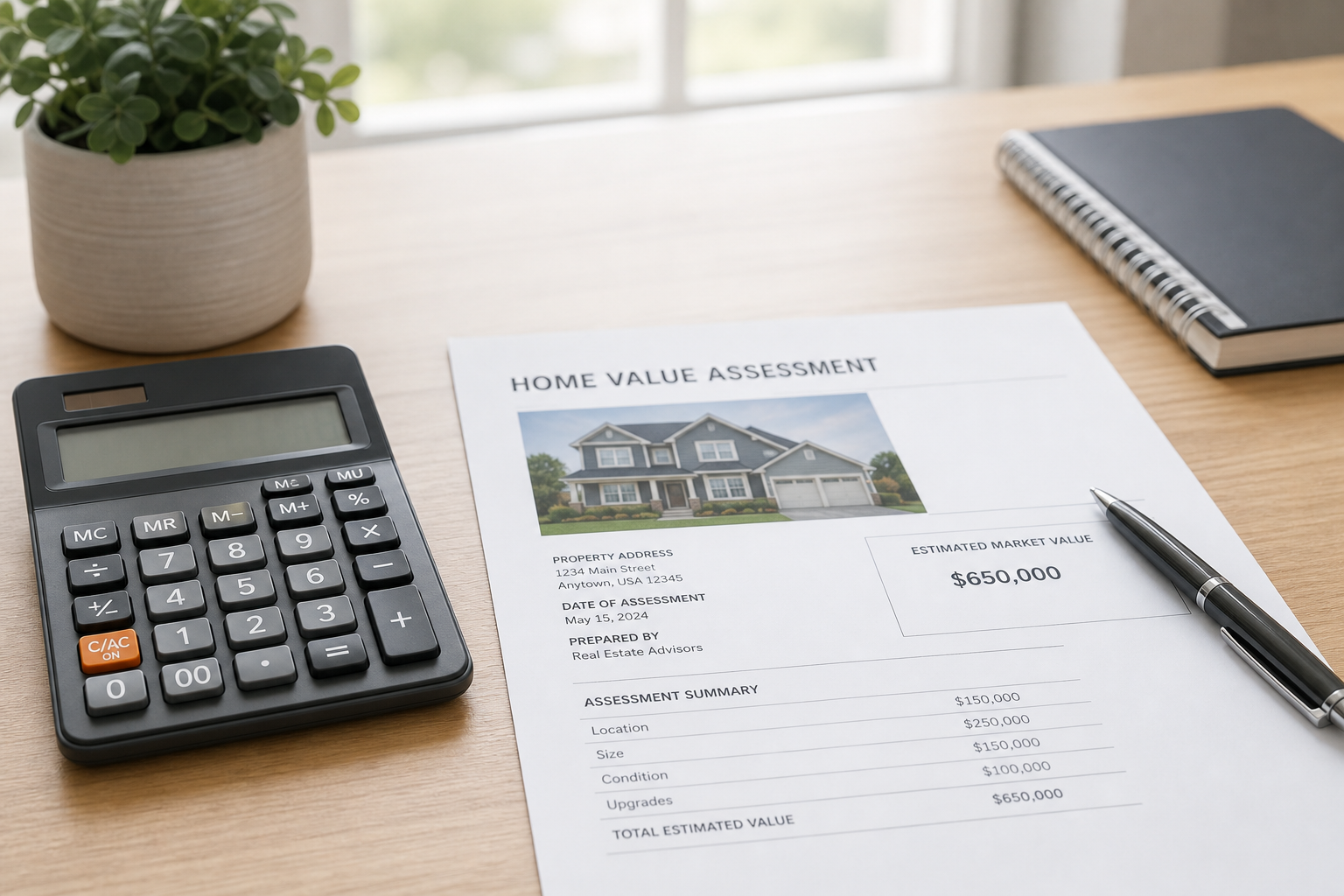
The 30 percent guideline is not a building code or a lending requirement. It is a heuristic drawn from decades of resale data and appraisal practice. When a single renovation project consumes a disproportionate share of a home's market value, the post-renovation value increase rarely matches the renovation cost. The home becomes "over-improved" relative to comparable properties in the area. Appraisers and listing agents see this pattern repeatedly: a $600,000 home with a $180,000 bathroom does not sell for $780,000. It sells for something closer to $650,000, because the buyer pool for that neighborhood is not shopping for a bathroom at that price point.
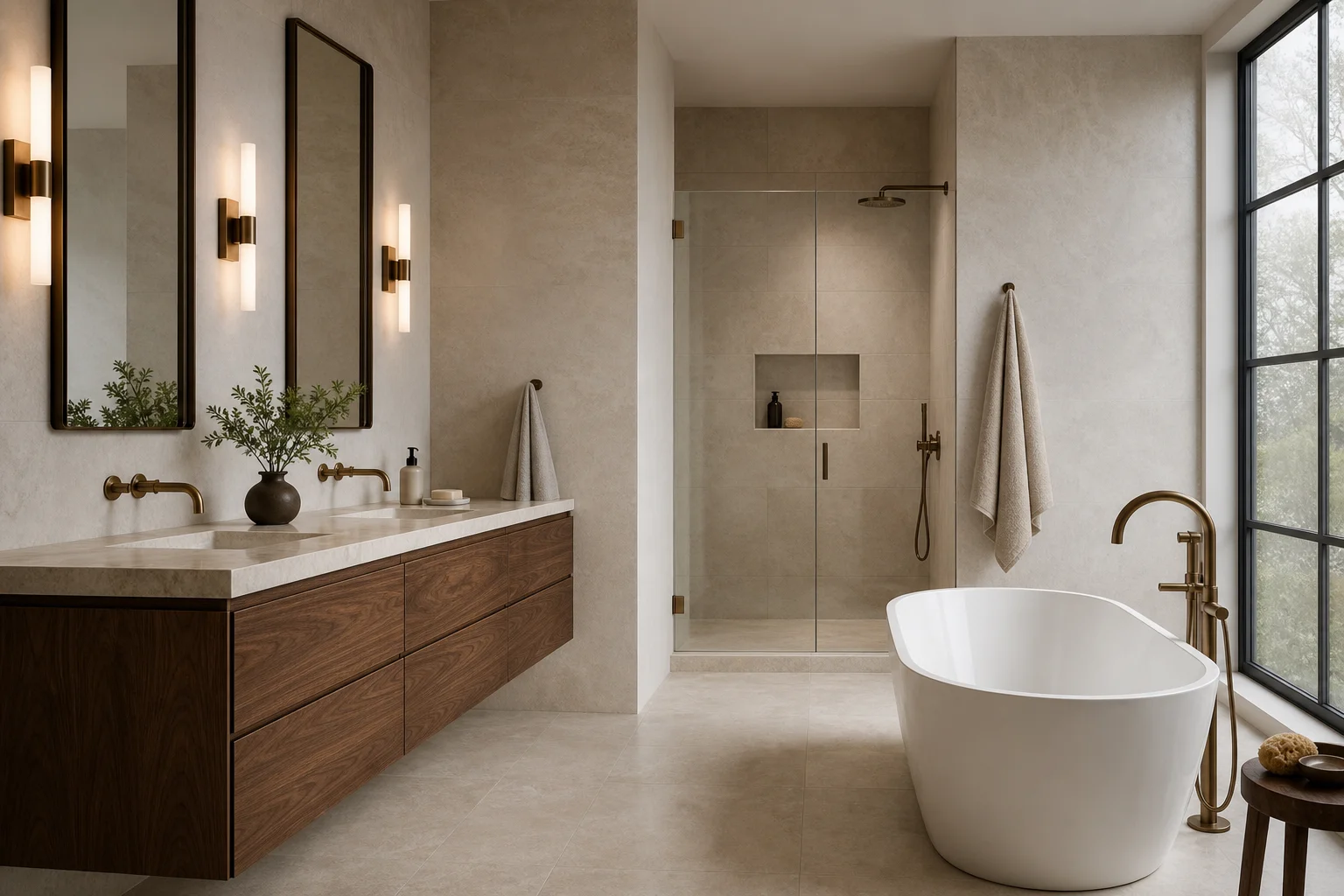
The bathroom-specific variant (often cited as 5 to 10 percent of home value for a primary bath) applies the same principle at a smaller scale. Remodeling Magazine's Cost vs. Value report, which tracks national averages for project cost against estimated resale value, consistently shows that midrange bathroom remodels recoup a higher percentage of their cost than upscale or luxury remodels. A $30,000 midrange bathroom renovation in a $400,000 home (7.5 percent of value) aligns with what the market expects. A $70,000 luxury renovation in the same home pushes past what buyers in that price bracket will pay extra for, even if the tile is beautiful.
These numbers are useful when the renovation decision is framed around resale. They tell you where diminishing returns begin. They do not tell you whether the bathroom you are living in every morning is functional, durable, or solving the problem that made you start planning in the first place.
When the Rule Works
The 30 percent rule (and its bathroom-specific derivatives) serves three household types well.
Households planning to sell within five years. If the bathroom renovation is primarily a pre-listing investment, the question is not "what do we want?" but "what will buyers in this neighborhood pay for?" Spending 15 percent of home value on a primary bath in a market where comparable homes have updated but not luxury bathrooms may not return 15 percent at sale. The rule keeps spending aligned with what the market will absorb.
Households in price-sensitive neighborhoods. In areas where home values are stable but not rapidly appreciating, over-improving a single room creates a mismatch between your investment and the ceiling buyers will hit. The rule prevents spending $80,000 on a bathroom in a neighborhood where the median home sells for $450,000.
Households using the renovation to fix a resale liability. A dated, damaged, or non-functional bathroom can actively reduce offers. A midrange renovation that brings the room to current market standard is often the highest-ROI move. Here the rule helps set an upper bound: spend enough to eliminate the liability, not so much that you are building a showroom in a starter-home market.
For these households, the rule is a sanity check, not a straitjacket. It asks: "Are we spending in proportion to what this home and this market can support?" That is a reasonable question when resale is the primary goal.
When the Rule Misleads
The rule breaks down when the household's goal is not resale recovery but daily use over a long horizon.
Consider a household in a $700,000 home planning a primary bathroom remodel. The 30 percent cap suggests a maximum project budget of $210,000 for a single renovation (or roughly $35,000 to $70,000 under the tighter bathroom-specific guideline). A properly built primary bathroom with relocated plumbing, a curbless shower, quality waterproofing, custom tile, and adequate ventilation in a market with skilled labor costs often runs $65,000 to $120,000 for a full gut remodel. Following the 10 percent cap ($70,000) might produce a competent room. Following a lower interpretation might produce a room that looks updated but retains the layout problems, the inadequate storage, the single vanity that two people cannot share, or the shower that was the reason the project started.
The household planning to stay fifteen years is not making a resale investment. They are making a use investment. The relevant calculation is not "will we recoup this at sale?" but "what does it cost us to live with this room for fifteen more years?" A bathroom that fails every morning, leaks behind tile within five years, or requires a second renovation because the first one was scoped to fit a percentage rather than solve a problem has a cost that never appears on a Cost vs. Value chart.
Long-tenure households. If you expect to live in the home for ten or more years, the annual cost of a $90,000 bathroom amortized over that period is $9,000 per year, or roughly $750 per month. That is a meaningful number, but it is a different calculation than ROI at sale. A household that can afford the project and will use the room daily for a decade is not over-improving. They are buying function, durability, and daily quality of life.
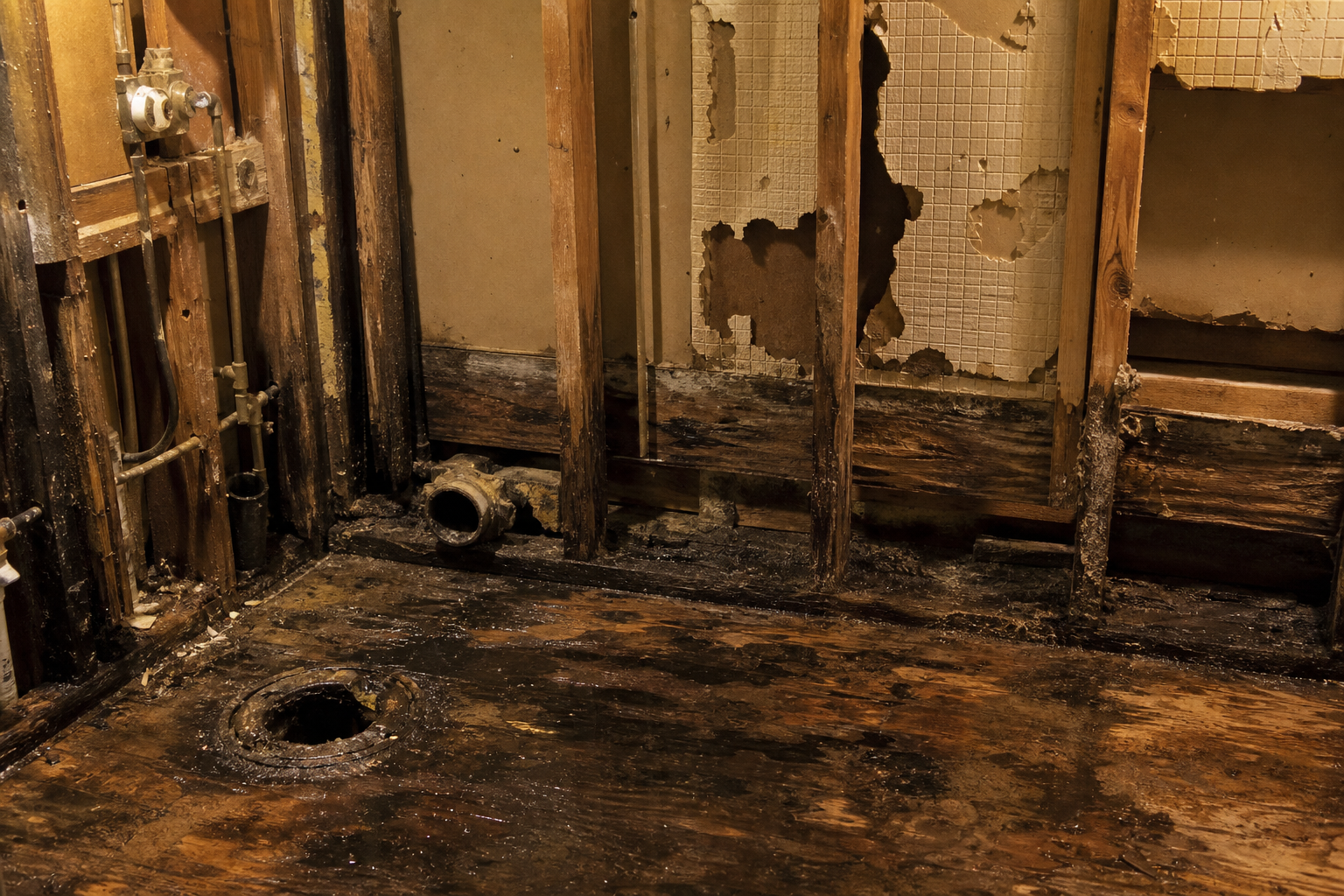
Households solving a structural or systems problem. When the renovation exists because of rot, failed waterproofing, outdated plumbing, or an unsafe electrical panel, the spending is not discretionary improvement. It is remediation. Capping remediation at a percentage of home value makes no sense when the alternative is ongoing damage or a failed inspection at sale.
Households in appreciating markets with constrained inventory. In neighborhoods where comparable homes sell quickly and values are rising, the resale ceiling moves. A bathroom that exceeds the rule today may be within market norms in five years. The rule assumes static market conditions. That assumption is not always correct.
The Real Question Behind the Rule
Before applying any percentage guideline, answer one question: how long do you plan to stay?
If the answer is three years, the rule is your friend. Frame every decision around what buyers in your price bracket expect and what appraisers will credit. Prioritize midrange finishes, proven layouts, and scope that eliminates dated or damaged conditions without building beyond the neighborhood standard.
If the answer is fifteen years, the rule is a distraction. Frame decisions around what the room needs to do for your household, how it should perform over that horizon, and what it costs to build it correctly once rather than renovate twice because the first project was under-scoped to satisfy a percentage.
This is where most online advice fails. Articles present the 30 percent rule as a universal budgeting principle without distinguishing between a flip-oriented renovation and a long-term home improvement. The formula is the same. The correct application is not.
What Happens When You Follow the Rule Too Closely
The failure mode is not spending too little money. It is spending money on the wrong scope.
A household with a $500,000 home caps their bathroom budget at $50,000 (10 percent). They get new tile, a new vanity, updated fixtures, and fresh paint. The layout stays the same. The single sink remains. The shower is still too small. The vent still dumps into the attic. The waterproofing behind the new tile is the same inadequate approach as before, because the budget did not allow for a full gut and proper membrane installation. The room looks better in listing photos. It performs the same. Within five years, grout cracks, caulk fails, or moisture appears at the base of the shower wall. The household renovates again, this time spending more because the first project did not address the underlying problem.
This is the hidden cost of treating the rule as a design constraint. You spend money. You do not solve the problem. You spend again.
The alternative is not ignoring budget discipline. It is separating budget discipline from scope discipline. Decide what the room needs to do. Price that scope honestly. Then ask whether the total fits your financial situation and your tenure plan. If it exceeds the 30 percent guideline and you are selling in three years, adjust scope or accept the ROI reality. If it exceeds the guideline and you are staying fifteen years, the guideline may be telling you something about resale risk you are willing to accept in exchange for daily function.
How to Use the Rule Without Being Used by It
Treat the 30 percent rule as one input in a decision, not the decision itself.
Step one: define the problem. Is this a pre-sale update, a functional failure, a layout that no longer works, or a combination? The problem definition drives scope. Scope drives cost. Cost compared to home value is the last step, not the first.
Step two: get a scope-based estimate, not a budget-based estimate. Telling a contractor "we want to stay under 10 percent of home value" before describing what you need produces a scope trimmed to fit a number. Describing what you need and then comparing the estimate to your financial situation and tenure plan produces an honest conversation.
Step three: check the estimate against both the rule and your stay timeline. If the project is $85,000 on a $600,000 home (14 percent), and you are selling in four years, understand that you may recover 60 to 70 percent of that investment at sale based on national averages. If you are staying twelve years, the recovery percentage matters less than whether the room works.
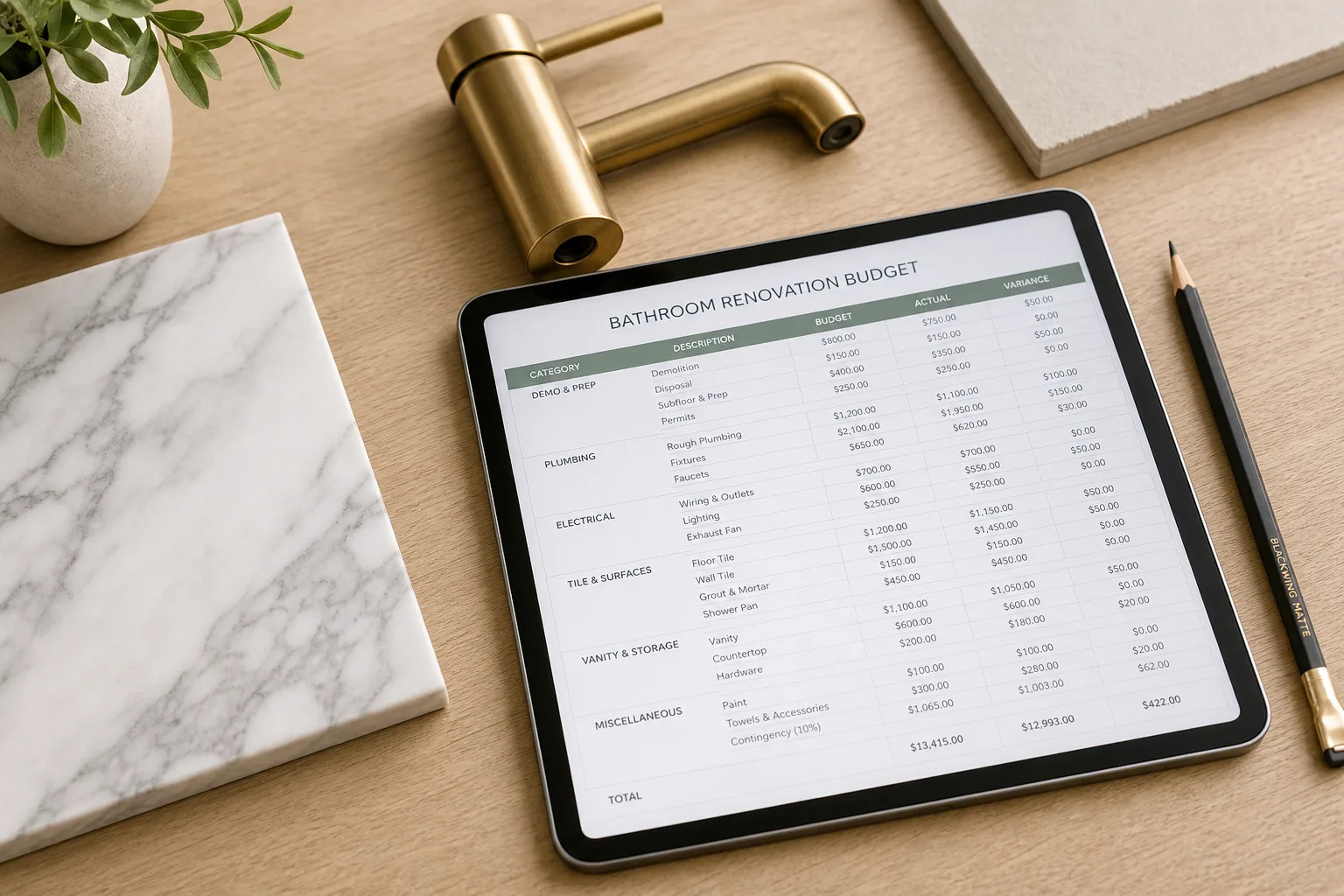
Step four: hold contingency separately. The rule and most budgeting advice recommend 10 to 20 percent contingency for unexpected conditions found at demolition. Contingency is not part of the renovation scope. It is insurance against what you cannot see. Do not compress scope to fit a percentage and then eliminate contingency. That is how projects stall when the subfloor is rotten.
When a client invokes the 30 percent rule, we ask how long they plan to stay. The answer changes the entire framing. A household selling in three years needs a different conversation than a household raising children in the home for the next decade. The rule is the same. The right project is not.