The five-year bathroom is easy to love on the day it is finished.
The grout is clean. The glass is clear. The fixtures have no water spots. The vanity drawers slide the way new drawers slide. The room smells faintly of paint, sawdust, and relief. After weeks of dust and decisions, almost any finished bathroom can feel like a victory.
The twenty-year bathroom asks a different question.
Does the room become easier to live with as the novelty disappears? Does it clean without resentment? Does it ventilate after a long shower? Does the tile still feel like a choice you made on purpose, not a timestamp from the year you remodeled? Do the controls, hooks, drawers, shelves, and lights still serve the body that uses them? Does the house feel protected by what was built behind the walls?
That is the difference. A five-year bathroom wins the reveal. A twenty-year bathroom wins the ordinary morning.
The Five-Year Bathroom Chases The Photograph
There is nothing wrong with wanting a bathroom to photograph well. A finished room should look good. The problem starts when the photograph becomes the primary design test.
Photographs reward drama: bold veining, high contrast, open counters, sculptural tubs, glass everywhere, oversized mirrors, minimal visible storage. Daily life asks quieter questions: where do the towels dry, where does the toothpaste go, how slippery is the floor, how hard is the glass to keep clear, how does the room smell after two showers, where does the robe land, where does the hair dryer plug in?
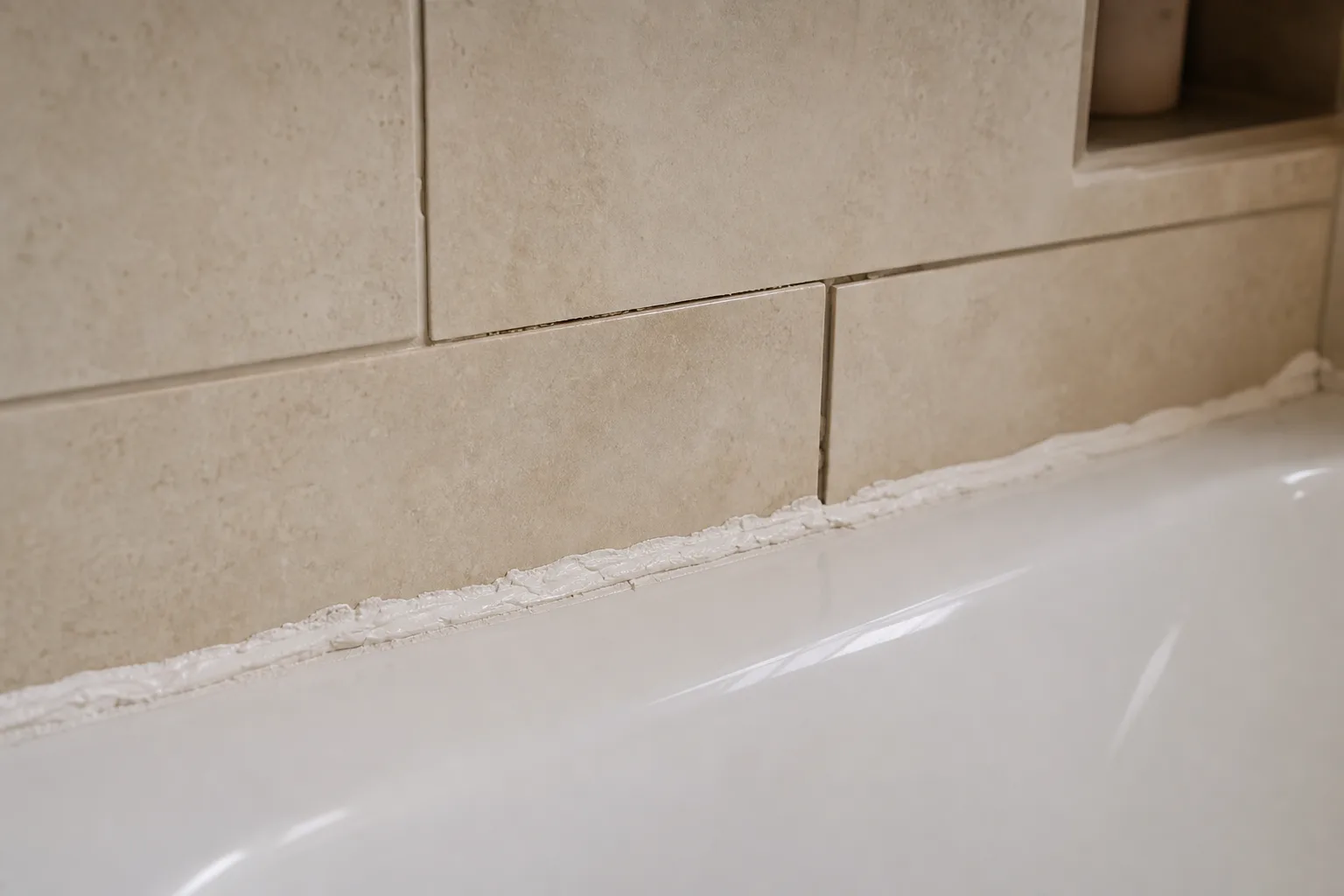
A five-year bathroom often has a striking first impression and a growing list of small negotiations. The niche is too shallow. The black fixtures show mineral spots. The grout line behind the toilet is hard to clean. The vanity looks good but stores poorly. The lighting is moody at night and cruel in the morning. The tub is beautiful and used three times a year.
No single choice ruins the room. The room slowly reveals that it was designed to be seen more than used.
The Twenty-Year Bathroom Begins Behind The Wall
The most important difference may be invisible.
A twenty-year bathroom takes waterproofing, ventilation, plumbing access, substrate preparation, and electrical planning seriously before the visible design is allowed to perform. The shower is built as an assembly, not as tile over hope. The fan is sized and ducted correctly. The floor structure is understood before heavy tile or a curbless detail is promised. The heated floor is planned with controls, sensors, and repairability in mind. The wall cavities are photographed before closing.
This is not the glamorous part of remodeling. It is the part that lets glamour age.
A five-year bathroom can ignore hidden work because hidden work does not appear in the reveal. A twenty-year bathroom cannot. It knows water is patient. Steam is patient. Gravity is patient. A house gives bad details plenty of time to become expensive.
The homeowner does not need to see the membrane forever. They need to know it was there, installed correctly, before it disappeared.
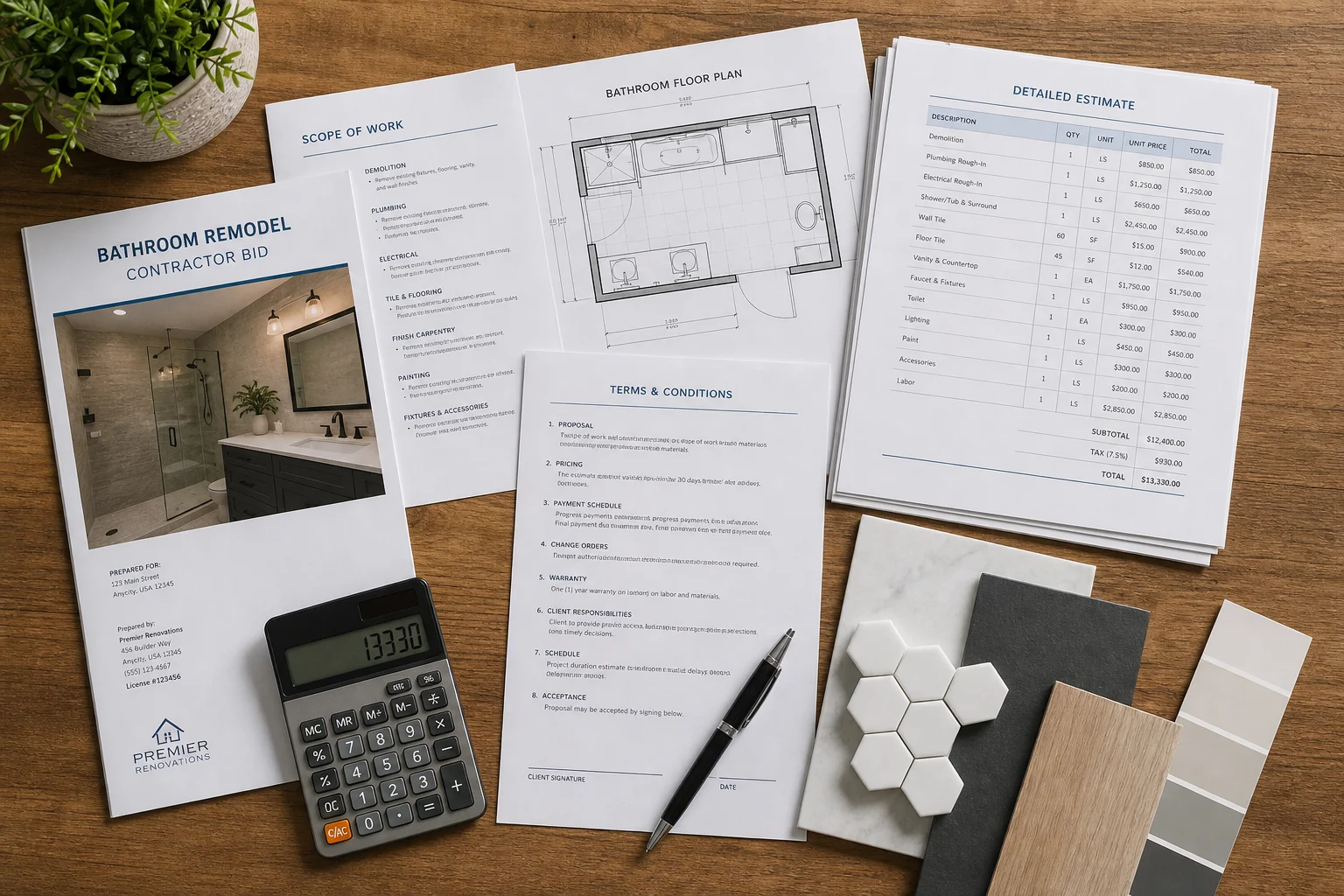
The decisions that separate a five-year bathroom from a twenty-year one are made in the first few weeks of a project, before any tile is chosen. Waterproofing system, subfloor preparation, ventilation path, movement joint placement: these are sequencing decisions, and they are either made deliberately at the design stage or defaulted to habit. We discuss them explicitly at the start of every project because once the room is assembled, they cannot be revisited without opening it again.
Longevity Has A Look, But It Is Not A Style
People often confuse timelessness with a specific palette: white tile, neutral stone, polished nickel, simple vanity. Those rooms can age well, but they do not own longevity. A room with color can age well. A room with handmade tile can age well. A room with brass can age well. A room with a bold floor can age well.
The question is whether the choices have a reason beyond the year they were popular.
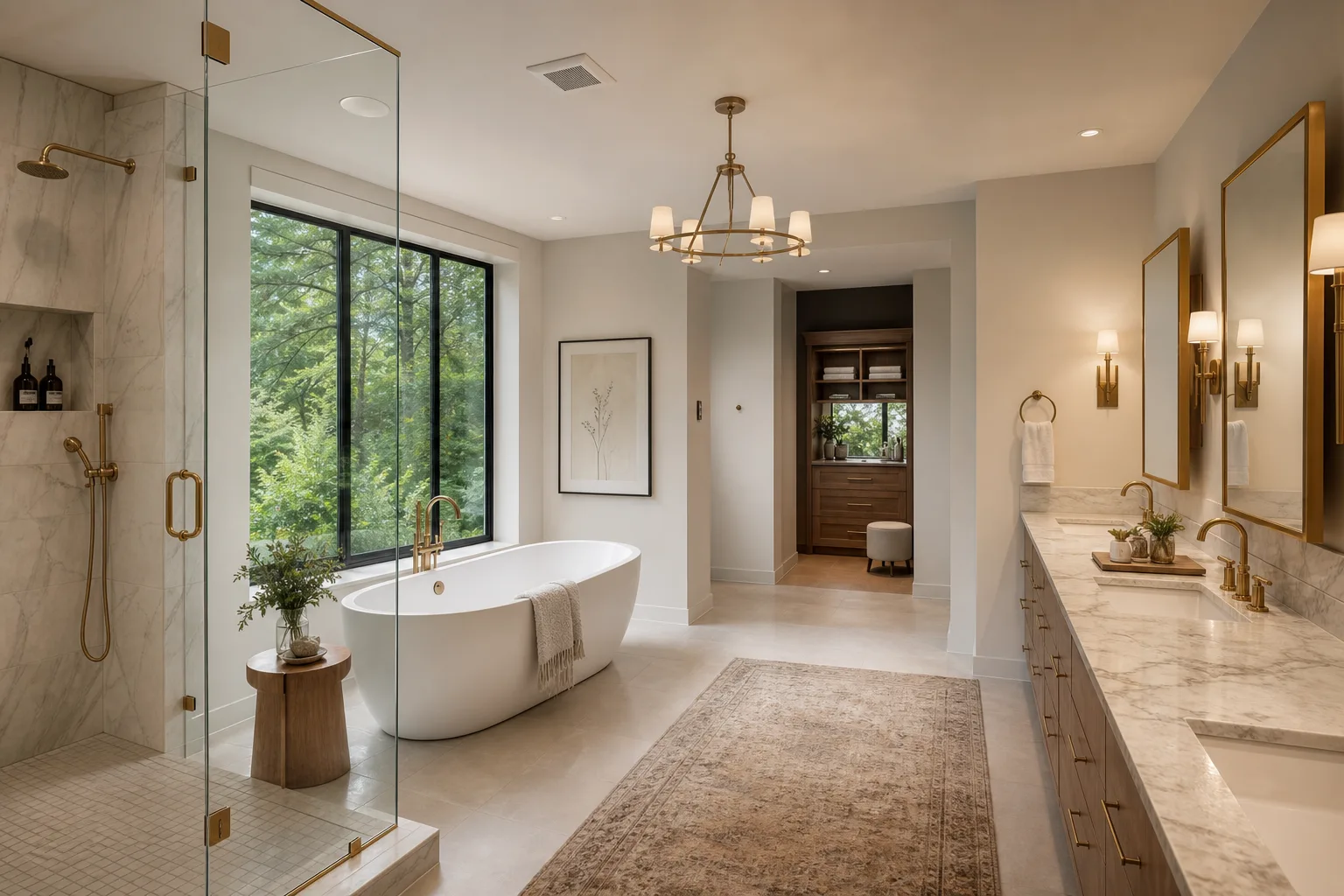
A twenty-year bathroom usually has a clear hierarchy. One material may carry pattern. Another carries quiet texture. The metal finish is repeated with discipline. The lighting is designed for faces, not just ambiance. The storage supports the way the household actually gets ready. The tile layout respects the architecture of the room.
It is not afraid of personality. It is afraid of randomness.
That is why trend avoidance alone is not enough. A room can avoid every trend and still feel dead. The better goal is a bathroom with convictions: materials that relate to the house, proportions that fit the room, and enough restraint that the strongest choice has room to breathe.
Maintenance Is A Design Decision
Maintenance is often treated as an afterthought, as if the homeowner will become a different person after the remodel. They will not.
If you hate squeegeeing glass, a large glass enclosure will not become magically easy because the bathroom is new. If you dislike visible water spots, matte black fixtures may demand more patience than you have. If you do not want to seal stone, choose a material that does not ask for that relationship. If the household leaves products in the shower, design storage for real product bottles, not sample-size bottles from a staged photo.
A five-year bathroom often assumes discipline. A twenty-year bathroom assumes humanity.
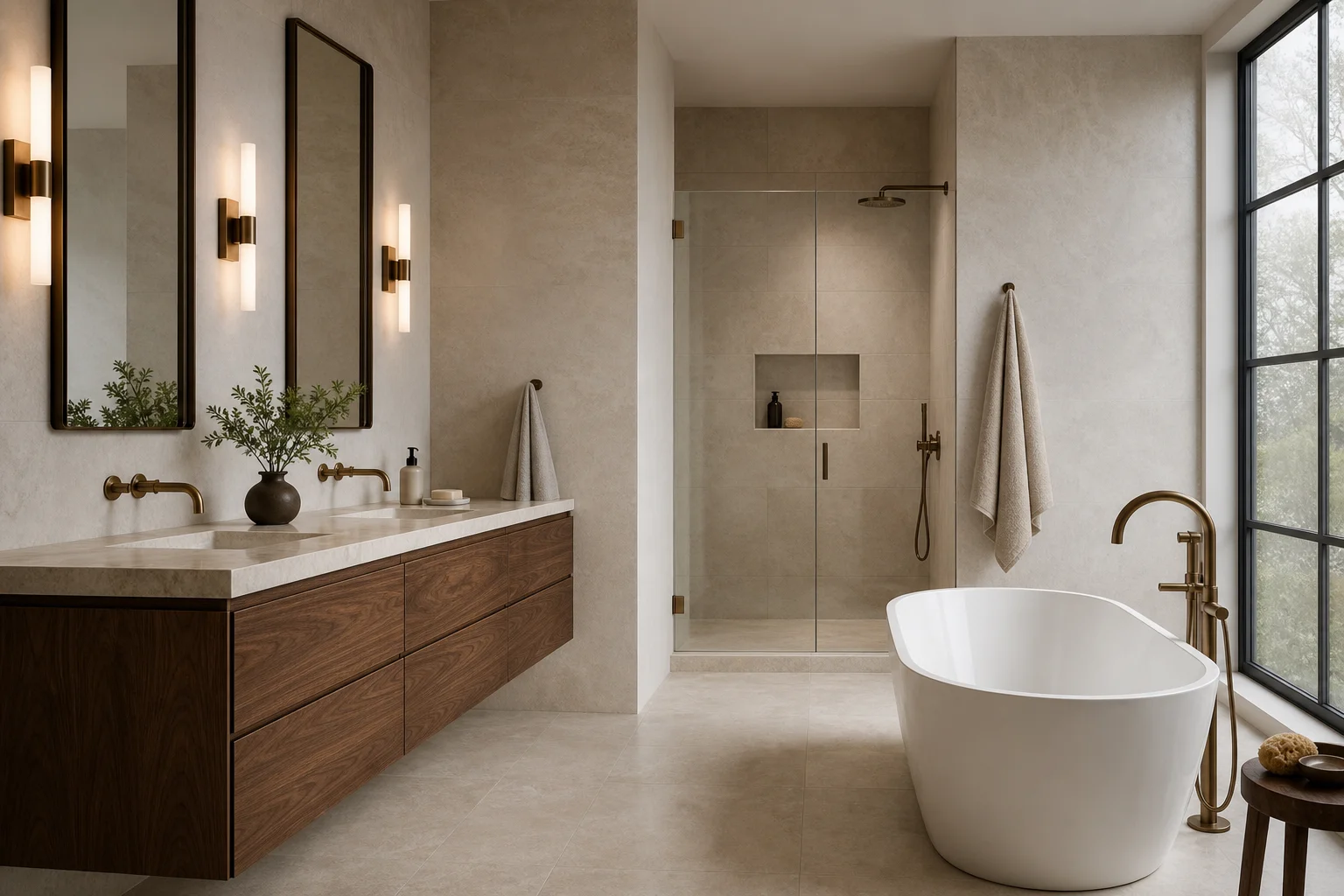
That does not mean choosing only the lowest-maintenance products. It means choosing maintenance consciously. Unlacquered brass can be wonderful if you want a living finish. Natural stone can be worth the care if you love what it does with light. Clear glass can be right if the room needs visual openness and the household accepts the cleaning ritual.
The mistake is not choosing demanding materials. The mistake is pretending they are not demanding.
Comfort Becomes More Important Over Time
At the beginning, homeowners often focus on the visible upgrades. Over time, comfort moves up the hierarchy.
Heated floors matter more in winter than they did in the showroom. Good ventilation matters after the second shower of the morning. A bench matters when shaving, washing a child, recovering from an injury, or aging into the house. A handheld shower matters when cleaning the enclosure or helping someone else bathe. Night lighting matters when you do not want to wake fully at 2 a.m.
These details rarely create the most dramatic before-and-after photos. They create loyalty to the room.
A twenty-year bathroom is full of decisions that seem modest until you live with them. The hook exactly where your hand reaches. The drawer that clears the plumbing. The outlet hidden but accessible. The warm floor under bare feet. The fan quiet enough that people actually use it. The mirror light that makes the morning less hostile.
This is not luxury as display. It is luxury as absence of friction.
Repairability Is Part Of Taste
Some bathrooms are built as if nothing will ever need attention again. That is optimism, not craftsmanship.
A longer-lasting bathroom considers access. Can the shower valve be serviced? Are replacement parts available for the fixtures? Are the finishes likely to remain supported by the manufacturer? Is the toilet model so specialized that a simple part becomes a scavenger hunt? Is the mirror full of electronics that cannot be repaired? Is the vanity built in a way that a plumbing issue requires destroying cabinetry?
Repairability does not make a room less refined. It makes the refinement more serious.
There is a kind of taste that cares only about the first impression. There is another kind that cares about the owner ten years later, standing in the room with a small problem and hoping the original decisions were kind.
The second kind is rarer. It is also the one worth paying for.
The Twenty-Year Test
Before approving a bathroom design, ask these questions:
- Will I still like this material when I no longer remember choosing it?
- Does the room have one clear focal point, or several competing ones?
- What does this finish require from me every week?
- Can the hidden assembly manage water, vapor, and ventilation?
- Are the most-used items placed for real bodies and routines?
- If one part fails, can it be accessed or replaced without destroying the room?
- Does the design belong to the house, or only to the year it was built?
These questions slow the process down. That is their virtue.
The five-year bathroom is often made by accelerating toward visible completion. The twenty-year bathroom is made by pausing before permanent decisions. It asks whether the room will still feel generous after the receipt is forgotten.
That is the bathroom worth building.